
Decking Styles
Platform Decks
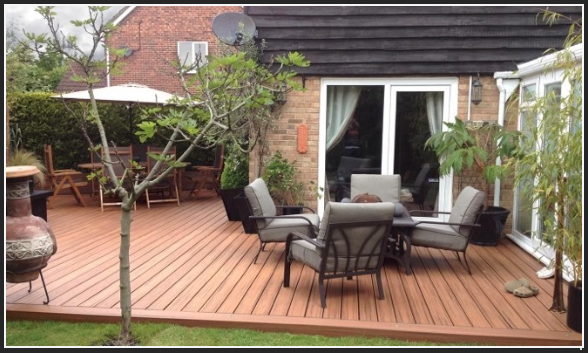
Simplicity Meets Functionality:
-
Clean Design: Platform decks are characterized by their clean, unadorned design. They typically consist of a straightforward, rectangular or square shape, with no elaborate architectural features. This simplicity allows homeowners to personalize the space according to their tastes and needs.
-
Elevation: Platform decks are often slightly elevated above ground level. This elevation not only provides a sense of separation from the surrounding landscape but also helps with drainage and minimizes issues related to moisture and pests.
Versatility in Use:
-
Outdoor Furniture: One of the primary uses of platform decks is as a foundation for outdoor furniture. Whether it’s a comfortable seating area with lounge chairs and sofas or a dining space with a table and chairs, these decks offer a level and stable surface to accommodate various outdoor furnishings.
-
Entertainment Hub: Platform decks are excellent choices for creating outdoor entertainment spaces. You can set up a barbecue station, install a fire pit, or even place a hot tub. With proper planning and layout, your platform deck can become the hub of outdoor gatherings and activities.
-
Versatile Landscaping: The space around a platform deck can be used for landscaping, gardening, or container planting. This combination of hardscape and greenery adds visual interest and enhances the overall aesthetics of the outdoor area.
Adaptability to Different Settings:
-
Backyard Retreat: In residential settings, platform decks often serve as tranquil retreats in the backyard. They provide homeowners with a convenient and accessible outdoor oasis for relaxation, reading, or enjoying a morning coffee.
-
Poolside Comfort: Platform decks are also a popular choice for poolside areas. They offer a comfortable and safe surface for sunbathing, setting up poolside loungers, or placing a small bistro table for poolside refreshments.
Ease of Construction and Maintenance:
-
Simple Construction: Platform decks are relatively simple to construct, making them a cost-effective option. The design and building process are straightforward, making them accessible to both DIY enthusiasts and professional contractors.
-
Low Maintenance: With minimal architectural embellishments and a straightforward layout, platform decks are generally low-maintenance. Routine cleaning, staining, or sealing, depending on the decking material used, is typically all that’s required to keep them in good condition.
Considerations:
-
Layout and Furniture Placement: When planning a platform deck, think about the layout and placement of outdoor furniture and features. Consider factors like sun exposure, views, and traffic flow to create a functional and aesthetically pleasing arrangement.
-
Material Choice: The choice of decking material is crucial. Common options include wood, composite, and PVC. Each material has its advantages in terms of appearance, maintenance, and durability. Be sure to select one that aligns with your preferences and climate considerations.
-
Safety Measures: If your platform deck is elevated, safety features such as railings or balustrades might be necessary, especially if you have young children or pets. Compliance with local building codes and regulations is essential.
Multi-Level Decks
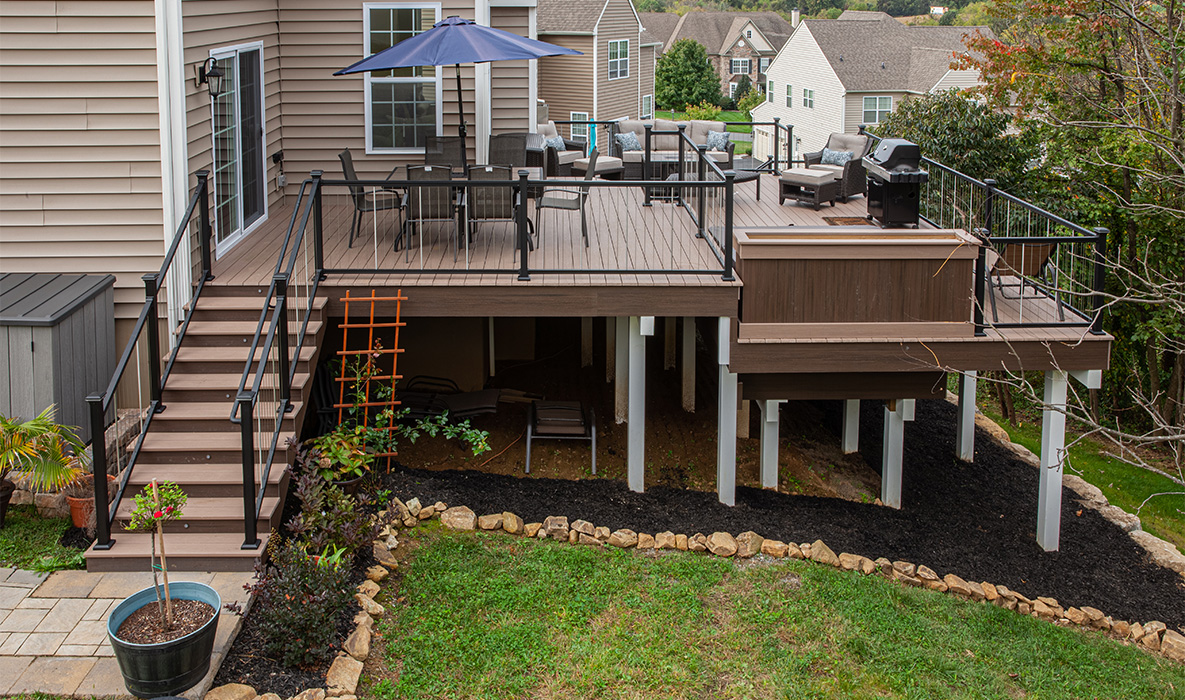
Dynamic Design Elements:
-
Tiered Layout: The defining feature of multi-level decks is their tiered layout. These decks consist of multiple interconnected platforms or levels, each serving a specific purpose. The varying elevations add depth and dimension to your outdoor space.
-
Distinct Activity Zones: Multi-level decks are designed to accommodate a range of activities. For instance, you can have one level designated for dining, complete with a table and chairs, another for lounging with comfortable seating and perhaps a hammock, and even a higher level for panoramic views, an outdoor kitchen, or a hot tub.
Maximizing Space:
-
Efficient Space Utilization: Multi-level decks make efficient use of available outdoor space. They enable homeowners to create functional areas within the same footprint, making them an excellent choice for smaller yards or challenging terrain.
-
Seamless Transitions: The transitions between levels are typically achieved through stairs, ramps, or integrated features like built-in seating. These transitions create a sense of flow and connectivity between the different zones.
Visual Interest and Aesthetics:
-
Architectural Appeal: Multi-level decks introduce architectural interest to your outdoor area. The elevation changes and tiered structure break away from the monotony of a single-level deck, creating a more visually appealing landscape.
-
Landscaping Opportunities: The spaces between deck levels offer opportunities for landscaping. You can incorporate planter boxes, garden beds, or even small trees and shrubs to soften the edges and add greenery.
Practical Considerations:
-
Views and Privacy: Depending on your property’s layout, multi-level decks can provide unique views and privacy. Higher tiers may offer better vantage points, whether it’s a view of the surrounding landscape, a sunset, or a nearby feature like a pool or garden.
-
Entertaining and Functionality: Multi-level decks are ideal for homeowners who love to entertain. You can have a dedicated cooking and grilling area on one level, a bar or beverage station on another, and spacious seating areas for guests. This setup ensures that your outdoor gatherings flow seamlessly.
Design Flexibility and Personalization:
-
Customization: Multi-level decks are highly customizable. You can tailor the number of levels, their sizes, and their specific functions to meet your preferences and lifestyle. This adaptability allows you to create a unique outdoor space that suits your needs.
-
Material Selection: When designing a multi-level deck, consider the materials for both the deck surface and the railings. You have various options, including wood, composite decking, PVC, or even stone for a distinctive look.
Safety Measures:
-
Safety is paramount: Given the elevated nature of multi-level decks, safety features are essential. Properly designed and constructed railings or balustrades are crucial to prevent accidents and ensure compliance with building codes and regulations.
Wraparound Decks
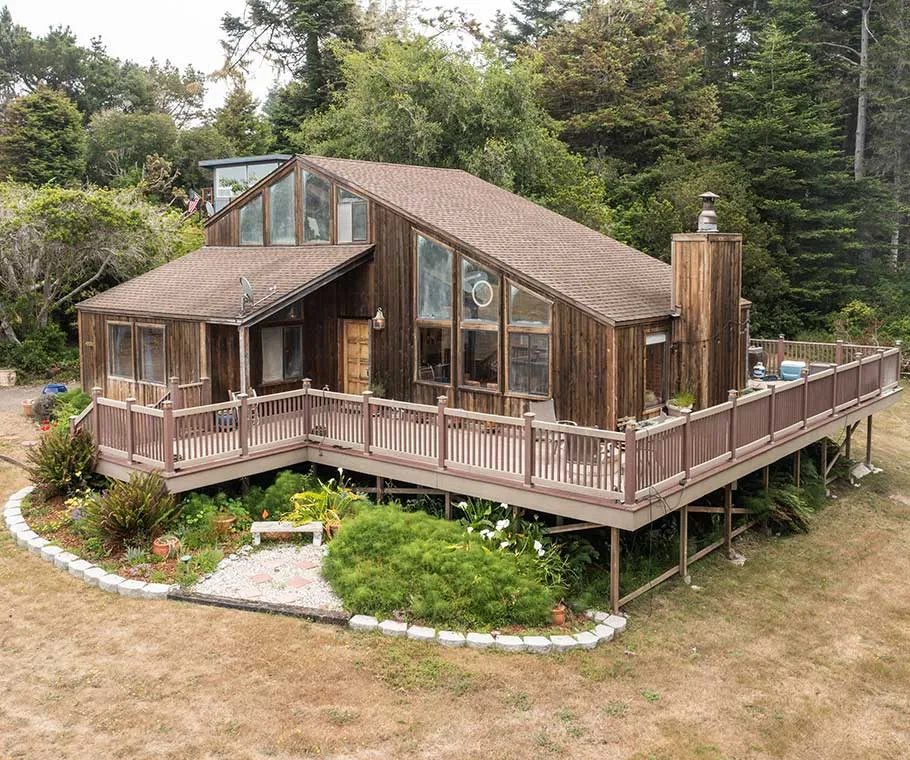
360-Degree Outdoor Enjoyment:
-
Complete Surroundings: Wraparound decks embrace your home’s entire exterior, allowing you to enjoy outdoor living from virtually any vantage point. Whether you step out from the kitchen, living room, bedroom, or any other space, you’ll find yourself immersed in the beauty of your outdoor environment.
-
Panoramic Views: The primary appeal of wraparound decks is the panoramic views they offer. They allow homeowners to relish the surrounding landscape, whether it’s a picturesque garden, a serene woodland, or a distant horizon. These decks are especially prized for properties with captivating natural settings.
Enhanced Accessibility:
-
Multiple Access Points: With a wraparound deck, accessibility to outdoor spaces becomes effortless. You’re never far from an exit to the deck, making it convenient for various activities such as morning coffee, al fresco dining, or simply basking in the sun.
-
Indoor-Outdoor Flow: The continuous flow between indoor and outdoor areas promotes a sense of unity. During pleasant weather, you can leave doors open, encouraging natural ventilation and an unobstructed connection to the outdoors.
Flexible Living Zones:
-
Multiple Zones: Wraparound decks often feature distinct zones or areas, each serving a specific purpose. These may include lounging spaces, dining areas, reading nooks, or even outdoor kitchens. Homeowners can easily designate zones based on their preferences and needs.
-
Entertainment Hub: For those who love entertaining, a wraparound deck provides an ideal setting. You can host gatherings with ease, offering guests ample room to mingle, dine, and enjoy the outdoors.
Architectural Aesthetics:
-
Curb Appeal: Wraparound decks contribute significantly to a home’s curb appeal. They enhance the architectural aesthetics of the property, creating a welcoming and inviting facade. These decks are often considered a standout feature in real estate listings.
-
Balustrades and Railings: Safety is paramount with wraparound decks, and they typically feature balustrades or railings. These not only provide necessary protection but also add to the deck’s visual appeal. You can choose from various railing styles and materials to complement your home’s design.
Privacy and Shade:
-
Privacy Screening: Depending on your property’s layout, wraparound decks can offer privacy by strategically positioning the deck to shield certain areas from view. This is especially beneficial for homes situated in close proximity to neighbors.
-
Shade Opportunities: The design of wraparound decks often allows for the incorporation of shading elements. You can install pergolas, retractable awnings, or even plant trellises to create shaded areas for relaxation and comfort.
Maintenance Considerations:
-
Regular Maintenance: With their expansive layout, wraparound decks may require more significant maintenance compared to smaller deck styles. Regular inspections, cleaning, and refinishing, if applicable, are essential to keep the deck in top condition.
Floating Decks
-
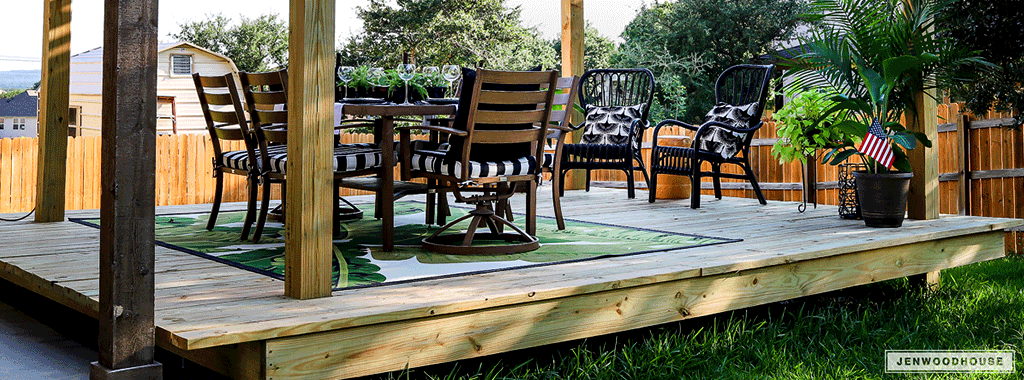
Independence from the House:
-
Freestanding Design: The defining feature of a floating deck is its freestanding nature. It stands independently on its own, unattached to the house. This characteristic provides a sense of autonomy, allowing you to position the deck anywhere in your yard.
-
Unconstrained Placement: The absence of attachments to the house means you have the flexibility to place the deck wherever it suits your desires and needs. Whether you seek a secluded retreat in a shaded corner, a sun-soaked lounging area, or a platform for starlit gatherings, floating decks can be positioned to maximize your outdoor experience.
Ground Level or Elevated Options:
-
Ground-Level Serenity: Ground-level floating decks are situated directly on the ground, providing a seamless transition from your yard. These decks are ideal for creating intimate seating areas, garden pathways, or outdoor yoga spaces. They blend harmoniously with the natural landscape.
-
Elevated Elegance: For a touch of elevation and visual intrigue, consider an elevated floating deck. This design not only offers a unique perspective of your surroundings but also provides opportunities for incorporating storage, seating, or even a hidden garden beneath the deck.
Versatility in Size and Shape:
-
Tailored to Your Space: Floating decks are incredibly versatile in terms of size and shape. Whether you envision a compact reading nook, a sprawling entertainment area, or a winding pathway that meanders through your garden, these decks can be customized to fit your space perfectly.
-
Modular Design: The modular nature of floating decks allows for creative configurations. You can add extensions, alcoves, or even multiple levels to suit your outdoor vision. This adaptability ensures that your deck seamlessly integrates with your landscape.
Design Aesthetics:
-
Materials and Finishes: Floating decks can be constructed using various materials, from natural wood to low-maintenance composites. The choice of materials can significantly impact the deck’s aesthetics, ensuring it complements your home’s style and your personal preferences.
-
Railing Options: Depending on the deck’s height and intended use, you can opt for different railing styles or choose to keep the design open and unobstructed. Railing materials, such as wood, glass, or metal, contribute to the deck’s overall look.
Enhancing Outdoor Living:
-
Multi-Functional Spaces: Floating decks can serve diverse purposes, from outdoor dining and lounging to meditation and yoga spaces. Their adaptability allows you to transform your yard into a multi-functional outdoor haven.
-
Separate Outdoor Oasis: These decks are particularly suitable for creating a separate outdoor oasis away from the house. Whether you seek solitude, a quiet reading spot, or a destination for al fresco meals, a floating deck can provide a tranquil escape.
Maintenance Considerations:
-
Regular Inspection: As with any outdoor structure, floating decks require periodic inspections to ensure stability and safety. Ensure that the deck’s foundation remains secure and that structural elements are well-maintained.
-