
Frame Material
Aluminum
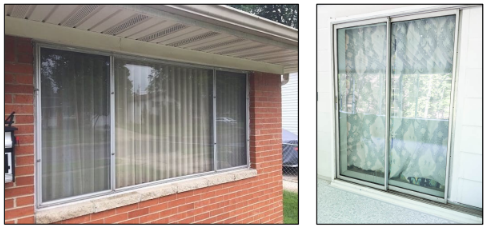
Strength and Durability:
-
Aluminum window frames are renowned for their exceptional strength and durability. This structural robustness is a result of the inherent properties of aluminum as a material.
-
Aluminum is highly resistant to environmental stressors and can endure challenging weather conditions without showing signs of warping, cracking, or corrosion. This durability ensures the long-lasting performance of aluminum window frames.
Thermal Conductivity:
-
A distinctive characteristic of aluminum frames is their high thermal conductivity. Aluminum efficiently conducts both heat and cold, which can affect their energy efficiency but has implications for their overall performance.
-
While the excellent thermal conductivity of aluminum can allow heat to pass through the frame, it also means that aluminum windows can quickly respond to changes in temperature. This responsiveness can be advantageous in situations where rapid temperature adjustments are desired, such as in climates with large daily temperature variations.
Slim Profile:
-
Aluminum frames are characterized by their slim and streamlined profile. This design feature sets them apart from other frame materials and has significant implications for aesthetics and functionality.
-
The narrow profile of aluminum frames allows for narrower frame components, maximizing the glass area within the window. This not only offers expansive, unobstructed views but also aligns with contemporary architectural preferences for modern and minimalist aesthetics.
Advantages:
Durability:
-
A primary advantage of aluminum window frames lies in their exceptional durability. They can withstand a wide range of adverse weather conditions, including heavy rain, intense sunlight, and extreme temperatures, without suffering from structural damage.
-
This durability guarantees that aluminum windows remain in excellent condition over time, minimizing the need for extensive repairs or replacements. Homeowners can rely on the longevity of aluminum frames for their investment.
Slim Profile:
-
The slim profile of aluminum frames, as previously mentioned, is a notable advantage. It maximizes the glass area within the window, providing homeowners with expansive outdoor views and allowing natural light to flood their living spaces.
-
The modern and minimalist aesthetics associated with aluminum frames are highly sought after, making them a preferred choice for homeowners and architects seeking to create visually appealing, open, and spacious interiors.
Low Maintenance:
-
Aluminum frames are recognized for their low maintenance requirements. They do not demand regular painting, staining, or sealing to preserve their appearance and functionality.
-
Routine maintenance typically involves simple cleaning with mild detergent and water. This minimal upkeep contributes to the convenience of aluminum windows, reducing the time and effort homeowners need to invest in maintaining them.
Considerations:
Thermal Conductivity:
-
A critical consideration with aluminum frames is their high thermal conductivity. Aluminum is an efficient conductor of heat, which can lead to energy loss through the frame.
-
To address this challenge and enhance the energy efficiency of aluminum windows, modern window systems often incorporate thermal breaks or insulating strips within the frame. These components create a barrier that reduces heat transfer through the frame, helping to insulate the interior from exterior temperatures.
Less Energy-Efficient:
-
It’s important to note that aluminum frames are generally considered to be less energy-efficient compared to materials like vinyl or wood. This is primarily due to their intrinsic heat conductivity, which can allow for more heat transfer between the interior and exterior of a building.
-
While the inclusion of thermal breaks and insulating measures can significantly enhance their energy efficiency, homeowners should be aware that aluminum frames may still be less effective at retaining heat or cool air compared to other frame materials.
In summary, aluminum window frames offer a unique combination of strength, durability, and a sleek slim profile. Their high thermal conductivity requires the incorporation of thermal breaks or insulating measures for optimal energy efficiency. Homeowners who prioritize durability, modern aesthetics, and low maintenance may find aluminum frames an appealing choice, provided they consider their energy efficiency needs and opt for systems that incorporate thermal breaks or insulating measures.
Vinyl
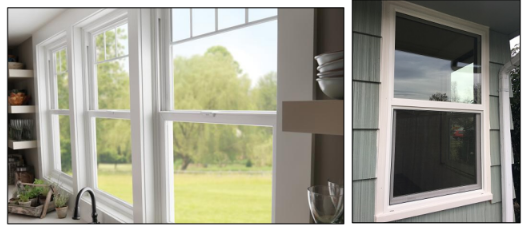
Material Composition: Vinyl window frames are made from polyvinyl chloride (PVC) material, which is known for its exceptional insulating properties. This material naturally resists heat transfer, helping to maintain a comfortable indoor temperature.
-
Durability and Resistance: Vinyl frames are highly durable and exhibit remarkable resistance to various environmental factors, including corrosion, moisture, and insect damage. This durability ensures that the frames remain in excellent condition for an extended period, reducing the need for repairs or replacements.
Low Maintenance: One of the standout characteristics of vinyl window frames is their minimal maintenance requirements. They do not necessitate painting, staining, or sealing to preserve their appearance and performance. This is because vinyl’s resistance to moisture prevents issues like warping and rot that often require upkeep in other materials.
Advantages:
Excellent Insulation: Vinyl window frames excel in terms of insulation. They effectively reduce heat transfer between the interior and exterior of a home, contributing to energy efficiency. This insulating property helps maintain a consistent and comfortable indoor temperature, leading to energy savings and enhanced comfort for occupants.
Low Maintenance: Vinyl frames are virtually maintenance-free. Homeowners can enjoy the benefits of durable and insulating windows without the hassle of frequent upkeep. The absence of painting or sealing requirements translates into time and cost savings for homeowners.
Cost-Effective: Vinyl windows are often a cost-effective choice when compared to other frame materials. Their affordability makes them accessible to a broad range of homeowners. The combination of lower upfront costs and energy savings over time can make vinyl windows an attractive economic choice.
Considerations:
Limited Color Choices: One of the considerations associated with vinyl frames is the limited range of color choices available. Vinyl typically comes in a selection of standard colors, such as white and beige. For homeowners seeking custom or unique finishes that perfectly match their aesthetic preferences or the architectural style of their home, the color options offered by vinyl may be restrictive.
Wood
-
Wood:
-
Characteristics:
Classic Appearance:
-
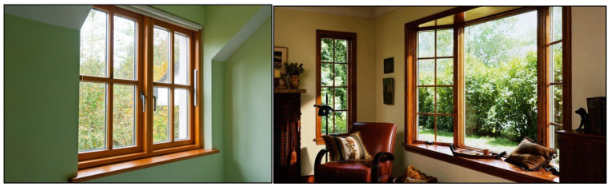
Wood window frames are highly regarded for their classic and timeless appearance, which adds warmth and charm to both a home’s interior and exterior. This characteristic makes them a preferred choice for homeowners looking to enhance their property’s overall aesthetic.
-
The natural grain patterns and textures of wood create a sense of authenticity and character, making it a sought-after choice for those who appreciate traditional design elements.
Natural Insulation:
-
Wood frames provide effective natural insulation. This insulation property arises from wood’s innate qualities, which reduce heat transfer through the frame.
-
Wood, as a poor conductor of heat, minimizes the transfer of thermal energy between the interior and exterior of a home. During cold weather, wood frames help retain indoor heat, potentially lowering heating costs. Conversely, in warm seasons, they reduce heat infiltration, aiding in cooling and energy efficiency.
Advantages:
Aesthetic Appeal:
-
A key advantage of wood frames is their aesthetic appeal. They are renowned for enhancing a home’s architectural style, contributing to its overall visual appeal.
-
Wood window frames add an element of elegance and sophistication to a property. The natural beauty of wood, with its unique grain patterns and warm tones, complements a wide range of design preferences and architectural styles.
Good Insulation:
-
Wood frames offer natural insulation benefits due to their low thermal conductivity. This property reduces heat transfer through the frame, contributing to energy efficiency.
-
During colder months, wood frames help retain indoor warmth, potentially resulting in lower heating costs. In hotter seasons, they limit heat infiltration, aiding in maintaining a cooler indoor environment.
Customization:
-
Wood frames provide extensive customization options, allowing homeowners to tailor them to their specific preferences and the overall design scheme of their home.
-
This versatility empowers homeowners to select from various finishes, stains, and paint colors to achieve a personalized look. Whether desiring a traditional, rustic, or contemporary aesthetic, wood frames can be customized to align with the desired style.
Considerations:
Maintenance:
-
A crucial consideration when opting for wood frames is the maintenance they require to preserve their appearance and performance. This is because wood is susceptible to moisture-related issues.
-
Routine maintenance tasks include periodic painting, staining, and sealing to protect against moisture, rot, and insect infestations. These measures are essential to prevent warping, swelling, or other forms of deterioration that can occur if not addressed promptly.
-
Homeowners must be committed to a maintenance routine, understanding that regular care is necessary to ensure the longevity and functionality of wood window frames.
Cost:
-
It’s important to note that wood frames can be more expensive than some other frame materials. This higher cost can be attributed to several factors, including the craftsmanship required for working with wood and the maintenance needs associated with this material.
-
While wood frames offer aesthetic benefits and natural insulation, potential buyers should weigh the initial investment against their long-term maintenance commitment and budget constraints.
-
-
Fiberglass
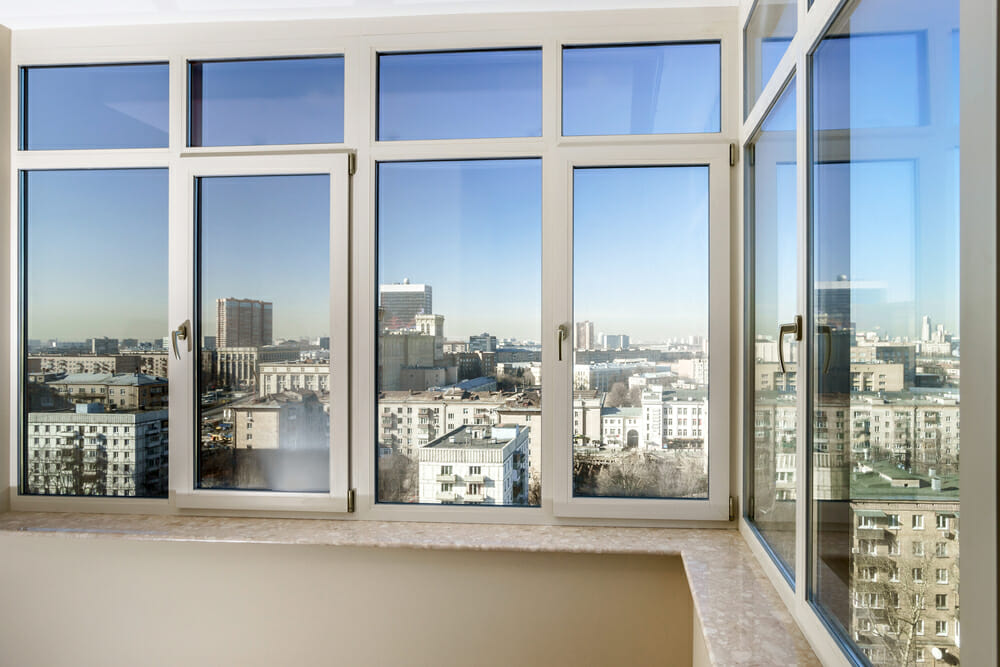
Composition:
-
Fiberglass window frames are constructed from glass fibers embedded in a resin matrix. This composition results in a material known for its remarkable strength and durability.
-
The combination of glass fibers and resin creates a composite material that is resistant to many environmental factors and exhibits a high degree of stability.
Low Thermal Expansion:
-
One of the distinguishing characteristics of fiberglass frames is their low thermal expansion. This means that they have minimal dimensional changes in response to temperature variations.
-
Fiberglass frames remain highly stable in various weather conditions, reducing the risk of warping or distortion over time. This stability contributes to their long-term performance and durability.
Resistance to Environmental Factors:
-
Fiberglass frames are renowned for their resistance to warping, rot, and damage from insects. Unlike some other materials, fiberglass is not susceptible to moisture-related issues or insect infestations.
-
This resilience makes fiberglass frames suitable for use in areas with high humidity, frequent rainfall, or exposure to pests.
Advantages:
Strength and Durability:
-
A primary advantage of fiberglass window frames lies in their exceptional strength and durability. They are engineered to withstand the effects of weather and aging, maintaining their structural integrity over time.
-
Fiberglass frames are highly resistant to warping, cracking, and degradation, ensuring their long-term performance in a variety of environmental conditions.
Low Maintenance:
-
Fiberglass frames require minimal maintenance. Unlike wood frames, they do not need regular painting, staining, or sealing to protect against moisture or deterioration.
-
Routine maintenance for fiberglass frames typically involves simple cleaning with mild detergent and water, making them a convenient choice for homeowners.
Energy Efficiency:
-
Fiberglass is an excellent insulator. This property enhances the energy efficiency of fiberglass window frames, contributing to reduced heating and cooling costs.
-
The insulating qualities of fiberglass help maintain a more consistent indoor temperature, ensuring comfort while potentially saving on energy bills.
Considerations:
Cost:
-
It’s important to note that fiberglass frames can be more expensive upfront compared to some other frame materials. The cost may be higher due to the quality of the material and manufacturing processes involved.
-
However, it’s essential to consider the long-term cost-effectiveness of fiberglass frames, as their durability and energy efficiency can lead to savings over time.
Limited Aesthetic Options:
-
While fiberglass frames can be painted, they may not offer the same range of aesthetic customization options as wood frames. Homeowners seeking specific finishes or intricate designs may find their choices more limited with fiberglass.