
City Water
City Water
City Water: A Detailed Overview
City water, often referred to as municipal water, is a common water supply system in urban and suburban areas. It is provided and managed by local governments or water utilities to ensure residents have access to clean and potable water. In this comprehensive overview, we will delve into the source, infrastructure, advantages, and drawbacks of city water.
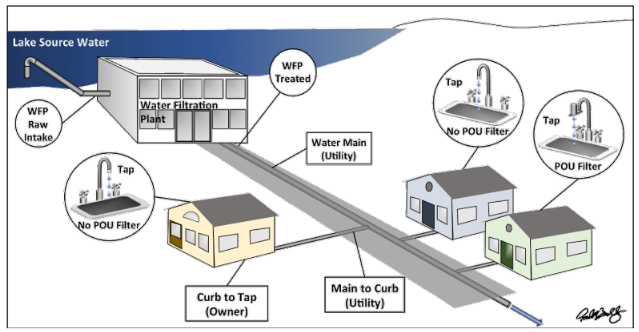
City water systems primarily rely on surface water sources to meet the water needs of densely populated areas. These sources include rivers, lakes, and reservoirs, which serve as vast natural repositories of freshwater. Here’s a detailed explanation of how these surface water sources contribute to the city water supply:
-
Rivers: Rivers are a common source of city water supply. They provide a continuous flow of freshwater, making them a reliable source for urban areas. Water is typically extracted from rivers through intake structures designed to ensure the water’s quality and safety. Once collected, the water undergoes treatment at water treatment plants before distribution to consumers.
-
Lakes: Lakes can also serve as significant sources of city water. They offer large volumes of freshwater, which can be especially advantageous for densely populated regions. Similar to rivers, water from lakes is collected through intake structures, and it is subjected to water treatment processes to meet quality standards.
-
Reservoirs: Reservoirs are artificial water bodies created by damming rivers or streams. They are designed to store large quantities of water for various purposes, including city water supply. Reservoirs provide control over water availability and can ensure a steady supply even during dry seasons. Water from reservoirs is collected from specific locations within the reservoir, treated, and distributed to consumers.
Advantages of Surface Water Sources: Surface water sources offer several advantages for city water supply:
-
Reliable Supply: Rivers, lakes, and reservoirs provide a consistent and reliable supply of freshwater, reducing the risk of water shortages in urban areas.
-
Large Volume: These sources often contain vast quantities of water, ensuring an adequate supply for densely populated regions.
-
Natural Filtration: Surface water undergoes natural filtration processes as it flows through the environment, which can help reduce some contaminants before treatment.
Challenges and Considerations: While surface water sources are valuable, they also come with challenges and considerations:
-
Contamination Risk: Surface water sources can be susceptible to contamination from pollutants, industrial runoff, or agricultural runoff. This requires rigorous water treatment to ensure safety.
-
Environmental Impact: Dams built for reservoirs can have environmental impacts, including altering local ecosystems and habitats. Careful management is necessary to mitigate these effects.
-
Weather-Dependent: Surface water availability can be affected by weather conditions, such as droughts or heavy rainfall. Managing water levels in reservoirs becomes critical during such events.
Infrastructure: City water is delivered to homes and businesses through a sophisticated network of pipes and infrastructure. This extensive system consists of the following key components:
-
Water Treatment Plants:
-
Public Health: The primary objective of water treatment plants is to safeguard public health by removing harmful contaminants from raw water. Ensuring that the water is free from bacteria, viruses, and other pathogens is paramount.
-
Compliance: Water treatment plants operate in adherence to strict water quality standards and regulations set by health agencies. Compliance with these standards is vital to provide safe drinking water to the community.
-
Consistency: Treatment plants ensure that the quality of city water remains consistent, regardless of variations in raw water quality due to weather or environmental factors.
Water Treatment Processes:
Water treatment plants employ several processes to purify raw water effectively. These processes may include:
-
Coagulation and Flocculation: Chemical coagulants are added to raw water to destabilize particles. Flocculation involves gently stirring the water to promote the formation of larger, easier-to-remove particles.
-
Sedimentation: After coagulation and flocculation, water is allowed to sit undisturbed in a sedimentation basin. During this time, larger particles settle to the bottom as sediment.
-
Filtration: Water passes through layers of sand, gravel, and sometimes activated charcoal to remove remaining particles and impurities. Filtration helps ensure clarity and purity.
-
Disinfection: Water is treated with disinfectants like chlorine or chloramine to eliminate harmful microorganisms, such as bacteria and viruses, making the water safe to drink.
-
pH Adjustment: Treatment plants may adjust the pH level of the water to prevent corrosion of distribution pipes and maintain water quality.
-
Fluoridation: In some areas, fluoride is added to water to prevent tooth decay and promote dental health.
-
Testing and Monitoring: Continuous testing and monitoring of water quality are crucial aspects of water treatment. Technicians regularly check various parameters to ensure compliance with safety standards.
Water Distribution:
-
Pipes: A network of underground pipes is the backbone of the water distribution system. These pipes transport treated water from the treatment plant to various parts of the city.
-
Pumping Stations: In cases where the treatment plant is situated at a lower elevation than the distribution area, pumping stations are employed to lift the water and maintain adequate pressure throughout the system.
-
Reservoirs and Tanks: Elevated storage tanks and ground-level reservoirs help regulate water pressure and ensure a continuous supply, especially during periods of high demand.
Key Aspects of Water Distribution:
-
Pressure Maintenance: Maintaining proper water pressure is essential to ensure that water flows consistently through pipes and reaches every building. Inadequate pressure can lead to reduced water flow, causing inconvenience for residents.
-
Distribution Zones: Cities are divided into distribution zones, each served by a specific set of pipes and valves. This zoning allows for efficient maintenance and isolation of issues in a particular area without affecting the entire city.
-
Water Mains: Large-diameter pipes, known as water mains, form the primary arteries of the distribution system. These mains branch into smaller pipes as they approach residential and commercial areas.
-
Service Connections: Service lines connect the distribution pipes to individual homes and businesses. These connections enable water to flow directly into properties for domestic use.
-
Advantages: City water systems offer several advantages, making them a popular choice for urban and suburban areas:
-
Reliable and Consistent Supply: City water systems provide a continuous and dependable water supply. Residents can rely on having access to clean water for their daily needs.
-
Treatment for Contaminants: Water treatment plants rigorously purify city water, removing harmful contaminants and pathogens. This ensures that the water is safe to drink and use for various household purposes.
-
Low Maintenance for Homeowners: Homeowners connected to city water typically have minimal maintenance responsibilities related to the water supply. There is no need for private wells or water treatment equipment.
Drawbacks: While city water systems offer numerous benefits, they also come with certain drawbacks:
-
Monthly Water Bills: City water users are billed for their water consumption on a monthly basis. These bills cover the cost of water treatment, distribution, and maintenance of the infrastructure.
-
Potential for Water Restrictions: During periods of drought or water scarcity, local governments may impose water restrictions to conserve resources. This can affect residents’ ability to use water for non-essential purposes, such as watering lawns or filling swimming pools.
-
Reliance on External Sources: City water systems depend on external water sources, which may be susceptible to contamination, pollution, or shortages. In such cases, the reliability of the water supply can be compromised.
In conclusion, city water systems are a critical part of urban and suburban infrastructure, providing residents with a consistent and treated water supply. While they offer reliability and convenience, users should be prepared for monthly bills and potential water restrictions during challenging environmental conditions. Understanding the source and infrastructure of city water is essential for homeowners and real estate professionals when evaluating properties and assessing water-related factors.