
Laundry applainces
Sizes
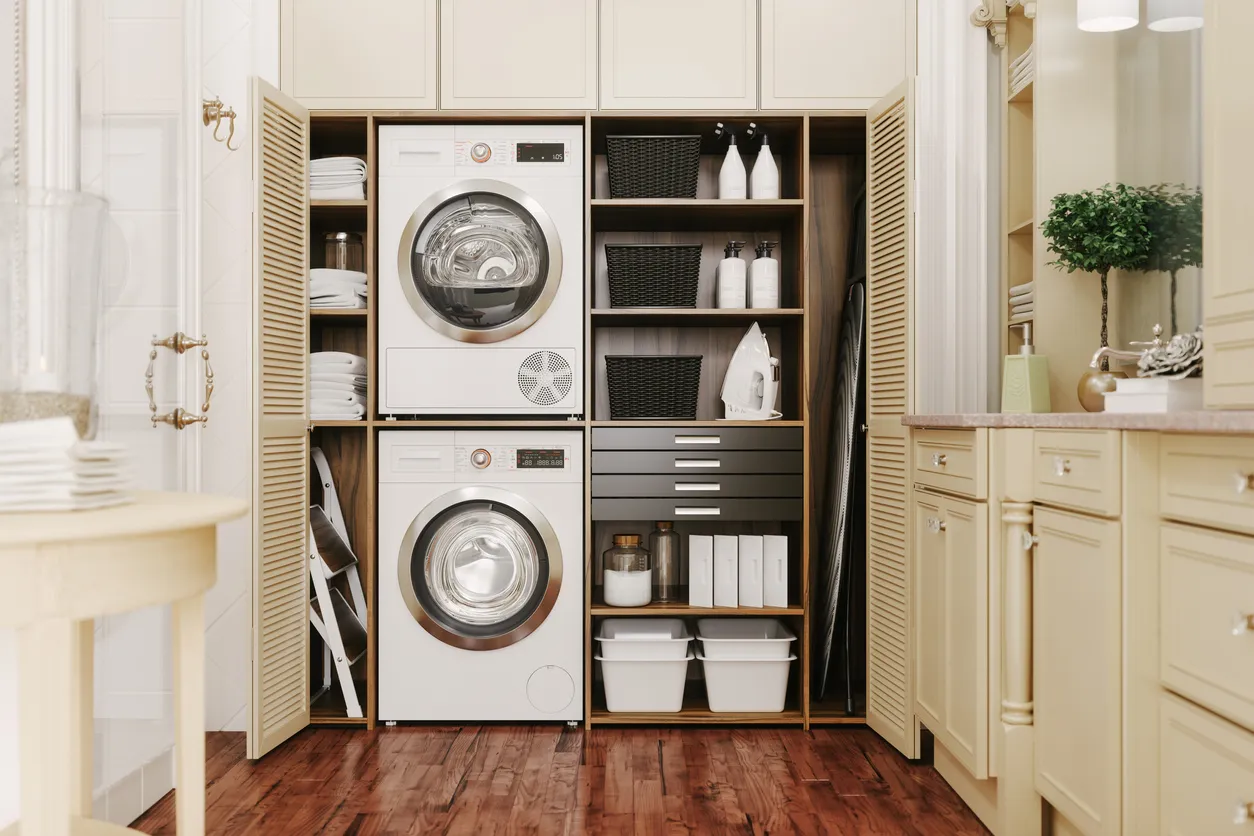
Selecting the right laundry appliances involves a blend of practical considerations and personal preferences, from sizing and capacity to advanced features and brand reputation. Understanding the nuances of what each brand offers, especially when distinguishing between mainstream and luxury options, can significantly impact your decision-making process.
Compact Units (24 inches wide)
Ideal For: Compact washers and dryers are perfect for urban living spaces, such as apartments, condos, and homes with limited laundry room square footage. Their design allows for flexibility in placement, including under-counter installations in kitchens or bathrooms, or even in closets to maximize living space.
Features and Performance: Despite their smaller footprint, many compact models come equipped with the same advanced features found in their larger counterparts. This includes steam functions for deeper cleaning and wrinkle reduction, customizable wash and dry cycles for various fabric types, and energy-efficient operations. The advancement in appliance technology ensures that choosing a compact model doesn’t mean compromising on performance.
Considerations: While compact units are space-saving and feature-rich, their drum capacity is naturally smaller, which may require more frequent laundry loads. This could be a significant consideration for households with more substantial laundry needs or those who prefer doing larger loads less often.
High-Capacity Models (Up to 30 inches wide)
Ideal For: Larger households or those with significant laundry needs will benefit from high-capacity models. The extra width allows for a greater drum size, enabling more clothes to be washed or dried in a single load. This efficiency can be a time-saver for families, especially those with children, or for anyone who accumulates larger laundry loads.
Features and Performance: High-capacity washers and dryers often feature a robust set of advanced options, including multiple wash settings for everything from heavily soiled work clothes to delicate garments, enhanced spin cycles for quicker drying times, and smart connectivity for scheduling and monitoring cycles remotely. The larger size does not compromise on the availability of high-tech features, making these models both powerful and versatile.
Considerations: The primary consideration for high-capacity models is ensuring your space can accommodate them. Additionally, while they offer the convenience of larger loads, they may also consume more water and energy per cycle than compact models, though many are still designed to be efficient. The balance between capacity needs and utility usage is a key factor in deciding if a high-capacity model is right for you.
Mainstream and Luxury Brands
Samsung: A Leader in Smart Laundry Solutions
Samsung has positioned itself as a pioneer in the integration of smart technology within laundry appliances. The brand’s washers and dryers are renowned for features that cater to the tech-savvy consumer while ensuring top-notch fabric care.
-
AddWash and FlexWash: Unique to Samsung, these features allow users to add forgotten items mid-cycle (AddWash) or simultaneously run two different load types with differing wash settings (FlexWash), showcasing Samsung’s commitment to convenience and flexibility.
-
EcoBubble Technology: Samsung’s EcoBubble technology mixes detergent with water and air to create bubbles that penetrate fabrics more effectively, ensuring a deep clean even at lower temperatures, which is both energy-saving and gentle on clothes.
LG: Innovating for Efficiency and Convenience
LG mirrors Samsung in its pursuit of integrating smart technology into laundry appliances, but with unique innovations that set it apart.
-
TurboWash and 6Motion Technology: LG washers utilize TurboWash for quick, efficient cycles and 6Motion technology that combines up to six different wash motions for a revolutionary cleaning experience.
-
TwinWash System: LG’s TwinWash system allows users to wash two loads simultaneously – a larger load in the main washer and a smaller, delicate load in the mini washer below, optimizing time and energy use.
Maytag: Durability Meets Powerful Cleaning
Maytag distinguishes itself with a focus on building durable, high-performance laundry appliances that cater to households with heavy-duty laundry needs.
-
PowerWash System: This system, available in many Maytag washers, combines optimized cleaning action and heated water to fight stubborn stains, making it ideal for families or those with demanding laundry requirements.
-
Extra Power Button: A feature on both washers and dryers, the Extra Power button boosts stain-fighting performance on the washer and helps prevent underdrying by extending the time, heat, and tumbling in the dryer.
Technological Integration and Efficiency
-
Smart Connectivity: Both Samsung and LG excel in offering smart connected features, allowing users to control their appliances via smartphone apps, receive end-of-cycle alerts, and even diagnose issues remotely. Maytag, while more traditionally focused, has begun incorporating smart features into its newer models.
-
Energy and Water Efficiency: Sustainability is a key concern across all three brands, with each offering ENERGY STAR-certified models. Samsung and LG push the envelope with features like EcoBubble and TurboWash, which are designed to maximize efficiency without sacrificing performance. Maytag’s steam settings and deep water wash options also reflect a balance between effective cleaning and environmental consideration.
Luxury Brands: Elevating Fabric Care with Premium Design
Miele: Precision Engineering Meets Sustainable Luxury
Miele’s philosophy in laundry appliances centers around performance, fabric care, and longevity. The brand’s German engineering is evident in every aspect, from the construction of the appliances to the advanced features that set their machines apart.
-
Honeycomb Drum: This unique drum design gently cushions clothes with a thin layer of water during the cycle, significantly reducing wear and tear on fabrics. This feature is particularly beneficial for delicate items, ensuring they maintain their texture and integrity over time.
-
TwinDos System: Miele’s innovative TwinDos system automatically dispenses the optimal amount of detergent and fabric softener at the perfect point in the wash cycle, ensuring maximum cleaning efficiency and fabric care. This precision not only improves cleaning results but also contributes to resource conservation.
-
Eco-Friendly Operations: Beyond their meticulous fabric care, Miele appliances are designed with sustainability in mind. Their washers and dryers are among the most energy-efficient on the market, often exceeding ENERGY STAR standards, which underscores Miele’s commitment to environmental stewardship.
Electrolux: Combining Style with Advanced Fabric Care
Electrolux brings a blend of sleek design and innovative laundry solutions that cater to a discerning clientele who do not want to compromise on either aesthetics or functionality.
-
Specialty Cycles and Steam Options: Electrolux washers offer a wide range of specialized cycles, from steam settings for effective stain removal and wrinkle reduction to cycles designed for specific fabric types, ensuring garments receive the care they need. This focus on customization enhances the overall laundry experience, tailoring it to the unique needs of each household.
-
User-Friendly Design: The attention to detail extends to the user interface, with Electrolux appliances featuring intuitive controls and a modern aesthetic that complements contemporary home designs. The seamless integration of technology and style makes Electrolux a standout choice for those looking to enhance their home’s functionality and visual appeal.
-
Innovative Fabric Care Technologies: Beyond their striking designs, Electrolux appliances are equipped with features like LuxCare Wash System and Perfect Steam
 technology, which together offer unmatched cleaning performance, fabric protection, and efficiency.
Making the Choice: Miele vs. Electrolux
When comparing Miele and Electrolux, the choice often comes down to prioritizing specific aspects of the laundry experience:
-
For unparalleled fabric care and sustainability, Miele’s advanced features like the Honeycomb Drum and TwinDos system offer a compelling proposition, especially for those looking for appliances that will last for decades.
-
For those valuing cutting-edge design and user experience alongside innovative wash and dry capabilities, Electrolux presents an attractive package, blending form and function in a way that enhances modern living spaces.
Making Your Choice
When navigating the landscape of home appliances, particularly laundry machines, the choice between mainstream and luxury brands represents more than just a financial decision; it’s about aligning with one’s lifestyle, values, and priorities in home care. Mainstream brands such as Samsung, LG, and Maytag have carved a niche for themselves by offering a blend of innovation, efficiency, and reliability at price points that appeal to a broad consumer base. These brands are known for integrating smart technology into their appliances, providing users with convenience, energy efficiency, and a suite of features designed to make daily chores less of a burden.
On the other side of the spectrum, luxury brands like Miele and Electrolux offer an experience that transcends the ordinary, focusing not just on the functional aspects of fabric care, but also on the nuances that define premium living. Luxury brands distinguish themselves through exceptional craftsmanship, advanced fabric care technologies that promise to extend the life of garments, and a commitment to sustainability and energy efficiency. Their products often feature sleek designs that complement the aesthetic of high-end homes, making them not just appliances, but integral parts of a carefully curated interior.
Choosing between mainstream and luxury brands involves considering several factors:
-
Budget and Value for Money: Mainstream brands often offer competitive pricing and a solid set of features that cater to the majority of laundry needs. They provide value for money, especially for those who seek reliability and functionality without the need for advanced fabric care options. Luxury brands, while higher in price, invest in the longevity of their appliances, superior performance, and specialized laundry care features that can be seen as a long-term investment in the quality of one’s garments.
-
Laundry Care Needs: For individuals or families with specific laundry care needs, such as delicate fabrics, heavy use, or sustainability concerns, luxury brands may offer tailored programs and features that better meet these requirements. Advanced settings for different fabric types, water and energy efficiency metrics, and build quality can significantly impact the care and lifespan of garments.
-
Design and Integration: For those who view their home as a reflection of their personal style, the design and integration of appliances into the living space become critical factors. Luxury brands often offer more in terms of design aesthetics and the ability to seamlessly integrate into custom kitchens or laundry rooms, enhancing the overall look and feel of the home.
-
Innovation and Smart Features: While mainstream brands are known for incorporating smart features into their appliances, luxury brands also offer innovative technologies aimed at improving usability, fabric care, and environmental sustainability. The choice here depends on which innovations align best with the user’s lifestyle and how much they value the integration of their appliances with smart home systems.
-
After-Sales Service and Support: High-quality after-sales service is crucial for appliance longevity and customer satisfaction. Luxury brands typically offer superior customer service, including installation assistance, comprehensive warranties, and responsive repair services, which can be a deciding factor for those looking for peace of mind in their investment.
Choosing the Right Type and Ventilation Option
-
Front-Loading vs. Top-Loading Washers
Front-Loading Washers are celebrated for their efficiency and performance. They consume less water and energy by tumbling clothes through water instead of filling the drum, making them an eco-friendly choice. This method not only conserves resources but also provides a thorough clean, effectively removing dirt and stains without the need for an agitator, which can be rough on clothes. Additionally, the absence of an agitator means these machines are gentler on fabrics, reducing wear and tear and preserving the quality of your garments. Many front-loading models are designed to be stackable, offering a valuable space-saving solution for homes with limited laundry room space.
However, front-loaders require users to bend down to load and unload laundry, which might be inconvenient for some. They also demand diligent maintenance to prevent mold and mildew buildup around the door seal.
Top-Loading Washers, on the other hand, offer superior ergonomics, allowing easy access to the drum without the need to bend over. They tend to have shorter wash cycles and the flexibility to add clothes mid-cycle. Initially, top-loaders may be more budget-friendly than front-loaders. Nevertheless, they generally use more water and energy, especially models with traditional agitators. The use of an agitator or impeller might also be harsher on clothes, leading to potential damage over time.
Vented vs. Ventless Dryers
Vented Dryers are the traditional choice for many households, employing a straightforward mechanism that heats air and passes it through wet clothes. The moist air is then expelled outside the home through a vent. This method allows for quicker drying times, making vented dryers suitable for families with high laundry volumes.
The primary limitation of vented dryers is the need for external venting. Installation requires a pathway for the vent, which can be a significant constraint in apartments or homes where drilling through external walls is impractical.
Ventless Dryers represent a versatile solution for spaces lacking the capability for external venting. Utilizing either condensation-based systems or heat pump technology, these dryers extract moisture from clothes without the need for an outside vent. Heat pump models, in particular, are noted for their energy efficiency, recycling heat within the drum to dry clothes. This not only conserves energy but also ensures a gentle drying process, reducing the risk of fabric damage and shrinkage.
The main drawback of ventless dryers is their longer drying times compared to vented models. This may require some adjustment in laundry routines, particularly for those accustomed to the quick cycles of vented dryers.