
Panes
Single Pane Windows
1. Single Pane Windows
Construction and Characteristics:
-
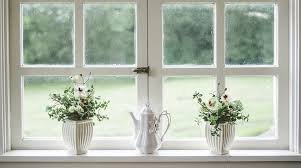
Single Layer of Glass: Constructed with one layer of glass, single pane windows are the simplest form of window insulation. This basic construction makes them readily available and easy to replace or repair. The simplicity of a single glass pane allows for a variety of sizes and shapes, offering flexibility in design for historical or budget-sensitive projects.
-
Minimal Insulation: The singular glass layer provides minimal barrier against external temperature changes and noise. This lack of insulation can lead to increased energy costs due to higher heat loss in winter and heat gain in summer. Single pane windows can also contribute to condensation and frost build-up inside during colder months, as the interior glass surface is more directly affected by outdoor temperatures.
-
Cost: Single pane windows are the most cost-effective option in terms of initial installation and replacement. However, the lower upfront cost is offset by higher energy bills and potential discomfort due to less effective insulation and soundproofing. They are typically recommended for regions with mild climates or for buildings where window insulation is not a critical concern.
-
Energy Efficiency: They have the lowest energy efficiency rating among window types. The lack of multiple glass layers and insulating gas significantly reduces their ability to maintain consistent indoor temperatures. For properties focused on energy conservation and sustainability, single pane windows are less desirable compared to more advanced double or triple pane options.
Ideal Applications:
-
-
Mild Climates: Emphasize that single pane windows are most efficient in regions with minimal temperature fluctuations. These areas require less insulation, making the cost-effectiveness of single pane windows more appealing due to lower heating and cooling demands.
-
Historical Buildings: Detail the importance of preserving the authenticity and architectural integrity of historical buildings. Single pane windows can be crucial in renovation projects where modern windows might detract from the historical aesthetic. It’s also vital to note that some historical preservation societies and local regulations may mandate the use of single pane windows to maintain the building’s original appearance.
-
Drawbacks:
-
Poor Energy Efficiency: Single pane windows are notorious for their inability to insulate effectively, leading to substantial heat loss during colder months and heat gain during warmer months. This inefficiency necessitates increased use of heating and cooling systems, resulting in higher utility bills for homeowners.
-
Noise Transmission: These windows offer minimal reduction in sound transmission from external sources. In urban or noisy areas, this can significantly impact the comfort and tranquility of home interiors, as sounds from traffic, neighbors, and other external activities more easily penetrate single pane glass.
Double Pane Windows
Triple2. Double Pane Windows
-
Construction Method: Detailed Explanation
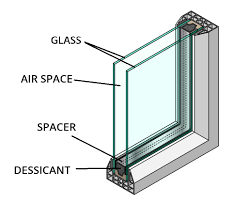
Double pane windows are a hallmark of modern window technology designed to enhance a building’s thermal efficiency. The construction starts with two sheets of glass, each chosen for its thermal properties and durability. These panes are held apart by a spacer, typically made from steel, aluminum, or a composite material, which outlines the perimeter of the window. The spacer contains a desiccant, a material that absorbs moisture, ensuring the air or gas trapped between the panes remains dry.
The gap created by the spacer is meticulously sealed, trapping air or an inert gas like argon or krypton inside. Argon is widely used for its affordability and good thermal insulation properties, while krypton, though more expensive, offers superior insulation in thinner spaces. The choice of gas and the precision in sealing the gap are critical for the window’s performance, as any leakage would diminish its insulating effectiveness.
Why It Works: The Science Behind
The efficacy of double pane windows lies in their ability to limit heat transfer. Traditional single pane windows do little to prevent heat from escaping or entering a building, leading to higher energy use. The sealed air or gas layer in double pane windows acts as an insulating barrier. Since air and inert gases are poor conductors of heat, they significantly slow down heat transfer. This physical property is why double pane windows can keep interiors warmer in the winter and cooler in the summer, compared to their single pane counterparts.
Historical Switch: Context and Evolution
The transition to double pane windows gained momentum in the latter half of the 20th century, driven by escalating energy prices and advancements in window manufacturing technologies. This period marked a turning point in building construction, where energy efficiency became a paramount concern, spurred by both economic and environmental awareness. The development and adoption of double pane windows were integral in this shift, offering a solution that significantly reduced energy consumption for heating and cooling, aligning with broader trends towards sustainable building practices.
Keeping Heat In vs. Out: Thermal Dynamics
The principle behind the seasonal performance of double pane windows is rooted in thermal dynamics. In winter, the interior glass pane absorbs indoor heat and radiates it back into the room, minimizing heat loss. The exterior pane, colder from outside temperatures, contributes to a temperature gradient that further impedes heat transfer. In summer, the process inverses, with the exterior pane reflecting or absorbing external heat and the inert gas layer preventing that heat from warming the interior pane. This dynamic balance ensures that indoor temperatures remain more stable, regardless of outdoor conditions, enhancing comfort and reducing reliance on heating and cooling systems.
Ideal Applications:
-
-
Moderate to Cold Climates: In areas with wide temperature ranges between seasons, double pane windows excel by providing superior thermal insulation. This capability is crucial for maintaining comfortable indoor temperatures and reducing the reliance on heating systems during cold months. Their design minimizes heat loss from the inside, making them a strategic choice for energy conservation and cost savings in regions facing harsh winters.
-
Noise Reduction: Double pane windows are also advantageous in urban or noisy environments. The airspace between the glass panes acts as a buffer against sound, effectively reducing the penetration of external noises into the home. This sound insulation feature is particularly beneficial for residential areas near busy streets, airports, or industrial zones, where reducing ambient noise is essential for creating a peaceful and quiet indoor atmosphere.
-
Benefits:
-
Cost-Effectiveness: Double pane windows strike an optimal balance between affordability and energy efficiency, contributing to their status as the most commonly selected window type for both residential and commercial constructions. This popularity is due to their ability to significantly improve thermal performance without the higher costs associated with more advanced window technologies.
-
Reduced Condensation: The inert gas fill between the panes in double pane windows lowers the risk of condensation forming on the interior surfaces of the glass. This feature is critical for preventing the adverse effects of moisture accumulation, such as mold growth and water damage, enhancing the window’s durability and the building’s overall health.
-
Widespread Use: Their widespread adoption can be attributed to these windows’ effectiveness in enhancing a building’s thermal efficiency, their role in reducing energy costs, and their ability to improve the living environment by controlling condensation and providing better sound insulation.
Triple Pane Windows
3. Triple Pane Windows
Construction and Characteristics:
-
-
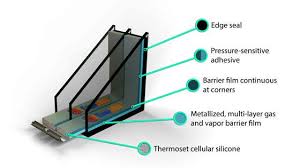
Three Layers of Glass: The defining feature of triple pane windows is their three layers of glass. These layers are typically sandwiched together within the window frame, creating two separate cavities or spaces in between the glass panes. These spaces can be filled with either air or insulating gases, such as argon or krypton. The use of three glass layers and these insulating cavities is essential for their enhanced thermal performance.
-
Enhanced Insulation: The primary purpose of having three layers of glass and two insulating spaces is to reduce heat transfer. Heat transfer can occur through conduction, convection, and radiation. Triple pane windows excel in reducing all three types of heat transfer:
-
Conduction: The multiple glass layers act as barriers to heat conduction. Glass is not a good conductor of heat, so the extra layers impede heat transfer from the warm interior to the cold exterior and vice versa.
-
Convection: The air or gas-filled spaces between the glass panes create a buffer against heat loss or gain through convection. These gases are poor conductors of heat, further reducing the movement of warm or cold air between the inside and outside of the building.
-
Radiation: Triple pane windows also diminish heat transfer through radiation. The additional glass layers reflect and absorb some of the radiant heat, preventing it from escaping or entering the building.
-
-
Superior Energy Efficiency: Triple pane windows are renowned for their outstanding energy efficiency. Their ability to minimize heat transfer results in several benefits:
-
Reduced Energy Costs: Because they are excellent at maintaining indoor temperatures, triple pane windows can significantly reduce heating and cooling costs. In cold climates, they prevent heat loss, while in hot climates, they block the entry of outdoor heat.
-
Improved Comfort: These windows help maintain a more consistent indoor temperature, reducing cold drafts in the winter and heat infiltration in the summer. This leads to increased comfort for occupants.
-
Environmental Benefits: Lower energy consumption means a smaller carbon footprint, making triple pane windows an environmentally friendly choice for those seeking to reduce their overall energy consumption.
-
Sound Insulation: In addition to thermal benefits, triple pane windows also offer superior sound insulation. The multiple layers of glass and the insulating gases help reduce outside noise, creating a quieter indoor environment.
-
-
Ideal Applications:
-
-
Extreme Climates: Triple pane windows are ideal for regions with extreme climates, whether extremely cold or hot. Here’s how they excel in such environments:
-
Cold Climates: In frigid winter conditions, triple pane windows shine by keeping the cold air out and maintaining a warmer indoor temperature. They significantly reduce heat loss, preventing condensation on the inner glass surface, and help create a cozy and energy-efficient environment. Homeowners in cold climates benefit from lower heating bills and improved comfort.
-
Hot Climates: In scorching summer climates, triple pane windows play a crucial role in blocking unwanted heat from entering the building. The extra layers and insulating gases prevent heat transfer, reducing the need for air conditioning and lowering cooling costs. This is especially beneficial in regions with long and hot summers, helping maintain a cooler and more comfortable indoor space.
-
-
High Noise Reduction Needs: Triple pane windows are also excellent at reducing outdoor noise, making them a top choice for areas with substantial noise pollution:
-
Near Airports: Homes or buildings located near airports are subjected to constant aircraft noise. Triple pane windows significantly attenuate the sound of overhead flights, making the indoor environment quieter and more peaceful.
-
Busy Streets: Properties situated along busy streets or in urban centers often experience high levels of traffic noise. Triple pane windows help minimize the impact of sirens, honking horns, and other street noises, creating a more serene indoor atmosphere.
-
Urban Areas: In densely populated urban areas, the sounds of city life, such as car traffic, construction, and pedestrian activity, can be disruptive. Triple pane windows provide an effective sound barrier, allowing residents to enjoy a quieter living space.
-
Privacy: Beyond noise reduction, triple pane windows also offer increased privacy due to their thicker construction. They make it harder for outsiders to see or hear what’s happening inside, enhancing the overall sense of privacy and security.
-
-
Benefits:
-
Maximum Energy Savings: One of the primary benefits of triple pane windows is their exceptional energy efficiency. While they are more expensive to purchase and install compared to single or double pane windows, they provide substantial long-term energy savings. These windows significantly reduce heat transfer, leading to lower heating and cooling bills. Over time, the energy savings can outweigh the initial investment, making them a cost-effective choice for energy-conscious homeowners.
-
Increased Comfort: Triple pane windows help maintain a consistent indoor temperature throughout the year. They keep cold drafts out during the winter and block unwanted heat during the summer, resulting in enhanced comfort for occupants. Rooms with triple pane windows often feel more comfortable and are less prone to temperature fluctuations.
Drawbacks:
-
Higher Cost: The most significant drawback of triple pane windows is their higher upfront cost. The additional glass layers, insulating gas fills, and more complex manufacturing process make them more expensive than traditional windows. While they offer energy savings in the long run, the initial investment can be a deterrent for some homeowners, especially those on a tight budget.
-
Weight: Triple pane windows are heavier than single or double pane windows due to the added layers of glass and insulating gases. This extra weight may necessitate stronger window frames and support structures. If your existing window frames are not designed to bear this weight, it might require additional structural reinforcement during installation, potentially adding to the overall cost of the project.
-
Reduced Light Transmission: With an extra layer of glass, triple pane windows may allow slightly less natural light into a room compared to single or double pane windows. While the difference is often minimal, it’s worth noting for spaces where maximizing natural light is a priority.
-
Limited Aesthetic Options: Triple pane windows may have fewer aesthetic customization options compared to other types of windows. The added layers of glass and gas fills can limit design choices, such as frame colors and profiles, which could be a consideration for homeowners with specific design preferences.