
Refrigerators
Top-Freezer Refrigerators
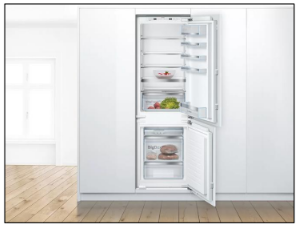
Historical Design Evolution
-
Origins: The top-freezer refrigerator design harks back to the early days of electric refrigerators in the 20th century. Initially, the concept of refrigeration itself was a luxury, with the freezer compartment introduced as a small section within the larger refrigerator unit. Over time, as refrigeration technology evolved, the freezer section expanded, leading to the distinct top-mounted freezer design.
-
Design Philosophy: The design philosophy behind the top-freezer layout was grounded in practicality and efficiency. Placing the freezer at the top leveraged the natural tendency of cold air to fall, helping maintain consistent temperatures in the refrigerator section below with less energy.
Features Specific to Top-Freezer Refrigerators
-
Freezer Accessibility: The top-mounted freezer offers direct, eye-level access to frozen goods, a design consideration that, historically, was seen as advantageous for the frequent use of ice trays and frozen foods when these appliances first gained popularity.
-
Simplicity in Cooling Technology: Top-freezer models traditionally employ a single compressor and fan system, with cold air generated in the freezer compartment and directed down into the refrigerator compartment. This straightforward cooling mechanism contributes to the model’s energy efficiency and reliability.
Unique Reasons for Their Enduring Popularity
-
Cost-Effectiveness: Historically and into the present, top-freezer refrigerators have remained among the most affordable options. Their enduring design, fewer electronic components, and mechanical simplicity make them less expensive to produce and purchase.
-
Energy Efficiency: Top-freezer models have consistently ranked high in energy efficiency ratings. Their design inherently requires less energy to maintain the desired temperature gradient between the freezer and refrigerator sections, a factor that has contributed to their longevity in the market.
-
Durability and Reliability: The design simplicity of top-freezer refrigerators results in fewer moving parts and less complexity in their cooling systems. This simplicity translates into greater durability and reliability, with many units lasting well beyond a decade of use.
Specific Considerations and Use Cases
-
Ideal for Small Spaces and Budget-Conscious Consumers: The compact footprint of top-freezer refrigerators makes them a favorite for small kitchens, apartments, and secondary storage solutions in garages or basements. Their affordability also appeals to budget-conscious consumers and those who value straightforward functionality without the need for advanced features.
-
Preference in Certain Markets: In various global markets, particularly where kitchen space is at a premium or where consumer preferences lean towards simpler appliance solutions, top-freezer models continue to outsell more complex designs. Their straightforward use and maintenance align with a wide range of consumer lifestyles and preferences.
Bottom-Freezer Refrigerators
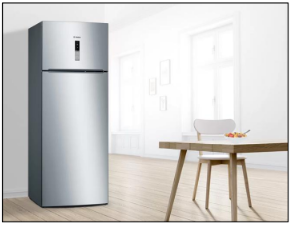
Ergonomic Design
-
Easy Access: By situating the refrigerator compartment at eye level, bottom-freezer models address a common pain point with traditional designs: the need to bend or stoop to access fresh food items. This design philosophy places fresh produce, dairy, and beverages within easy reach, aligning with the daily usage patterns of most households.
Enhanced Organization and Storage
-
Pull-Out Drawer Freezer: The freezer compartment in bottom-freezer refrigerators typically comes in the form of a pull-out drawer, often with dividers or baskets for organized storage. This setup allows for better visibility and access to frozen items, reducing the likelihood of food being forgotten or buried at the back of the freezer.
-
Larger Freezer Compartments: Compared to top-freezer models, bottom-freezers often allocate more space to the freezer compartment. This expanded storage is beneficial for bulk shoppers or those who like to keep a variety of frozen goods on hand.
Technological and Design Features
-
Variable Temperature Zones: Many bottom-freezer refrigerators come equipped with variable temperature zones within the refrigerator compartment, allowing for the customization of storage conditions for different types of food, further extending their freshness.
-
Sleek Aesthetics: Bottom-freezer models are frequently designed with modern aesthetics in mind, featuring clean lines, high-quality materials, and finishes that complement contemporary kitchen designs. Their modern appearance, combined with the practical layout, makes them a popular choice for kitchen renovations and new builds.
Considerations for Selection
-
Space Requirements: While the pull-out freezer drawer is convenient, it requires adequate clearance in front of the refrigerator to fully extend. This spatial consideration is crucial in tighter kitchen layouts or where an island may limit the space in front of the refrigerator.
-
Energy Efficiency: Bottom-freezer refrigerators are generally efficient, but models vary in their energy use. Prospective buyers should look for Energy Star-rated appliances that offer the best operational savings over time.
-
Price Point: Typically, bottom-freezer refrigerators are priced higher than their top-freezer counterparts due to their added convenience features and larger size. However, the investment can be justified by the ergonomic benefits and the efficient use of space they offer.
Best Fit For
-
Frequent Users of Fresh Produce: The design of bottom-freezer refrigerators caters to those who prioritize fresh food storage, making it an excellent choice for vegetarians, culinary enthusiasts, or families striving for a healthier diet.
-
Those Seeking Kitchen Efficiency: For users looking to minimize physical strain and improve kitchen workflow, the bottom-freezer design offers ergonomic advantages, reducing the need to bend and making it easier to organize and access both fresh and frozen foods.
Side-by-Side Refrigerators
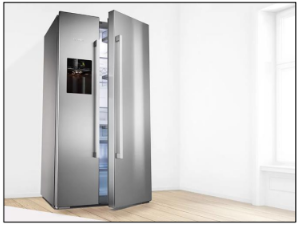
Storage and Organization
-
-
Equal Space Distribution: Unlike the traditional top or bottom freezer models, side-by-side refrigerators offer nearly equal space for both the refrigerator and freezer sections. This layout is particularly advantageous for households that store as much frozen food as they do fresh.
-
Customizable Shelving: Many side-by-side models feature adjustable shelving and multiple door bins in both sections, allowing for a highly customizable storage setup. This flexibility makes it easier to organize items by type or usage frequency, enhancing overall kitchen efficiency.
Technological Enhancements
-
Through-the-Door Ice and Water Dispensers: A hallmark of side-by-side refrigerators, these dispensers provide convenient access to chilled water and ice without the need to open the freezer door, helping to conserve energy. Advanced models may also offer filtered water, ice shape options, and precise fill features.
-
Smart Technology Integration: Modern side-by-side refrigerators often come equipped with smart technology features, including Wi-Fi connectivity for remote monitoring and control, alerts for open doors or filter changes, and even integration with voice-controlled smart home systems.
Design and Aesthetic Appeal
-
Sleek Profile: The vertical design of side-by-side refrigerators lends itself to a sleek and modern aesthetic that can seamlessly integrate into a variety of kitchen styles. The balanced look of the dual compartments also contributes to a symmetrical and organized kitchen appearance.
-
Finish and Color Options: Available in a range of finishes, including stainless steel, black stainless steel, and custom panel-ready options, side-by-side refrigerators can be chosen to complement or enhance kitchen decor.
Space Considerations
-
Narrower Shelves: While the side-by-side design offers easy access to both compartments, it also results in narrower shelves, especially in the freezer. This may require more thoughtful organization of frozen goods and could limit storage of wider items.
-
Door Swing Space: The dual-door design requires space in front of the refrigerator for both doors to swing open. In smaller kitchens or tightly configured spaces, this could pose a challenge and should be considered when planning your kitchen layout.
Best Fit For
-
Families and Frequent Cooks: The balanced storage and easy access make side-by-side refrigerators ideal for families or individuals who cook often and maintain a substantial stock of both fresh and frozen foods.
-
Those Seeking Convenience Features: The integrated water and ice dispensers, along with smart technology capabilities, cater to those looking for convenience and modern amenities in their kitchen appliances.
-
French Door Refrigerators
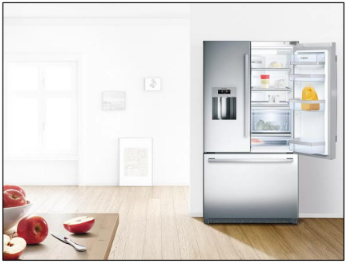
Spacious Interior and Flexible Storage
-
Wide Refrigeration Section: The design of French door refrigerators maximizes the usable space within the refrigeration area, offering wide shelves and multiple storage bins that can easily accommodate large platters, bulky grocery items, and more. This is particularly beneficial for those who entertain frequently or manage large family meals.
-
Adjustable and Split Shelves: Many models feature adjustable and split shelving options, allowing users to customize the interior layout based on their specific storage needs. This flexibility is ideal for storing tall items or creating dedicated zones for different food types.
Enhanced Access and Efficiency
-
Dual Door Design: The French door configuration minimizes door swing space, making it easier to access fridge contents in tighter kitchen layouts. This design feature ensures that only one side of the refrigerator needs to be opened at a time, reducing cold air loss and improving energy efficiency.
-
Bottom Freezer Drawer: The pull-out freezer drawer provides organized storage for frozen goods, often featuring separate compartments or baskets for categorization. This layout keeps frozen items accessible while prioritizing refrigerated goods at eye level.
Innovative Features and Smart Technology
-
Through-the-Door Amenities: Similar to side-by-side models, some French door refrigerators offer through-the-door ice and water dispensers, combining convenience with the sophisticated design of French doors. Advanced filtration systems ensure the water and ice are clean and fresh-tasting.
-
Smart Connectivity: Integration with Wi-Fi and smart home systems allows for remote monitoring and control of the refrigerator. Features might include alerts for open doors, the ability to adjust temperatures from a smartphone, and compatibility with voice assistants for hands-free operation.
Design and Aesthetic Flexibility
-
Sleek and Modern Look: French door refrigerators are often designed with a focus on sleek lines and modern finishes, such as stainless steel, black stainless steel, and custom panel options for a built-in look that can seamlessly integrate into any kitchen design.
-
Interior Lighting and Visibility: Enhanced LED lighting illuminates the refrigerator’s interior more effectively than traditional lighting, improving visibility and creating an inviting display of the contents.
Considerations for Selection
-
Kitchen Layout and Space: While the French door design is space-efficient regarding door swing, the appliance’s width and depth should be considered to ensure it fits seamlessly into the kitchen layout without obstructing traffic flow or counter space.
-
Price Point: French door refrigerators are typically positioned at a higher price point compared to other types due to their size, design, and advanced features. However, the investment can offer significant value in terms of convenience, energy efficiency, and kitchen aesthetics.
Best Fit For
-
Busy Households and Entertainers: The spacious interior and easy access to both refrigerated and frozen items make French door refrigerators ideal for households that cook and entertain frequently, offering ample storage and efficient organization for all types of food items.
-
Those Seeking a Kitchen Focal Point: With their elegant design and advanced features, French door refrigerators can serve as
a standout feature in any kitchen, combining practicality with luxury to enhance both the functionality and style of the space.
Compact/Under-Counter Refrigerators
Types and Functions
-
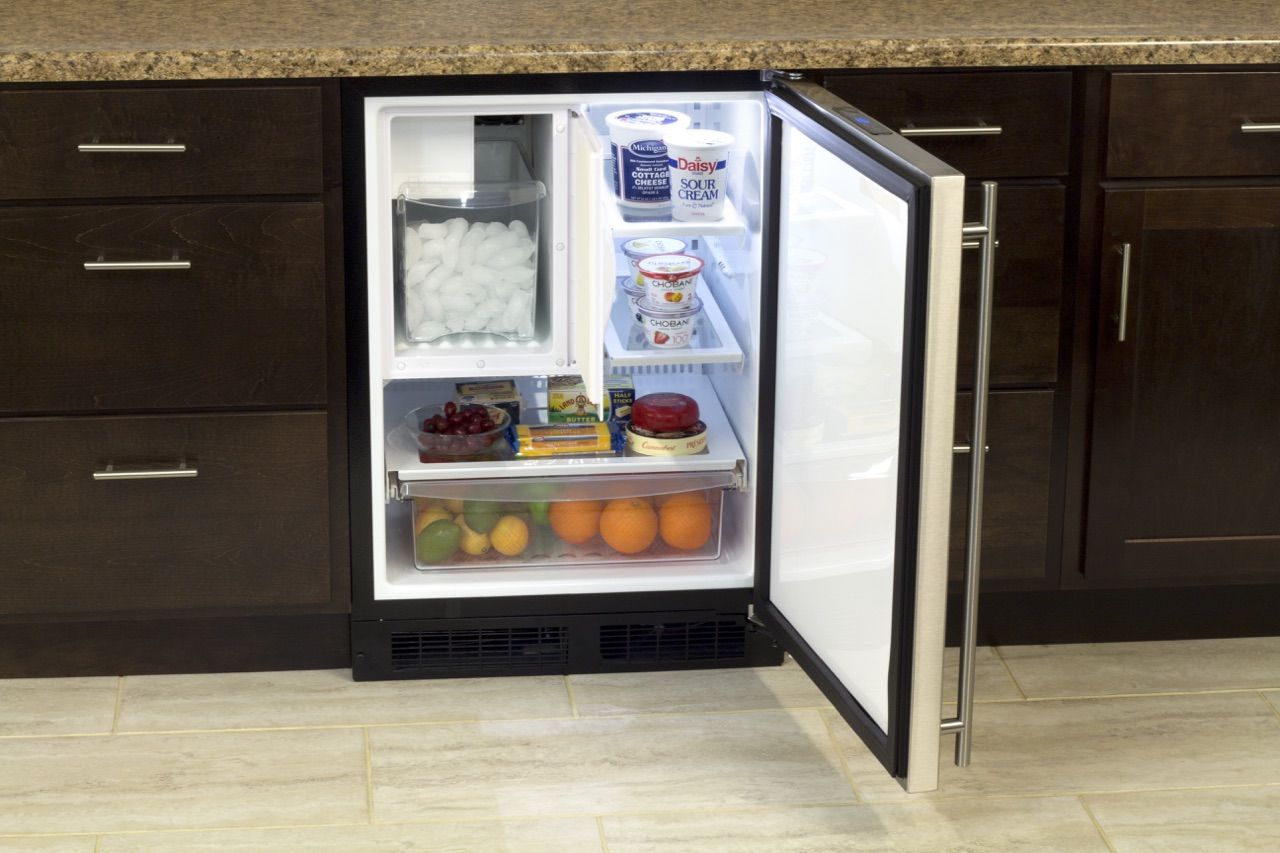
Beverage Centers: Designed primarily for storing drinks, beverage centers are equipped with shelving and racks optimized for cans, bottles, and sometimes even wine. They maintain temperatures that are ideal for ready-to-serve drinks.
-
Drawer Refrigerators: Offering a sleek and integrated look, drawer refrigerators slide out from under the counter, providing easy access to contents without the need to bend down. These are particularly useful for storing fresh produce or beverages in an organized manner.
-
Wine Coolers: Tailored for wine enthusiasts, wine coolers offer features like precise temperature controls, dual temperature zones for different wine types, and vibration isolation to protect the integrity of the wine.
-
Ice Makers: While not refrigerators in the traditional sense, built-in under-counter ice makers complement compact refrigeration setups, especially in entertainment spaces or home bars, providing a steady supply of ice without taxing the freezer’s ice-making capacity.
Design Integration
-
Seamless Aesthetics: Many compact and under-counter units come with panel-ready designs, allowing them to be fitted with custom cabinetry panels that match the rest of the kitchen or entertainment space, offering a seamless look.
-
Flexible Installation: These refrigerators can be installed in various areas, including kitchen islands, home bars, and even outdoor kitchens, making them incredibly versatile. Their compact size allows for creative uses in spaces that wouldn’t accommodate a full-size refrigerator.
Technological Features
-
Smart Technology: Some high-end models include smart features, such as temperature alerts, energy-saving modes, and even Wi-Fi connectivity for remote monitoring and adjustments, adding a layer of convenience and efficiency.
-
Energy Efficiency: Compact and under-counter refrigerators are designed to be energy-efficient, with many models boasting Energy Star certification. This efficiency is especially beneficial in appliances that are meant to operate continuously, like wine coolers.
Best For
-
Space-Constrained Environments: Ideal for small apartments, tiny homes, or as a secondary storage solution in large homes where the main refrigerator is frequently accessed for meal preparation.
-
Specialized Storage Needs: Perfect for those who require specific storage conditions for wine, beverages, or specialty ingredients that may not be adequately accommodated by a standard refrigerator.
-
Design-Conscious Homeowners: Individuals looking to maintain a certain aesthetic in their living spaces will find that compact and under-counter refrigerators offer both style and substance, blending functionality with sleek design.
Technological Advancements
Energy Efficiency and Environmental Sustainability
-
Inverter Compressor Technology: Modern refrigerators utilize inverter compressors that dynamically adjust cooling output based on internal temperature demand. This modulation significantly reduces energy consumption and operational noise compared to traditional compressors.
-
Improved Insulation and LED Lighting: Advances in insulation materials have enabled thinner, more efficient walls, maximizing interior space without compromising energy efficiency. LED lighting further reduces energy use while providing bright, even illumination across compartments.
-
Solar-Powered Refrigeration: Embracing renewable energy, some refrigerators can now operate on solar power. These models are exceptionally energy-efficient, designed to work in off-grid settings or reduce household energy costs and carbon footprint.
Advanced Food Preservation Technologies
-
Dual Cooling Systems: Separate cooling circuits for the refrigerator and freezer compartments prevent air exchange, reducing freezer burn and preserving the freshness and nutritional value of refrigerated items.
-
Ethylene Absorption and Precise Humidity Control: Specialized filters absorb ethylene gas emitted by fruits and vegetables, slowing down the ripening process. Adjustable humidity drawers maintain optimal conditions for various types of produce, extending their shelf life.
Smart Connectivity and User-Centric Features
-
Wi-Fi Connectivity and App Integration: Refrigerators with built-in Wi-Fi connect to smartphone apps, allowing users to monitor temperature settings, receive maintenance alerts, and even view the contents via internal cameras, facilitating efficient grocery shopping.
-
Voice Control and Smart Home Integration: Compatibility with voice assistants like Amazon Alexa and Google Assistant offers hands-free control over refrigerator settings, integrating seamlessly into the smart home ecosystem.
-
Touchscreen Interfaces and Internal Cameras: Equipped with external or internal touchscreens, smart refrigerators serve as digital hubs, displaying calendars, streaming media, and even facilitating grocery orders directly from the fridge door. Internal cameras offer a peek inside without opening the door, saving energy and time.
Design Innovations and Specialized Functions
-
Convertible Compartments: Flexibility is at the forefront with compartments that can switch between refrigerator and freezer modes, offering customizable storage solutions based on immediate needs or seasonal changes.
-
Antibacterial Coatings and Air Purification: To ensure the health and safety of stored food, some models feature antibacterial interior coatings and air purification systems that neutralize odors, bacteria, and mold spores.
-
Zero-Clearance Hinges and Panel-Ready Designs: For those seeking a streamlined kitchen aesthetic, zero-clearance hinges and panel-ready options allow for flush installation with cabinetry, offering a cohesive look without sacrificing functionality.
-
Water and Ice Dispensers with Advanced Filtration: Through-the-door dispensers provide filtered water and ice, with some models offering sparkling water options. Advanced filtration systems remove impurities, ensuring clean and fresh-tasting hydration.
Mainstream Brands
LG and Samsung: Leading the Charge with Smart Innovations
LG has pushed the boundaries of conventional refrigeration with its InstaView Door-in-Door technology, a clear manifestation of how smart features can converge with energy efficiency to produce a refrigerator that’s both innovative and practical. The ability to glance inside the refrigerator without opening the door not only reduces energy consumption by minimizing cold air loss but also exemplifies LG’s commitment to combining convenience with savings. Moreover, LG’s integration of smart diagnostics and Wi-Fi connectivity enhances the user experience by simplifying appliance management, ensuring that these high-tech features contribute to both the appliance’s reliability and its operational affordability.
Samsung elevates the concept of the smart kitchen with its lineup of refrigerators equipped with large touchscreen interfaces and internet connectivity. These refrigerators act as central hubs for household management, capable of streamlining grocery shopping, enhancing entertainment, and integrating seamlessly with other smart home devices. Samsung’s approach to smart refrigeration emphasizes not just the novelty of having a connected appliance but the tangible benefits it offers in terms of convenience, energy savings, and food management, all of which play into the brand’s value proposition of affordability and reliability over time.
Whirlpool and GE Appliances: Emphasizing Sustainability and Connectivity
Whirlpool has honed in on sustainability with technologies like adaptive defrost and Accu-Chill, which underscore the brand’s commitment to energy efficiency. These features not only optimize the refrigerator’s operation to match actual usage patterns, thereby reducing unnecessary energy consumption, but also ensure that food is preserved under optimal conditions, extending freshness and minimizing waste. Whirlpool’s focus on combining innovative features with energy savings reflects a broader trend towards appliances that are designed to be both eco-friendly and cost-effective for consumers.
GE Appliances integrates smart technology with a focus on enhancing the user experience through Wi-Fi connectivity and remote management capabilities. By allowing users to monitor and control their refrigerator from anywhere, GE Appliances not only brings convenience to the forefront but also aids in maintaining the appliance’s efficiency and reliability over time. This connectivity, coupled with the brand’s reputation for durable construction, ensures that GE refrigerators are both a smart and safe investment for consumers looking for reliable, modern kitchen solutions.
Electrolux and Bosch: Precision, Efficiency, and Elegant Design
Electrolux refrigerators are characterized by their meticulous design and focus on precision cooling. Features like custom temperature controls and flexible storage options ensure that food is preserved in optimal conditions, enhancing the appliance’s efficiency and reliability. The brand’s emphasis on sleek, modern aesthetics, combined with its innovative preservation technologies, positions Electrolux as a choice for consumers seeking high-quality, efficient appliances that blend seamlessly into contemporary kitchens.
Bosch stands out for its engineering precision and commitment to efficiency, with features like the VitaFresh technology, which maintains ideal conditions for fresh produce, thereby extending food’s shelf life and reducing waste. Bosch’s refrigerators are also noted for their quiet operation, an essential attribute for open-plan homes where appliance noise can be intrusive. This focus on creating appliances that are both technologically advanced and sensitive to the living environment underscores Bosch’s holistic approach to affordability and reliability.
Luxury Brands
Sub-Zero, Miele, and Liebherr represent the pinnacle of luxury in the home appliance industry. These brands are characterized by their superior build quality, bespoke design options, and advanced technology aimed at preserving food at optimal conditions for longer periods. Luxury brands often offer models with integrated panels that can match your kitchen cabinetry, providing a seamless and elegant aesthetic. Commercial-grade components and unique cooling systems ensure precise temperature management, essential for gourmet cooking and wine storage.
-
Sub-Zero: The Gold Standard in Food Preservation
Sub-Zero sets the benchmark for luxury refrigeration with its unparalleled focus on extending the freshness and longevity of food. Its patented dual-compressor system allows for separate, optimized climates in the refrigerator and freezer compartments, preventing odor transfer and freezer burn. Sub-Zero’s commitment to quality is evident in its use of high-grade materials and craftsmanship, ensuring durability and timeless design. The brand’s built-in and integrated models offer seamless kitchen integration, embodying the essence of luxury design. However, the sophistication and high-end materials contribute to a premium price point, and the advanced features may require professional installation and maintenance, making it a significant investment.
Thermador: Customizable Luxury for the Culinary Enthusiast
Thermador specializes in providing a tailored refrigeration experience with its Freedom
 Collection, allowing for complete customization of size, layout, and features to fit any kitchen design or culinary need. This brand is known for its innovation, such as the use of delicate produce bins that adjust humidity and temperature to the specific requirements of the contents. Thermador refrigerators are a testament to luxury and functionality, designed to cater to the needs of serious cooks and entertainers. The high cost of customization and the requirement for specific cabinetry work can be seen as drawbacks for those on a tighter budget or with less flexibility in kitchen design.
Viking: Robust Performance with Professional Aesthetics
Viking refrigerators deliver the performance and look of a commercial kitchen with the durability to match. Known for their powerful cooling systems and robust construction, Viking appliances are designed to handle the demands of heavy use, making them ideal for those who love to cook and entertain frequently. The professional-grade aesthetic of Viking refrigerators, however, may not blend as seamlessly into all kitchen designs, particularly those with a more modern or minimalist vibe. Additionally, the premium for the Viking brand name and professional capabilities may not align with the priorities of all luxury appliance shoppers.
Miele: Precision Engineering and Sustainability
Miele stands out in the luxury appliance market for its precision engineering and commitment to sustainability. Miele refrigerators offer features like dynamic cooling, user-friendly controls, and energy-efficient operations, all wrapped in a sleek, European design. The brand’s focus on creating appliances that are both environmentally friendly and elegantly designed appeals to a discerning clientele. However, Miele’s pricing reflects its high-end positioning and engineering, and the brand’s emphasis on compact, efficient design may not meet the needs of those looking for larger, American-style refrigeration units.
Key Differences in Mainstream & luxury brands
Key Differences
Price: The Cost of Innovation vs. The Value of Practicality
-
Luxury Brands: The higher price tags of luxury refrigerators are justified by the incorporation of avant-garde technologies, premium materials like stainless steel and glass, and the meticulous craftsmanship that goes into each unit. These brands are often viewed as status symbols, offering exclusivity and prestige beyond mere refrigeration.
-
Mainstream Brands: Aim to deliver the best possible combination of features and reliability at a price point that’s accessible to a broader audience. Innovations are designed to improve everyday usability and efficiency, such as energy-saving functions and flexible storage solutions, offering significant value without the luxury premium.
Customization and Design: Tailored Elegance vs. Universal Appeal
-
Luxury Brands: Excel in providing bespoke solutions that cater to high-end kitchen designs, from custom finish options to unique configurations that fit specific spaces or aesthetic visions. This level of personalization allows for a refrigerator that not only performs flawlessly but also complements the homeowner’s design ethos.
-
Mainstream Brands: Focus on producing appliances that fit a wide range of kitchen styles, with contemporary designs that are attractive yet more uniform. While customization options are more limited, these brands ensure their products are versatile enough to suit most kitchen decors, balancing style with widespread appeal.
Technology and Innovation: Pioneering Features vs. Everyday Convenience
-
Luxury Brands: Often lead the market in introducing pioneering refrigeration technologies, such as biofresh systems that keep food fresher longer, sophisticated wine preservation features, or integrated touch screens for managing both the appliance and connected home devices. These innovations cater to specific, refined tastes and lifestyles.
-
Mainstream Brands: Implement practical and impactful technologies aimed at enhancing the user experience for a wide audience, such as frost-free operation, efficient cooling systems, and user-friendly interfaces for temperature control. While they may adopt trends set by luxury brands, the focus remains on broad usability and improving daily life.
Durability and Build Quality: Craftsmanship vs. Competence
-
Luxury Brands: The construction of luxury refrigerators emphasizes longevity and superior performance, with brands often using components and materials rated for commercial use or above. The expectation is not just premium appearance but also that the appliance will withstand the test of time with minimal maintenance.
-
Mainstream Brands: While still focused on quality, these refrigerators are designed with cost-effective production in mind, balancing high-quality standards with materials and components that keep the end product affordably priced. The result is reliable performance that meets the needs of average households without the premium cost.
Sustainability and Efficiency: Eco-Leadership vs. Eco-Consciousness
-
Luxury Brands: Push the envelope in environmental sustainability, offering features like ultra-efficient cooling systems, reduced greenhouse gas emissions, and models that boast superior energy ratings. This commitment to eco-friendly innovation aligns with the values of a clientele willing to invest in sustainability at a premium.
-
Mainstream Brands: Also prioritize energy efficiency, reflecting a growing consumer demand for appliances that help reduce utility bills and environmental impact. While advancements may not be as cutting-edge as those found in luxury models, significant strides have been made to ensure mainstream refrigerators are both energy-efficient and affordable.