
Septic
Septic
Septic Systems
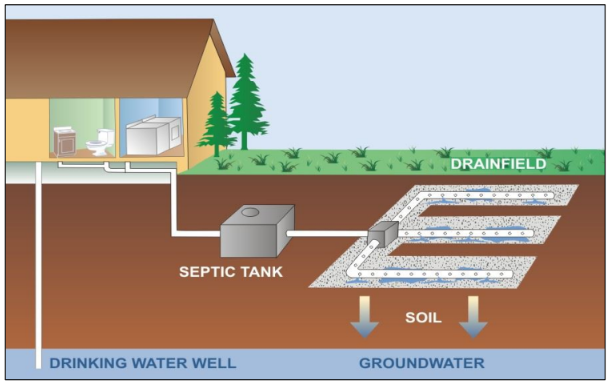
How Septic Systems Work:
Septic systems are decentralized wastewater treatment systems commonly used in rural and suburban areas where centralized sewer systems are not available. These systems operate by treating household wastewater on-site, ensuring the safe disposal and treatment of sewage. Here is a detailed explanation of how septic systems work:
-
Wastewater Collection: Wastewater generated from various sources within a property, including toilets, sinks, showers, and laundry, is collected through a network of pipes. These pipes channel the wastewater to a buried septic tank located on the property.
-
The Septic Tank: The septic tank is a vital component of the system and is typically a watertight, underground container made of concrete, fiberglass, or plastic. It serves as the initial treatment chamber for wastewater. Inside the tank, the wastewater undergoes a separation process:
-
Solid Waste Settlement: Upon entering the septic tank, solid materials, such as human waste and food particles, settle to the bottom of the tank. Over time, these solids accumulate as a layer of sludge.
-
Scum Formation: Lighter substances like oils, greases, and soap scum float to the top of the wastewater inside the tank, forming a layer of scum.
-
Liquid Effluent: The remaining liquid portion of the wastewater, known as the liquid effluent, is located between the settled sludge at the bottom and the scum layer at the top.
-
-
Biological Treatment: Inside the septic tank, naturally occurring bacteria and microorganisms begin the process of breaking down and digesting the organic matter present in the sludge and scum layers. This biological treatment helps to partially decompose solid waste.
-
Effluent Release: As new wastewater enters the septic tank, older liquid effluent is displaced and pushed out of the tank. This treated liquid effluent then exits the septic tank and enters the drain field.
-
The Drain Field: The drain field, also known as the leach field, is a network of perforated pipes or chambers buried in the soil below the surface. The drain field receives the liquid effluent from the septic tank. Here, the effluent is gradually released into the surrounding soil.
-
Soil Filtration and Treatment: In the drain field, the liquid effluent undergoes further treatment as it percolates through the soil. The soil acts as a natural filter, removing contaminants, pathogens, and impurities from the effluent. Beneficial soil bacteria further purify the effluent as it moves through the subsurface layers.
-
Final Disposal: After undergoing treatment in the drain field, the treated effluent ultimately re-enters the groundwater or nearby surface water bodies. This final stage of disposal ensures that the treated wastewater is safely returned to the environment without causing harm.
-
Ongoing Process: The septic system continuously operates as wastewater is generated within the property. The separation and treatment processes occur continually, ensuring the efficient and safe management of sewage.
It’s important to note that septic systems require regular maintenance, including periodic pumping of the septic tank to remove accumulated sludge and scum. Neglected or improperly maintained septic systems can lead to issues such as backups, odors, and groundwater contamination.
Infrastructure of Septic Systems:
Septic systems consist of specific components designed to treat and manage household wastewater efficiently. Understanding the infrastructure of septic systems is crucial for homeowners and real estate professionals to ensure proper maintenance and functionality. Here are the key components of a septic system:
-
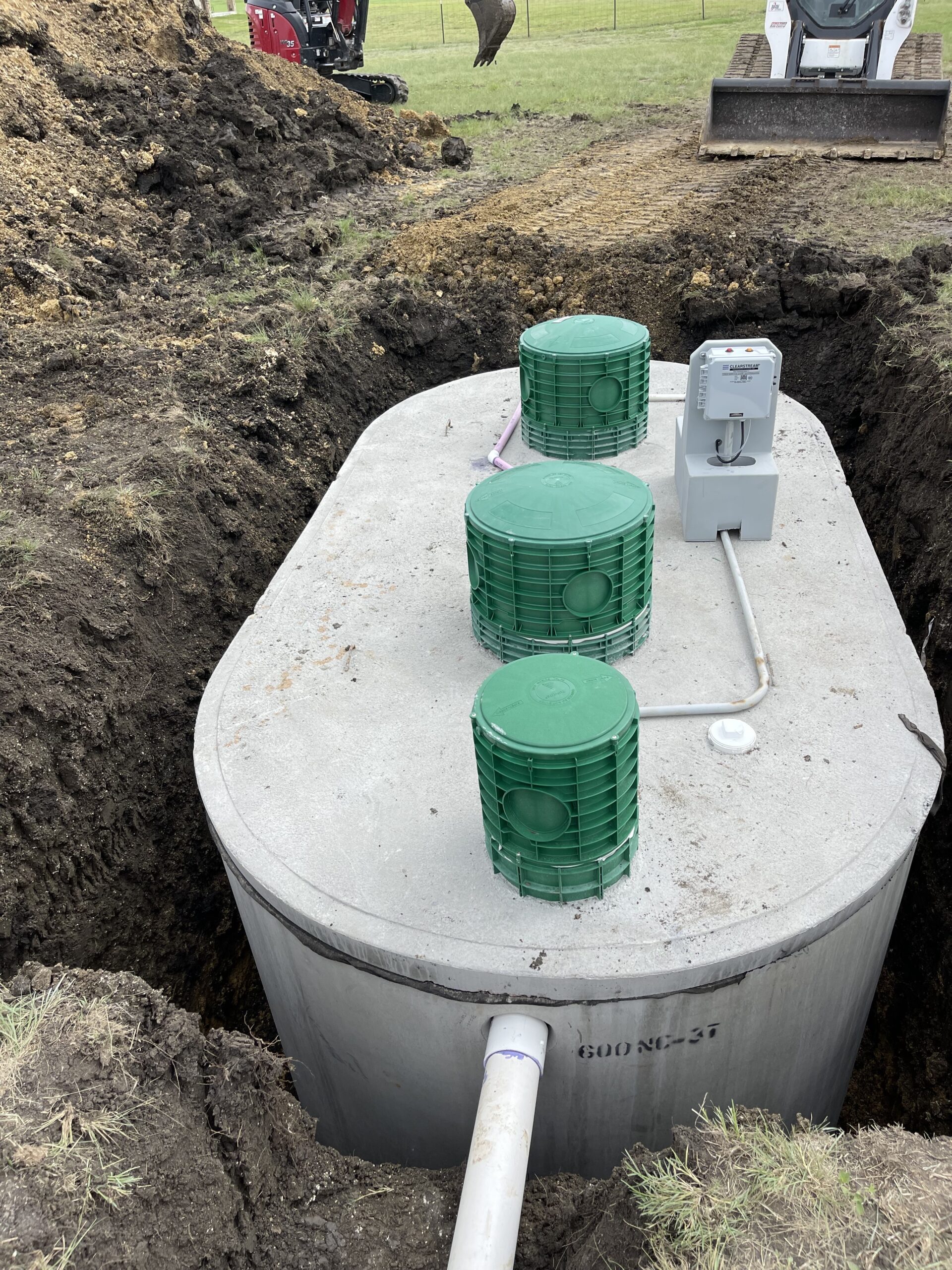
Septic Tank: The septic tank is a critical component of the septic system, serving as the initial treatment chamber for wastewater. It is typically constructed from materials such as concrete, fiberglass, or plastic and is buried underground. The septic tank is designed with two main compartments:
-
Inlet Compartment: This is where wastewater from the property enters the septic tank. It allows for the initial settling and separation of solids from the liquid effluent.
-
Outlet Compartment: The outlet compartment receives the partially treated liquid effluent after solids have settled. It acts as a buffer, preventing the solid waste from exiting the tank and entering the drain field.
Inside the septic tank, natural biological processes begin breaking down and digesting organic matter present in the solid waste, helping to reduce its volume over time.
-
-
Connecting Pipes: A network of connecting pipes is responsible for transporting wastewater from the property’s plumbing system to the septic tank. These pipes ensure that all wastewater generated within the property is directed to the septic tank for treatment.
-
Baffle: A baffle or T-shaped pipe inside the septic tank assists in directing the flow of wastewater. It prevents the immediate release of solid waste and scum into the outlet compartment, allowing for further settling and separation.
-
Effluent Filter: Some septic systems may include an effluent filter at the outlet of the septic tank. This filter captures small suspended particles and prevents them from entering the drain field. It helps maintain the long-term functionality of the drain field.
-
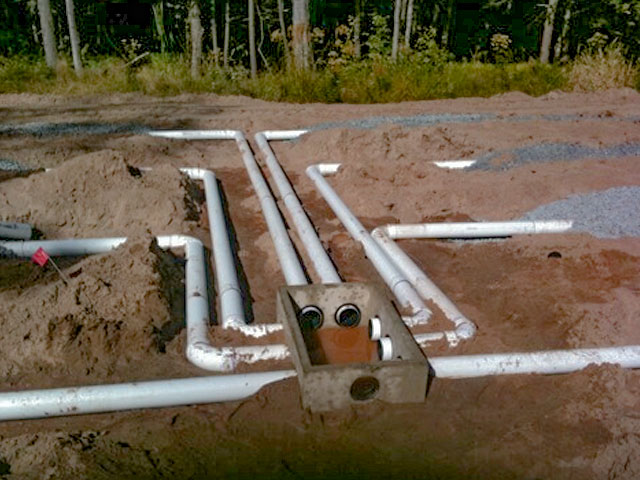
Drain Field (Leach Field): The drain field, also known as the leach field, is a crucial component where the treated liquid effluent from the septic tank is distributed into the soil for further purification. It consists of a network of perforated pipes, chambers, or trenches buried in the soil beneath the surface. The drain field allows for the gradual release and absorption of the treated effluent into the surrounding soil.
-
Soil: The soil in the drain field serves as a natural filter and treatment medium for the liquid effluent. As the effluent percolates through the soil, impurities and contaminants are removed, and beneficial soil bacteria further purify the wastewater. The quality of the soil and its ability to effectively filter the effluent are essential factors in the overall performance of the septic system.
-
Vent Pipe: A vent pipe is typically installed above the septic tank or plumbing system to allow for the release of gases generated during the treatment process. The vent pipe ensures that the septic tank maintains proper pressure and prevents the buildup of potentially harmful gases.
Where You’ll Find Septic Systems:
Septic systems are prevalent in specific geographic areas and property types due to their suitability for managing wastewater independently. Understanding where you’ll typically find septic systems is valuable for real estate professionals and homeowners evaluating properties. Here are the key locations and property types where septic systems are commonly found:
-
Rural Areas: Septic systems are most commonly encountered in rural areas where properties are typically larger and more spread out. In these regions, municipal sewer systems are often absent or impractical due to the low population density and the cost of extending sewer lines over long distances. Rural homes, farms, and cottages frequently rely on septic systems for wastewater treatment.
-
Suburban Communities: While many suburban areas have access to centralized sewer systems, there are suburban communities, especially those on the outskirts of urban centers, where properties are not connected to municipal sewers. In these suburban locations, septic systems are used to provide wastewater management for individual homes.
-
Large Residential Properties: Properties with substantial land areas, such as estates, ranches, and large suburban lots, are more likely to have septic systems. The spacious nature of these properties allows for the installation of septic systems with adequate setbacks and drainage fields, adhering to local regulations.
-
Lakefront and Waterfront Properties: In some waterfront areas, particularly those with seasonal or vacation homes, septic systems may be employed due to the distance from centralized sewer infrastructure. Septic systems are designed to handle the wastewater generated by waterfront properties while minimizing environmental impact.
-
Remote and Off-Grid Homes: Remote homes and off-grid properties, often located in remote wilderness areas, rely on self-contained systems for all utilities, including wastewater treatment. Septic systems offer an autonomous and environmentally responsible solution for managing sewage in these off-grid settings.
-
Properties with Challenging Terrain: In regions with challenging terrain, such as hilly or rocky landscapes, connecting to a municipal sewer system can be technically challenging and costly. In such cases, septic systems provide a practical alternative for wastewater management.
-
Historical and Older Homes: Some historical or older homes may have been originally constructed with septic systems when centralized sewer systems were not available. Over time, these septic systems may have been upgraded or replaced to meet modern standards.
Advantages of Septic Systems:
-
Self-Contained Wastewater Treatment: Septic systems provide self-contained wastewater treatment directly on your property. They do not rely on centralized sewage treatment plants, allowing you to manage your wastewater independently.
-
Lower Operating Costs: In comparison to properties connected to municipal sewer systems, homes with septic systems often have lower monthly operating costs. There are no sewer bills to pay, and maintenance expenses can be relatively manageable.
-
Environmentally Friendly when Properly Maintained: When properly designed, installed, and maintained, septic systems can be environmentally friendly. They naturally treat wastewater by allowing it to percolate into the soil, where beneficial microorganisms break down contaminants. This process helps protect local water sources from pollution.
Drawbacks of Septic Systems:
-
Requires Regular Maintenance (Pumping): Septic systems require ongoing maintenance to ensure their proper function. The septic tank must be pumped periodically to remove accumulated solids and prevent clogs. Neglecting maintenance can lead to system failure and costly repairs.
-
Potential for System Failure: Septic systems can fail if not adequately maintained or if overloaded. A failure can result in sewage backups, foul odors, and contamination of the surrounding soil and groundwater. Addressing a failed septic system can be an expensive and disruptive process.
-
Limited Capacity for Large Households: The capacity of a septic system is determined during its design and installation. Standard septic systems may have limited capacity for very large households or homes with high water usage. In such cases, property owners may need to consider alternative or advanced septic system designs, which can be more expensive.