
Sewer
Sewer
Sewer Systems
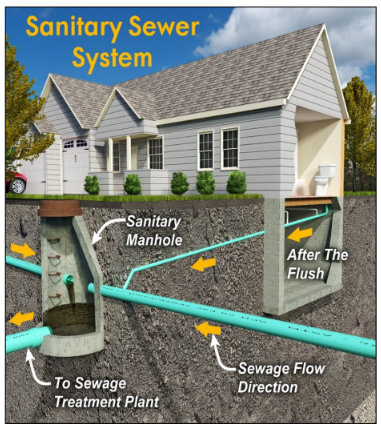
How Sewer Systems Work:
-
Collection of Wastewater: Sewer systems consist of a vast network of underground pipes that crisscross cities and communities. These pipes are strategically designed to collect wastewater from individual homes, businesses, and industrial facilities.
-
Gravity or Pumping: The collection of wastewater can occur through either gravity or pumping. In areas with sufficient elevation differences, gravity allows wastewater to flow naturally downhill from individual properties into the sewer pipes. In flat or low-lying areas, sewage may need to be pumped into the sewer system using lift stations or sewage pumps.
-
Transport to Treatment Plant: Once the wastewater is collected, it is transported through the sewer pipes to a centralized wastewater treatment plant. These treatment plants are often strategically located to serve specific regions or communities.
-
Wastewater Treatment: At the treatment plant, the sewage undergoes a series of treatment processes to remove contaminants and pollutants. These treatment processes include:
-
Filtration: Initial screening and filtration processes remove larger objects, debris, and solids from the wastewater.
-
Biological Treatment: Microorganisms are introduced into the sewage to break down organic matter and remove nutrients like nitrogen and phosphorus.
-
Chemical Treatment: Chemicals may be added to facilitate the removal of contaminants and pathogens.
-
Disinfection: The treated wastewater is disinfected to kill any remaining bacteria, viruses, or pathogens. Common disinfection methods include chlorination or ultraviolet (UV) radiation.
-
-
Effluent Discharge: Once the sewage has undergone these treatment processes and is considered clean and safe, the treated effluent is discharged into the environment. The destination for effluent discharge is typically a natural water body, such as a river, lake, or the ocean. This ensures that the clean water is reintroduced into the ecosystem without causing harm.
-
Environmental Monitoring: Environmental agencies often monitor the quality of the discharged effluent to ensure that it meets water quality standards and does not harm the receiving water body or its ecosystem.
Sewer System Infrastructure:
-
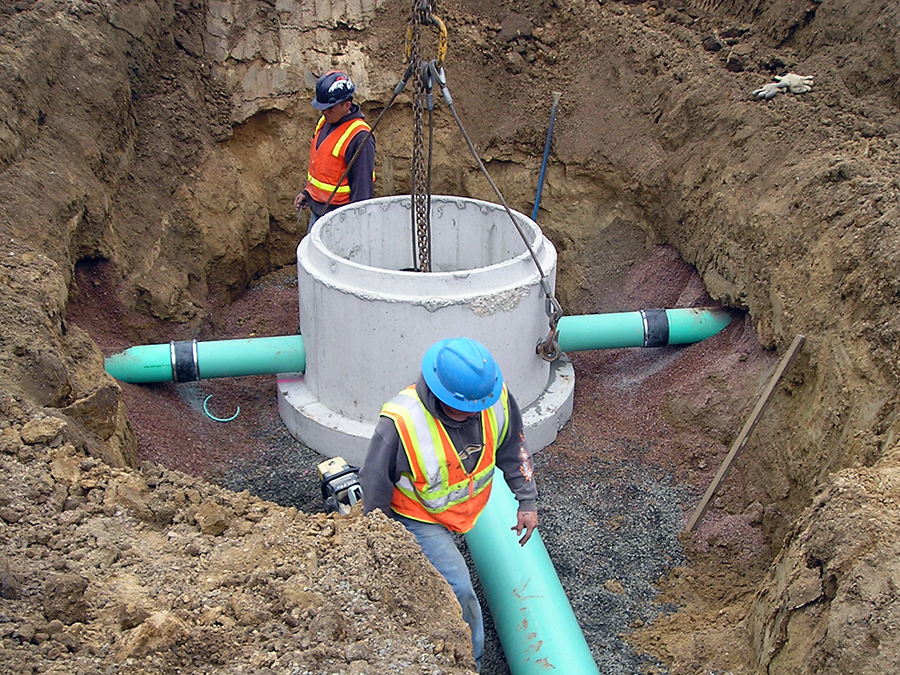
Underground Sewer Pipes: The backbone of a sewer system is an extensive network of underground sewer pipes. These pipes are typically made of durable materials such as concrete, PVC (polyvinyl chloride), or cast iron. They are strategically laid out beneath streets, neighborhoods, and commercial areas to collect wastewater.
-
Trunk Lines: As wastewater flows from individual properties, it converges into larger trunk lines. These trunk lines serve as main conduits that transport sewage over longer distances to centralized wastewater treatment plants. Trunk lines are typically larger in diameter than the smaller pipes found in residential areas.
-
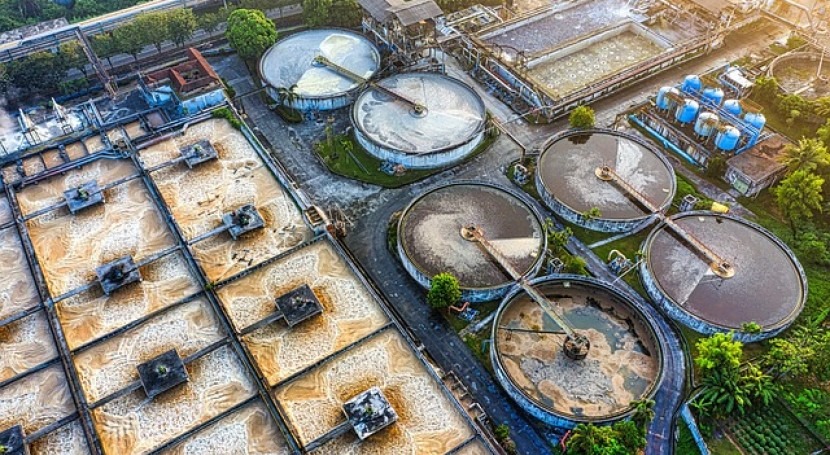
Wastewater Treatment Plant: At the heart of a sewer system is the wastewater treatment plant. These treatment plants are equipped with a range of infrastructure elements, including:
-
Influent Pipes: Large influent pipes receive sewage from the trunk lines and direct it into the treatment plant.
-
Clarifiers: Clarifiers are large tanks that allow solids to settle at the bottom, separating them from the liquid sewage.
-
Biological Treatment Tanks: These tanks are home to microorganisms that break down organic matter in the sewage.
-
Filtration Units: Filtration systems further remove fine particles and impurities from the wastewater.
-
Disinfection Units: Disinfection units use chemicals or UV radiation to kill any remaining bacteria and pathogens.
-
Effluent Outflow: Once the wastewater has undergone treatment, the clean effluent is discharged from the treatment plant into the environment.
-
-
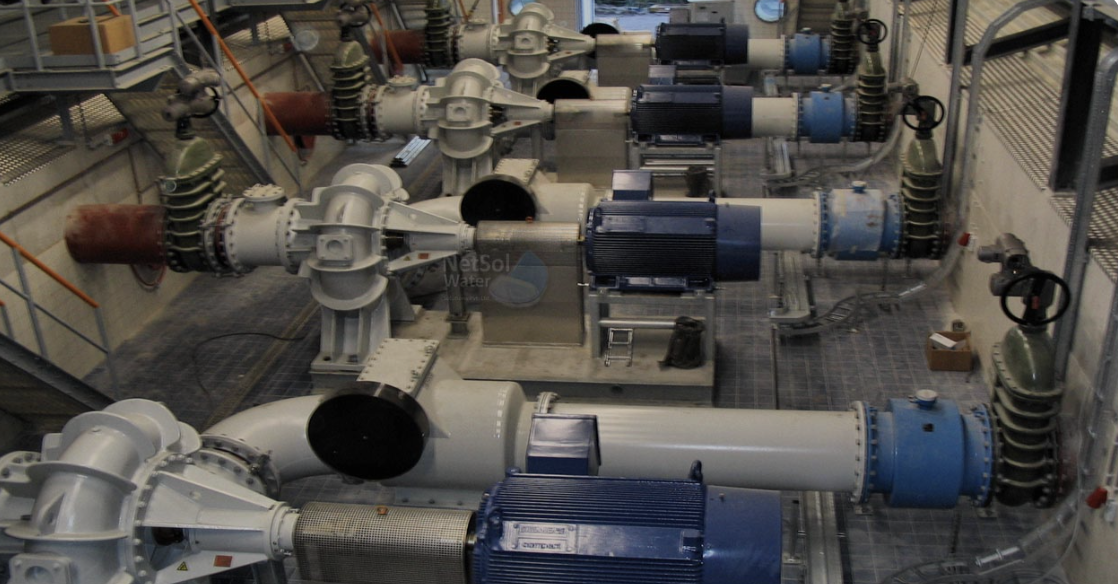
Pumping Stations: In areas with varying elevations, sewage may need to be lifted or pumped from lower-lying areas to higher sections of the sewer system. Pumping stations, equipped with powerful pumps, are strategically placed to facilitate the movement of sewage.
-
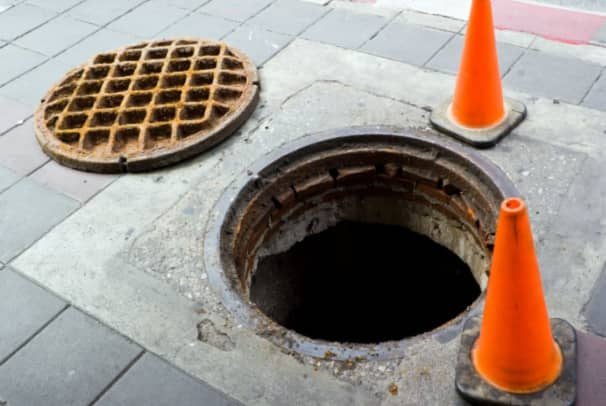
Maintenance Access Points: Throughout the sewer system, there are maintenance access points such as manholes. These access points allow utility workers to inspect, maintain, and repair the sewer infrastructure as needed.
-
Environmental Monitoring Stations: Environmental monitoring stations are often situated downstream of wastewater treatment plants. They continuously monitor the quality of the treated effluent to ensure it meets water quality standards before being discharged into natural water bodies.
Why Sewer Systems Are Used:
Sewer systems are integral to urban and densely populated areas, and their adoption is driven by several compelling reasons:
-
Efficient Wastewater Management: Sewer systems offer an efficient and organized method for managing the significant volumes of wastewater generated in densely populated regions. They provide a centralized collection and treatment process, ensuring that sewage is effectively processed and safely discharged.
-
Public Health and Hygiene: By swiftly removing and treating sewage, sewer systems play a crucial role in safeguarding public health. Proper wastewater disposal prevents the spread of waterborne diseases and reduces the risk of contamination of water sources, thereby contributing to improved hygiene and sanitation.
-
Environmental Protection: Sewer systems are designed to treat sewage before it is released into the environment. Advanced treatment processes remove contaminants and pollutants, ensuring that the discharged effluent meets water quality standards. This helps protect natural water bodies, aquatic ecosystems, and overall environmental health.
-
Optimal Land Use: In densely populated urban areas, land is a valuable resource. Sewer systems allow for the efficient use of land without the need for individual septic systems on each property. This supports higher population densities and urban development.
-
Convenience: Residents in areas served by sewer systems enjoy the convenience of not having to manage individual septic tanks or onsite wastewater treatment systems. They can rely on a centralized and professionally managed system for sewage disposal.
-
Consistency and Reliability: Sewer systems provide consistent and reliable wastewater disposal. Unlike septic systems, which may require maintenance by individual property owners, sewer systems are managed by municipal or utility authorities, ensuring reliable service.
-
Scalability: Sewer systems can be expanded or upgraded to accommodate growing populations and changing urban landscapes. This scalability is especially valuable in urban planning and development.
Where You’ll Find Them:
-
Sewer systems are commonly found in cities, urban areas, and larger communities with developed infrastructure. They are the standard wastewater management solution in regions where properties are closely situated, and a centralized sewage system is economically viable.
Advantages of Sewer Systems:
Sewer systems offer several advantages for communities and property owners, making them a preferred choice in urban and densely populated areas. Some of the key advantages include:
-
No Individual Maintenance or Septic Tank Costs: One of the primary benefits of sewer systems is that property owners do not bear the responsibility for maintaining septic tanks or wastewater treatment systems on their properties. This eliminates the need for individual maintenance tasks, such as septic tank pumping or repairs, and associated costs. Instead, the municipality or utility authority manages and maintains the sewer system infrastructure.
-
Capacity for Handling Large Volumes: Sewer systems are designed to accommodate significant volumes of wastewater generated by densely populated urban areas. They consist of an extensive network of underground pipes and treatment facilities that can efficiently handle the collective sewage produced by numerous households, businesses, and industries. This scalability ensures that the system can adapt to population growth and changing wastewater demands.
-
Reliable Wastewater Management: Sewer systems provide a reliable and organized means of wastewater management. They offer a centralized collection and treatment process that ensures sewage is effectively processed and safely discharged. This reliability is especially crucial in urban areas where consistent wastewater disposal is essential for public health, hygiene, and environmental protection.
-
Efficient and Advanced Treatment: Sewer systems typically incorporate advanced treatment processes at wastewater treatment plants. These processes include filtration, biological treatment, chemical treatment, and disinfection to remove contaminants and pollutants from sewage. As a result, the treated effluent meets water quality standards before being discharged into the environment, contributing to environmental protection and improved water quality.
-
Ease of Use: Residents and businesses connected to sewer systems enjoy the convenience of not having to manage individual septic tanks or onsite wastewater treatment systems. They can rely on a professionally managed and maintained system for sewage disposal, simplifying wastewater management for property owners.
-
Consistency: Sewer systems provide consistent and uninterrupted wastewater disposal services. Unlike septic systems, which may require occasional maintenance or repairs by individual property owners, sewer systems are under the jurisdiction of municipal or utility authorities, ensuring consistent and dependable service.
-
Environmental Benefits: Sewer systems play a vital role in environmental protection by treating sewage before it is discharged. This helps prevent the contamination of natural water bodies and aquatic ecosystems. Additionally, centralized treatment allows for the effective removal of pollutants and pathogens, reducing the risk of waterborne diseases.
-
Compliance with Regulations: Many regions and jurisdictions have regulations in place that mandate the use of sewer systems in urban and densely populated areas. Compliance with these regulations ensures that wastewater is managed responsibly and in accordance with environmental and public health standards.
-
Drawbacks of Sewer Systems:
While sewer systems provide many advantages, they also come with certain drawbacks and considerations that property owners and communities should be aware of:
-
Monthly Sewer Bills: One of the primary drawbacks of being connected to a sewer system is the obligation to pay monthly sewer bills. Sewer utility charges are typically based on water usage, which means that property owners are billed for the volume of wastewater they generate. While these bills contribute to the maintenance and operation of the sewer system, they represent an ongoing cost for property owners that can vary depending on usage.
-
Potential for Blockages or Backups: Sewer systems consist of a network of underground pipes that transport wastewater to treatment plants. In some cases, these pipes can become blocked due to various factors, including the accumulation of debris, grease, tree roots, or foreign objects. Blockages in the public sewer lines can lead to backups, where sewage may overflow from plumbing fixtures or manholes. Such incidents can be disruptive, unsanitary, and costly to resolve. Property owners may be responsible for addressing blockages within their private sewer lateral, connecting their property to the public sewer main.
-
Sewer Capacity Charges: Some municipalities impose sewer capacity charges on property owners when connecting to the public sewer system. These charges are intended to cover the costs associated with expanding and maintaining the sewer infrastructure to accommodate new connections. Sewer capacity charges can vary widely and may represent a significant upfront cost for property owners seeking to connect to the sewer system. It’s essential for prospective buyers or property developers to inquire about these charges and factor them into their budget.
-
Limited Control Over Maintenance: While sewer systems eliminate the need for property owners to maintain septic tanks, they also mean that property owners have limited control over the maintenance and operation of the sewer infrastructure. Maintenance, repairs, and upgrades to the public sewer system are typically managed by municipal or utility authorities. Property owners may have to rely on these entities to address issues promptly.
-
Potential for Service Interruptions: Sewer systems, like any infrastructure, may require maintenance or repairs from time to time. While municipal authorities strive to minimize service interruptions, maintenance work or emergencies may occasionally disrupt sewer service. Property owners should be prepared for potential temporary service interruptions during such events.
-
Dependency on Public System: Property owners connected to sewer systems rely entirely on the public sewer infrastructure for wastewater management. In the event of system failures, blockages, or service interruptions, property owners may have limited alternatives for sewage disposal. This dependency on the public system can pose challenges during emergencies or system disruptions.
-
Limited Environmental Control: While sewer systems treat sewage at centralized treatment plants, the environmental impact of treated effluent discharge into natural water bodies is subject to regulatory standards. Property owners may have limited control over the environmental aspects of sewage treatment and discharge.
-