
Circuit Breaker Panels
Circuit Breaker Panels
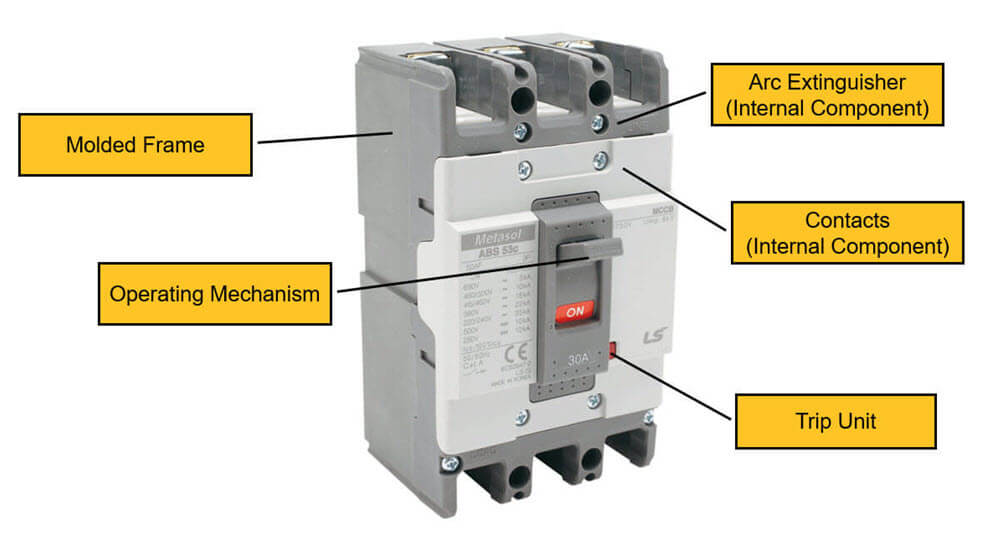
Description and Common Types:
Circuit breaker panels, also known as electrical panels or breaker boxes, serve as the nerve center of modern residential and commercial electrical systems. They have largely replaced outdated fuse boxes due to their enhanced safety features and convenience in controlling electrical circuits.
Main Lug Panels: Main lug panels feature a set of lugs as the primary disconnect for the electrical service wires from the utility company. These lugs act as connection points where power enters the panel. Main lug panels are commonly found in smaller residential properties and some light commercial settings. To shut off power to the entire panel, one may need to turn off the power at the utility meter since there is no built-in main circuit breaker within the panel itself.
Main Breaker Panels: Main breaker panels, on the other hand, are equipped with a built-in main circuit breaker that serves as the primary disconnect for the entire panel. This main breaker is designed to handle the full electrical load of the building and provides a convenient means of shutting off power to all circuits within the panel. Main breaker panels are typically used in larger residential properties and commercial buildings, offering centralized control and enhanced safety features.
Proper Installation and Inspection:
Understanding the correct installation practices associated with circuit breaker panels is paramount for ensuring the safety, efficiency, and compliance of electrical systems. Brokers, homeowners, and property inspectors alike should be aware of these essential aspects when assessing electrical systems. Here are key components of proper installation:
-
Sufficient Capacity: The capacity of the panel, often measured in amperes (e.g., 100A, 200A), should be aligned with the electrical demands of the building. Ensuring that the panel’s capacity matches the load requirements prevents overloading and minimizes the likelihood of frequent breaker tripping. A well-matched panel contributes to a stable and efficient electrical system.
-
Circuit Breaker Types: Selecting the appropriate types of circuit breakers for different circuits within the building is essential for safety and compliance. For example, the use of AFCI (Arc-Fault Circuit Interrupter) breakers in bedroom circuits enhances fire safety by detecting and mitigating arc faults. In areas where water is present, GFCI (Ground Fault Circuit Interrupter) breakers are employed to prevent electrical shocks. A proper understanding of the specific applications of various breaker types ensures both safety and adherence to electrical codes.
-
Proper Wiring Practices: All wiring connections within the electrical panel must be made securely and in strict accordance with local electrical codes and regulations. This includes using the correct wire size, type, and insulation for different circuits. Proper labeling of wires and breakers also contributes to safe and efficient maintenance and troubleshooting.
-
Grounding: Ensuring that the electrical panel is appropriately grounded is a fundamental safety measure. Proper grounding establishes a safe path for electrical faults to dissipate, significantly reducing the risk of electrical shock and electrical fires. Adequate grounding is vital for safeguarding both the electrical system and the occupants of the building.
-
Inspection by WA L&I (Green Sticker): In the state of Washington, electrical systems are subject to inspection by the Washington State Department of Labor & Industries (L&I). These inspections are conducted to ensure that electrical installations comply with state and local electrical codes and regulations. After a successful inspection, L&I may affix a green sticker or label to the electrical panel, indicating that the installation has met the required safety standards. This green sticker serves as evidence that the electrical system has been professionally inspected and approved, providing peace of mind to property owners and potential buyers regarding the safety and compliance of the electrical installation.
Identifying Circuit Breaker Panels:
Recognizing modern circuit breaker panels is a valuable skill for brokers conducting property inspections. Circuit breaker panels are the standard electrical distribution systems in modern residential and commercial buildings. Here’s how to identify them through visual inspection:
1. Appearance: Circuit breaker panels typically have a distinct appearance. They consist of a sturdy metal or plastic enclosure, usually mounted on a wall. The panel is equipped with a hinged door that opens to reveal the interior components. Inside, you’ll find rows of circuit breakers, which resemble switches with either a lever or push-button. Each breaker is labeled with its amperage rating (e.g., 15A, 20A, 30A) and indicates the circuit it controls.
2. Main Breaker: In main breaker panels, look for a prominent circuit breaker positioned at the top or near the top of the panel. This main breaker serves as the primary disconnect switch for the entire electrical panel. When the main breaker is turned off, it shuts off power to the entire building. In contrast, main lug panels will not have a main breaker at the top. Instead, they feature a set of lugs where the electrical service wires from the utility company are connected. It’s essential to differentiate between these two panel types.
3. Circuit Labels: Well-labeled circuits within the panel are indicative of a professionally installed and well-maintained electrical system. Each circuit breaker should be clearly labeled to specify its corresponding area or appliance. These labels enhance safety and simplify the identification of circuits for maintenance, troubleshooting, or emergency shutdowns.