
Electric
Comprehensive Electrical Guide for Real Estate Brokers
Comprehensive Electrical Guide for Real Estate Brokers
Introduction Electricity is a fundamental aspect of modern living, powering our homes and enabling our daily routines. As a real estate broker, understanding the intricacies of a property’s electrical system is not only crucial for ensuring the safety and well-being of your clients but also for accurately representing the value and condition of a home. This comprehensive guide will equip you with essential knowledge about residential electrical systems, common issues, and the importance of electrical upgrades in the real estate market.
Section 1: Types of Wiring
1.1. Knob-and-Tube Wiring
Description and Historical Context:
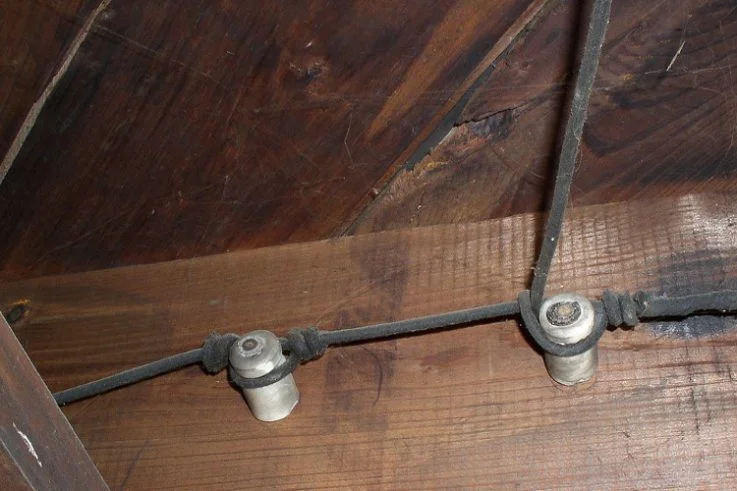
Knob-and-tube wiring, a relic of early electrical systems, was widely used in homes constructed from the late 1800s through the 1940s. Understanding its characteristics and historical context is crucial for real estate brokers:
-
Wiring Structure: Knob-and-tube wiring consists of two separate wires – a hot wire (usually black) and a neutral wire (usually white) – supported by porcelain knobs and tubes. These knobs and tubes serve to secure and insulate the wires, keeping them apart from each other and from the building structure.
-
Historical Significance: Knob-and-tube wiring marked a significant advancement from the use of gaslights in homes. It allowed for the safe and relatively efficient distribution of electricity, revolutionizing the way people lived.
Common Issues:
Knob-and-tube wiring poses several inherent issues that brokers must be aware of, as these issues can impact the safety and functionality of a home:
1. Overheating: Over time, the insulation around the wires can deteriorate or become damaged. This exposes the wires and can lead to overheating, potentially causing fires. Brokers should be cautious when inspecting homes with knob-and-tube wiring, as signs of overheating can include:
-
Discoloration or scorch marks on nearby materials, such as wood framing or insulation.
-
A burning smell, which may indicate ongoing overheating.
-
Flickering lights or frequently blown fuses, indicating electrical problems.
2. Lack of Grounding: Knob-and-tube systems do not include a ground wire, which is a vital safety feature in modern wiring. This absence increases the risk of electrical shock and limits the use of three-pronged outlets. Brokers should advise clients about the limitations of grounding in homes with knob-and-tube wiring and the potential need for electrical upgrades to improve safety.
3. Aging and Deterioration: Due to its age, knob-and-tube wiring is prone to degradation. Brittle insulation, exposed wires, and compromised connections are common problems. Brokers should inspect the wiring carefully for signs of deterioration, such as:
-
Cracked or crumbling insulation, which exposes wires.
-
Loose or disconnected wires at junction points.
-
Damaged or missing porcelain knobs and tubes.
-
Evidence of previous repairs or modifications that may not meet current safety standards.
Identifying Knob-and-Tube Wiring:
Recognizing knob-and-tube wiring is essential for brokers during property inspections. Here’s how to identify it:
-
Visual Inspection: Begin by examining the visible wiring in the basement, attic, or crawl spaces, as these are typical locations for knob-and-tube systems. Knob-and-tube wiring will consist of exposed wires suspended from porcelain knobs and threaded through porcelain tubes. Look for the following characteristics:
-
Exposed Wires: Knob-and-tube wiring is characterized by exposed wires, often held apart by porcelain knobs at intervals and passing through porcelain tubes where they go through structural elements. These elements are usually white or cream-colored.
-
Lack of Conduit: Unlike modern wiring, knob-and-tube wiring does not use conduit to encase the wires. The wires are typically strung along framing members and pass through holes in wooden studs or joists without any protective sheathing.
-
-
Distribution of Knobs and Tubes: Knobs and tubes should be spaced about 1.5 to 2 feet apart along the length of the wires. They may run horizontally along joists, rafters, or other structural components. Additionally, knob-and-tube wiring often avoids running through insulation materials, which can help identify it in attics or wall cavities.
-
Labeling: In some cases, the wiring may have been labeled to indicate its type. Look for any labels or markings on the wires or in the electrical boxes that mention “knob-and-tube.” However, reliance on labels alone may not be sufficient, as labels can fade or be absent.
-
Age of the Property: Homes built during the specified era (late 1800s to 1940s) are more likely to have knob-and-tube wiring. However, this should not be the sole indicator, as renovations or rewiring may have occurred over the years.
Importance of Replacement:
Brokers should emphasize the critical importance of replacing knob-and-tube wiring to prospective buyers by addressing various facets, including safety hazards, insurance implications, inadequacy for modern needs, and its impact on property resale:
-
Safety Hazards and Fire Risks:
-
Deteriorating Insulation: Knob-and-tube wiring is notorious for aging insulation that becomes brittle and crumbly over time. This poses a severe fire risk as exposed wires can come into contact with flammable materials within walls, attics, or crawl spaces.
-
Real-World Example: In 2019, a homeowner in California discovered the dangers of deteriorating insulation in their knob-and-tube wiring when an electrical fire broke out. The aging insulation had crumbled, exposing bare wires that came into contact with nearby insulation materials, ultimately igniting a house fire. Fortunately, the occupants escaped unharmed, but the property suffered extensive damage.
Overheating: Due to the lack of modern insulation, knob-and-tube wiring is more susceptible to overheating. The wires may become overloaded, increasing the risk of electrical fires.
-
Real-World Example: A historic home in Massachusetts faced a potentially devastating situation when the outdated knob-and-tube wiring system began overheating due to the strain of modern electrical demands. The wires, lacking the insulation found in contemporary wiring, became hot to the touch. Prompt intervention by an electrician prevented a fire, highlighting the importance of addressing overheating risks associated with these old systems.
Fire and Death: Electrical fires resulting from knob-and-tube wiring can have catastrophic consequences, including property damage, injuries, and loss of life.
-
Real-World Example: In 2017, a tragic incident in Pennsylvania claimed the lives of three family members when an electrical fire caused by knob-and-tube wiring engulfed their residence. The outdated system’s exposed wires and deteriorated insulation were identified as contributing factors to the deadly fire. This heart-wrenching incident underscores the potential consequences of neglecting the dangers associated with outdated electrical systems. It serves as a stark reminder of the importance of addressing these issues promptly and proactively to prevent such tragedies.
-
-
-
Insurance Implications:
-
Difficulty Obtaining Insurance: Brokers should inform buyers that many insurance companies perceive knob-and-tube wiring as a high-risk feature. This perception can lead to challenges in securing homeowners’ insurance.
-
Higher Premiums: Even if insurance can be obtained, homeowners with knob-and-tube wiring may face substantially higher insurance premiums. Brokers should provide potential buyers with estimates of these increased costs to help them make informed decisions.
-
-
Inadequacy for Modern Needs:
-
Electrical Demands: Modern households rely on a multitude of electrical appliances and devices, which can overwhelm knob-and-tube systems designed for an earlier era. Brokers should emphasize that upgrading to contemporary wiring is crucial for meeting current electrical demands, ensuring convenience, and avoiding power disruptions.
-
-
Resale Value:
-
Market Perception: Properties with knob-and-tube wiring typically have lower resale values compared to homes with updated electrical systems. Brokers should stress that upgrading the wiring can potentially increase the property’s market appeal and resale value.
-
1.2. Aluminum Wiring
Types of Aluminum Wiring:
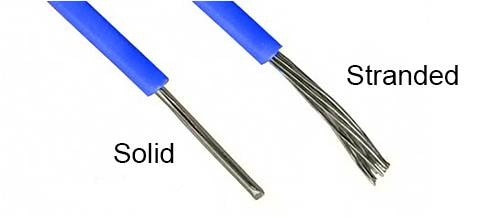
Aluminum wiring comes in two main types: solid and stranded. Understanding these types is essential for brokers when dealing with properties that may have aluminum wiring:
-
Solid Aluminum Wiring: This type of aluminum wiring consists of a single strand or solid conductor. Solid aluminum wiring was initially used in residential properties as a cost-effective alternative to copper. It was chosen for its electrical conductivity and lower price compared to copper.
-
Stranded Aluminum Wiring: Stranded aluminum wiring is composed of multiple smaller strands of aluminum wire twisted together. This design enhances flexibility and makes it easier to work with. Stranded aluminum wiring is more common in industrial and commercial applications.
Why Aluminum Wiring Appeared Beneficial:
Aluminum wiring gained popularity primarily for its cost-effectiveness during the 1960s and 1970s. It appeared to be beneficial for several reasons:
-
Lower Cost: Aluminum is less expensive than copper, making it an attractive option for electrical wiring installations.
-
Adequate Conductivity: Aluminum is a good conductor of electricity, allowing it to effectively carry electrical currents.
-
Lightweight: Aluminum is lighter than copper, making it easier to handle during installation.
-
Availability: During the period when aluminum wiring gained popularity, there was a surge in demand for residential and commercial electrical installations. Aluminum was readily available and met the needs of the construction industry.
However, while aluminum wiring offered cost advantages and met the immediate demand for electrical installations, it brought along unique challenges and safety concerns that have become more apparent over time. These challenges have led to recommendations for replacement and upgrades to ensure the safety of electrical systems in homes and buildings.
Fire Hazards:
Identification:
-
Signs of fire hazards associated with aluminum wiring can be observed during visual inspections of outlets and switches. Look for evidence of warm or discolored surfaces, which may indicate loose connections or excessive heat buildup.
-
Electrical outlets and switches that feel warm to the touch when in use can be indicative of loose connections within the aluminum wiring.
Understanding:
-
Loose connections in aluminum wiring pose a significant fire hazard. When connections become loose, they create resistance, which leads to heat generation. This heat can potentially ignite nearby combustible materials, such as insulation or wood.
-
The risk of fires due to aluminum wiring is a critical concern, emphasizing the necessity of regular inspections carried out by licensed electricians. Identifying and promptly rectifying loose connections is essential to mitigate this risk and ensure the safety of the electrical system.
Oxidation and Deterioration:
Identification:
-
Signs of oxidation and deterioration in aluminum wiring can manifest as darkened or discolored wires or connections.
-
Visual inspections may reveal wires with a grayish or white powdery substance on their surface, indicating corrosion.
Understanding:
-
Oxidation, or corrosion, occurs on the surface of aluminum wiring when it comes into contact with air. This corrosion increases the electrical resistance of the wire, leading to higher resistance to the flow of electricity.
-
The elevated electrical resistance results in the wire heating up during electrical current flow, which can lead to overheating and pose a fire hazard.
-
It is imperative to seek professional assessments and potential replacement when observing signs of deteriorating aluminum wiring. Licensed electricians can evaluate the extent of corrosion and recommend appropriate actions to ensure safety and prevent overheating.
Compatibility Concerns:
Identification:
-
Compatibility concerns arise when aluminum wiring is connected to devices (outlets, switches, etc.) designed for use with copper wiring.
-
Mismatched connections can be observed during inspections as non-standard connections or components that are not rated for aluminum wiring.
Understanding:
-
Aluminum and copper have different expansion and contraction rates when subjected to electrical current. This difference in thermal expansion can lead to loose connections over time, generating heat.
-
Incompatible connections between aluminum wiring and devices designed for copper can increase the risk of overheating and associated safety hazards.
-
To prevent these risks, it is crucial to ensure that all components, including outlets, switches, and connectors, are specifically rated for aluminum wiring. This ensures proper compatibility and reduces the likelihood of heat-related issues.
Flickering Lights and Outages:
Identification:
-
Electrical disturbances, such as flickering lights or recurring power outages, may be observed in properties with aluminum wiring.
-
These disturbances can be detected through visual observation or by noting instances of flickering lights or loss of power in various areas of the property.
Understanding:
-
Flickering lights and recurring power outages often signify underlying issues within the electrical system, including problems associated with aluminum wiring.
-
Such symptoms should be carefully monitored, and professional electricians should be consulted for thorough investigations and corrective actions. Identifying and addressing these issues in a timely manner is crucial to maintain a safe and reliable electrical system.
Higher Electrical Resistance:
Identification:
-
Higher electrical resistance in aluminum wiring can be understood through proper evaluation of the electrical system.
-
Licensed electricians can conduct tests to measure electrical resistance and identify areas within the aluminum wiring where resistance is unusually high.
Understanding:
-
Aluminum wiring naturally has higher electrical resistance compared to copper wiring. This means it resists the flow of electrical current more than copper does.
-
When electrical current passes through aluminum wiring, it can generate heat due to its resistance. If the wiring is not properly installed or maintained, this heat can become excessive, leading to overheating, melting, or even fires.
-
Proper installation and routine inspections by licensed electricians are essential to ensure that the electrical system operates safely and efficiently. Identifying areas of higher electrical resistance allows for targeted corrective measures to prevent overheating and associated risks.
Identifying Aluminum Wiring:
To effectively identify aluminum wiring during property inspections, real estate brokers should be familiar with its distinctive characteristics, including potential variations like solid and stranded aluminum conductors:
Color Coding: Aluminum wires are primarily silver or gray, which sets them apart from the copper wires, typically copper-colored. This visual difference is an initial indicator during inspections.
Solid vs. Stranded: It’s crucial to note that aluminum wiring can come in two main forms – solid and stranded. Solid aluminum conductors consist of a single, solid wire, while stranded aluminum conductors are composed of multiple smaller strands of aluminum wires twisted together. The type of aluminum conductor used can impact its performance and safety characteristics. For example, solid aluminum conductors are more prone to expansion and contraction, potentially leading to loose connections over time.
Where to Look: During inspections, real estate brokers should pay particular attention to the following areas where aluminum wiring may be found:
-
Electrical Panel: Begin your inspection at the electrical panel. Some panels may have labels or markings indicating the presence of aluminum wiring. However, it’s essential to verify this through a physical inspection of the wiring within the property.
-
Outlets and Switches: Examine outlets and switches throughout the property. In some cases, the type of wiring used may be visible at these locations. Be cautious of mismatched connections, which can indicate the presence of aluminum wiring connected to copper components.
-
Attic and Crawl Spaces: Aluminum wiring is often routed through attics and crawl spaces. Inspect these areas carefully for wiring that matches the visual characteristics of aluminum conductors.
Importance of Replacement: Brokers must stress the critical importance of replacing aluminum wiring due to fire prevention and safety concerns:
-
Fire Prevention:
-
Risk Associated with Aluminum Wiring: Aluminum wiring presents a significant fire hazard due to a unique characteristic – its tendency for connections to become loose over time. These loose connections introduce resistance in the electrical circuit, leading to the generation of heat. This heat can be intense enough to ignite nearby combustible materials, such as insulation, wood, or other wiring components.
-
Example: To illustrate the gravity of this risk, consider a residential fire in 2016 that occurred in a home in New York. This incident was attributed to the overheating and loose connections within the property’s aluminum wiring. The intense heat produced by these connections caused adjacent insulation to catch fire, resulting in extensive property damage. This real-world example serves as a poignant reminder of the imperative nature of addressing the fire risks associated with aluminum wiring.
Safety First:
-
Prioritizing Safety: Brokers should underscore that ensuring the safety of occupants and the property is of paramount importance when dealing with aluminum wiring. Continuously using problematic aluminum wiring systems puts everyone in the property at risk, and neglecting safety concerns can have severe consequences.
Insurance and Resale Value:
-
Insurance Challenges: Properties with aluminum wiring often face insurance-related challenges. Insurance companies perceive aluminum wiring as a high-risk feature due to historical problems and safety concerns. Obtaining coverage for such properties can be cumbersome and costly, involving rigorous inspections and safety upgrades.
-
Example: For instance, a homeowner in Nevada encountered significant insurance difficulties due to their property’s aluminum wiring. The insurer required costly inspections and extensive safety upgrades before providing coverage. This example underscores the insurance challenges associated with aluminum wiring and the potential financial burden on property owners.
-
Benefit of Rewiring: Furthermore, it’s crucial to highlight the benefits of rewiring. Properties with outdated aluminum wiring systems tend to have lower resale values compared to those with updated, safer electrical systems. By investing in rewiring, homeowners not only enhance safety but also contribute to a higher resale value for their property. This dual benefit makes rewiring a prudent investment, both in terms of safety and financial considerations.
-
Copper Wiring:

Historical Context of Copper Wiring:
Copper wiring has a rich history in electrical applications, dating back over a century. The use of copper in electrical systems began to gain prominence in the late 19th century when electricity started to be harnessed for various purposes. Before copper became the standard choice for wiring, other materials such as iron and aluminum were explored for their electrical conductivity.
The shift towards copper wiring was primarily driven by its exceptional electrical properties. Copper exhibited superior conductivity compared to other materials, allowing for efficient transmission of electrical currents. This made it the preferred choice for electrical systems during a time when electricity was rapidly transforming various industries and everyday life.
Why Copper Went Away:
Despite copper’s long-standing reputation as an excellent conductor of electricity, there was a brief period when aluminum wiring gained popularity, particularly in residential construction during the 1960s and 1970s. Several factors contributed to this temporary shift away from copper:
-
Cost-Effectiveness: Copper prices were on the rise, making aluminum an attractive alternative due to its lower cost.
-
Availability: Aluminum was more readily available than copper, further fueling its adoption in construction.
-
Lightweight: Aluminum wiring was lighter than copper, which was considered advantageous for ease of installation.
-
Copper Shortages: Periodic copper shortages led to increased interest in alternative materials like aluminum.
Why Copper Came Back:
The era of aluminum wiring in residential construction was relatively short-lived due to significant drawbacks associated with aluminum. Copper regained its position as the preferred wiring material for several compelling reasons:
-
Safety Concerns with Aluminum: Aluminum wiring was found to have inherent safety issues, primarily related to loose connections. These loose connections could lead to overheating and an increased risk of electrical fires. Consequently, copper was viewed as the safer and more reliable option.
-
Better Compatibility: Copper wiring demonstrated inherent compatibility with a wide range of electrical devices, outlets, and switches. In contrast, aluminum wiring often resulted in mismatched connections and compatibility concerns, which were significantly reduced with the use of copper.
-
Superior Conductivity: Copper’s exceptional electrical conductivity ensured the efficient transmission of electrical currents. This made it ideal for modern electrical systems with higher electrical demands, such as those found in contemporary homes.
-
Durability: Copper’s durability and resistance to corrosion were well-established attributes, ensuring that electrical systems remained reliable over time, even in adverse environmental conditions.
-
Safety Standards: Regulatory bodies and safety standards increasingly favored the use of copper wiring due to its proven safety record. This shift in regulatory support further cemented copper as the preferred choice for electrical systems.
-
Reduced Risk of Overheating: Copper’s high melting point and lower electrical resistance compared to aluminum significantly reduced the risk of overheating and potential fire hazards, further enhancing its safety profile.
Proper Installation of Copper Wiring:
Understanding the correct wiring practices associated with copper wiring is crucial for ensuring the safety, efficiency, and compliance of electrical systems in residential and commercial properties. Brokers and homeowners should be knowledgeable about the key aspects of proper copper wiring installation, which include:
-
Use of Romex (Non-Metallic Sheathed Cable): Romex, officially known as Non-Metallic Sheathed (NM) cable, is a type of electrical cable widely used for residential wiring. It consists of multiple copper conductors encased in insulation and enclosed within a non-metallic sheath. Romex is the preferred choice for many electrical applications due to its safety features and ease of installation.
-
Identification: During property inspections, look for Romex wiring, which is recognizable by its white or yellow plastic sheath enclosing the copper conductors. It is commonly used for branch circuits, such as lighting and outlets. Ensure that Romex is neatly secured and run through walls and ceilings, avoiding exposed or loose wiring, as proper installation is essential for safety and compliance.
-
-
Grounding: Proper grounding is a fundamental aspect of electrical installation. Grounding serves as a crucial safety measure, providing a designated path for electrical faults to safely dissipate into the earth, reducing the risk of electrical shock and fire. In properties with copper wiring, it is imperative to ensure the existence of a well-established grounding system. This includes:
-
Grounding Conductors: These are copper wires typically colored green or bare and are used to establish a connection between the electrical system and the grounding electrode system, which includes grounding rods and other grounding components.
-
Identification: Grounding conductors are identifiable by their green or bare appearance. They are connected to outlets, switches, and the grounding bus bar in electrical panels. Ensure that grounding conductors are securely connected and not damaged or corroded.
-
-
Grounding Rods: Grounding rods, often made of copper or a copper alloy, are driven into the ground to provide a secure electrical connection to the earth. They play a vital role in dissipating excess electrical energy in the event of a fault, lightning strike, or electrical surge.
-
Identification: Grounding rods are typically located near the main electrical service panel or where the electrical service enters the building. They appear as metal rods driven into the ground and connected to the grounding conductor.
-
-
Proper Connections: Outlets, electrical panels, and junction boxes should be equipped with grounding provisions to ensure that all electrical components are adequately grounded.
-
Identification: Inspect outlets and switches to confirm the presence of grounding terminals or screws for attaching grounding conductors. Additionally, check electrical panels for a grounding bus bar, which is a metal bar to which grounding conductors are connected. Proper connections should be tight and free from corrosion.
-
-
Identifying Good Wiring Practices:
Recognizing good wiring practices is crucial for evaluating the quality of an electrical installation and ongoing maintenance. Brokers and homeowners can look for the following indications when assessing electrical systems:
-
Neat and Tidy Wiring: A well-organized and neatly arranged electrical wiring system is a positive indicator of good wiring practices. It reflects the installer’s attention to detail and adherence to safety standards. In contrast, cluttered or haphazard wiring, with loose or exposed conductors, may signal subpar installation or maintenance practices.
-
Identification: During property inspections, pay close attention to the wiring in the electrical panel, junction boxes, and visible runs of wiring. Well-secured and properly bundled wiring is a sign of meticulous work. Conversely, wiring that appears disorganized, with loose or tangled conductors, should raise concerns.
-
-
Labeling: Properly labeled electrical circuits within the electrical panel are a hallmark of good wiring practices. Clear and legible labels make it easier to identify and isolate specific circuits for maintenance, troubleshooting, or safety shut-offs.
-
Identification: Open the electrical panel and inspect the circuit breakers or fuses. Each should be labeled with the corresponding circuit’s purpose or area of the property it serves. A lack of labels or illegible labels can indicate a lack of attention to detail.
-
-
Updated Components: The presence of modern and updated electrical components, such as circuit breakers, outlets, and switches, suggests that the electrical system has been well-maintained and is less likely to have issues. Updated components often incorporate safety features and meet current electrical code requirements.
-
Identification: Examine electrical outlets and switches throughout the property. Modern outlets typically have three slots (two vertical and one semi-circular for grounding) and may include features like tamper resistance and Ground Fault Circuit Interrupters (GFCIs). In the electrical panel, circuit breakers should be of the modern type, with clear labels and indications of the amperage they protect.
-
-
Routine Inspections and Maintenance: Properties with a history of regular inspections and maintenance records provide evidence of a commitment to keeping the electrical system in good condition. This is especially important in older properties where aging wiring or components may require extra attention.
-
Identification: Inquire with property owners or inspect maintenance records, if available. Documentation of inspections, repairs, or upgrades related to the electrical system is a strong indication of responsible property management.
-
2.1. Fuse Boxes

Description and Historical Context:
Fuse boxes, also known as fuse panels, are essential components of older electrical systems commonly found in homes built during the early to mid-20th century. Understanding the characteristics and historical context of fuse boxes is crucial for real estate brokers:
Wiring Protection: Fuse boxes serve as a fundamental means of protecting electrical wiring and the connected appliances and devices in a building. These panels contain a series of fuses, which are thin wires or strips made of materials that melt at specific current levels. When an electrical circuit experiences an overload or short circuit, causing an excessive flow of current, the corresponding fuse melts, breaking the circuit and preventing potential electrical fires or damage to the wiring.
Historical Significance: Fuse boxes marked a significant advancement in electrical safety and were a crucial development in the evolution of electrical systems. Prior to their widespread adoption, early electrical installations lacked adequate protection mechanisms, making them more susceptible to electrical fires and accidents. The introduction of fuse boxes with their inherent safety features greatly improved the overall safety and reliability of electrical systems in homes and buildings.
Fuse boxes became prevalent in residential construction during the early 20th century, as electrical power distribution networks expanded, and the demand for electricity grew. They continued to be a standard component in electrical systems until the mid-20th century when circuit breaker panels started to replace them, offering more advanced protection and convenience features.
Common Issues:
Real estate brokers should be well-versed in the common problems associated with fuse boxes to emphasize the importance of thorough inspections and potential replacement when necessary:
Overloading and Blown Fuses: A fundamental issue with fuse boxes is the risk of overloading. When an excessive amount of electrical devices is connected to a single circuit and draws more current than the fuse is rated for, the fuse will blow or “trip.” This action interrupts the circuit’s flow and leads to a loss of power in the affected area. Repeated instances of blown fuses are indicative of an overloaded electrical system and must be addressed promptly. Brokers should educate buyers and homeowners about the importance of not exceeding the rated amperage for fuses to prevent overloading.
Safety Concerns: Fuse boxes are generally considered less safe than their modern counterpart, circuit breaker panels. One significant safety concern revolves around the replacement of fuses with incorrect amperage ratings. When this occurs, it poses a fire hazard because the fuse may not blow when the circuit is overloaded. Furthermore, the practice of removing a blown fuse and replacing it with a wire or metal object, known as “fuses bypassing,” is an exceptionally dangerous practice. This method completely eliminates the circuit’s protective function and can lead to electrical fires. Brokers must convey the risks associated with improper fuse replacement and bypassing to potential buyers and homeowners, emphasizing the importance of using the correct amperage fuses and discouraging unsafe practices.
Limitations: Fuse boxes have limitations regarding the number of circuits they can accommodate. Since they were designed during an era when electrical demands were lower, older homes with fuse boxes may find themselves ill-equipped to handle the power requirements of modern appliances and technology. It is essential for brokers to make buyers and homeowners aware of these limitations, especially if they anticipate increased electrical demands in the future. This limitation can be a compelling reason for considering an electrical panel upgrade to a more modern and accommodating circuit breaker panel.
Identifying Fuse Boxes:
Recognizing fuse boxes is crucial for brokers during property inspections. Proper identification ensures that brokers can assess the property’s electrical system accurately. Here’s how to identify them through visual inspection:
Appearance: Fuse boxes have a unique appearance that distinguishes them from modern circuit breaker panels. They consist of a metal or plastic panel mounted on a wall. Within this panel, there are rows of screw-in fuses or cartridge fuses. These fuses are labeled with their amperage ratings. Look for the presence of these fuses to identify a fuse box.
Location: Fuse boxes tend to have specific locations within older homes and buildings. They are often found in areas like basements, utility rooms, or on the main floor. It’s essential to be aware of these typical locations when conducting property inspections. The fuse box may be concealed behind a hinged door or a removable cover, so keep an eye out for these features.
Fuses: Inspect the fuses within the panel. Screw-in fuses resemble small light bulbs with metal threads at the bottom, making them distinct from circuit breakers. Cartridge fuses, on the other hand, are cylindrical and fit into sockets within the panel. Take note of the presence of these fuse types to confirm the existence of a fuse box.
2.2. Circuit Breaker Panels

Description and Common Types:
Circuit breaker panels, also known as electrical panels or breaker boxes, serve as the nerve center of modern residential and commercial electrical systems. They have largely replaced outdated fuse boxes due to their enhanced safety features and convenience in controlling electrical circuits.
Main Lug Panels: Main lug panels feature a set of lugs as the primary disconnect for the electrical service wires from the utility company. These lugs act as connection points where power enters the panel. Main lug panels are commonly found in smaller residential properties and some light commercial settings. To shut off power to the entire panel, one may need to turn off the power at the utility meter since there is no built-in main circuit breaker within the panel itself.
Main Breaker Panels: Main breaker panels, on the other hand, are equipped with a built-in main circuit breaker that serves as the primary disconnect for the entire panel. This main breaker is designed to handle the full electrical load of the building and provides a convenient means of shutting off power to all circuits within the panel. Main breaker panels are typically used in larger residential properties and commercial buildings, offering centralized control and enhanced safety features.
Proper Installation and Inspection:
Understanding the correct installation practices associated with circuit breaker panels is paramount for ensuring the safety, efficiency, and compliance of electrical systems. Brokers, homeowners, and property inspectors alike should be aware of these essential aspects when assessing electrical systems. Here are key components of proper installation:
-
Sufficient Capacity: The capacity of the panel, often measured in amperes (e.g., 100A, 200A), should be aligned with the electrical demands of the building. Ensuring that the panel’s capacity matches the load requirements prevents overloading and minimizes the likelihood of frequent breaker tripping. A well-matched panel contributes to a stable and efficient electrical system.
-
Circuit Breaker Types: Selecting the appropriate types of circuit breakers for different circuits within the building is essential for safety and compliance. For example, the use of AFCI (Arc-Fault Circuit Interrupter) breakers in bedroom circuits enhances fire safety by detecting and mitigating arc faults. In areas where water is present, GFCI (Ground Fault Circuit Interrupter) breakers are employed to prevent electrical shocks. A proper understanding of the specific applications of various breaker types ensures both safety and adherence to electrical codes.
-
Proper Wiring Practices: All wiring connections within the electrical panel must be made securely and in strict accordance with local electrical codes and regulations. This includes using the correct wire size, type, and insulation for different circuits. Proper labeling of wires and breakers also contributes to safe and efficient maintenance and troubleshooting.
-
Grounding: Ensuring that the electrical panel is appropriately grounded is a fundamental safety measure. Proper grounding establishes a safe path for electrical faults to dissipate, significantly reducing the risk of electrical shock and electrical fires. Adequate grounding is vital for safeguarding both the electrical system and the occupants of the building.
-
Inspection by WA L&I (Green Sticker): In the state of Washington, electrical systems are subject to inspection by the Washington State Department of Labor & Industries (L&I). These inspections are conducted to ensure that electrical installations comply with state and local electrical codes and regulations. After a successful inspection, L&I may affix a green sticker or label to the electrical panel, indicating that the installation has met the required safety standards. This green sticker serves as evidence that the electrical system has been professionally inspected and approved, providing peace of mind to property owners and potential buyers regarding the safety and compliance of the electrical installation.
Identifying Circuit Breaker Panels:
Recognizing modern circuit breaker panels is a valuable skill for brokers conducting property inspections. Circuit breaker panels are the standard electrical distribution systems in modern residential and commercial buildings. Here’s how to identify them through visual inspection:
1. Appearance: Circuit breaker panels typically have a distinct appearance. They consist of a sturdy metal or plastic enclosure, usually mounted on a wall. The panel is equipped with a hinged door that opens to reveal the interior components. Inside, you’ll find rows of circuit breakers, which resemble switches with either a lever or push-button. Each breaker is labeled with its amperage rating (e.g., 15A, 20A, 30A) and indicates the circuit it controls.
2. Main Breaker: In main breaker panels, look for a prominent circuit breaker positioned at the top or near the top of the panel. This main breaker serves as the primary disconnect switch for the entire electrical panel. When the main breaker is turned off, it shuts off power to the entire building. In contrast, main lug panels will not have a main breaker at the top. Instead, they feature a set of lugs where the electrical service wires from the utility company are connected. It’s essential to differentiate between these two panel types.
3. Circuit Labels: Well-labeled circuits within the panel are indicative of a professionally installed and well-maintained electrical system. Each circuit breaker should be clearly labeled to specify its corresponding area or appliance. These labels enhance safety and simplify the identification of circuits for maintenance, troubleshooting, or emergency shutdowns.
2.3. Hazardous Electrical Panels: Recognizing Safety Risks
Understanding the risks associated with certain electrical panels is of paramount importance for brokers. Being well-informed about these panels’ historical context, safety concerns, and the urgency of replacement equips brokers to provide essential guidance to clients concerning their safety and property value.
Federal Pacific Electric (FPE) Panels: A Historical Overview and Crucial Safety Considerations
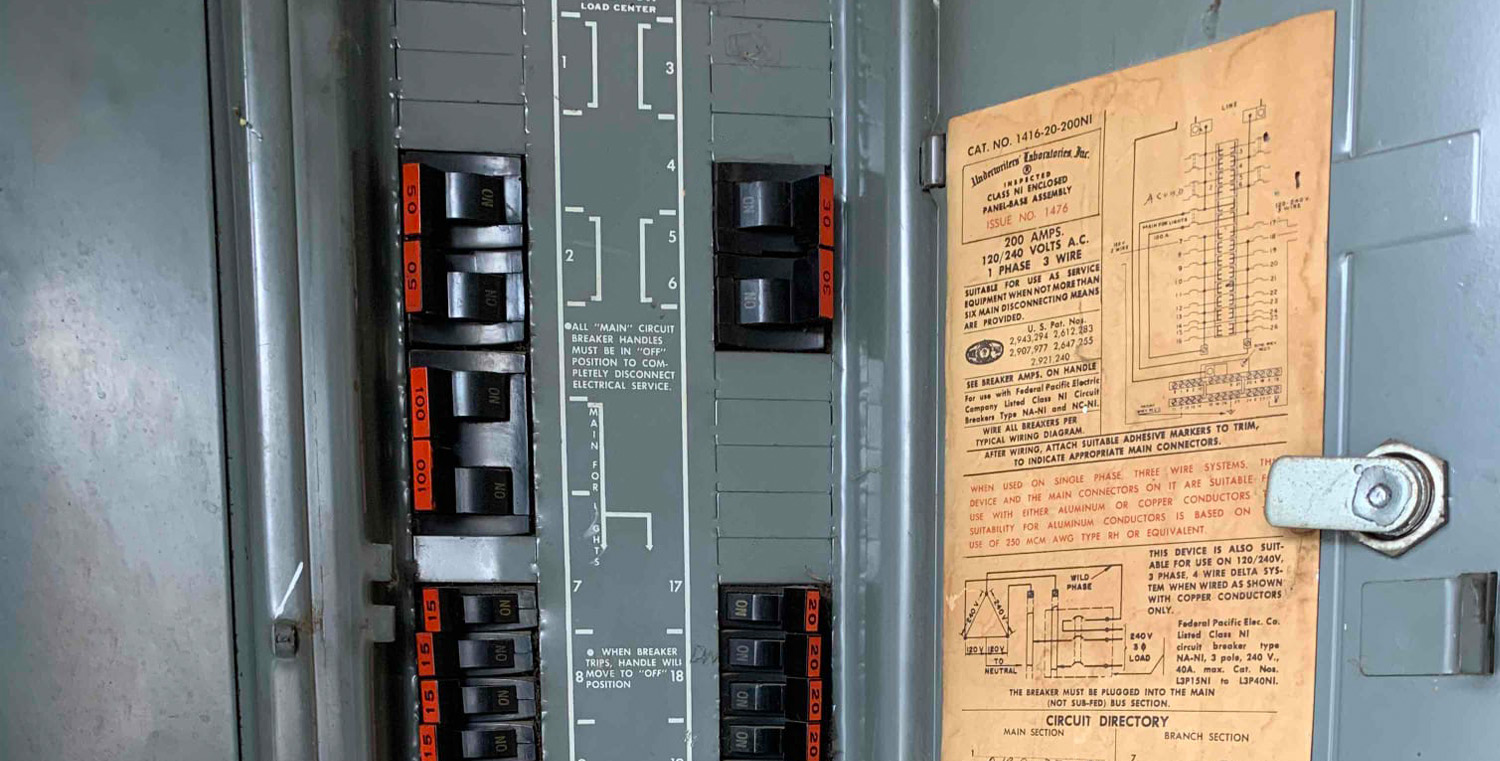

Historical Background: FPE panels, prevalent from the 1950s to the 1980s, were a common choice in residential properties due to their affordability. Many homes built during this period were equipped with FPE panels, making them a familiar sight in older houses.
Critical Safety Concerns: Understanding the practical safety issues associated with FPE panels is vital for homeowners, as these concerns have real-world implications for your safety and that of your property:
-
Failure to Trip During Faults: The most pressing safety concern with FPE panels is their alarming tendency to fail in tripping during electrical faults. Here’s what you need to know:
-
Why It’s a Problem: In a well-designed electrical system, circuit breakers act as critical safety devices. They are supposed to detect abnormalities, such as overloaded circuits or short circuits, and instantly trip to cut off the power supply, preventing electrical fires and protecting your home. Unfortunately, FPE circuit breakers have consistently demonstrated a failure to perform this essential function.
-
The Consequences: When an FPE circuit breaker doesn’t trip as expected during a fault, the affected electrical circuit remains active. This means that an electrical fault, which might involve overheating or sparking, is left unchecked. Such a situation significantly elevates the risk of electrical fires, potentially leading to catastrophic consequences, including property damage and life-threatening situations.
-
The Underlying Concern: It’s crucial to realize that the issue with FPE panels isn’t limited to their historical reputation or past problems. The fundamental problem persists, even if you haven’t encountered any issues with your FPE panel thus far. Electrical safety isn’t something you can afford to gamble with. The potential for a circuit breaker’s failure to trip remains, making the continued use of an FPE panel an unnecessary risk.
-
Taking Action: To ensure the safety of your home and family, it’s strongly recommended to have a licensed electrician inspect your electrical panel. If they identify an FPE panel, immediate replacement is the best course of action. Your investment in a safer, modern electrical panel is an investment in your peace of mind and the well-being of your loved ones. Don’t compromise on safety—act promptly to address FPE panel concerns.
-
Stab-Lok Breakers: Within the realm of FPE panels, a subgroup is fitted with Stab-Lok breakers, which have gained notoriety within the electrical industry. It’s vital for homeowners to be well-informed about these breakers:
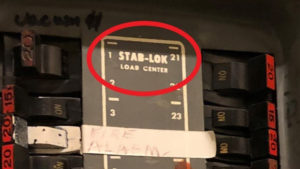
Overheating and Poor Connections: Stab-Lok breakers are notorious for their subpar connections within the panel. These compromised connections can lead to overheating, increasing the risk of circuit breaker failure and potential fires. Importantly, it should be noted that even if the breaker doesn’t trip as intended, it can still become dangerously hot.
Detection: Identifying Stab-Lok breakers is relatively straightforward. Homeowners can visually inspect their electrical panel and look for the Stab-Lok branding on the circuit breakers. If Stab-Lok breakers are present, immediate action should be taken to address the safety concerns associated with these breakers.
-
Label and Logo: Look for the label or logo on the panel cover. Federal Pacific Electric typically imprints its name or logo on the cover, making it a clear indicator. The logo often features an abbreviation like “FPE” or “Federal Pacific.”
-
Stab-Lok Breakers: Examine the circuit breakers within the panel. If the breakers have labels that mention “Stab-Lok” or “Federal Pacific,” it’s a strong indication that the panel is manufactured by FPE. Stab-Lok is a specific type of breaker that is closely associated with FPE and has been a subject of safety concerns.
-
Inspect the Panel Directory: Open the panel cover and check the inside. Look for a directory or label that lists the circuits and their corresponding locations in the house. If you see “Federal Pacific Electric” or “FPE” on this directory, it confirms the presence of an FPE panel.
Failure Rate and Recall:
Federal Pacific Electric (FPE) panels, notably those equipped with Stab-Lok breakers, have been associated with alarming failure rates, making it imperative to understand the risks:
-
High Failure Rates: Extensive studies and investigations have revealed shockingly high failure rates within FPE panels, particularly in the case of Stab-Lok breakers. These failure rates have been documented to exceed 60% under certain conditions. Such a staggering failure rate underscores the severe safety concerns associated with these panels.
-
Lack of Formal Recall: It’s important to note that, despite the substantial evidence of safety hazards, there has not been a formal recall of FPE panels. This situation has left homeowners in a challenging position, as they are responsible for addressing the safety risks associated with these panels themselves.
Real-World Impact:
Understanding the real-world consequences of FPE panel issues is crucial for homeowners. Here are some examples of the devastating real-world impacts:
-
Electrical Fires: Numerous documented cases of electrical fires have been directly attributed to FPE panels, especially those equipped with Stab-Lok breakers. These fires have resulted in extensive property damage, personal injuries, and, tragically, loss of life. For instance, in 2015, a fire in a Pennsylvania home was linked to a malfunctioning Stab-Lok breaker within the FPE panel. The fire engulfed the entire house, resulting in the destruction of the property and the loss of irreplaceable belongings.
-
Safety Compromised: The safety of homeowners and their families is at stake when dealing with FPE panels. In a harrowing incident in 2019, a family in Ohio narrowly escaped injury when an electrical fire erupted due to a faulty Stab-Lok breaker. The fire caused significant damage to their home and underscored the life-threatening risks associated with these panels.
The importance of urgently replacing FPE panels, especially those featuring Stab-Lok breakers, cannot be overstated:
-
Prioritize Safety: Homeowners must prioritize their safety and the safety of their family above all else. The numerous documented cases of electrical fires associated with these panels underscore the need for immediate action. Delaying replacement exposes occupants to significant risks, which can lead to devastating outcomes. Consulting a licensed electrician promptly to assess the situation and replace these panels with a modern, safe alternative is not just a wise decision; it’s a vital step to protect lives and property. The investment in safety is immeasurable when compared to the potential devastating consequences of inaction.
Zinsco Panels:

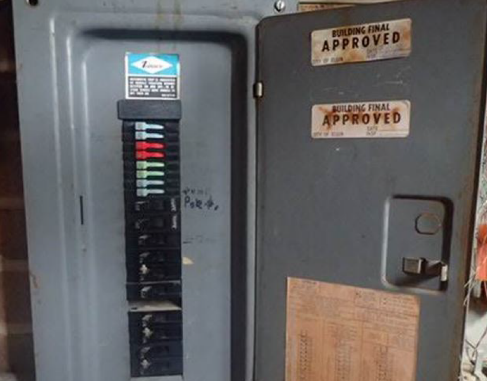
Historical Context: Zinsco panels, short for Zinsco-Sylvania, gained significant popularity during the mid-20th century, particularly in the 1950s and 1960s. These electrical distribution panels were marketed as cost-effective solutions for the growing number of homes being built in the post-World War II era. Their affordability made them an attractive choice for both builders and homeowners.
Safety Issues:
Despite their initial popularity, Zinsco panels have been plagued by a range of safety concerns that homeowners and potential property buyers must be aware of. Understanding these issues is critical to making informed decisions regarding the safety of the electrical system:
1. Circuit Breaker Problems: The most pressing and widely recognized safety issue with Zinsco panels lies in their circuit breakers. These breakers have earned notoriety for their tendency to jam or fail to trip during overcurrent situations. Normally, circuit breakers are designed to interrupt the flow of electrical current when they detect excessive current, thereby preventing overheating and potential electrical fires. However, Zinsco breakers often fail in this fundamental safety function, allowing excessive current to flow unchecked.
2. Risk of Overheating: When a Zinsco circuit breaker fails to trip in response to overcurrent, it allows electrical circuits to become overloaded. This overloading can lead to overheating of wires, insulation, and circuit components. Prolonged overheating can result in the deterioration of insulation, melting of wires, and an increased risk of electrical fires.
3. Compatibility Issues: Another significant concern regarding Zinsco panels is the challenge of finding replacement parts and qualified technicians proficient in servicing or maintaining these panels. Over time, the availability of Zinsco-compatible components and experienced electricians familiar with these aging systems has significantly dwindled. This situation raises practical difficulties for homeowners when it comes to ensuring the long-term safety and reliability of their electrical panels.
Identification of Zinsco Panels:
Identifying Zinsco panels is crucial for homeowners and property buyers, as these panels have known safety issues. To accurately recognize Zinsco electrical panels, it’s essential to consider several distinctive features:
-
Unique Font and Labeling Style: Zinsco panels often feature a unique font and labeling style on the panel cover, which can be different from other manufacturers’ panels. Pay close attention to the font used for the panel’s labels and any unusual design elements.
-
Breaker Colors: While Zinsco breakers are often associated with shades of brown, tan, or rust, it’s essential to note that some Zinsco breakers can be multi-colored. These breakers may exhibit various colors, making them stand out from the uniform appearance of breakers in other panels.
-
Labeling: Look for labels or markings on the panel’s cover or interior that indicate the manufacturer’s name or logo. Zinsco panels often have the company’s name or logo prominently displayed.
Replacement Imperative:
Given the substantial safety concerns associated with Zinsco panels, including issues related to circuit breakers, unique fonts, and labeling styles, and the practical challenges in finding suitable replacement parts or expert technicians to service them, replacing these panels is not merely a suggestion; it is an imperative safety measure. Homeowners, especially those residing in homes with Zinsco panels, should be acutely aware of the potential risks these panels pose to their lives and property.
Real-World Impact of Zinsco Panels: Protecting Lives and Property
The dangers associated with Zinsco panels are not mere theoretical concerns; they have resulted in real-world disasters, emphasizing the urgency of replacing them. Here are some poignant examples of how Zinsco panels have affected lives and property:
-
Electrical Fires: Zinsco panels have been directly linked to electrical fires, putting lives and homes in jeopardy.
-
Example 1: A family in California experienced a harrowing incident when their home was engulfed in flames, with the origin of the fire traced back to a malfunctioning Zinsco panel. Despite the rapid response of the local fire department, the house suffered extensive damage, resulting in the displacement of the family and the loss of cherished possessions.
-
Example 2: In Arizona, a homeowner faced a similar ordeal when a Zinsco panel-related electrical fire ravaged their residence. The incident not only caused severe structural damage but also highlighted the potential dangers of outdated electrical panels.
-
-
Property Damage: Beyond the immediate threat of fires, Zinsco panels have been implicated in property damage due to their circuit breaker issues. Instances of melted wiring, damaged appliances, and costly repairs have been reported, highlighting the financial toll these panels can impose.
-
Example 3: A homeowner in Texas encountered a distressing situation when a Zinsco panel’s circuit breaker failed to trip during a power surge. The resulting overcurrent led to the melting of wiring in the electrical panel, damaging several connected appliances and necessitating extensive repairs.
-
Example 4: In another case, a Zinsco panel’s repeated failure to interrupt electrical overloads resulted in significant damage to the property’s internal wiring. The cost of rewiring and replacing damaged components placed a considerable financial burden on the homeowner.
-
GTE-Sylvania Panels (formerly Zinsco Panels):

Historical Context: GTE-Sylvania panels, formerly known as Zinsco panels, were prevalent in homes during the mid-20th century, particularly from the 1950s to the 1970s. They were marketed as reliable and cost-effective choices for electrical distribution during these years.
Safety Issues: GTE-Sylvania panels share the same safety concerns as Zinsco panels, particularly related to the circuit breakers’ reliability and their tendency to fail during overcurrent situations. This poses a risk of inadequate response to electrical faults and increases the risk of overheating, melting, and electrical fires.
Common Safety Concerns: Homeowners and buyers should be aware that GTE-Sylvania panels and Zinsco panels essentially represent the same product produced under different names during the period when GTE owned Zinsco (1950s-1970s). Therefore, the safety concerns and replacement imperative mentioned in the Zinsco section also apply to GTE-Sylvania panels installed during these years. Replacing these panels with modern, safer electrical panels is strongly recommended to reduce the risk of electrical hazards.