
Comprehensive Guide to Countertops
The Significance of Countertops in Property Sales
Countertops play a pivotal role in the world of real estate, serving as both functional workspaces and aesthetic centerpieces within homes. These horizontal surfaces, often located in kitchens and bathrooms, hold a unique position in property sales for several compelling reasons.
Enhancing Aesthetics and First Impressions
Countertops are one of the first things potential buyers notice when entering a property. Their aesthetic appeal can set the tone for the entire space. The choice of countertop material, color, and design can significantly influence a buyer’s first impression of a property. A beautifully crafted countertop can create a sense of luxury and sophistication, instantly captivating buyers.
Defining Functionality and Daily Living
Beyond aesthetics, countertops serve as functional workspaces for daily activities such as cooking, meal preparation, and hygiene routines. Their quality, durability, and layout can greatly impact the overall functionality and efficiency of a kitchen or bathroom. Buyers often seek properties with well-designed countertops that facilitate their daily living needs.
Reflecting Property Value and Investment Potential
Countertops can be a strong indicator of a property’s overall value and investment potential. High-quality countertops made from premium materials not only add to a property’s market value but also contribute to its long-term desirability. Savvy buyers recognize that properties with upgraded countertops can offer a better return on investment, making them a sought-after feature in the real estate market.
Brokers’ Role in Countertop Assessment and Marketing
Real estate brokers play a crucial role in guiding buyers and sellers through the intricate process of property transactions. When it comes to countertops, brokers must be well-informed and proactive in their approach to ensure a smooth and successful sale.
Educating Buyers and Sellers
Brokers are responsible for educating both buyers and sellers about the significance of countertops in property sales. Sellers need to understand the potential impact of countertop quality and aesthetics on their property’s market value. Buyers, on the other hand, should be aware of how different countertop materials can align with their preferences and needs.
Expert Evaluation and Recommendation
Brokers should possess the expertise to evaluate the condition, quality, and craftsmanship of countertops within a property. This includes identifying signs of wear and tear, assessing the structural integrity of the countertops, and recognizing opportunities for enhancement or repair.
Furthermore, brokers should be able to recommend suitable countertop materials based on the property’s style, target market, and budget constraints. Their ability to make informed recommendations can greatly influence a buyer’s decision-making process.
Showcasing Countertops in Property Listings
Effectively marketing a property involves showcasing its unique features, including countertops. Brokers should collaborate with professional photographers and staging experts to capture the visual appeal of countertops through high-quality images and virtual tours. Highlighting these features in property listings can attract potential buyers and increase the property’s marketability.
Granite Countertops
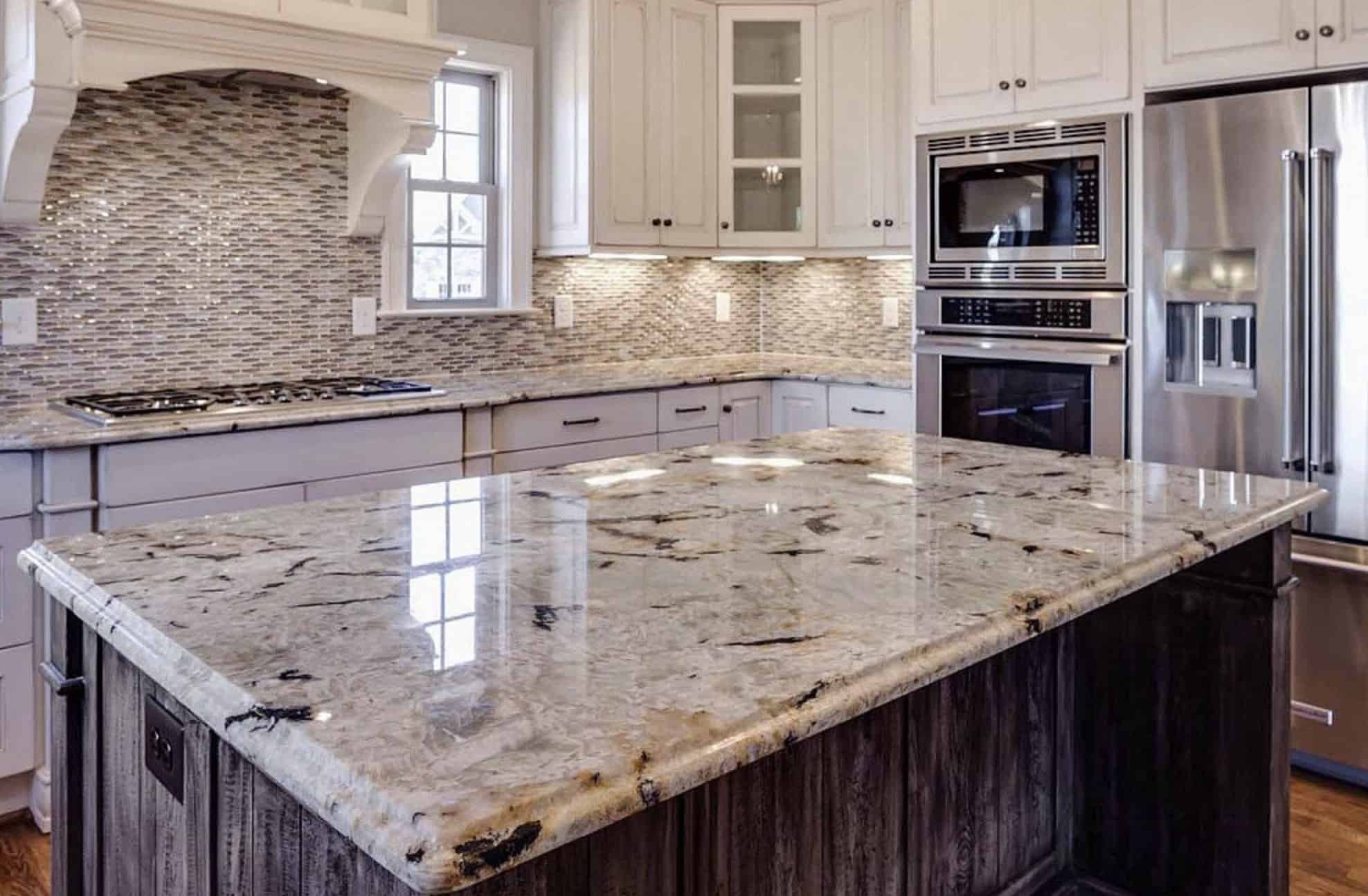
Granite countertops are highly regarded for their exceptional characteristics and durability, making them a popular choice in the world of real estate.
Characteristics:
-
Natural Beauty: Granite is an igneous rock formed deep within the Earth’s crust, resulting in unique patterns and colors that showcase the beauty of nature. No two granite slabs are identical, making each countertop a one-of-a-kind piece of art.
-
Exceptional Hardness: Granite is one of the hardest natural stones available for countertops, ranking just below diamonds on the Mohs scale of mineral hardness. This hardness ensures that granite countertops can withstand everyday wear and tear without easily scratching or chipping.
-
Heat Resistance: Granite countertops exhibit remarkable heat resistance, allowing hot pots, pans, and cooking utensils to be placed directly on their surface without causing damage or discoloration. This heat resistance is particularly beneficial in kitchens where cooking is a common activity.
-
Durability: Granite is a dense and non-porous material, which means it is less prone to absorbing liquids and staining. It is also highly resistant to moisture, making it suitable for use in bathrooms and outdoor settings.
Durability:
-
Aesthetic Appeal: Granite countertops exude a timeless and elegant charm. Their natural beauty and unique veining patterns can enhance the overall aesthetics of a kitchen or bathroom, creating a luxurious and inviting ambiance.
-
Varieties: Granite is available in a wide range of colors, from classic whites and blacks to vibrant reds, blues, and greens. The extensive variety of options ensures that homeowners can find the perfect granite countertop to match their design preferences and complement their property’s style.
Maintenance and Care
-
Sealing: To maintain the longevity of granite countertops, it is recommended to have them sealed periodically. Sealants act as a protective barrier, preventing liquids from penetrating the stone and causing stains. The frequency of sealing depends on the specific granite type and usage but typically ranges from every 1 to 3 years.
-
Cleaning: Granite countertops are easy to clean with mild soap and warm water. Avoid abrasive or acidic cleaners, as they can damage the sealant and the stone itself. Regular wiping and cleaning can keep the countertop looking pristine.
Heat and Scratch Resistance
-
Heat Tolerance: Granite countertops can handle high temperatures without scorching or burning. They are an excellent choice for avid cooks who frequently place hot pots and pans on their surfaces. However, it’s advisable to use trivets or hot pads to protect the sealant.
-
Scratch Resistance: While granite is highly scratch-resistant, it’s not completely immune to scratching. It is best to use cutting boards and avoid sliding heavy, sharp objects across the surface to prevent any potential damage.
Hygiene and Food Safety
-
Non-Porous Surface: Granite’s non-porous nature makes it a hygienic choice for food preparation areas. Bacteria and germs have a harder time finding a foothold on the smooth surface, making it easier to maintain a clean and safe environment.
-
Stain Resistance: Granite’s resistance to staining ensures that spilled liquids or food residues can be easily wiped away, reducing the risk of bacterial growth.
Cost Considerations
-
Investment: Granite countertops are considered an investment in a property due to their durability and timeless appeal. While they may have a higher upfront cost compared to some other materials, they often contribute to a property’s resale value and long-term desirability.
-
Varied Pricing: The price of granite countertops can vary significantly depending on factors such as the type of granite, its rarity, and the complexity of the installation. Buyers have the flexibility to choose from a wide range of price points, making it possible to find a granite countertop that aligns with their budget.
In summary, granite countertops are prized for their natural beauty, durability, heat and scratch resistance, ease of maintenance, and hygienic properties. While they may require periodic sealing and careful cleaning, their investment value and aesthetic appeal make them a desirable choice in the real estate market. Buyers and sellers alike should consider these characteristics and cost factors when evaluating properties with granite countertops.
Quartz Countertops

Quartz countertops have gained immense popularity in the real estate market due to their impressive characteristics and durability.
Characteristics:
-
Engineered Material: Unlike natural stones like granite and marble, quartz countertops are engineered surfaces made by combining crushed quartz minerals with resins and pigments. This engineered composition gives them consistent color and pattern options.
-
Durability: Quartz countertops are known for their exceptional durability. They are highly resistant to scratching, chipping, and cracking, making them ideal for high-traffic areas such as kitchens and bathrooms.
-
Non-Porous Surface: Quartz is non-porous, which means it does not absorb liquids or stains. This non-porous nature makes it hygienic and easy to clean, as it resists the growth of bacteria and mold.
Aesthetic Appeal and Varieties
-
Aesthetic Versatility: Quartz countertops offer a wide range of color and pattern options. They can mimic the appearance of natural stones like marble or granite or showcase unique and contemporary designs, catering to various interior styles.
-
Consistent Appearance: Unlike natural stones, where variations in color and pattern are expected, quartz provides a consistent appearance across the entire countertop. This predictability can be appealing to buyers seeking uniformity.
Maintenance and Care
-
Low Maintenance: Quartz countertops are virtually maintenance-free. They do not require sealing like natural stones and can be cleaned with mild soap and water. This low maintenance aspect is a significant advantage for homeowners.
-
Cleaning Ease: The non-porous surface of quartz countertops means they are resistant to staining. Spills and food residues can be easily wiped away, ensuring a clean and safe food preparation area.
Heat and Scratch Resistance
-
Heat Tolerance: While quartz countertops are heat-resistant, they are not entirely heatproof. It is advisable to use trivets or hot pads to protect the surface from direct contact with hot cookware or utensils.
-
Scratch Resistance: Quartz countertops are highly scratch-resistant, but using cutting boards for chopping and avoiding dragging heavy, sharp objects across the surface is recommended to maintain their pristine condition.
Hygiene and Food Safety
-
Non-Porous and Hygienic: The non-porous nature of quartz makes it an excellent choice for food preparation areas. It is less likely to harbor bacteria and is easy to clean and sanitize, ensuring food safety.
Cost Considerations
-
Investment Value: Quartz countertops are considered an investment in a property. While they may have a moderate to slightly higher upfront cost than some other materials, their durability, low maintenance requirements, and aesthetic appeal can add to a property’s resale value.
-
Varied Pricing: The price of quartz countertops varies depending on factors such as the brand, color, and thickness. Buyers have the flexibility to choose quartz countertops that align with their budget while enjoying the benefits of this durable and stylish material.
In summary, quartz countertops offer an excellent combination of durability, aesthetic versatility, low maintenance, and hygiene. They are a popular choice for both buyers and sellers in the real estate market, and understanding these characteristics and cost considerations is essential when evaluating properties with quartz countertops.
Marble Countertops
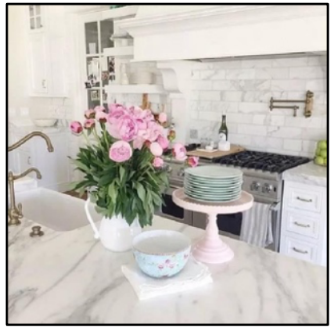
Marble countertops are known for their timeless elegance and distinctive characteristics, making them a sought-after choice in the real estate market.
Characteristics:
-
Natural Beauty: Marble is a natural stone formed from limestone that has undergone metamorphism. It boasts unique veining patterns, colors, and shades, making each slab a work of art. The natural beauty of marble adds a touch of luxury to any space.
-
Softness: Compared to other countertop materials like granite or quartz, marble is relatively soft. This softness can make it susceptible to scratches and etching, especially from acidic substances.
-
Cool Temperature: Marble countertops remain cool to the touch, making them a popular choice for pastry chefs and bakers who require a cold surface for working with dough.
Durability:
-
Vulnerability to Scratches: Marble countertops are more prone to scratching due to their softer nature. It’s essential to use cutting boards and avoid dragging sharp or abrasive objects on the surface to minimize the risk of damage.
-
Resistance to Heat: Marble is naturally heat-resistant, allowing it to withstand hot pots and pans without scorching or discoloration. However, it is still advisable to use trivets or hot pads to protect the surface’s sealant.
Aesthetic Appeal and Varieties
-
Timeless Elegance: Marble countertops exude timeless elegance and sophistication. They have been used in luxury homes and historic buildings for centuries, making them a symbol of refined taste and opulence.
-
Varieties: Marble comes in various types, including Carrara, Calacatta, Statuario, and more, each with its unique veining and color palette. This variety allows homeowners to choose the specific marble that best complements their design preferences.
Maintenance and Care
-
Sealing: Marble countertops are porous and require regular sealing to protect against staining and etching. The frequency of sealing depends on usage but typically ranges from every six months to a year.
-
Cleaning: Marble countertops should be cleaned with a mild, pH-balanced stone cleaner or a mixture of warm water and a gentle dish soap. Avoid using acidic or abrasive cleaners, as they can damage the marble’s surface.
Heat and Scratch Resistance
-
Heat Tolerance: Marble countertops exhibit excellent heat resistance and can handle hot cookware without damage. However, it is still advisable to use trivets or hot pads to prevent any potential harm to the sealant.
-
Scratch Vulnerability: Due to its softer nature, marble is more susceptible to scratches. Using cutting boards and taking care when handling sharp objects can help preserve its appearance.
Hygiene and Food Safety
-
Surface Hygiene: Marble’s non-porous surface, when properly sealed and maintained, is relatively hygienic. It resists the growth of bacteria and is easy to clean, making it suitable for food preparation areas.
Cost Considerations
-
Investment: Marble countertops are often considered an investment due to their luxurious appearance. However, they may require more maintenance and care than other materials, which can impact long-term costs.
-
Varied Pricing: The price of marble countertops varies significantly based on factors such as the type of marble, rarity, and installation complexity. Buyers should consider the initial cost and ongoing maintenance when evaluating properties with marble countertops.
In summary, marble countertops offer a classic and luxurious aesthetic appeal, but they require diligent care and maintenance to preserve their beauty. Buyers and sellers should be aware of the specific characteristics, vulnerabilities, and cost considerations associated with marble countertops when assessing properties in the real estate market.
Solid Surface Countertops
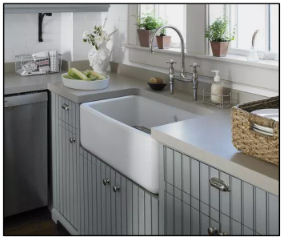
Solid surface countertops have gained popularity for their versatility and durability, making them a valuable addition to various real estate properties.
Characteristics:
-
Composition: Solid surface countertops are made from a blend of acrylic polymers and natural minerals, primarily aluminum trihydrate derived from bauxite ore. This combination results in a homogenous, non-porous surface.
-
Seamless Appearance: One of the standout characteristics of solid surface countertops is their seamless appearance. They can be installed without visible seams, creating a sleek and continuous surface.
-
Color Variety: Solid surface countertops offer a wide range of color options and can even mimic the appearance of natural stones like granite or marble. This versatility allows homeowners to choose a color that complements their interior design.
Durability:
-
Stain Resistance: Solid surface countertops are non-porous, making them highly resistant to stains. This characteristic ensures that spills and food residues can be easily wiped away without leaving lasting marks.
-
Scratch Resistance: While solid surface countertops are generally resistant to scratches, they are not entirely scratch-proof. Using cutting boards and taking care when handling sharp objects can help maintain their appearance.
-
Repairability: One significant advantage of solid surface countertops is their repairability. Minor scratches and blemishes can often be sanded out, restoring the surface to its original condition.
Aesthetic Appeal and Varieties
-
Design Flexibility: Solid surface countertops offer design flexibility, allowing for the integration of sinks, backsplashes, and other elements directly into the countertop. This seamless design contributes to a clean and modern aesthetic.
-
Color Customization: Homeowners can choose from a wide range of colors and patterns to suit their design preferences. The ability to create custom colors and designs adds to the appeal of solid surface countertops.
Maintenance and Care
-
Cleaning Ease: Maintaining solid surface countertops is relatively straightforward. Regular cleaning with mild soap and water is usually sufficient. Stubborn stains can be removed with a gentle abrasive cleaner.
-
Seam Care: While solid surface countertops offer seamless installations, the seams where two pieces meet can be vulnerable to moisture. Proper sealing and maintenance of these seams are essential to prevent any issues.
Heat and Scratch Resistance
-
Heat Tolerance: Solid surface countertops have moderate heat resistance. While they can withstand moderately hot cookware, using trivets or hot pads is recommended to prevent any potential damage.
-
Scratch Vulnerability: Like most countertop materials, solid surface countertops can be scratched by sharp objects. Using cutting boards and practicing caution when handling utensils can help prevent scratches.
Hygiene and Food Safety
-
Non-Porous Surface: Solid surface countertops are non-porous, which means they do not harbor bacteria or mold growth. This characteristic makes them hygienic and suitable for food preparation areas.
Cost Considerations
-
Moderate Pricing: Solid surface countertops are typically priced in the mid-range when compared to other countertop materials. While they may not be the least expensive option, their durability and design versatility often make them a worthwhile investment.
-
Installation Costs: The cost of installation may vary based on factors such as complexity and customization. Buyers should consider both the material and installation costs when evaluating properties with solid surface countertops.
In summary, solid surface countertops offer a seamless, versatile, and low-maintenance option for real estate properties. Buyers and sellers should be aware of their characteristics, benefits, and considerations when assessing properties in the real estate market.
Laminate Countertops
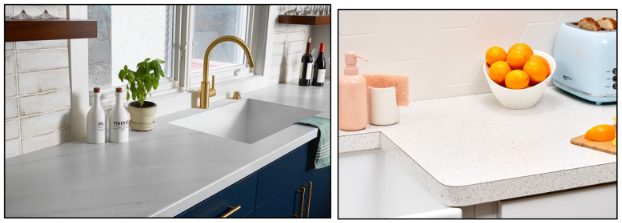
Laminate countertops are a cost-effective and versatile choice in the realm of countertop materials, known for their practicality and ease of maintenance.
Characteristics:
-
Composition: Laminate countertops are constructed by layering multiple materials. A core layer of particleboard or medium-density fiberboard (MDF) provides stability, while a decorative layer featuring various designs or patterns is placed on top. Finally, a clear, protective layer of laminate seals the surface.
-
Variety of Designs: One of the primary characteristics of laminate countertops is their wide range of design options. Laminate can mimic the appearance of natural stones, wood grains, or solid colors, making it a versatile choice for various interior styles.
-
Affordability: Laminate countertops are among the most budget-friendly options available, making them attractive to homeowners seeking cost-effective solutions.
Durability:
-
Resistance to Stains: Laminate countertops are generally resistant to stains, as their surface is non-porous and easy to clean. Spills and food residues can be wiped away effortlessly.
-
Vulnerability to Scratches: While laminate countertops can resist everyday wear and tear, they are more susceptible to scratches and dings compared to harder materials like granite or quartz. Using cutting boards and avoiding abrasive materials is advisable to maintain their appearance.
-
Moisture Sensitivity: Laminate countertops are sensitive to prolonged exposure to moisture. Water infiltration at seams or edges can lead to swelling or delamination, so maintaining a watertight seal is crucial.
Aesthetic Appeal and Varieties
-
Design Diversity: Laminate countertops offer an extensive array of design options, allowing homeowners to choose from various patterns, colors, and textures. Whether the goal is to replicate the look of natural stone or achieve a bold, modern aesthetic, laminate can accommodate various design preferences.
-
Edge Profiles: Laminate countertops also provide options for edge profiles, enabling customization of the countertop’s appearance and style.
Maintenance and Care
-
Cleaning Simplicity: Maintaining laminate countertops is straightforward. They can be cleaned with mild soap and water or a gentle household cleaner. Avoiding abrasive cleaners or scouring pads is essential to prevent damage.
-
Sealing Not Required: Unlike natural stone countertops, laminate surfaces do not require sealing, reducing maintenance efforts and costs.
Heat and Scratch Resistance
-
Heat Tolerance: Laminate countertops are sensitive to high heat. Placing hot pots or pans directly on the surface can cause discoloration or bubbling. The use of trivets or hot pads is recommended.
-
Scratch Vulnerability: Laminate surfaces can be scratched by sharp objects or knives. While they offer some resistance to scratching, care should be taken to preserve their appearance.
Hygiene and Food Safety
-
Non-Porous Surface: Laminate countertops are non-porous, which means they do not harbor bacteria or promote mold growth. This makes them suitable for food preparation areas where hygiene is a concern.
Cost Considerations
-
Affordability: Laminate countertops are highly budget-friendly, making them an attractive option for homeowners looking to save on renovation costs.
-
Installation Costs: The cost of installation is often lower for laminate countertops compared to materials that require specialized installation techniques. Buyers should consider both material and installation costs when evaluating properties with laminate countertops.
In summary, laminate countertops are a practical and cost-effective choice for homeowners. Understanding their characteristics, design versatility, and maintenance requirements is crucial for buyers and sellers in the real estate market when assessing properties with laminate countertops.
Wooden and Butcher Block Countertops
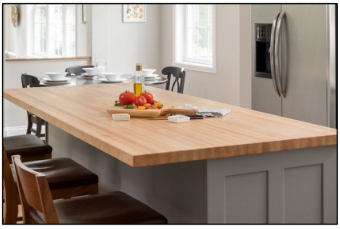
Wooden and butcher block countertops are renowned for their natural beauty and warmth, making them a sought-after choice for homeowners who appreciate the timeless appeal of wood.
Characteristics:
-
Materials: Wooden countertops are typically crafted from hardwoods like oak, maple, walnut, or cherry. Butcher block countertops, a specific type of wooden countertop, consist of thick, solid wood blocks bonded together.
-
Warmth and Aesthetics: One of the key characteristics of wooden countertops is their warm and inviting appearance. They bring a natural, organic feel to the kitchen or any space where they are installed.
-
Varieties: Different wood species offer a range of grain patterns, colors, and textures, allowing homeowners to choose a wood type that complements their interior design.
Durability:
-
Solid and Durable: Wooden countertops are solid and durable, capable of withstanding regular use for many years.
-
Vulnerability to Moisture: Wood is sensitive to moisture, and prolonged exposure can lead to warping, cracking, or mold growth. Proper sealing and maintenance are essential to prevent moisture-related issues.
-
Sealing Requirements: Butcher block countertops, in particular, require regular sealing with food-safe mineral oil or beeswax to maintain their durability and prevent drying or cracking.
Aesthetic Appeal and Varieties
-
Natural Beauty: Wooden countertops exude natural beauty and provide a rustic or traditional ambiance. The unique grain patterns and colors of different wood species contribute to their aesthetic appeal.
-
Customization: Homeowners can choose from various wood species, finishes, and edge profiles to customize their wooden countertops, tailoring them to their desired look and style.
Maintenance and Care
-
Regular Sealing: To maintain the integrity of wooden countertops, regular sealing is essential. Applying food-grade mineral oil or beeswax periodically helps protect the wood from moisture and stains.
-
Cleaning: Cleaning wooden countertops requires gentle care. Mild soap and water are suitable for routine cleaning, but harsh chemicals or abrasive scrubbers should be avoided to prevent damage to the wood.
Heat and Scratch Resistance
-
Heat Tolerance: Wooden countertops can handle moderate heat, but they are susceptible to scorching or burn marks. Using trivets or hot pads is advisable to protect the wood from direct heat.
-
Scratch Vulnerability: Wood is softer than some other countertop materials, making it prone to scratching. Using cutting boards and taking care when handling sharp objects can help prevent scratches.
Hygiene and Food Safety
-
Natural Antibacterial Properties: Some hardwoods, like maple, possess natural antibacterial properties, which can make wooden countertops hygienic and safe for food preparation.
-
Regular Maintenance: Maintaining wooden countertops with proper sealing and cleaning is crucial to ensure they remain a hygienic surface.
Cost Considerations
-
Cost Range: Wooden countertops fall within a moderate to high price range, depending on the chosen wood species and customization options. Butcher block countertops can be relatively more affordable than solid wood options.
-
Installation Costs: Installation costs may vary based on factors such as wood type, customization, and any additional features like integrated sinks or edge profiles. Buyers should consider both material and installation costs when evaluating properties with wooden or butcher block countertops.
In summary, wooden and butcher block countertops bring a touch of natural beauty and warmth to any space. While they require regular maintenance and are sensitive to moisture and heat, their durability and aesthetic appeal make them an attractive choice for homeowners. Buyers and sellers in the real estate market should be familiar with these characteristics when assessing properties with wooden or butcher block countertops.
Concrete Countertops
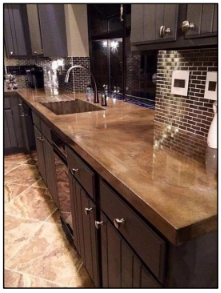
Concrete countertops have gained popularity in recent years due to their modern and customizable appearance, making them a unique choice in the world of countertop materials.
Characteristics:
-
Material Composition: Concrete countertops are typically constructed using a blend of cement, aggregates (such as sand or crushed stone), water, and additives. The mixture is poured into molds to create the desired shape and size.
-
Customizable Designs: One of the defining characteristics of concrete countertops is their versatility in design. They can be customized with various pigments, stains, and decorative elements to achieve a wide range of aesthetics, from industrial to contemporary.
-
Strength: When properly made and sealed, concrete countertops are exceptionally strong and durable, capable of withstanding regular use and heavy loads.
Durability:
-
Resistance to Stains: Concrete countertops can be porous, making them susceptible to staining if not adequately sealed. Proper sealing is crucial to protect against spills and food residues.
-
Vulnerability to Cracking: While concrete is durable, it can develop hairline cracks over time, especially if subjected to temperature fluctuations or settling. Proper installation and maintenance can mitigate this risk.
Aesthetic Appeal and Varieties
-
Design Versatility: Concrete countertops offer a wide range of design possibilities. They can be made to resemble natural stone, have a smooth or textured finish, or feature decorative inlays, making them a versatile choice for various interior styles.
-
Color Options: Concrete countertops can be tinted with pigments or stains to achieve a spectrum of colors and patterns, allowing homeowners to match their desired aesthetic.
Maintenance and Care
-
Sealing: Proper sealing is essential to protect concrete countertops from staining and moisture absorption. Sealants should be food-safe and reapplied periodically as needed.
-
Cleaning: Cleaning concrete countertops involves using a mild, pH-balanced cleaner and a soft cloth or sponge. Avoid abrasive cleaners or scrubbers to prevent damage to the sealant.
Heat and Scratch Resistance
-
Heat Tolerance: Concrete countertops have excellent heat resistance and can withstand hot pots and pans placed directly on the surface. However, prolonged exposure to extreme heat can cause discoloration or damage the sealant.
-
Scratch Vulnerability: While concrete is generally scratch-resistant, abrasive materials or cutting directly on the surface can lead to scratches. Using cutting boards and taking care with sharp objects is advisable.
Hygiene and Food Safety
-
Sealing and Cleaning: Proper sealing and regular cleaning are essential for maintaining the hygiene of concrete countertops, as they can be porous and susceptible to food particles and bacteria infiltration.
Cost Considerations
-
Cost Range: Concrete countertops can fall within a moderate to high price range, depending on factors such as customization, additives, and the complexity of the design.
-
Installation Costs: Installation costs may vary based on factors like design complexity, edge profiles, and sealing requirements. Buyers should consider both material and installation costs when evaluating properties with concrete countertops.
In summary, concrete countertops offer homeowners a modern and customizable option with a wide range of design possibilities. Proper maintenance and sealing are crucial to ensure their durability and hygiene. Buyers and sellers in the real estate market should be familiar with these characteristics when assessing properties with concrete countertops.
Tile Countertops
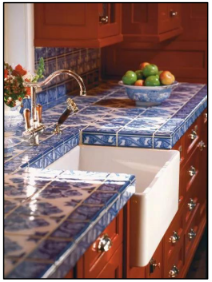
Tile countertops are a versatile and visually appealing option that can be customized to suit various design styles and preferences.
Characteristics:
-
Material Composition: Tile countertops are typically constructed using ceramic, porcelain, or natural stone tiles. These tiles are set in a pattern on the countertop surface.
-
Design Variety: Tile countertops offer a wide array of design possibilities due to the extensive range of tile sizes, colors, textures, and patterns available. This versatility allows homeowners to achieve their desired aesthetic.
-
Ease of Reparation: In case of damage or staining, individual tiles can be replaced relatively easily without the need to replace the entire countertop.
Durability:
-
Resilience: Tile countertops are generally durable and resistant to heat, making them suitable for kitchen use. However, the longevity of the grout lines and the adhesive used can affect overall durability.
-
Grout Vulnerability: The grout lines between tiles are prone to staining and moisture absorption. Proper sealing and maintenance of grout are essential to prevent issues.
Aesthetic Appeal and Varieties
-
Design Versatility: Tile countertops offer extensive design versatility. Homeowners can choose from a wide range of tile materials, colors, patterns, and layouts to create a unique and customized look.
-
Texture and Finish: Tile surfaces can vary in texture and finish, from glossy to matte, providing options for different visual effects.
Maintenance and Care
-
Grout Maintenance: Regular cleaning and sealing of grout lines are essential to prevent staining and maintain the overall appearance of tile countertops.
-
Cleaning: Cleaning tile countertops typically involves using mild, pH-balanced cleaners to avoid damaging the grout or tiles. Abrasive cleaners and scrubbers should be avoided.
Heat and Scratch Resistance
-
Heat Tolerance: Tile countertops can withstand moderate heat, but they are not entirely heatproof. The use of trivets or hot pads is recommended to protect the tiles from direct heat.
-
Scratch Resistance: Tiles are generally scratch-resistant, but sharp or abrasive objects can still cause damage. Using cutting boards and taking care with utensils can help prevent scratches.
Hygiene and Food Safety
-
Grout Sealing: Properly sealed grout lines are essential for maintaining the hygiene of tile countertops. Unsealed grout can absorb food particles and bacteria.
Cost Considerations
-
Cost Range: Tile countertops typically fall within a moderate price range. The overall cost can vary depending on factors such as the type of tiles selected, installation complexity, and customization.
-
Installation Costs: Installation costs may include expenses for the tiles themselves, labor, grout, and adhesive. The complexity of the design and the need for special cuts or patterns can influence installation costs.
In summary, tile countertops offer homeowners a versatile and visually appealing option with a wide range of design possibilities. Proper maintenance, particularly regarding grout, is crucial for their longevity and hygiene. Buyers and sellers in the real estate market should be familiar with these characteristics when assessing properties with tile countertops.