
Copper Wiring
Copper Wiring
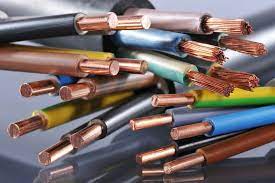
Historical Context of Copper Wiring:
Copper wiring has a rich history in electrical applications, dating back over a century. The use of copper in electrical systems began to gain prominence in the late 19th century when electricity started to be harnessed for various purposes. Before copper became the standard choice for wiring, other materials such as iron and aluminum were explored for their electrical conductivity.
The shift towards copper wiring was primarily driven by its exceptional electrical properties. Copper exhibited superior conductivity compared to other materials, allowing for efficient transmission of electrical currents. This made it the preferred choice for electrical systems during a time when electricity was rapidly transforming various industries and everyday life.
Why Copper Went Away:
Despite copper’s long-standing reputation as an excellent conductor of electricity, there was a brief period when aluminum wiring gained popularity, particularly in residential construction during the 1960s and 1970s. Several factors contributed to this temporary shift away from copper:
-
Cost-Effectiveness: Copper prices were on the rise, making aluminum an attractive alternative due to its lower cost.
-
Availability: Aluminum was more readily available than copper, further fueling its adoption in construction.
-
Lightweight: Aluminum wiring was lighter than copper, which was considered advantageous for ease of installation.
-
Copper Shortages: Periodic copper shortages led to increased interest in alternative materials like aluminum.
Why Copper Came Back:
The era of aluminum wiring in residential construction was relatively short-lived due to significant drawbacks associated with aluminum. Copper regained its position as the preferred wiring material for several compelling reasons:
-
Safety Concerns with Aluminum: Aluminum wiring was found to have inherent safety issues, primarily related to loose connections. These loose connections could lead to overheating and an increased risk of electrical fires. Consequently, copper was viewed as the safer and more reliable option.
-
Better Compatibility: Copper wiring demonstrated inherent compatibility with a wide range of electrical devices, outlets, and switches. In contrast, aluminum wiring often resulted in mismatched connections and compatibility concerns, which were significantly reduced with the use of copper.
-
Superior Conductivity: Copper’s exceptional electrical conductivity ensured the efficient transmission of electrical currents. This made it ideal for modern electrical systems with higher electrical demands, such as those found in contemporary homes.
-
Durability: Copper’s durability and resistance to corrosion were well-established attributes, ensuring that electrical systems remained reliable over time, even in adverse environmental conditions.
-
Safety Standards: Regulatory bodies and safety standards increasingly favored the use of copper wiring due to its proven safety record. This shift in regulatory support further cemented copper as the preferred choice for electrical systems.
-
Reduced Risk of Overheating: Copper’s high melting point and lower electrical resistance compared to aluminum significantly reduced the risk of overheating and potential fire hazards, further enhancing its safety profile.
Proper Installation of Copper Wiring:
Understanding the correct wiring practices associated with copper wiring is crucial for ensuring the safety, efficiency, and compliance of electrical systems in residential and commercial properties. Brokers and homeowners should be knowledgeable about the key aspects of proper copper wiring installation, which include:
-
Use of Romex (Non-Metallic Sheathed Cable): Romex, officially known as Non-Metallic Sheathed (NM) cable, is a type of electrical cable widely used for residential wiring. It consists of multiple copper conductors encased in insulation and enclosed within a non-metallic sheath. Romex is the preferred choice for many electrical applications due to its safety features and ease of installation.
-
Identification: During property inspections, look for Romex wiring, which is recognizable by its white or yellow plastic sheath enclosing the copper conductors. It is commonly used for branch circuits, such as lighting and outlets. Ensure that Romex is neatly secured and run through walls and ceilings, avoiding exposed or loose wiring, as proper installation is essential for safety and compliance.
-
-
Grounding: Proper grounding is a fundamental aspect of electrical installation. Grounding serves as a crucial safety measure, providing a designated path for electrical faults to safely dissipate into the earth, reducing the risk of electrical shock and fire. In properties with copper wiring, it is imperative to ensure the existence of a well-established grounding system. This includes:
-
Grounding Conductors: These are copper wires typically colored green or bare and are used to establish a connection between the electrical system and the grounding electrode system, which includes grounding rods and other grounding components.
-
Identification: Grounding conductors are identifiable by their green or bare appearance. They are connected to outlets, switches, and the grounding bus bar in electrical panels. Ensure that grounding conductors are securely connected and not damaged or corroded.
-
-
Grounding Rods: Grounding rods, often made of copper or a copper alloy, are driven into the ground to provide a secure electrical connection to the earth. They play a vital role in dissipating excess electrical energy in the event of a fault, lightning strike, or electrical surge.
-
Identification: Grounding rods are typically located near the main electrical service panel or where the electrical service enters the building. They appear as metal rods driven into the ground and connected to the grounding conductor.
-
-
Proper Connections: Outlets, electrical panels, and junction boxes should be equipped with grounding provisions to ensure that all electrical components are adequately grounded.
-
Identification: Inspect outlets and switches to confirm the presence of grounding terminals or screws for attaching grounding conductors. Additionally, check electrical panels for a grounding bus bar, which is a metal bar to which grounding conductors are connected. Proper connections should be tight and free from corrosion.
-
-
Identifying Good Wiring Practices:
Recognizing good wiring practices is crucial for evaluating the quality of an electrical installation and ongoing maintenance. Brokers and homeowners can look for the following indications when assessing electrical systems:
-
Neat and Tidy Wiring: A well-organized and neatly arranged electrical wiring system is a positive indicator of good wiring practices. It reflects the installer’s attention to detail and adherence to safety standards. In contrast, cluttered or haphazard wiring, with loose or exposed conductors, may signal subpar installation or maintenance practices.
-
Identification: During property inspections, pay close attention to the wiring in the electrical panel, junction boxes, and visible runs of wiring. Well-secured and properly bundled wiring is a sign of meticulous work. Conversely, wiring that appears disorganized, with loose or tangled conductors, should raise concerns.
-
-
Labeling: Properly labeled electrical circuits within the electrical panel are a hallmark of good wiring practices. Clear and legible labels make it easier to identify and isolate specific circuits for maintenance, troubleshooting, or safety shut-offs.
-
Identification: Open the electrical panel and inspect the circuit breakers or fuses. Each should be labeled with the corresponding circuit’s purpose or area of the property it serves. A lack of labels or illegible labels can indicate a lack of attention to detail.
-
-
Updated Components: The presence of modern and updated electrical components, such as circuit breakers, outlets, and switches, suggests that the electrical system has been well-maintained and is less likely to have issues. Updated components often incorporate safety features and meet current electrical code requirements.
-
Identification: Examine electrical outlets and switches throughout the property. Modern outlets typically have three slots (two vertical and one semi-circular for grounding) and may include features like tamper resistance and Ground Fault Circuit Interrupters (GFCIs). In the electrical panel, circuit breakers should be of the modern type, with clear labels and indications of the amperage they protect.
-
-
Routine Inspections and Maintenance: Properties with a history of regular inspections and maintenance records provide evidence of a commitment to keeping the electrical system in good condition. This is especially important in older properties where aging wiring or components may require extra attention.
-
Identification: Inquire with property owners or inspect maintenance records, if available. Documentation of inspections, repairs, or upgrades related to the electrical system is a strong indication of responsible property management.
-