
Flood Lights
Flood Lights
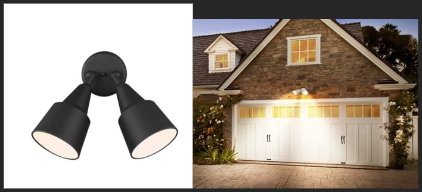
Components of Floodlights:
-
Housing: The housing of a floodlight is typically robust and weather-resistant, designed to protect the internal components from environmental factors. It is constructed from materials such as aluminum or durable plastics.
-
Reflector: Floodlights feature a reflector that efficiently directs and spreads light. The shape and material of the reflector play a key role in determining the light distribution pattern.
-
Light Source: Floodlights employ powerful light sources, commonly High-Intensity Discharge (HID) lamps or Light Emitting Diodes (LEDs). HID lamps include metal halide and high-pressure sodium bulbs. LEDs are increasingly popular due to their energy efficiency, longevity, and ability to produce intense illumination.
-
Adjustable Bracket: Many floodlights are equipped with adjustable brackets that allow precise aiming and positioning of the fixture. This adjustability ensures optimal coverage of the illuminated area.
Functionality of Floodlights:
-
Wide Beam Spread: Floodlights are designed to emit a wide and intense beam of light, effectively illuminating large outdoor areas, such as driveways, yards, gardens, or building facades.
-
Security: Floodlights play a crucial role in property security. Properly positioned floodlights can deter potential intruders by eliminating dark spots and creating a well-lit environment, reducing hiding places.
-
Accent Lighting: Beyond security, floodlights are used for accent lighting. They highlight specific architectural features, landscape elements, or points of interest, adding visual appeal to a property’s exterior.
-
Versatility: Floodlights are versatile and can be used in various outdoor settings. They are effective for general illumination, highlighting key areas, and creating dynamic lighting effects.
Applications in Western Washington:
Understanding the applications of floodlights in Western Washington’s unique climate and environment is crucial:
-
Enhanced Security: In Western Washington’s often overcast and rainy conditions, floodlights are essential for enhancing security by providing ample illumination across extensive outdoor areas. This added visibility contributes significantly to property safety.
-
Protection Against Weather: Floodlights designed with weather-resistant features are particularly suitable for the region, as they can withstand the frequent rain and damp conditions.
-
Accentuating Landscapes: Floodlights can be strategically placed to accentuate lush landscapes, gardens, or architectural elements, even during cloudy days, enhancing a property’s overall aesthetic appeal.
-
Functional Lighting: In driveways and outdoor recreational areas, floodlights ensure safe navigation and can extend the usability of these spaces well into the evening hours, despite the region’s limited natural light.