
Hardwood flooring
Introduction to Residential Flooring
Importance of Flooring
In the world of real estate, flooring is not just about aesthetics; it’s a critical element that can impact the overall value and appeal of a property. As real estate brokers, understanding the significance of flooring and its practical implications is essential for helping your clients make informed decisions when buying or selling a home.
Key Points:
-
First Impressions: Flooring is one of the first things potential buyers notice when entering a property. A well-maintained and attractive floor can create a positive first impression, potentially increasing the perceived value of the home.
-
Functionality: Different rooms have different flooring needs. Understanding the functional aspects of flooring is crucial. For example, recommending durable and water-resistant flooring in kitchens and bathrooms can enhance a property’s usability and appeal.
-
Maintenance: Buyers often consider the maintenance requirements of flooring materials. Low-maintenance options like laminate or luxury vinyl can be attractive selling points, especially for busy families.
-
Cost Considerations: Flooring replacement can be a significant expense. As brokers, you should help clients assess the cost of potential flooring upgrades or replacements and factor these into their budget calculations.
-
Market Trends: Staying updated on current flooring trends and popular materials can provide valuable insights to clients. Knowing which flooring types are in demand can influence renovation decisions.
Factors to Consider
In your role as a real estate broker, you’ll need to guide your clients through the decision-making process when it comes to flooring choices. Here are practical considerations to keep in mind:
a. Lifestyle:
-
Family Needs: Ask clients about their family composition. Families with children or pets may need flooring that can withstand heavy wear and tear.
-
Maintenance Preferences: Inquire about their willingness to maintain the flooring. Some clients prefer low-maintenance options, while others may be willing to invest more time and effort in upkeep.
b. Budget:
-
Overall Budget: Determine your clients’ budget for flooring upgrades or replacements. Be sure to consider both material and installation costs.
-
Resale Value: Discuss the potential return on investment for different flooring options. Some materials may offer a higher resale value, which can be appealing to sellers.
c. Aesthetics:
-
Interior Design: Understand your clients’ interior design preferences and the style they want to achieve. Flooring can significantly impact the look and feel of a space.
-
Color and Texture: Discuss color palettes and textures that align with their vision. Some clients may prefer hardwood’s warmth, while others may favor the versatility of neutral-colored carpets.
d. Durability:
-
Room-Specific Needs: Different rooms have varying durability requirements. Kitchens and bathrooms, for instance, benefit from water-resistant flooring, while living rooms may prioritize comfort and style.
-
Longevity: Consider the expected lifespan of the flooring. Clients may prefer durable options that require less frequent replacement.
e. Climate:
-
Local Climate: Take the local climate into account. Clients in humid areas may need moisture-resistant flooring, while those in colder regions may appreciate materials compatible with underfloor heating.
f. Health Concerns:
-
Allergies: Inquire about allergies or sensitivities within the household. Some flooring materials are better for indoor air quality and can help minimize allergens.
Types of Hardwood
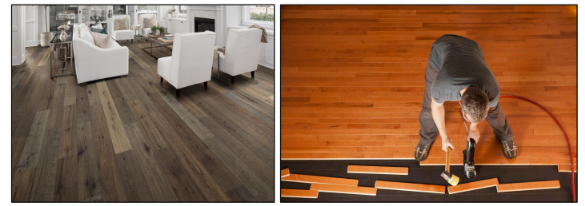
Types of Hardwood
Wood Species
Different wood species offer unique appearances and characteristics:
-
-
Oak Flooring:
-
Red Oak: This species is celebrated for its exceptional durability and versatility. Red oak boasts a warm, reddish hue and a pronounced grain pattern, making it a popular choice for traditional and rustic interiors. It’s relatively abundant and more affordable than some exotic woods.
-
White Oak: With a lighter and more neutral color compared to red oak, white oak offers a timeless and elegant aesthetic. Its smooth, fine grain pattern imparts a sense of serenity and complements various design styles. White oak is renowned for its resilience, making it suitable for both residential and commercial settings.
-
-
Maple Flooring:
-
Maple hardwood features a smooth, fine grain with a light, pale appearance. It’s renowned for its hardness and resistance to wear and tear, making it an excellent choice for high-traffic areas. Maple flooring often creates a clean and contemporary look. Due to its light color, it can brighten up spaces and make them feel more spacious.
-
-
Cherry Flooring:
-
Cherry wood flooring exudes warmth and richness with its reddish-brown hue. Over time, cherry darkens and develops a deep, lustrous patina, adding character to any room. Its elegant appearance makes it a favorite for upscale homes and formal spaces. Cherry is a relatively soft hardwood, so it’s important to consider potential wear in high-traffic areas.
-
-
Hickory Flooring:
-
Hickory is one of the hardest domestic hardwoods available, making it an ideal choice for areas prone to heavy wear and tear. It’s recognized for its distinctive character, characterized by contrasting light and dark streaks. The bold grain pattern and color variations in hickory provide a rustic and lively aesthetic, perfect for adding character to a space.
-
-
Walnut Flooring:
-
Walnut hardwood is celebrated for its dark, chocolate-brown color and straight grain. It exudes a sense of luxury and sophistication, often complementing contemporary and upscale interiors. While walnut is relatively soft compared to some other hardwoods, it’s treasured for its exquisite appearance and can create a striking visual impact.
-
-
Identifying Hardwood Flooring
Visual Inspection
-
Identifying hardwood flooring is a valuable skill for real estate brokers, as it allows you to accurately describe and assess properties for potential buyers. Here’s how you can identify hardwood flooring through visual inspection and tactile cues:
-
Wood Grain Pattern:
-
Examine the wood grain pattern, as it varies between different wood species. For instance:
-
Oak typically has a pronounced and prominent grain pattern. The grains are often visible and may vary in size, adding character to the wood.
-
Maple, on the other hand, has a smoother and subtler grain pattern. The grains are less pronounced and create a more uniform appearance.
-
-
-
Color:
-
Observe the color of the flooring. Different wood species have distinct color characteristics. For example:
-
Cherry hardwood flooring typically exhibits a warm, reddish-brown color. Over time, it can darken and develop a richer patina.
-
Hickory features a color palette that includes light and dark streaks. These color contrasts create a distinctive and rustic appearance.
-
-
-
Texture:
-
Run your hand over the surface of the flooring to feel the texture. While this method may not provide a definitive identification, it can offer valuable tactile cues. For example:
-
Walnut hardwood typically has a smooth and fine texture. It feels sleek to the touch and often adds a sense of sophistication to interiors.
-
-
-
Finish and Sheen:
-
Assess the finish and sheen of the hardwood flooring. The finish can vary from matte to glossy, and the sheen can affect the overall appearance. Different wood species may respond differently to various finishes.
-
Oak can be finished to achieve various sheens, from matte to semi-gloss. The choice of finish can impact the final look of the floor.
-
Maple is often chosen for its ability to take on a range of finishes, allowing homeowners to achieve the desired level of sheen.
-
-
-
Grain Consistency:
-
Inspect the consistency of the grain pattern across the flooring. Some wood species, like oak, may have variations in grain size and pattern, while others, like maple, tend to exhibit a more uniform grain appearance.
-
-
Cost Structure
Understanding the cost structure of hardwood flooring is essential for real estate brokers to help clients make informed decisions and manage their budgets effectively. Here are the key factors that influence the cost of hardwood flooring:
-
Wood Species:
-
Exotic or Rare Species: Hardwood flooring made from exotic or rare wood species tends to be more expensive. Examples include Brazilian cherry or mahogany.
-
Domestic Species: Flooring crafted from domestic wood species like oak, maple, or hickory is generally more budget-friendly.
-
-
Grade:
-
Higher-Grade Hardwood: Flooring with higher grades has fewer imperfections, such as knots and mineral streaks, resulting in a more uniform and refined appearance. Higher-grade hardwood is typically more expensive.
-
Lower-Grade Hardwood: Lower-grade hardwood may have more imperfections but is often more affordable. These imperfections can add character to the flooring.
-
-
Thickness:
-
The thickness of hardwood planks can vary. Thicker planks are typically pricier than thinner ones. Thicker planks offer greater durability and can be refinished more times.
-
-
Finish:
-
The type of finish applied to the hardwood can affect the cost. Common finish options include matte, semi-gloss, and high-gloss. High-gloss finishes are often associated with a more premium price tag.
-
-
Installation Method:
-
The installation method chosen can impact the overall cost. For example, if the hardwood flooring is installed as a floating floor or requires intricate patterns, installation costs may be higher.
-
-
Additional Features:
-
Some hardwood flooring products come with additional features like built-in underlayment or enhanced moisture resistance. These features can contribute to a higher cost.
-
-
Manufacturer and Brand:
-
Different manufacturers and brands offer hardwood flooring at various price points. Premium brands may command higher prices due to their reputation and quality.
-
-
Location and Labor Costs:
-
The region and location where the hardwood flooring is purchased can influence the cost. Additionally, labor costs for installation may vary by location.
-
-
Customization:
-
Customized or unique hardwood flooring designs, patterns, or inlays may require specialized craftsmanship, leading to higher costs.
-
-
Environmental Certifications:
-
Hardwood flooring products that carry environmental certifications, such as FSC (Forest Stewardship Council) certification, may come at a premium due to their sustainable sourcing.
-
Differentiating Hardwood Flooring
Hardness Ratings
Helping clients differentiate hardwood flooring based on hardness is crucial, as it directly impacts durability and maintenance. Here’s a more detailed explanation:
Hardness Ratings: The Janka hardness rating is a standardized measure of a wood’s resistance to wear and denting. This rating is essential for clients, especially when selecting hardwood flooring for high-traffic areas. Hardness ratings are typically expressed in pounds-force (lbf) or kilonewtons (kN).
Key Points to Differentiate Hardwood Flooring Based on Hardness:
-
Hardwood Scale:
-
Some wood species naturally have higher Janka hardness ratings than others. For example:
-
Oak: Both red oak and white oak are known for their hardness and are commonly used for flooring due to their durability.
-
Hickory: Hickory is one of the hardest domestic hardwoods, making it an excellent choice for areas with heavy foot traffic.
-
-
-
Durability:
-
Harder woods are more durable and less susceptible to denting, scratching, and wear over time. This durability is especially important in spaces where the flooring will face significant wear and tear, such as hallways or living rooms.
-
-
Maintenance Considerations:
-
Communicate to clients that hardwood flooring with higher Janka hardness ratings tends to require less maintenance. It is less likely to show signs of wear, making it an excellent long-term investment.
-
Clients should understand that while hardwoods like oak and hickory are more resilient, regular maintenance, such as cleaning and occasional refinishing, will help preserve the beauty and lifespan of the flooring.
-
-
Pet-Friendly Flooring:
-
For clients with pets, emphasizing the hardness of the chosen hardwood flooring is essential. Harder woods are more resistant to pet claws and accidents, making them suitable for households with animals.
-
-
Heavy Furniture:
-
Clients with heavy furniture or a preference for large, solid pieces should consider hardwood flooring with higher hardness ratings. This choice will help prevent indentations and damage caused by the weight of furniture.
-
-
Location and Use:
-
Discuss the specific areas where clients plan to install hardwood flooring. For high-traffic areas like entryways or kitchens, recommend hardwoods with higher hardness ratings to ensure longevity and durability.
-
Engineered Hardwood Flooring

Engineered hardwood flooring offers a versatile and stable alternative to traditional solid hardwood. It consists of multiple layers, including a real hardwood veneer layer on top. This construction enhances its resistance to moisture and environmental changes, making it suitable for various settings.
Identifying Engineered Hardwood Flooring
Visual Inspection is a reliable method for identifying engineered hardwood flooring:
-
Examine the Surface: The top layer of engineered hardwood consists of a real wood veneer, which displays the natural characteristics and grain patterns of the chosen wood species. Clients can inspect the surface for the appearance they desire, whether it’s oak, maple, cherry, or another wood variety. Highlight that this top layer provides the genuine hardwood look.
-
Check for Layers: To differentiate engineered hardwood from solid hardwood, examine the edges of the planks. The presence of multiple layers is a clear indicator of its engineered construction. Explain that these layers contribute to the flooring’s stability and resistance to environmental changes, such as humidity fluctuations.
-
Consistent Thickness: Unlike solid hardwood, which has a uniform thickness throughout the entire plank, engineered hardwood maintains a consistent thickness across its surface. Clients can run their fingers along the plank’s edge to feel the uniformity. Emphasize that this feature allows for easier installation, especially in situations where the subfloor may not be perfectly level.
Differentiating Engineered Hardwood Flooring
Engineered hardwood flooring stands apart from solid hardwood due to its unique construction. It’s essential to explain the differentiation to clients to help them make informed choices:
Construction Layers: Engineered hardwood consists of multiple layers, typically including a:
-
Hardwood Veneer: The top layer is a real hardwood veneer, showcasing the chosen wood species. This layer provides the genuine wood appearance, displaying natural grain patterns and color variations.
-
Core Layers: Beneath the veneer, there are core layers made of high-density fiberboard (HDF) or plywood. These layers give engineered hardwood its stability and strength. They also contribute to its resistance to humidity-related issues, such as warping or cupping.
-
Backing Layer: At the bottom, there’s a backing layer that adds further stability. This bottom layer helps counteract the forces from the top layers, reducing the risk of expansion or contraction in response to environmental changes.
Refinishing Potential: Clients should be aware that, like solid hardwood, the real wood veneer of engineered hardwood can be refinished to restore its appearance. Refinishing involves sanding down the top layer to remove imperfections, stains, or wear and then applying a new finish. However, it’s important to note that due to its thinner profile compared to solid hardwood, engineered hardwood can typically undergo fewer rounds of refinishing. The number of refinishes depends on the thickness of the veneer, which can vary among different products.
Moisture Resistance: Engineered hardwood stands out from solid hardwood due to its superior moisture resistance. The layered construction of engineered hardwood, which includes core layers made of plywood or high-density fiberboard (HDF), contributes to its impressive dimensional stability. This stability means that engineered hardwood is less prone to expanding or contracting when exposed to changes in humidity or moisture levels.
As a result, engineered hardwood is a suitable flooring choice for areas in the home where moisture can be a concern. It can be confidently installed in basements, kitchens, and bathrooms, where solid hardwood might not be the best option due to its susceptibility to moisture-related issues. Homeowners can enjoy the beauty of real wood flooring without the worry of excessive swelling, warping, or cupping in damp environments.
Installation Methods: One of the advantages of engineered hardwood is its versatility in terms of installation methods. Clients should be aware that engineered hardwood can be installed using various techniques, including floating, gluing, or stapling. Each method offers distinct benefits and may be better suited to specific applications.
-
Floating Installation: This method involves laying the engineered hardwood planks over an underlayment without any adhesive or fasteners. The planks typically click or lock together, creating a stable floating floor. Floating installation is quick and suitable for DIY projects or areas where the flooring needs to be easily removable, such as in rental properties.
-
Glue-Down Installation: Engineered hardwood can be glued directly to the subfloor using adhesive. This method provides a secure and permanent bond, making it ideal for high-traffic areas. It also helps reduce noise and provides excellent stability.
-
Staple-Down or Nail-Down Installation: In this traditional method, engineered hardwood planks are fastened to the subfloor using staples or nails. It ensures a sturdy and long-lasting installation, commonly used in professional installations.
Durability and Lifespan: The durability and lifespan of engineered hardwood flooring depend largely on the quality of the top veneer and the overall construction. It’s essential for clients to understand that high-quality engineered hardwood can be exceptionally durable and have a lifespan that rivals that of solid hardwood.
-
Top Veneer Quality: The top veneer layer, which is composed of real hardwood, plays a pivotal role in determining durability. High-quality engineered hardwood features a thick top veneer, often ranging from 2mm to 6mm in thickness. This substantial veneer can withstand multiple sandings and refinishing procedures, extending the flooring’s lifespan.
-
Construction: Clients should be aware that the layered construction of engineered hardwood enhances its durability. The core layers, typically made of plywood or high-density fiberboard (HDF), provide stability and resistance to moisture-related issues. This makes engineered hardwood less prone to warping, cupping, or gaps compared to solid hardwood in moisture-prone environments.
-
Proper Care and Maintenance: To maximize the lifespan of their engineered hardwood flooring, clients should follow recommended care and maintenance guidelines. This includes routine cleaning, avoiding excessive moisture exposure, promptly addressing spills, and using protective mats or rugs in high-traffic areas.
Cost-Effectiveness:
Clients often appreciate the cost advantages of engineered hardwood. While it may have a lower upfront cost compared to solid hardwood, it doesn’t compromise on the authentic wood look. It’s essential to emphasize to clients that they can achieve the aesthetic appeal of real wood flooring without the same price tag.
-
Lower Initial Investment: Engineered hardwood typically comes at a lower price point per square foot than solid hardwood. This affordability makes it an attractive option for clients who desire the warmth and elegance of wood flooring without the hefty upfront expense.
-
Installation Savings: Mention that the installation of engineered hardwood can also be more cost-effective. Its versatility allows for various installation methods, including floating, gluing, or stapling. Depending on the chosen installation method and subfloor conditions, clients may save on installation costs compared to the sometimes more intricate installation process of solid hardwood.
-
Comparable Aesthetic Value: Emphasize that despite the cost savings, engineered hardwood provides a nearly identical aesthetic value to solid hardwood when viewed from above. The real wood veneer on the surface offers the same visual appeal and warmth that clients seek in hardwood flooring.
-
Long-Term Value: Clients should recognize that while engineered hardwood may have an initial cost advantage, it doesn’t sacrifice long-term value. The durability and longevity of high-quality engineered hardwood ensure that it remains an excellent investment that enhances the property’s value.
Laminate Flooring
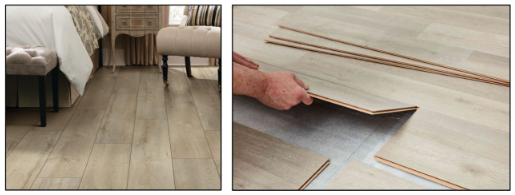
Laminate flooring provides homeowners with the opportunity to achieve the look of hardwood, stone, or tile without the associated high costs. This affordability makes it an attractive option for those looking to enhance the aesthetics of their home on a budget.
manufacturing techniques have revolutionized the way laminate flooring replicates the appearance of wood, stone, or tile. Here’s a more in-depth exploration of this aspect:
-
High-Definition Printing: Laminate flooring now utilizes high-definition printing technology to recreate the intricate details of natural materials. This means that every knot, grain, and variation in color is faithfully reproduced on the laminate surface.
-
Embossed Textures: To further enhance the authenticity, many laminate products feature embossed textures. These textures mimic the feel of real wood grain or the rugged surface of natural stone. When clients walk across laminate flooring, they can often feel the texture underfoot, adding to the genuine appearance.
-
Variety of Styles: Laminate flooring comes in an extensive array of styles and designs. Homeowners can select from a wide range of wood species, including oak, maple, cherry, and more. Additionally, they can choose stone patterns such as marble, travertine, or slate. The variety ensures that clients can find the perfect match for their interior design aspirations.
-
Color Options: Laminate flooring offers a broad spectrum of color options within each style. Clients can select from light, medium, or dark shades to complement their decor and achieve the desired ambiance. Whether they prefer the warmth of honey-colored oak or the elegance of ebony-stained walnut, there’s a color choice to suit every taste.
-
Pattern Replication: Manufacturers go to great lengths to replicate the natural patterns found in wood, stone, or tile. This includes faithfully reproducing the unique patterns and knots found in wood or the veining and color variations seen in stone. The result is a floor that not only looks real but also captures the essence of the natural material it emulates.
Easy Maintenance:
One of the key benefits of laminate flooring is its ease of maintenance. Clients should be aware of the following maintenance advantages:
-
Resistant to Scratches: Laminate flooring is highly resistant to scratches, making it ideal for households with pets or active children. The protective top layer shields the surface from everyday wear and tear.
-
Stain-Resistant: It’s also resistant to stains, allowing for easy cleanup of spills and accidents. This characteristic contributes to its suitability for kitchens, dining areas, and other spaces prone to spills.
-
Simple Cleaning: Clients can emphasize that laminate floors are easy to clean with regular sweeping and occasional mopping. Unlike some hardwood surfaces that require specific cleaners, laminate flooring can typically be cleaned with mild household cleaning solutions.
Durability:
When discussing laminate flooring, durability is a key point to convey to clients. It’s important to underline the aspects that contribute to its long-lasting performance, making it a suitable choice for various areas of the home:
-
Wear Layer: Laminate flooring’s durability is fortified by a wear layer that sits atop the laminate planks. This protective layer is engineered to shield the floor from the rigors of daily life. It effectively guards against fading, stains, and surface damage caused by everyday activities. Clients can trust that their laminate floors will maintain their original luster and resist wear and tear over the years.
-
Moisture Resistance: While not completely impervious to moisture, laminate flooring exhibits a notable degree of moisture resistance. This quality is particularly valuable in areas of the home prone to occasional spills or increased humidity. When installed correctly with sealed seams, laminate can effectively deter moisture from penetrating through the planks. This characteristic extends the lifespan of the flooring and minimizes the risk of warping or damage due to exposure to moisture.
Ease of Installation:
When discussing the merits of laminate flooring with clients, it’s crucial to underscore the ease of installation as a significant advantage. This can potentially result in cost savings and convenience for homeowners. Here are key points to emphasize:
-
User-Friendly Installation Systems: Laminate flooring is renowned for its user-friendly installation systems. Many laminate products feature click-and-lock or tongue-and-groove mechanisms, simplifying the installation process. Clients should be aware that these systems enable planks to seamlessly interlock with precision, ensuring a snug and secure fit. This ease of installation eliminates the need for complex adhesives or specialized tools, making it a hassle-free experience for both professional installers and DIY enthusiasts.
-
DIY-Friendly Option: It’s worth mentioning that laminate flooring is often chosen by homeowners who prefer to tackle installation as a DIY project. The straightforward installation systems empower individuals with varying levels of experience to confidently lay down their laminate floors. This DIY-friendly aspect not only saves on labor costs but also provides homeowners with a sense of accomplishment and creative control over their home improvement projects.
-
Speed and Efficiency: The simplicity of installing laminate flooring translates to quicker and more efficient installations. Clients can expect their chosen flooring to be promptly and accurately installed, minimizing disruption to their daily routines.
Visual Inspection:
-
Surface Appearance: Laminate flooring typically replicates the look of wood, stone, or tile. Clients should inspect the surface closely to see if it resembles a natural material. Laminate often has a high-quality, realistic print layer that mimics the visual characteristics of hardwood or other surfaces.
-
Repetitive Patterns: Laminate patterns may repeat at regular intervals, unlike the natural variations found in genuine hardwood or stone. This repetition can be a visual clue when identifying laminate flooring.
-
Texture: Run your fingers across the surface to feel the texture. Laminate often has a smooth and consistent feel compared to the grainy texture of real wood. It should not have the cold, hard feel of ceramic or stone tiles.
Edge Profile:
-
Edges: Examine the edges of the flooring planks. Laminate flooring typically features a click-and-lock or tongue-and-groove system for easy installation. The edges may have visible grooves or seams where the planks connect. This is different from the seamless appearance of sheet vinyl or other flooring types.
Sound Test:
-
Tapping Sound: Clients can lightly tap the floor with their fingernails or a hard object. Laminate flooring often produces a distinctive hollow or tapping sound compared to solid hardwood. This sound is due to the space between the laminate and the subfloor.
Look Underneath:
-
Inspect the Underside: If possible, look underneath the flooring. Laminate usually consists of multiple layers, and the bottom layer is typically a stabilizing layer or backing material.
Vinyl Flooring
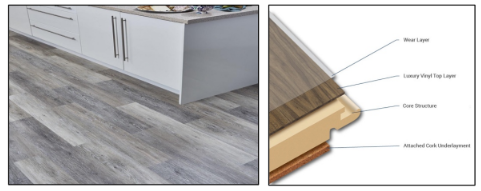
Vinyl flooring is a versatile and waterproof flooring option that’s well-suited for areas like kitchens and bathrooms. It offers various styles, including luxury vinyl planks (LVP) and luxury vinyl tiles (LVT). Here’s a detailed overview of vinyl flooring:
Waterproof Properties:
Vinyl flooring boasts exceptional waterproof properties, making it a standout choice for various areas in your home, especially those prone to moisture and spills. This inherent resistance to moisture is a defining feature of vinyl flooring, and here’s a detailed breakdown of why it’s a top choice:
Moisture Resistance: Vinyl flooring is engineered to be highly resistant to moisture. Its composition and design create a natural barrier that prevents water from infiltrating the flooring material. This attribute is particularly advantageous in spaces where spills, splashes, and high humidity levels are common.
Ideal for Wet Areas: Vinyl’s moisture resistance makes it an excellent flooring option for wet areas of your home, including kitchens, bathrooms, laundry rooms, and basements. In these spaces, where water-related mishaps are frequent, vinyl excels in maintaining its integrity and appearance.
Prevents Warping and Swelling: Unlike some other flooring materials that may warp, swell, or deform when exposed to water, vinyl remains unfazed. It retains its original shape, size, and visual appeal even when subjected to spills or damp conditions.
Easy Cleanup: Another notable advantage of waterproof vinyl flooring is its effortless cleaning and maintenance. Spills and stains can be swiftly wiped away with a damp cloth or mop, without concern for causing damage. This convenience is particularly valuable in households where accidents are part of daily life.
Protection Against Subfloor Damage: Vinyl flooring not only safeguards itself from water damage but also acts as a protective shield for the subfloor underneath. This means that even if a spill manages to seep through seams or edges, the subfloor remains shielded, preventing structural harm.
Long-Lasting Performance: Vinyl’s waterproof properties contribute significantly to its long-lasting performance. By warding off water-related damage and deterring issues such as mold or mildew growth, vinyl flooring can maintain both its appearance and structural integrity for many years.
Versatile Styles:
Clients should be aware of the vast array of styles and designs that vinyl flooring offers, allowing them to tailor their flooring choice to their specific aesthetic preferences. Vinyl flooring comes in two primary formats that cater to different design aspirations:
-
Luxury Vinyl Planks (LVP): LVP is designed to replicate the natural beauty of hardwood flooring. It offers a highly realistic wood look without the associated maintenance requirements. The individual planks closely mimic the grain patterns, texture, and color variations found in real wood. This option grants homeowners the opportunity to enjoy the warm, inviting charm of hardwood floors while benefiting from vinyl’s durability and easy upkeep.
-
Luxury Vinyl Tiles (LVT): LVT provides homeowners with the freedom to explore a wide range of design possibilities. These tiles can faithfully replicate the appearance of various materials, including stone, ceramic, and other natural elements. Whether you desire the classic elegance of marble, the rustic charm of slate, or the contemporary appeal of concrete, LVT can emulate these looks convincingly. This versatility enables you to achieve your preferred aesthetic, ensuring that your flooring seamlessly complements your interior design vision.
Identifying Vinyl Flooring:
When assisting clients in identifying vinyl flooring, it’s essential to provide them with practical guidance to distinguish it from other flooring types. Vinyl flooring comes in various forms, including sheets, tiles, and planks, and can mimic the look of hardwood, stone, or tile. Here’s how to identify vinyl flooring:
-
Texture and Appearance: Vinyl flooring often has a distinct texture that resembles the material it mimics. For instance, wood-look vinyl may have grain patterns, and stone-look vinyl can have a textured surface. Examine the appearance closely to see if it replicates the visual characteristics of hardwood, stone, or tile.
-
Flexibility: Vinyl flooring is flexible and can bend or give slightly when pressed. This flexibility is due to its composition of multiple layers, which include a resilient core. Harder flooring types like ceramic tile or hardwood don’t have this level of flexibility.
-
Seams and Tile Patterns: In vinyl tile and plank installations, look for seams between individual pieces. Vinyl tiles may have realistic grout lines to mimic the appearance of real tile. However, note that luxury vinyl tiles (LVT) can have more convincing patterns and textures than traditional vinyl tiles.
-
Backside Inspection: Flip a piece of the flooring to check the backside. Vinyl flooring often has a foam or felt backing for added comfort and insulation. This backing is different from the hard surface of materials like ceramic or hardwood.
-
Sound and Feel: Walk on the flooring or tap it with your knuckles. Vinyl flooring tends to produce a softer, less resonant sound compared to harder surfaces like tile or hardwood. It also feels softer and more forgiving underfoot.
-
Water Resistance: Vinyl is inherently water-resistant. While it’s not completely impervious to moisture, it can handle spills and splashes without damage. If you observe water droplets beading on the surface, it’s likely vinyl.
-
Edge Detail: Examine the edges of vinyl planks or tiles. Luxury vinyl planks often have beveled edges, adding to the realism of wood-look flooring. This beveling creates a slight groove between the planks.
-
Brand Labeling: Check for manufacturer labels on the backside or edges of the flooring. These labels typically provide information about the product, including its composition and brand.
Comfort Underfoot:
One of the standout features of vinyl flooring is its remarkable comfort underfoot. This aspect is especially appealing for homeowners who prioritize a comfortable living environment. Here’s a detailed look at the comfort offered by vinyl flooring:
-
Cushioned Surface: Vinyl flooring is known for its slightly cushioned surface, which provides a soft and comfortable feel when walked upon. Unlike hard and unyielding materials like ceramic or stone tiles, vinyl has a bit of give to it. This cushioning effect is gentle on the feet and joints, making it a favored choice for areas where people stand or walk for extended periods.
-
Ideal for High-Traffic Areas: The comfort offered by vinyl flooring is particularly beneficial in high-traffic areas of the home, such as kitchens and hallways. Standing for prolonged periods while cooking or performing household chores becomes less fatiguing on a cushioned vinyl surface.
-
Sound Absorption: Vinyl flooring’s cushioned surface also contributes to sound absorption. It can help reduce the noise of footsteps and impact sounds, making it a popular choice for upper-level rooms or apartments where noise control is essential.
-
Warmth and Insulation: In addition to its softness, vinyl flooring provides an added layer of warmth and insulation. Walking on a vinyl floor is more pleasant in colder seasons, as it doesn’t feel as cold to the touch as materials like ceramic or stone. This insulation effect can also contribute to energy efficiency by helping to maintain indoor temperatures.
-
Child-Friendly: Vinyl’s cushioned surface makes it an excellent choice for homes with children. It’s forgiving in case of slips and falls, reducing the risk of injury during playtime. Additionally, vinyl’s resistance to spills and stains simplifies cleanup when accidents occur.
-
Elderly-Friendly: Vinyl flooring is equally suitable for households with elderly individuals. Its cushioning properties reduce the impact on joints and provide a stable walking surface, reducing the risk of slips and falls. Vinyl’s warmth and insulation are also appreciated by seniors who may be more sensitive to temperature changes.
-
Overall Comfort: Whether it’s the softness underfoot, the noise reduction, or the added warmth, vinyl flooring contributes to the overall comfort and coziness of a home. It creates a welcoming atmosphere where family members and guests can enjoy their time in comfort.
Increased Floor Preparation Costs:
It’s crucial to inform clients about the potential for increased floor preparation costs when considering vinyl flooring installation. While vinyl is known for its versatility and durability, proper floor preparation is essential to ensure a successful and long-lasting installation. Here’s a closer look at the factors that can contribute to increased floor preparation expenses:
-
Subfloor Condition: The condition of the existing subfloor plays a significant role in determining the extent of preparation required. If the subfloor is uneven, damaged, or has moisture issues, it may need repairs or adjustments before vinyl flooring can be installed. This can involve leveling, patching, or addressing moisture concerns, all of which can add to the overall project cost.
-
Moisture and Humidity: Vinyl flooring is moisture-resistant, but it’s not entirely waterproof. If the subfloor has excessive moisture or humidity levels, it can lead to problems such as mold, mildew, or adhesive failure. Addressing moisture issues may involve moisture testing, applying moisture barriers, or improving ventilation, all of which come with additional costs.
-
Removal of Existing Flooring: In cases where there’s existing flooring that needs to be removed before installing vinyl, the removal process can incur labor and disposal costs. This is common when transitioning from materials like carpet, tile, or hardwood to vinyl.
-
Subfloor Preparation: Achieving a smooth and level subfloor is essential for a successful vinyl flooring installation. This may require sanding, grinding, or applying self-leveling compounds to create a suitable surface. The complexity of these tasks and the condition of the subfloor can impact the overall labor and material expenses.
-
Underlayment Requirements: Depending on the type of vinyl flooring being installed and the subfloor condition, an underlayment may be necessary to enhance stability and sound absorption. Underlayment materials and installation costs should be factored into the budget.
-
Additional Repairs: Sometimes, unexpected issues may arise during the floor preparation process. For example, hidden subfloor damage or structural concerns may need to be addressed. These unforeseen repairs can lead to increased costs.
-
Adhesive and Installation Method: The choice of adhesive and installation method can impact floor preparation costs. Some adhesives require specific subfloor conditions or primers, which can add to the project’s overall expenses.
-
Tile Flooring
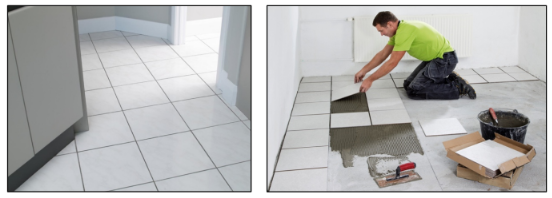
Tile flooring is a versatile and durable option that offers a wide range of design possibilities. Whether you’re considering ceramic, porcelain, or natural stone tiles, this flooring choice combines aesthetic appeal with robust performance. Here’s an in-depth exploration of tile flooring to help you understand its characteristics and benefits:
-
Variety of Tile Materials: Exploring Your Options
Tile flooring comes in a variety of materials, each with its unique characteristics and aesthetic appeal. Whether you’re looking for the durability of ceramic and porcelain or the natural beauty of stone, understanding the different tile materials can help you make an informed decision. Here’s a closer look at the three primary types of tile materials:
Ceramic Tiles: A Closer Look
Ceramic tiles have long been favored for their durability, versatility, and aesthetic potential. Here’s an in-depth exploration of ceramic tiles, helping you understand why they are a popular choice for many homeowners:
Composition: Ceramic tiles are created from a blend of clay and minerals. This mixture is fired at high temperatures, resulting in a dense, hard surface that can withstand daily wear and tear.
Design Versatility: One of the standout features of ceramic tiles is their design versatility. They are available in an extensive array of colors, patterns, and sizes. Whether you prefer a classic, contemporary, or eclectic look for your space, you can easily find ceramic tiles that match your vision.
Emulation of Natural Materials: Ceramic tiles excel at mimicking the appearance of natural materials like wood or stone. This versatility allows homeowners to achieve a variety of aesthetics without the associated maintenance demands. You can enjoy the timeless look of hardwood or the elegance of marble without worrying about the upkeep.
Ideal for High-Traffic Areas: Ceramic tiles are renowned for their durability, making them an ideal choice for high-traffic areas in your home. Kitchens, bathrooms, entryways, and hallways are all spaces where ceramic tiles can thrive. Their resistance to wear, moisture, and stains ensures they can withstand the demands of daily life without losing their beauty.
Porcelain Tiles: Durability and Design Sophistication
Porcelain tiles stand out as a remarkable category within the realm of tile flooring. Their distinct characteristics and versatility make them a preferred choice for many homeowners. Here’s an in-depth look at porcelain tiles:
Higher Density: Porcelain tiles are a specific type of ceramic tile known for their exceptional density and remarkably low water absorption rate. This unique attribute sets them apart and contributes significantly to their durability. The denser composition makes porcelain tiles highly resilient to wear and damage.
Intricate Designs: Porcelain tiles are celebrated for their intricate designs and textures. They have the capability to replicate the appearance of natural materials, such as marble or hardwood, with remarkable realism. This makes them an ideal choice for homeowners who desire the elegance of natural materials without their associated maintenance demands.
Indoor and Outdoor Use: The superior durability of porcelain tiles extends to their ability to thrive in both indoor and outdoor settings. They can withstand exposure to the elements without deteriorating or losing their visual appeal. This versatility allows homeowners to maintain a consistent aesthetic from their indoor spaces to their outdoor patios or walkways.
Low Maintenance: Like ceramic tiles, porcelain tiles are relatively low-maintenance. They exhibit resistance to stains, and their smooth, non-porous surface makes cleaning a breeze. Over time, they retain their original appearance, ensuring your investment in quality flooring lasts for years to come.
Natural Stone Tiles: Timeless Elegance and Distinctive Beauty
Natural stone tiles are a testament to nature’s artistry and have been cherished throughout history for their unique aesthetic appeal. Here’s an insightful exploration of the characteristics and benefits of natural stone tiles:
Luxurious Aesthetic: Natural stone tiles, including varieties like marble, granite, limestone, and travertine, are celebrated for their opulent and distinctive aesthetics. Each piece of natural stone is a work of art, showcasing an exquisite blend of colors and veining patterns that are entirely one-of-a-kind. This inherent uniqueness adds unparalleled character and charm to any space, making it impossible to replicate.
Durability and Longevity: Natural stone tiles are remarkably durable and have the potential to last a lifetime when properly maintained. However, it’s essential to note that some natural stones may require periodic sealing to preserve their appearance and provide protection against moisture penetration. With appropriate care, these tiles can gracefully withstand the test of time, making them a valuable investment.
Enhances Elegance: Natural stone tiles have a distinct ability to elevate the elegance and sophistication of any setting. They are frequently chosen for high-end residential and commercial projects to create an ambiance of luxury and timeless beauty. Whether adorning a grand foyer, a spa-inspired bathroom, or a gourmet kitchen, natural stone tiles contribute to an atmosphere of opulence and refinement.
-
Durability and Longevity:
-
Tile flooring is renowned for its durability. Ceramic and porcelain tiles are resistant to wear, moisture, and stains, making them ideal for high-traffic areas like kitchens, bathrooms, and entryways.
-
Natural stone tiles, while equally robust, may require periodic sealing to maintain their appearance and protect against moisture penetration. With proper care, they can last a lifetime.
-
-
Cool and Comfortable: Tile Flooring’s All-Season Appeal
Tile flooring brings a unique blend of comfort and practicality to your home. Here’s why homeowners appreciate its year-round comfort:
Cool to the Touch: Tile flooring retains a cool surface temperature, providing a refreshing sensation underfoot, especially in warmer climates. This inherent coolness can be a relief during hot summer months, making tile floors a sought-after choice for homeowners seeking respite from the heat.
Radiant Heating Compatibility: For those who desire added warmth, tile flooring can be paired with radiant heating systems. These systems deliver gentle, consistent warmth beneath the tiles, transforming your floors into cozy, inviting spaces during colder seasons. It’s the perfect combination of comfort and functionality.
Fire and Moisture Resistance: Safety is a top priority for homeowners, and tile flooring offers peace of mind in this regard. Tiles are non-combustible, meaning they don’t catch fire or emit harmful gases when exposed to flames. This fire-resistant quality enhances your home’s safety.
In addition to fire resistance, ceramic and porcelain tiles excel in moisture resistance. They are naturally adept at repelling moisture, which makes them an ideal choice for areas prone to high humidity, such as bathrooms and kitchens. You can enjoy the aesthetics of tile flooring without worrying about the damaging effects of moisture.
Installation Considerations: To ensure the optimal performance and appearance of tile flooring, professional installation is strongly recommended. Tile installation requires precise alignment, accurate spacing, and expert grout application. The choice of grout color is another factor to consider, as it can significantly impact the overall look of the floor. Clients should take these aspects into account when finalizing their design, and they can trust a professional installer to bring their vision to life with precision and skill.
Tile flooring is a timeless and elegant choice that can enhance the beauty and functionality of any room. Its combination of durability, design versatility, and low maintenance makes it a valuable investment for homeowners seeking both aesthetic appeal and practicality.
Carpet and More
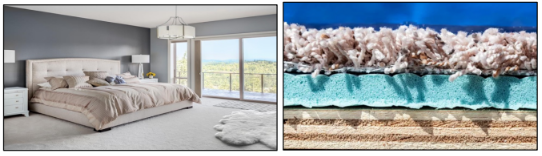
Manufacturing Process: Carpet is typically made through a process that involves several stages:
-
Fiber Production: Carpet fibers can be natural (wool) or synthetic (nylon, polyester, olefin). These fibers are created through various manufacturing techniques.
-
Tufting: In this process, carpet fibers are stitched or tufted onto a backing material. Rows of yarn are inserted through a primary backing to create loops or cut pile, depending on the desired carpet style.
-
Dyeing: The carpet can be dyed at different stages of production to achieve the desired color and patterns.
-
Secondary Backing: A secondary backing material is added for stability and durability. This backing helps prevent the carpet from stretching and losing its shape.
-
Finishing: After tufting, the carpet goes through finishing processes like shearing (to create a uniform surface), binding (to finish the edges), and coating (to add stain resistance).
Carpet Types: There are various types of carpet, each with its own characteristics:
-
1. Cut Pile:
-
Saxony: Known for its smooth and elegant appearance, Saxony carpet features densely packed, evenly cut fibers that create a luxurious feel. It’s a classic choice for formal areas like living rooms and bedrooms.
-
Plush: Plush carpet is exceptionally soft and dense, offering a comfortable and inviting surface. It’s ideal for bedrooms, where comfort underfoot is a priority.
-
Frieze: Frieze carpet, also known as twist carpet, has a textured and casual look. Its tightly twisted fibers help hide footprints and vacuum marks, making it suitable for high-traffic areas like family rooms.
2. Loop Pile:
-
Berber: Berber carpet is characterized by its looped fibers and often comes in a flecked or speckled design. It’s known for durability, making it an excellent choice for hallways, stairs, and basements. Its resistance to wear and stains is a major advantage.
3. Cut and Loop:
-
Versatility: Cut and loop carpets combine the plushness of cut piles with the durability of loop piles. The unique patterns and textures they create can add visual interest to various spaces. They are versatile and can be used in bedrooms, living rooms, or even home offices.
4. Patterned:
-
Design Flexibility: Patterned carpets offer a wide range of design options. They can be tailored to suit different aesthetics, from traditional to contemporary. Patterned carpets can serve as a focal point in a room and are often used in formal dining areas, guest rooms, or home offices.
-
Padding Types: Carpet padding, or underlay, plays a crucial role in the comfort and longevity of the carpet. It provides cushioning and insulation. Some common padding types include:
-
Rebond Foam: Rebond foam padding is a popular choice due to its comfort and durability. It’s made from recycled materials, which makes it an eco-friendly option. The padding consists of small, bonded foam pieces that provide cushioning underfoot and help extend the carpet’s lifespan. Rebond foam padding comes in various densities, typically ranging from 6lb to 8lb per cubic foot. Higher density padding, such as 8lb, offers more support and longevity, making it ideal for high-traffic areas in residential spaces. It provides a comfortable and supportive feel while effectively protecting the carpet.
Waffle Rubber: Waffle rubber padding is known for its firm and resilient texture. It provides a stable base for the carpet and is particularly suitable for high-traffic areas within the home. While it’s less common to find waffle rubber padding in different density options, its inherent density and thickness contribute to its durability and supportiveness.
Fiber Cushion: Fiber cushion padding is available in various materials, including synthetic and natural fibers. It offers excellent comfort and has sound insulation properties, which can help reduce noise between floors in multi-story homes. Fiber cushion padding may also come in different densities, with higher-density options providing enhanced comfort and support. Clients can choose the density that best suits their comfort preferences and specific room requirements.
Slab Rubber: Slab rubber padding is dense and durable, making it a common choice for commercial settings. While it’s less commonly used in residential spaces, it can be beneficial in areas with heavy furniture or where added support is needed. Slab rubber padding typically comes in a single, high-density option, providing excellent cushioning and support for carpets in high-stress areas.
Installation: Professional installation is crucial for ensuring that carpet is properly stretched, aligned, and secured. The process involves:
-
Subfloor Preparation: The subfloor must be clean, dry, and smooth. Any imperfections can affect the carpet’s appearance and longevity.
-
Tack Strips: Tack strips are nailed or glued around the room’s perimeter. They hold the carpet in place.
-
Carpet Pad: The padding is laid over the subfloor and secured to the tack strips.
-
Carpet Installation: The carpet is stretched and laid over the padding, ensuring a tight fit and smooth surface. The edges are trimmed and tucked under baseboards.
-
Seaming: If necessary, seams are carefully joined to create a seamless appearance.
-
Finishing: The edges are trimmed, and any necessary transitions or thresholds are installed.
Proper installation is essential for the carpet’s appearance, longevity, and performance. It’s important to work with experienced installers who follow industry best practices.
Concrete Flooring
Concrete flooring is an increasingly popular choice for homes due to its durability, low maintenance, and design flexibility. It’s known for withstanding heavy use without showing wear, making it ideal for high-traffic areas. Maintenance is straightforward, usually requiring just sweeping and occasional mopping. Additionally, concrete offers a range of aesthetic options—it can be stained for color, polished for shine, or stamped with patterns, allowing for a custom look that can complement any interior design style. This combination of practicality and versatility makes concrete flooring an attractive option for many homeowners.
Cork Flooring
Cork flooring, derived from the bark of cork oak trees, is an environmentally friendly flooring option that brings warmth and comfort to home interiors. Its natural insulation properties not only help regulate indoor temperatures but also provide a soft, cushioned feel underfoot, making it a pleasure to walk on. Additionally, cork’s cellular structure makes it resistant to mold and mildew, promoting a healthier living environment. Its sustainability, comfort, and health benefits make cork an excellent choice for those looking to combine eco-conscious living with practicality and style.
Bamboo Flooring
Bamboo flooring offers a sustainable and durable alternative to traditional hardwoods, suitable for a modern aesthetic. Its rapid growth rate makes it an eco-friendly option, and it possesses a natural hardness that often surpasses conventional wood floors. Additionally, bamboo has a higher resistance to moisture compared to standard hardwoods, increasing its suitability for various climates and spaces within a home. This combination of sustainability, durability, and moisture resistance makes bamboo flooring an attractive choice for environmentally conscious consumers seeking a blend of practicality and contemporary design.