
ABS (Acrylonitrile Butadiene Styrene) Waste Pipes: A Comprehensive Guide for Real Estate Brokers
ABS (Acrylonitrile Butadiene Styrene) Waste Pipes: A Comprehensive Guide for Real Estate Brokers
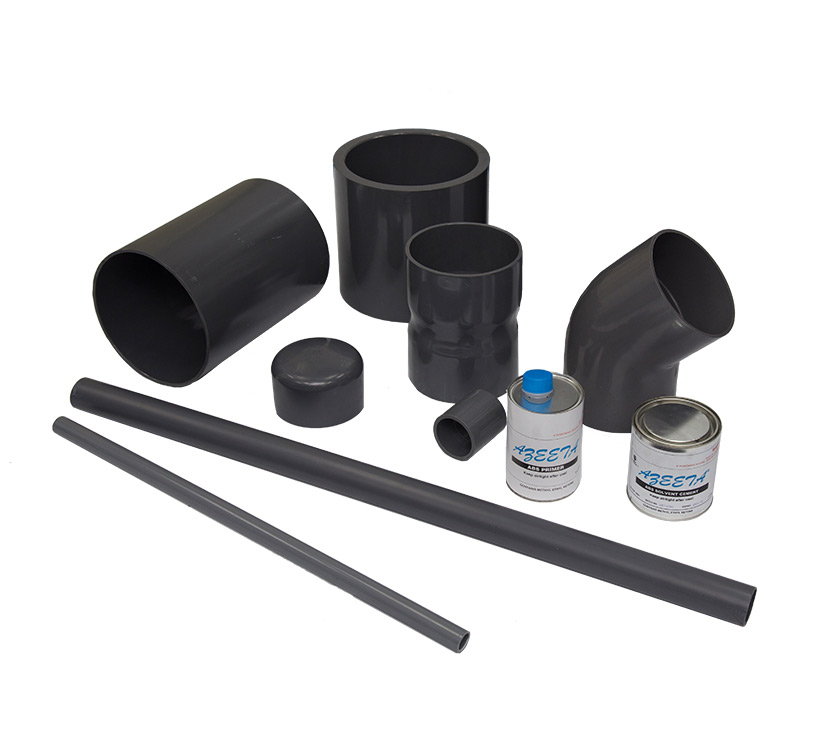
ABS, which stands for Acrylonitrile Butadiene Styrene, is a commonly used material for waste pipes in residential plumbing systems. Real estate brokers should provide clients with a comprehensive understanding of ABS waste pipes, including their characteristics, advantages, how to identify them, and common issues associated with their use.
-
Characteristics and Advantages:
ABS waste pipes offer several distinctive characteristics and advantages that make them a practical choice in residential plumbing:
-
Lightweight: ABS pipes are lightweight, making them easy to handle and install. This characteristic simplifies transportation, reduces labor costs, and allows for straightforward DIY plumbing projects, if desired.
-
Corrosion Resistance: ABS is highly resistant to corrosion, ensuring the durability and longevity of waste pipes. This resistance makes ABS an ideal material for transporting wastewater without the risk of pipe degradation due to chemical exposure.
-
Smooth Interior: ABS waste pipes have a smooth interior surface, which promotes efficient waste drainage by minimizing the likelihood of clogs caused by debris adhering to the pipe walls.
-
Quiet Operation: ABS waste pipes are known for their acoustic properties. They dampen the sound of wastewater flow, resulting in quieter plumbing systems compared to some other materials.
-
Affordability: ABS is a cost-effective choice for waste pipes. The material itself is budget-friendly, and its ease of installation further reduces overall plumbing expenses. Clients can find a range of ABS fittings and connectors to suit their plumbing needs without incurring significant costs.
Identifying ABS Waste Pipes:
Clients can identify ABS waste pipes through visual inspection and labels:
-
Visual Inspection: ABS waste pipes are typically black in color and have a smooth, matte finish. Clients can visually inspect exposed pipes in areas such as utility rooms, basements, or crawlspaces to identify ABS waste pipes based on their color and texture.
-
Labeling: Manufacturers often label ABS pipes with information about their size, composition, and compliance with industry standards. Clients can look for printed information or labels on the pipes to confirm that they are made of ABS. These labels provide valuable details about the pipes and their suitability for specific applications.
Common Issues with ABS Waste Pipes:
While ABS waste pipes offer numerous advantages, real estate brokers should also inform clients about important considerations and potential issues:
-
Temperature Limitations: ABS waste pipes have specific temperature limitations. Clients should ensure that ABS pipes are used within the recommended temperature range to prevent warping, distortion, or melting. Exposing ABS pipes to high temperatures can compromise their structural integrity.
-
Solvent Cement Joints: ABS pipes are typically joined using solvent cement. Clients should be aware that the quality of solvent cement joints is crucial for preventing leaks. Poorly executed joints can lead to water seepage and damage over time.
-
Support and Securement: ABS waste pipes should be adequately supported and secured to prevent sagging or misalignment. Clients should inspect hangers, brackets, and pipe straps to ensure proper support for the pipes.
-
Clogs: While ABS pipes resist corrosion, they can still develop clogs due to the accumulation of debris, grease, or foreign objects. Clients should be informed about the importance of regular drain cleaning and maintenance to prevent clogs that can lead to slow drainage or backups.
-