
Copper Pipes
Copper Pipes
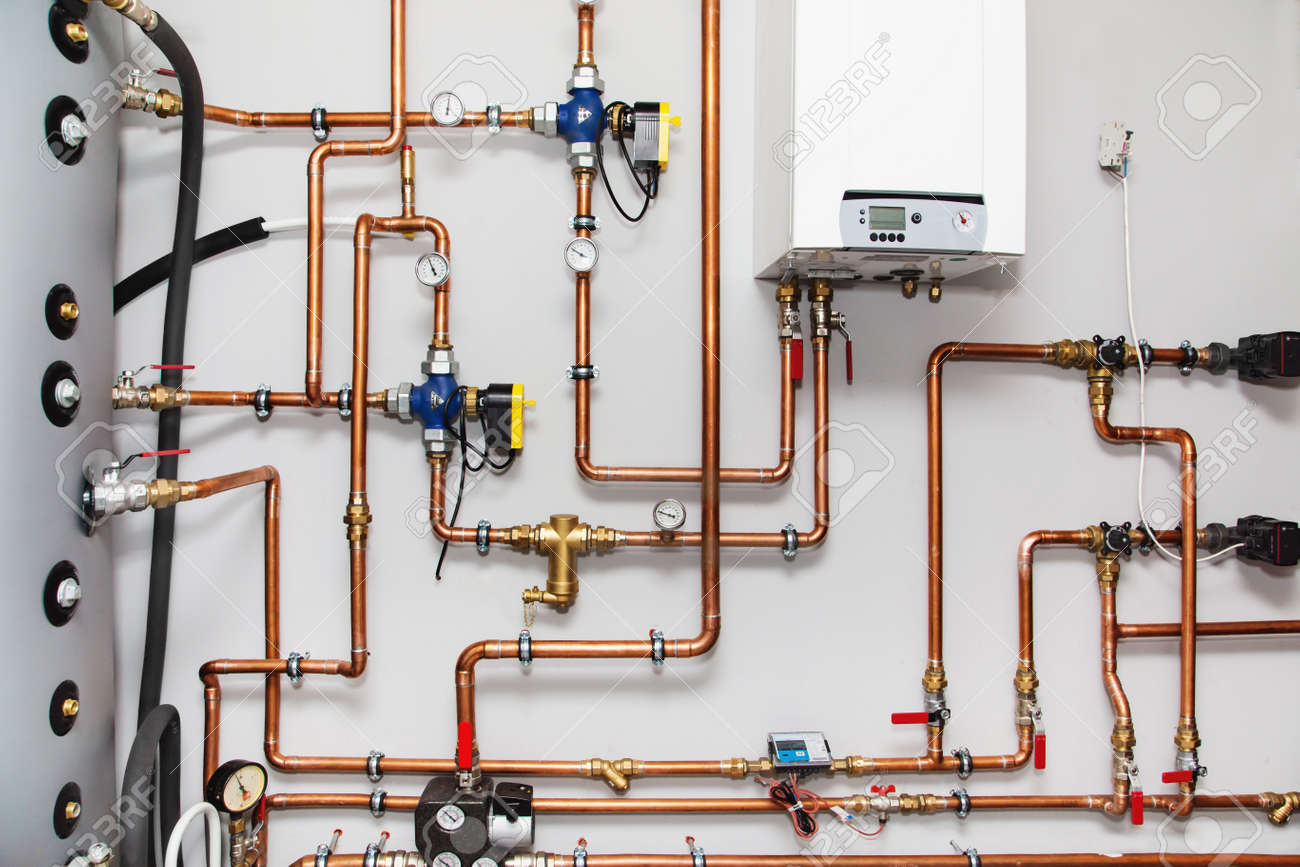
Copper Pipes: In-Depth Exploration
Copper pipes have been a cornerstone in residential plumbing for decades, primarily due to their robustness and longevity. Here’s a more detailed exploration:
Durability and Longevity:
-
Copper is highly durable, making it resistant to the rigors of daily water use. Unlike some alternative materials, copper withstands significant pressure and temperature fluctuations without compromising its structural integrity. This durability translates into decades of reliable service, often outlasting the lifespan of the buildings they are installed in.
Corrosion Resistance:
-
Copper’s natural ability to resist corrosion is one of its most valued properties. This resistance ensures that the pipes do not degrade over time due to exposure to water and oxygen, which can be a common issue with other materials. However, it’s important to note that in certain conditions, particularly where water has a low pH (acidic conditions), copper can experience a form of corrosion known as pitting. Pitting corrosion is localized and can lead to pinhole leaks, a significant concern that necessitates monitoring and maintenance.
Antimicrobial Properties:
-
The bacteriostatic nature of copper inhibits the growth of bacteria within the pipes. This property is crucial for maintaining water quality and minimizing the risk of waterborne bacterial infections. Copper’s antimicrobial effect contributes to the overall safety and cleanliness of the water supply.
Thermal Conductivity:
-
Copper’s excellent thermal conductivity makes it ideal for hot water supply lines. It efficiently transfers heat, which is beneficial for energy conservation in water heating systems.
Installation and Cost Considerations:
-
The installation of copper piping requires skilled labor, as it involves soldering joints to ensure a watertight seal. The cost of copper, both in terms of material and installation, is higher than some modern alternatives like PEX. These costs are often justified by copper’s longevity and performance but can be a barrier in budget-sensitive projects.
Environmental and Health Considerations:
-
While copper pipes are recyclable and have a lower environmental impact over their lifecycle, the mining and production of copper can have significant environmental implications. Additionally, the lead solder historically used in copper piping systems can pose health risks, though modern plumbing codes have addressed this by requiring lead-free solders.
Identifying Copper Pipes:
To help clients identify copper pipes in a property:
-
Visual Inspection: Copper pipes are typically a distinctive reddish-brown or bronze color. Clients can visually inspect exposed pipes in areas such as basements, utility rooms, or crawlspaces to identify them by their characteristic color.
-
Markings: Copper pipes may have markings or labels indicating their material type, size, or manufacturer. Clients can look for any printed information or labels on the pipes to confirm their material.
Issues with Copper Pipes:
Potential issues with copper pipes and how to identify them:
-
Pitting Corrosion: Clients should check for signs of pitting corrosion, such as small, localized pits or pinhole leaks on the surface of the pipes. Pitting corrosion often occurs in areas with low pH water.
-
Leaks or Drips: Clients should inspect connections and joints for any signs of leakage or dripping. Leaks can occur at fittings, connectors, or due to corrosion.
Understanding these aspects of copper piping helps real estate professionals, homeowners, and builders make informed decisions about plumbing materials. While copper remains a premium choice for its durability, corrosion resistance, and antimicrobial properties, considerations around cost, installation, and environmental impact play a crucial role in material selection for residential water systems.