
PVC Pipes: A Comprehensive Guide
PVC Pipes
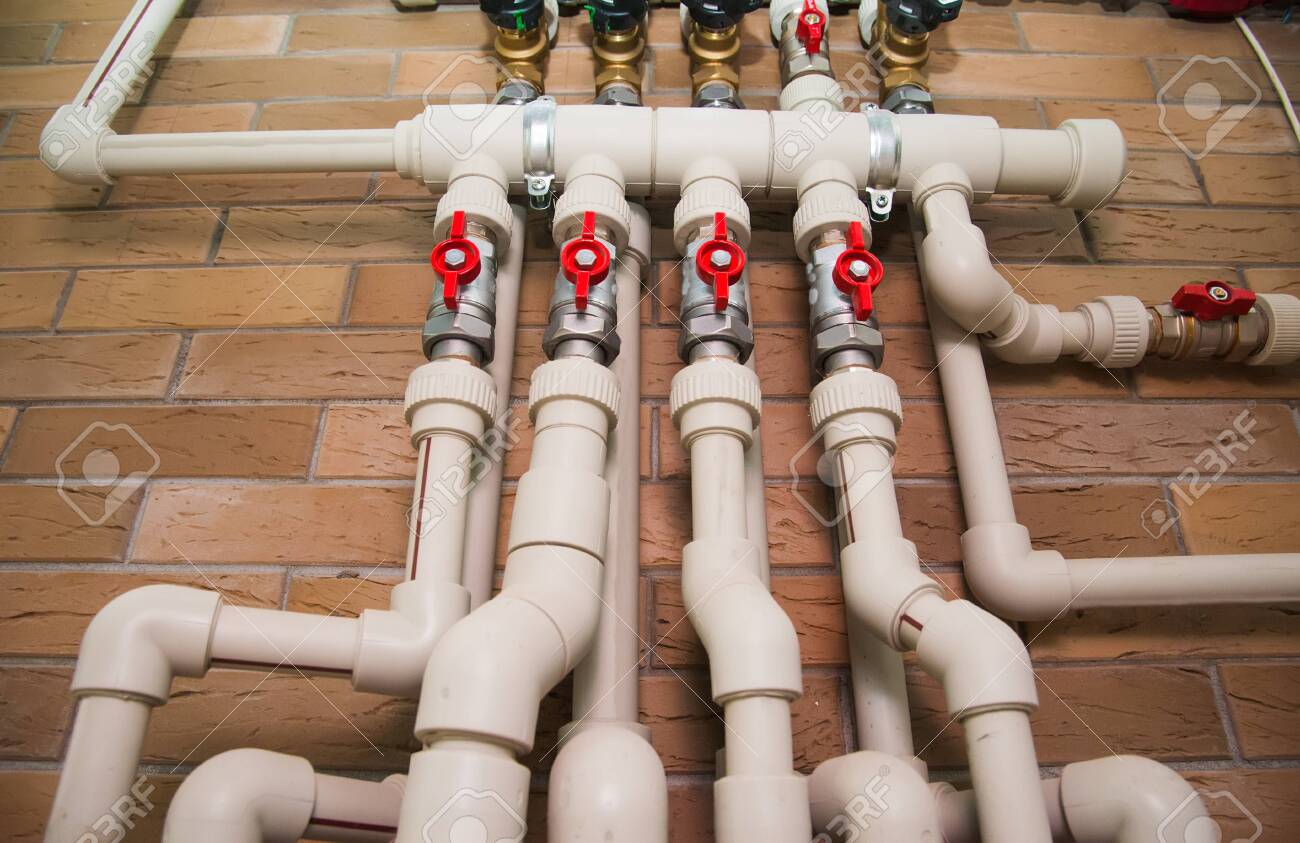
Polyvinyl Chloride (PVC) pipes are a commonly used material in residential water supply systems, offering various advantages that real estate brokers should be aware of when discussing plumbing infrastructure with clients.
Material Composition and Varieties:
-
Unplasticized PVC (uPVC): uPVC pipes are rigid and free from plasticizers. They are commonly used for cold water supply lines due to their durability and ability to handle high pressure.
-
Chlorinated PVC (CPVC): CPVC pipes undergo a chlorination process, enhancing their heat resistance. They are suitable for hot water supply lines, providing reliable performance at elevated temperatures.
Durability and Longevity:
-
PVC pipes are known for their durability and resistance to corrosion, rust, and chemical degradation. They can endure harsh environmental conditions, ensuring reliable water delivery over an extended service life.
Lightweight and Ease of Installation:
-
PVC pipes are lightweight, simplifying handling and transportation. Their ease of installation reduces labor costs, making them a cost-effective choice for plumbing projects.
Chemical Resistance:
-
PVC is inherently resistant to various chemicals commonly found in water, ensuring that the pipes do not react with or contaminate the water supply, contributing to water quality and safety.
Temperature Limitations:
-
uPVC pipes are suitable for both cold and hot water supply lines, whereas CPVC pipes are designed for higher-temperature applications. Clients should be advised on the proper use of each type to prevent temperature-related issues.
Identifying PVC Pipes:
To help clients identify PVC pipes in a property:
-
Visual Inspection: PVC pipes are typically white or off-white in color. Clients can visually inspect exposed pipes in areas such as basements, utility rooms, or crawlspaces to identify them by their characteristic color.
-
Markings: PVC pipes often have markings or labels that indicate their material type. Clients can look for any printed information or labels on the pipes to confirm their material.
Issues with PVC Pipes:
Potential issues with PVC pipes and how to identify them:
-
Brittleness: PVC pipes may become brittle over time when exposed to direct sunlight or ultraviolet (UV) radiation. Clients should check for signs of cracking, discoloration, or noticeable weakening of the pipes, especially in outdoor or exposed areas.
-
Leakage: Clients should inspect connections and joints for any signs of leakage. Leaks can indicate issues with the seals, connectors, or the integrity of the pipe material itself.
-
Corrosion at Fittings: In some cases, corrosion may occur at the fittings or connections of PVC pipes, leading to weakening or leakage. Clients should examine these areas for signs of rust or corrosion.
Addressing Issues with PVC Pipes:
When clients identify potential issues with PVC pipes, it’s essential to recommend appropriate actions:
-
Consult a Professional: Clients should consult with a licensed plumber or plumbing professional for a thorough assessment of the plumbing system. Professionals can identify the source of issues and recommend necessary repairs or replacements.
-
Repair or Replacement: Depending on the severity of the issue, repairs such as sealing leaks or replacing damaged sections may be required. In some cases, a complete system replacement might be necessary.
By helping clients identify PVC pipes, educating them on potential issues and how to recognize them, and recommending appropriate actions, real estate brokers empower clients to make informed decisions regarding the plumbing infrastructure of their properties. PVC pipes offer reliability and cost-effectiveness, and with proper maintenance, they can provide long-lasting and efficient water supply systems.