
Brass Pipes: An In-Depth Exploration
Brass Pipes
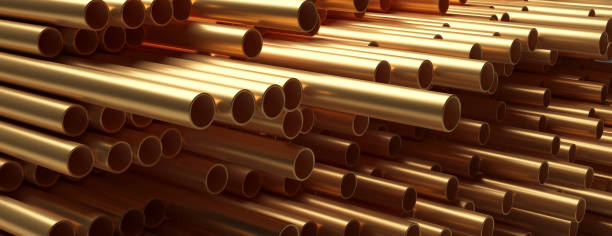
Brass pipes are a common choice in residential plumbing systems due to their durability, corrosion resistance, and unique aesthetic appeal. Here’s a closer look at brass pipes:
Material Composition:
Brass is an alloy composed primarily of copper and zinc, with various proportions of these metals affecting its properties. Common types of brass used in plumbing include red brass (high copper content) and yellow brass (higher zinc content).
Identifying Brass Pipes:
To help clients identify brass pipes in a property:
-
Visual Inspection: Brass pipes typically have a distinctive gold or reddish-gold color. Clients can visually inspect exposed pipes in areas such as basements, utility rooms, or crawlspaces to identify them by their characteristic color.
-
Markings: Brass pipes may have markings or labels indicating their material type, size, or manufacturer. Clients can look for any printed information or labels on the pipes to confirm their material.
Durability and Longevity:
-
Brass pipes are highly durable and resistant to corrosion, making them a reliable choice for water supply lines. They can withstand exposure to both cold and hot water, making them versatile for various plumbing applications.
Corrosion Resistance:
-
Brass is inherently corrosion-resistant, making it suitable for use with different water qualities. However, clients should be aware of potential dezincification, a rare form of corrosion that can occur in some brass alloys in aggressive water conditions.
Aesthetic Appeal:
-
Brass pipes are often chosen for their aesthetic appeal. They provide a distinctive and timeless look that can enhance the overall appearance of a property.
Issues with Brass Pipes:
Potential issues with brass pipes and how to identify them:
-
Dezincification: Clients should be aware of the potential for dezincification in brass pipes. This occurs when certain aggressive water conditions cause the zinc in the alloy to leach out, weakening the material. Signs of dezincification may include white or powdery deposits on the pipe’s surface and reduced structural integrity.