
Cast Iron Waste Pipes: A Comprehensive Guide for Real Estate Brokers
Cast Iron Waste Pipes
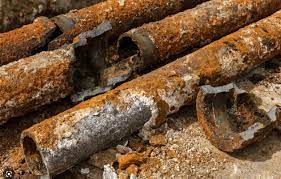
Cast iron waste pipes have a longstanding history in residential plumbing systems, offering unique characteristics and considerations that real estate brokers should thoroughly understand when advising clients on plumbing infrastructure.
Identifying Cast Iron Waste Pipes:
To help clients identify cast iron waste pipes in a property, real estate brokers can provide the following guidance:
-
Visual Inspection: Cast iron waste pipes are typically dark gray or black in color and have a rough, textured surface. Clients can visually inspect exposed pipes in areas such as basements, crawlspaces, or utility rooms to identify cast iron waste pipes based on their color and texture.
-
Tactile Examination: Cast iron pipes have a dense and solid feel when touched. Clients can run their fingers along the pipe’s surface to confirm its material. The rough texture is a notable tactile characteristic of cast iron.
Why Cast Iron Waste Pipes Were Used:
Cast iron waste pipes were commonly used in older residential properties for several reasons:
-
Durability: Cast iron is known for its exceptional durability and resistance to wear and tear. It could withstand the rigors of wastewater transport over many decades.
-
Noise Reduction: The density of cast iron helped dampen the sound of wastewater flow, resulting in quieter plumbing operations.
-
Fire Resistance: Cast iron waste pipes have inherent fire-resistant properties, enhancing safety in residential plumbing systems.
Common Issues with Cast Iron Waste Pipes:
Real estate brokers should inform clients about potential issues associated with cast iron waste pipes:
-
Susceptibility to Rust: Cast iron pipes are susceptible to rust over time, especially in older systems that have been in use for several decades. Rust accumulation can result in reduced water flow, water discoloration, changes in taste and odor, and potential health concerns.
Addressing Rust-Related Issues:
Real estate brokers should advise clients on how to address rust-related issues associated with cast iron waste pipes:
-
Regular Inspections: Periodic inspections of the plumbing system can help identify the extent of rust accumulation and assess the overall condition of the pipes.
-
Cleaning and Maintenance: Cleaning or descaling procedures can be performed to remove rust and sediment buildup within the pipes. This may involve using specialized equipment and chemicals to restore optimal water flow.
-
Partial or Full Pipe Replacement: In cases where rust-related issues are extensive, including severe corrosion and pipe degradation, clients may need to consider partial or full pipe replacement. Upgrading to more modern plumbing materials, such as PVC or ABS, can provide long-term solutions.
-
Water Quality Testing: Clients concerned about potential health risks associated with rust and other contaminants should consider conducting water quality testing to ensure safe and clean water for their household needs.
Advantages of Cast Iron Waste Pipes:
While cast iron waste pipes have their share of issues, it’s important to highlight some of their historical advantages:
-
Durability: Cast iron pipes have a reputation for lasting many decades, making them a reliable choice in older homes.
-
Noise Reduction: The density of cast iron helps reduce the noise associated with wastewater flow, contributing to a quieter indoor environment.
-
Fire Resistance: Cast iron’s inherent fire-resistant properties add an extra layer of safety to residential plumbing systems.
In summary, cast iron waste pipes offer durability, noise reduction, and fire resistance but are susceptible to rust-related issues over time. Real estate brokers should educate clients about the potential advantages and drawbacks of cast iron waste pipes and recommend appropriate inspection, cleaning, maintenance, or replacement measures to ensure the plumbing system’s functionality and water quality in older properties.