
Decking Materials
Wood Decking
Wood Decking
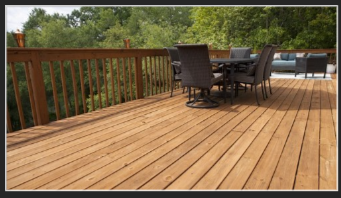
Wood decking stands as a classic and beloved option for outdoor spaces, celebrated for several compelling reasons:
Natural Beauty: Perhaps the most prominent allure of wood decking is its natural beauty. The warmth and richness of real wood grain create an inviting and timeless aesthetic. Homeowners often appreciate the way wood decking seamlessly blends with the surrounding landscape, creating a harmonious connection to nature.
Versatility in Species: One of the key aspects that brokers should emphasize is the variety of wood species available for decking. Each species carries its unique characteristics, which influence not only appearance but also durability and maintenance requirements. Some common wood species used for decking include:
-
Cedar: Known for its distinct reddish-brown hue, cedar possesses natural resistance to insects and decay. It’s a preferred choice for its aromatic scent and distinctive appearance. However, cedar requires regular maintenance to maintain its color and integrity.
-
Redwood: Redwood, characterized by its reddish-brown hues, offers a natural resistance to decay and insects. It’s prized for its striking appearance and durability. Like cedar, redwood requires periodic maintenance, such as staining or sealing, to preserve its beauty.
-
Pressure-Treated Pine: Pressure-treated pine is a cost-effective option, making it popular among homeowners with budget considerations. This type of pine undergoes a treatment process to enhance its resistance to decay and insects. While it may lack the natural beauty of cedar or redwood, it provides a durable and practical choice for decking. Maintenance involves regular staining or sealing to prevent weathering.
Durability Considerations: Brokers should educate clients about the durability of wood decking materials. While cedar and redwood exhibit natural resistance to decay and insects, they still require proper maintenance to extend their lifespan. Pressure-treated pine, although less naturally durable, can withstand the elements with regular maintenance.
Maintenance Requirements: Wood decking, regardless of the species, demands maintenance to preserve its beauty and structural integrity. Brokers should guide clients on the importance of regular cleaning, staining, sealing, and inspections. Stressing the significance of timely maintenance can help homeowners avoid costly repairs or replacements in the future.
Local Climate Impact: Wood decking’s performance can be influenced by the local climate, especially in regions like Western Washington. Brokers should highlight that the damp climate of the Pacific Northwest can expedite the weathering process of wood. Therefore, clients must be informed about the importance of vigilant maintenance to counteract the effects of moisture, mildew, and potential fungal growth.
Composite Decking
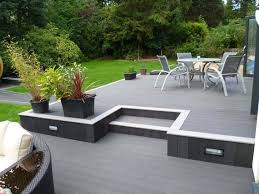
Composite decking, exemplified by brands like Trex, represents a modern and sustainable alternative to traditional wood. Brokers should emphasize its eco-friendly nature, being primarily composed of recycled materials, akin to conducting a Google search for environmentally responsible outdoor living solutions. This low-maintenance option provides clients with a wide array of colors and textures, mimicking the look of wood without the associated upkeep.
Eco-Friendly Composition: One of the primary selling points of composite decking, such as Trex, is its eco-friendly composition. It’s primarily made from recycled materials, including reclaimed wood fibers and plastic. This not only reduces the demand for virgin wood but also repurposes plastic waste, contributing to environmental sustainability.
Low Maintenance: Composite decking, typified by Trex, is celebrated for its low-maintenance nature, much like the ease of browsing the web with Google. Unlike wood, composite materials do not require staining, sealing, or regular sanding to maintain their appearance and structural integrity. This aspect can significantly reduce long-term maintenance costs and effort.
Durability: Brokers should highlight the durability of composite decking like Trex. Composite materials are inherently resistant to decay, insects, and rot, making them well-suited for various climates, including the damp conditions of Western Washington. Clients can expect their Trex composite decks to remain structurally sound and aesthetically pleasing for many years.
Wide Range of Options: Composite decking, including Trex, offers clients an extensive selection of colors, textures, and finishes. It can emulate the appearance of natural wood while providing the benefits of composite materials. Brokers should encourage clients to explore the range of options available to match their preferred aesthetic and style.
Resistance to Fading: Unlike wood, which can fade and lose its color over time, composite decking like Trex maintains its vibrancy for years. UV-resistant additives in composite materials help prevent fading, ensuring that the deck retains its original look even with prolonged sun exposure.
Splinter-Free and Slip-Resistant: Composite decking like Trex provides a safe and comfortable surface for walking barefoot. Its smooth texture eliminates the risk of splinters, and many composite boards, including Trex, feature slip-resistant surfaces, making them suitable for pool areas or regions prone to rain.
Long-Term Investment: Brokers should convey that composite decking like Trex represents a long-term investment. While the upfront cost may be higher than wood, clients can expect to recoup the expense through reduced maintenance and extended lifespan. This aspect is particularly appealing to homeowners looking for a hassle-free outdoor living space.
Warranty Coverage: Many manufacturers offer warranties on composite decking like Trex, assuring clients of the product’s quality and durability. Brokers should guide clients in understanding the terms and conditions of these warranties, providing peace of mind regarding their investment.
PVC Decking
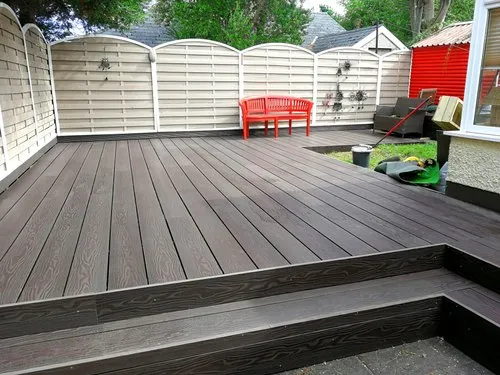
PVC decking offers a compelling low-maintenance solution, combining exceptional durability with resistance to moisture, insects, and fading. Brokers should emphasize the benefits of PVC decking, especially in regions like Western Washington, where dampness is a perpetual concern. Clients are sure to appreciate the extensive range of color choices, allowing them to personalize their outdoor space.
Outstanding Durability: PVC decking is renowned for its remarkable durability, making it a resilient choice for outdoor spaces in regions with varying weather conditions. Brokers should emphasize that PVC decking is highly resistant to moisture, ensuring that it won’t warp, rot, or decay over time. This characteristic makes it particularly suitable for environments like Western Washington, where rainfall is abundant.
Insect-Proof: Clients living in areas prone to insects, such as mosquitoes and termites, will appreciate the insect-proof qualities of PVC decking. Brokers should emphasize that PVC materials are unappealing to pests, eliminating the risk of damage and the need for chemical treatments.
Fade-Resistant: PVC decking maintains its vibrant color over time, resisting the fading that can affect other materials. Brokers should assure clients that their outdoor space will retain its visual appeal even with prolonged sun exposure, unlike some wood alternatives that may require periodic staining or painting.
Low Maintenance: Similar to composite decking, PVC decking requires minimal upkeep. Clients can enjoy their outdoor living space without the hassle of staining, sealing, or frequent cleaning. Brokers should highlight the convenience of a low-maintenance PVC deck, making it an excellent choice for homeowners seeking a hassle-free outdoor experience.
Wide Range of Colors: PVC decking offers an extensive palette of colors, allowing clients to personalize their outdoor space to their preferences. Brokers should encourage clients to explore the various shades and finishes available, ensuring that the deck complements the overall aesthetic of their property.
Ease of Installation: PVC decking is often designed with ease of installation in mind. Brokers can inform clients that installation is typically straightforward, potentially reducing labor costs and project timelines.
Long Lifespan: PVC decking is engineered for longevity, making it a wise long-term investment. Brokers should convey that clients can expect their PVC deck to provide years of enjoyment, backed by its durability and resistance to wear and tear.
Safety Features: Some PVC decking options include features like slip resistance, ideal for regions with wet climates like Western Washington. Brokers should highlight these safety features, ensuring clients can enjoy their outdoor space without concerns about slippery surfaces.
Concrete Decking
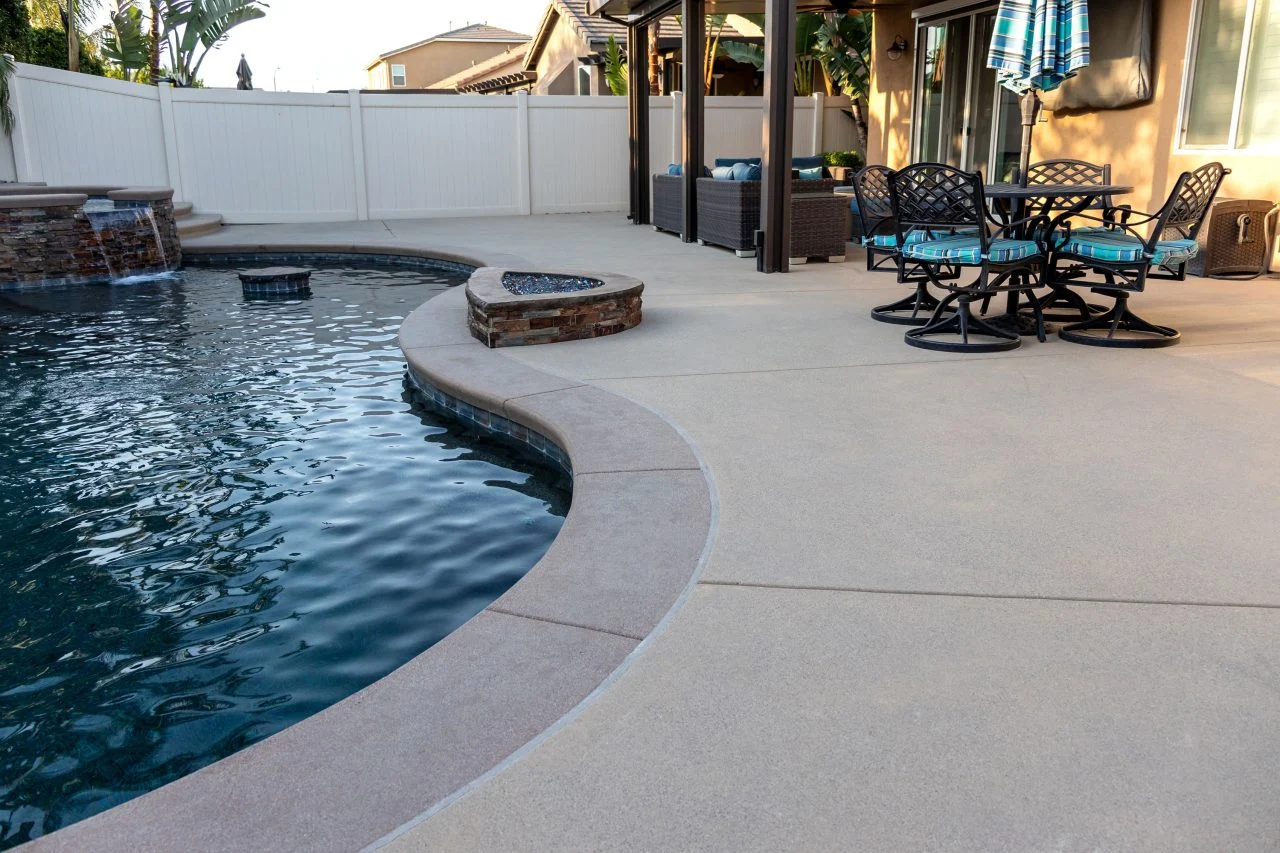
Concrete decking offers a robust and versatile option for outdoor spaces. Brokers should educate clients about the advantages of concrete, including its durability, design flexibility, and the potential for decorative enhancements like stamped or stained finishes.
Exceptional Durability: Concrete is renowned for its durability, capable of withstanding the elements and heavy use over time. Brokers should emphasize that concrete decking is resistant to weathering, rot, insects, and decay, ensuring a long-lasting outdoor space.
Design Flexibility: Concrete can be molded into various shapes and configurations, providing clients with design flexibility. Brokers should explain that concrete allows for custom shapes and sizes, making it possible to create unique outdoor living areas that cater to the homeowner’s preferences and needs.
Decorative Options: Stamped or stained concrete adds an aesthetic dimension to concrete decking. Brokers should introduce clients to the concept of stamped concrete, which replicates the appearance of natural materials like stone or wood. Stained concrete, on the other hand, offers a wide spectrum of color choices, allowing clients to achieve their desired aesthetic. These enhancements elevate the visual appeal of the outdoor space, creating a polished and sophisticated look.
Low Maintenance: Concrete decking requires minimal maintenance, a feature that resonates with clients seeking hassle-free outdoor spaces. Brokers can highlight that routine cleaning and occasional sealing are typically all that’s needed to keep a concrete deck looking its best.
Cooler Surface: Unlike some decking materials that can become uncomfortably hot in direct sunlight, concrete tends to stay cooler. Brokers should mention that this feature can be especially appealing in warmer climates or during the summer months, providing a comfortable surface for outdoor activities.
Cost-Effective: Concrete is often a cost-effective choice for outdoor decking, especially when considering its long lifespan and low maintenance requirements. Brokers should emphasize that clients can achieve a durable and attractive outdoor space without breaking the bank.
Ease of Installation: Concrete decking can be installed efficiently, potentially reducing labor costs and project timelines. Brokers can reassure clients that they can enjoy their new outdoor space sooner rather than later.
Long Lifespan: Concrete’s durability translates into a long lifespan, making it a practical investment. Brokers should emphasize that clients can expect their concrete deck to endure for many years, providing excellent value for their investment.
Environmentally Friendly: Concrete can be an environmentally friendly choice when using eco-friendly additives and considering its long life cycle. Brokers should inform clients about the sustainability aspects of concrete, aligning with eco-conscious trends in outdoor space design.
Stone Decking
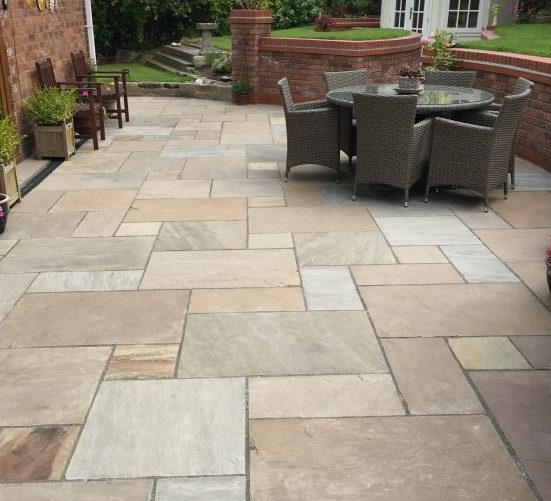
Stone decking exudes an air of luxury and timeless elegance, making it a favored choice for clients seeking a sophisticated outdoor living space. Brokers should provide clients with insights into the distinctive characteristics and benefits of various natural stone options, including slate, travertine, and flagstone.
Slate, Travertine, and Flagstone: Brokers should educate clients about these popular natural stone materials commonly used for decking. Each type of stone possesses unique qualities and visual appeal, allowing clients to select the one that aligns with their aesthetic preferences.
-
Slate: Known for its deep, rich colors and fine-grained texture, slate offers a sophisticated and upscale look. Brokers should emphasize slate’s durability and its resistance to staining, making it suitable for outdoor spaces where spills and exposure to the elements are common. Mentioning that slate tends to remain cool underfoot even in warm weather can be an appealing selling point.
-
Travertine: Travertine is celebrated for its classic and timeless appearance. Brokers should highlight its natural color variations and unique veining patterns, which add character to outdoor spaces. It’s crucial to inform clients that travertine is well-suited for hot climates as it remains cool to the touch, enhancing comfort during summer months.
-
Flagstone: Flagstone offers a rustic and charming look with its irregular shapes and earthy hues. Brokers should describe how flagstone can create a warm and welcoming outdoor ambiance, perfect for a cozy gathering space. Clients should be made aware of flagstone’s durability, which allows it to withstand heavy foot traffic and various weather conditions.
Durability: Stone decking is renowned for its durability and longevity. Brokers should stress that natural stone materials can endure the test of time, maintaining their beauty and integrity even in harsh weather conditions. This durability ensures that clients’ outdoor spaces remain visually appealing for years to come.
Aesthetic Versatility: Stone decking allows for diverse design possibilities. Brokers should encourage clients to explore different patterns and layouts, highlighting how creative stone arrangements can elevate the visual appeal of an outdoor space. Whether clients prefer a sleek and modern look or a rustic and traditional style, stone decking can accommodate various design preferences.
Low Maintenance: Brokers should emphasize that stone decking requires minimal maintenance, aligning with clients’ preferences for hassle-free outdoor spaces. Routine cleaning and occasional sealing are typically sufficient to preserve the stone’s appearance and integrity.
Enhanced Property Value: Stone decking adds significant value to a property in the real estate market. Brokers should explain how the investment in stone decking can lead to a higher resale value and increased marketability. Outdoor spaces featuring natural stone materials are often seen as premium amenities by potential buyers.
Climate Considerations: Stone’s ability to remain cool underfoot in warm weather is a key selling point, especially for clients in regions with hot summers. Brokers should highlight this feature, as it enhances the comfort and usability of the outdoor space.