
Pergolas, Gazebos, and Shade Structures
Pergolas
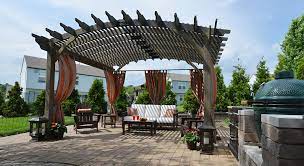
Partial Shade and How to Identify It: Pergolas are outdoor structures characterized by several key features:
-
Slatted or Lattice Roof: Pergolas typically have an overhead framework with slats or lattice panels. These components create a patterned roof that allows sunlight to filter through in a distinctive way. The resulting effect is a play of light and shadow on the ground beneath.
-
Partial Shade: This slatted or lattice roof design is what allows pergolas to offer partial shade. They provide a unique blend of shelter from direct sunlight while still allowing some rays to filter through. Homeowners can identify a pergola by its signature roof structure that creates a beautiful dappled light effect below.
-
Vertical Posts and Overhead Crossbeams: Pergolas are supported by vertical posts that hold up the roof structure. The crossbeams run overhead, connecting the posts. These structural elements create an open and inviting framework.
-
Customizable Design: Homeowners can easily identify a pergola by its characteristic framework, which can be customized to match their preferences and complement the overall style of the home and landscape. The versatility in design allows pergolas to be crafted as unique focal points that add architectural interest to outdoor spaces.
-
Climbing Plants: Pergolas serve as excellent supports for climbing plants like wisteria, grapes, ivy, or even flowering vines such as roses. Homeowners can identify a pergola that supports plants by observing these climbing flora growing on the vertical posts and crossbeams. As these plants thrive, they enhance the natural beauty of the outdoor space while providing an additional layer of shade and privacy as the foliage grows and intertwines.
-
Balancing Shade and Sunlight: Pergolas are well-known for their ability to provide shade without completely blocking sunlight. To identify a pergola, look for the characteristic slatted or lattice roof that allows sunlight to filter through, creating a dappled light effect on the ground below. This design feature makes them an excellent choice for those who want some protection from the sun while maintaining a connection to the outdoors.
Gazebos
How to Identify a Gazebo:
Identifying a gazebo is relatively straightforward, thanks to its distinct features:
-
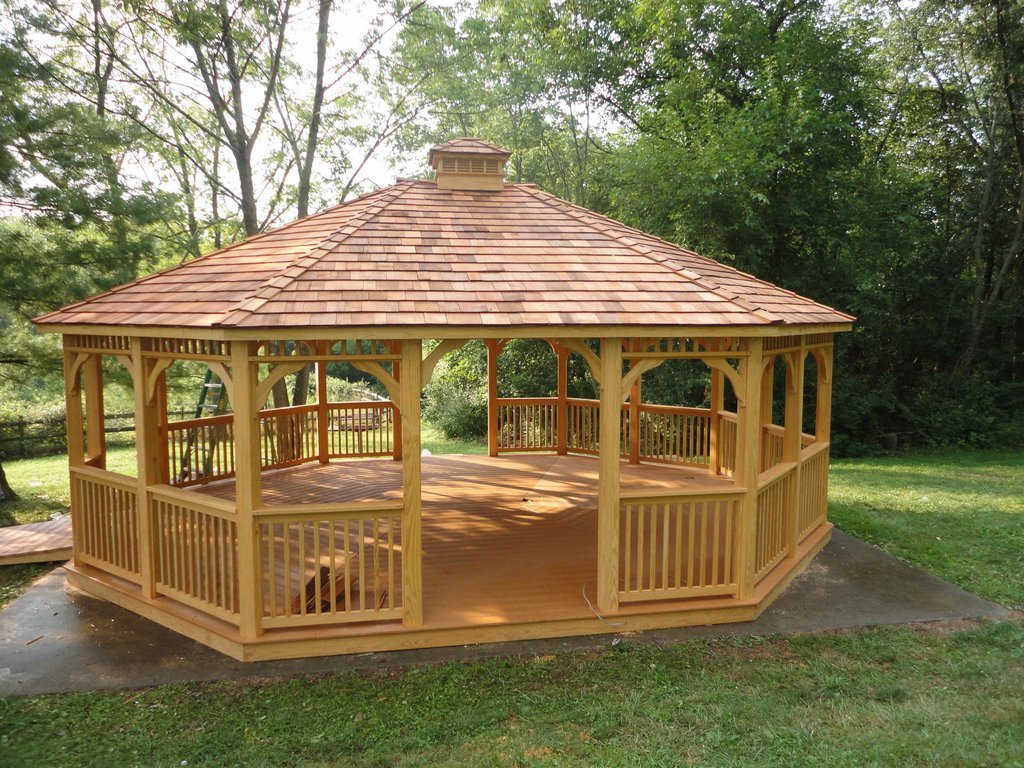
Solid Roof: Look for a structure with a solid, often dome-shaped or multi-tiered roof that provides complete shade.
-
Enclosed Design: Gazebos have open sides but are fully enclosed structures, creating a sense of privacy and separation.
-
Architectural Elements: Pay attention to architectural details that make gazebos stand out, such as decorative columns, railings, and intricate roof designs.
-
Versatility: Consider how the structure is used. Gazebos are versatile and can serve as seating areas, dining spaces, or even spaces for hot tubs or spa activities.
-
Complete Shade and Weather Protection: One of the most prominent features of a gazebo is its solid roofing. Unlike pergolas that have a slatted or lattice roof, gazebos provide complete shade and weather protection. This roofing design is sturdy and capable of withstanding various weather conditions, ensuring that you and your guests remain sheltered from rain, wind, and intense sunlight. The ability to offer year-round protection makes gazebos stand out as outdoor living spaces that can be enjoyed in any weather.
-
Versatile Use: Gazebos are incredibly versatile in terms of functionality. They are designed to accommodate various purposes within your outdoor space. Homeowners can use them to create comfortable seating areas for relaxation, outdoor dining spaces for entertaining guests, or even as a shelter for hot tubs, providing an inviting and cozy environment. The enclosed structure of gazebos lends itself well to different activities, making them suitable for intimate gatherings or larger outdoor events.
-
Architectural Appeal: Gazebos contribute significantly to the architectural appeal of outdoor spaces. They are often considered as focal points and can be customized to match the overall design and aesthetics of the property. Homeowners have the flexibility to choose from various materials, finishes, and styles to create a gazebo that seamlessly integrates into their outdoor living area. Whether you prefer a classic, rustic, or modern design, gazebos can be tailored to suit your preferences.
-
Privacy and Enclosure: Gazebos offer a unique level of privacy and enclosure within your outdoor space. The solid roof and open sides create an enclosed structure that provides a sense of separation from the surrounding environment. This feature is particularly appealing to homeowners who value seclusion and desire a dedicated space for relaxation or entertainment. Gazebos create a cozy and intimate atmosphere, enhancing the overall outdoor experience and making them easily identifiable as functional and stylish outdoor structures.
Shade Structures
What Are Shade Structures?
Shade structures are versatile outdoor installations designed to provide shade and enhance your outdoor living experience. They come in various forms, with some of the most common types including:
-
Retractable Awnings: These are fabric or canvas coverings that can be extended or retracted as needed. They offer customizable shade solutions and are often motorized for ease of use.
-
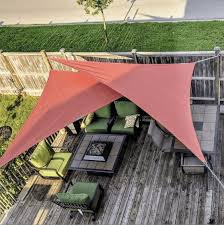
Shade Sails: Large pieces of fabric or sailcloth that are tensioned between anchor points to create shaded areas. They are known for their modern and stylish appearance and can be easily adjusted for varying levels of shade.
-
Pergola Canopies: Pergolas are outdoor structures featuring vertical posts and overhead crossbeams or lattice. Pergola canopies can be added to provide shade and style. They can be retractable or fixed, offering flexibility.
How to Identify Shade Structures:
Identifying shade structures in outdoor spaces is straightforward:
-
Look for Fabric or Material: Shade structures are characterized by their fabric, canvas, or shade material. Observe areas where these materials are stretched or extended to create shaded zones.
-
Anchor Points or Mechanisms: Shade sails have anchor points at each corner, often attached to walls, posts, or other structures. Retractable awnings may have mechanical systems or tracks for extension and retraction.
-
Aesthetic Enhancements: Shade structures are integrated into the overall design of outdoor spaces. They come in various styles, colors, and materials to complement the landscape and architecture, adding both functionality and visual appeal.
-
Flexibility: Many shade structures are designed for adaptability. They can be extended or retracted to control the amount of shade they provide, making them suitable for different weather conditions and personal preferences.
Significant Advantages of Shade Structures:
Shade structures offer several key benefits for homeowners and buyers:
-
Customizable Shade Solutions: You can adjust shade structures like retractable awnings or shade sails as needed, ensuring comfort during various outdoor activities.
-
Sun Protection: These structures protect against the sun’s harsh rays, reducing the risk of sunburn and heat-related discomfort. They extend the time you can spend outdoors while staying protected from harmful UV rays.
-
Outdoor Heating Integration: Enhance the functionality of shade structures with outdoor heating options like patio heaters or fire pits. These additions provide warmth during cooler evenings, making your outdoor space comfortable year-round.
-
Aesthetic Enhancements: Shade structures come in various styles, colors, and materials that complement the outdoor area’s design, enhancing its visual appeal while ensuring practicality.
-
Flexibility: Some shade structures can be temporary or retractable, giving you the freedom to choose when to have shade or enjoy full sunlight. This adaptability is ideal for those who want to make the most of changing weather conditions and personal preferences.