
Galvanized Steel Pipes: A Comprehensive Guide
Galvanized Steel Pipes
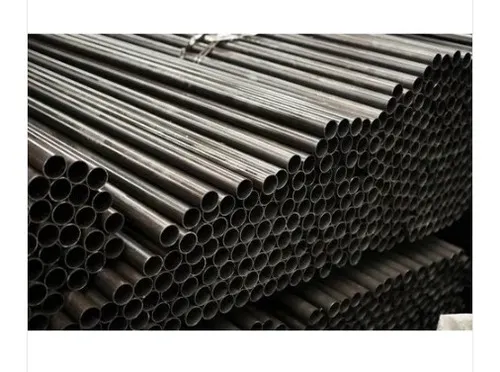
Galvanized steel pipes have a rich history in residential water supply systems, offering a unique set of characteristics and considerations that real estate brokers should thoroughly understand when advising clients on plumbing infrastructure.
Material Composition and Characteristics:
-
Galvanized Coating: Galvanized steel pipes are ordinary steel pipes coated with a layer of zinc through a galvanization process. This zinc coating acts as a protective shield, guarding the steel against the corrosive effects of water. The combination of steel’s strength and zinc’s corrosion resistance makes these pipes a practical choice.
Durability and Longevity:
-
Galvanized steel pipes are celebrated for their durability and ability to withstand high-pressure water systems. Their robustness often results in an extended service life, making them well-suited for water supply lines in older properties where they may have been traditionally used.
Corrosion Resistance:
-
The galvanized coating significantly enhances the corrosion resistance of these pipes. However, clients should be aware that over time, exposure to water and environmental factors can lead to the gradual deterioration of this protective layer. This can ultimately result in rust formation and a potential decline in water quality.
Maintenance Considerations:
-
Real estate brokers should emphasize the importance of regular maintenance to their clients. Periodic inspections and maintenance activities, such as identifying and replacing corroded sections or even considering a full system replacement, are essential to ensure optimal water flow and water quality.
Identifying Galvanized Steel Pipes:
Before addressing potential issues with galvanized steel pipes, it’s important for real estate brokers to help clients identify them in a property:
-
Visual Inspection: Clients can begin by visually inspecting the exposed pipes in the property, typically found in basements, crawlspaces, or utility rooms. Galvanized steel pipes often have a distinctive gray or silver appearance due to their zinc coating.
-
Magnetic Test: A simple test involves using a magnet. Galvanized steel pipes are magnetic, so if a magnet sticks to the pipes, it indicates the presence of galvanized steel.
-
Age of the Property: Galvanized steel pipes were commonly used in residential construction before the 1960s. Therefore, the age of the property can be a clue. Clients can check historical records or consult with inspectors to determine the type of plumbing used during construction.
Identifying Issues with Galvanized Steel Pipes:
Once clients have identified galvanized steel pipes in a property, it’s crucial to be aware of potential issues and how to recognize them:
-
Rust and Corrosion: Clients should be advised to check for visible signs of rust, corrosion, or scale buildup on the exterior of the pipes. Rust spots or patches may indicate the deterioration of the galvanized coating.
-
Water Discoloration: Clients should pay attention to the color of the water when running faucets or filling containers. Brown or reddish-tinted water can be a sign of rust or sediment within the pipes.
-
Water Pressure Changes: Sudden changes in water pressure, including reduced pressure in faucets or showers, can be indicative of internal pipe issues caused by rust or scale buildup.
-
Taste and Odor Changes: Clients should be aware of any changes in the taste or odor of the water. A metallic taste or unusual odor may suggest water quality issues associated with galvanized pipes.
Addressing Issues with Galvanized Steel Pipes:
When clients identify potential issues with galvanized steel pipes, it’s essential to recommend appropriate actions:
-
Consult a Professional: Clients should consult with a licensed plumber or plumbing professional for a thorough assessment of the plumbing system. Professionals can determine the extent of damage and recommend the most suitable solutions.
-
Maintenance and Cleaning: In cases of minor rust or scale buildup, pipes can often be cleaned and re-coated to extend their service life. Regular maintenance, including cleaning and coating, may be a cost-effective solution.
-
Partial or Complete Replacement: In cases of severe corrosion, reduced water quality, or extensive deterioration, clients may need to consider partial or complete replacement of the galvanized steel pipes with more modern materials, such as copper or PEX.
Health Considerations:
-
Galvanized pipes have a historical legacy and were commonly used in the past. Some older systems may still contain lead solder, which can pose health risks due to potential lead leaching into the water supply. It is advisable for clients to consider conducting water quality tests to ensure that lead levels remain within safe limits.
Replacement Considerations:
-
While galvanized steel pipes have provided reliable service historically, the plumbing industry has evolved, introducing modern materials like copper or PEX that offer superior corrosion resistance and easier installation. Real estate brokers should engage in discussions with clients about the advantages of upgrading to these newer materials, particularly in cases where the existing galvanized system exhibits signs of deterioration or presents maintenance challenges.