
Heating Oil
Heating Oil
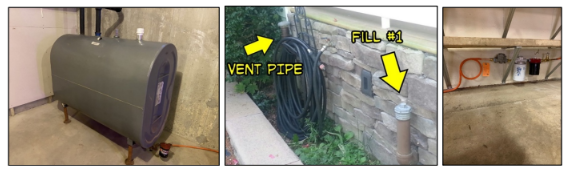
Heating Oil Overview:
Heating oil, often referred to as fuel oil, is a versatile petroleum product primarily used for heating purposes in residential, commercial, and municipal buildings. It serves as a crucial energy source for furnaces and boilers, providing warmth to homes and various other structures. Heating oil is chemically similar to diesel fuel, with low viscosity grades being the most common choice for heating applications.
Storage and Delivery:
Heating oil is typically delivered to buildings by tank trucks specially designed for this purpose. It is stored in storage tanks, which can be located in basements, garages, or positioned outside buildings. There are two main types of storage tanks:
-
Above-Ground Storage Tanks (ASTs): These tanks are commonly used for heating oil storage due to their cost-effectiveness, making them suitable for smaller installations.
-
Underground Storage Tanks (USTs): While less common than ASTs, USTs are used for heating oil storage in some cases.
Drawbacks of Heating Oil:
-
Aging Infrastructure: One significant drawback of heating oil systems is the age of older homes with these systems. Many of these systems were installed decades ago, and the aging components, especially steel tanks, can be prone to corrosion and leaks.
-
Environmental Hazards: Leaking fuel oil tanks pose a serious environmental hazard. When tanks develop leaks, fuel oil can contaminate the surrounding soil, necessitating hazardous materials cleanup. This process involves excavating the tank, removing contaminated soil, and properly processing and cleaning it, resulting in substantial costs.
-
Fuel Price Variability: The cost of heating oil can vary considerably, with prices typically surging during the winter when demand is high. Homeowners may face the dilemma of refilling their tanks at higher prices during the colder months or going without heat.
Decommissioning of Heating Oil Tanks:
Decommissioning heating oil tanks is a crucial step when they are no longer in use or if a property switches to an alternative heating source. The process typically involves:
-
Tank Cleaning: The tank must be emptied and cleaned to remove any remaining fuel oil or residues.
-
Tank Removal: In some cases, the tank may be removed from the property entirely, especially if it is no longer needed. The removal process should be carried out by professionals to prevent soil contamination.
-
Tank Abandonment: If removal is not feasible or necessary, the tank may be abandoned in place. This involves filling it with an inert material to prevent future use.
EPA Cleanup Issues:
Leaking heating oil tanks can lead to soil and groundwater contamination, posing environmental risks. When contamination occurs, it is subject to regulations by the Environmental Protection Agency (EPA) or local environmental agencies. Cleanup issues related to heating oil tanks include:
-
Environmental Impact: Contamination can have a significant impact on the environment, including soil, groundwater, and potentially nearby water bodies.
-
Legal Compliance: Property owners are often required to comply with EPA regulations and local laws regarding tank removal, soil remediation, and cleanup.
-
Costs: Cleanup and soil remediation can be expensive, with costs varying depending on the extent of contamination and regulatory requirements.
By understanding these details about heating oil, its associated challenges, decommissioning requirements, and EPA cleanup issues, real estate brokers can provide comprehensive information to their clients. This knowledge equips clients with the awareness of potential environmental and regulatory considerations related to heating oil systems during property transactions.