
Propane
Propane
Propane: A Comprehensive Broker’s Guide
Identifying Propane in Properties:
-
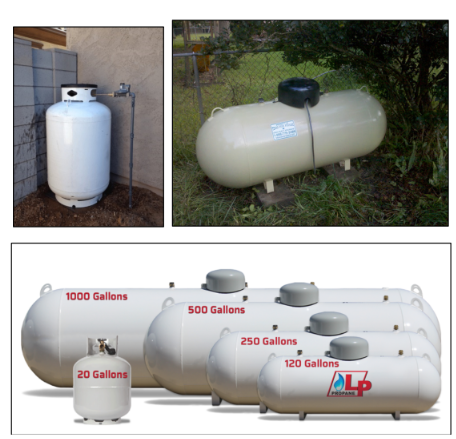
Storage Tanks: Real estate brokers can identify the presence of propane by looking for propane storage tanks on the property. Propane is commonly stored in above-ground or underground tanks. Check for tanks near the house or other structures.
-
Gas Lines: Inspect for gas lines running from the storage tank to the property. These lines supply propane to appliances and heating systems.
-
Regulatory Placards: Propane storage tanks often have placards with safety and regulatory information. Take note of any placards and ensure they are compliant with local regulations.
Advantages for Property Listings:
-
Energy Versatility: Highlight propane’s versatility as an energy source, capable of powering heating systems, cooking appliances, fireplaces, and even backup generators. Mention that it provides a reliable energy solution for various household needs.
-
Energy Efficiency: Emphasize the energy efficiency of propane heating systems, with high-efficiency propane furnaces and boilers that can rival natural gas systems in efficiency. This can translate to potential cost savings for homeowners.
-
Environmental Considerations: Discuss the cleaner-burning nature of propane compared to some other fossil fuels. While it still produces carbon emissions, propane combustion is generally more environmentally friendly.
Comparing Heating Options:
-
Energy Comparison: Offer a clear comparison between propane, natural gas, and electric heating options, considering factors like availability, efficiency, cost, and environmental impact. Assist clients in making informed decisions based on their preferences and property location.
Safety and Inspection:
-
Safety Emphasis: Stress the importance of safety when dealing with propane. Encourage buyers to schedule professional inspections of the propane system during the home-buying process to ensure its safety and compliance with regulations.
-
Gas System Inspection: Mention that propane storage tanks, gas lines, and propane-fueled appliances should be checked for proper functioning and safety features during inspections.
Storage Tank Considerations:
-
Tank Ownership: Explain the ownership arrangements of propane storage tanks. Some tanks are owned by the homeowner, while others are owned and maintained by propane suppliers. Buyers should be aware of the tank ownership status.
-
Maintenance: Discuss the importance of regular maintenance for propane tanks to prevent leaks and ensure safe storage.
Local Infrastructure and Regulations:
-
Availability Note: Mention that propane availability may vary by location. In rural areas, propane might be a more common energy source due to limited access to natural gas infrastructure.
-
Regulations and Compliance: Inform clients about local regulations related to propane storage and usage, including setback requirements for storage tanks and safety inspections.
Propane Appliances:
-
List of Propane Appliances: Provide clients with a list of common propane appliances found in properties, such as propane furnaces, water heaters, stoves, ovens, fireplaces, and grills.
-
Conversion Options: Explain that some appliances can be converted to propane or natural gas depending on the availability of fuel sources.
Maintenance and Longevity:
-
Propane System Lifespan: Mention that propane heating systems and appliances have a generally long lifespan when properly maintained. Regular maintenance is crucial for safety and efficiency.
-
Maintenance Records: Recommend keeping maintenance records for propane systems as part of the property’s documentation.
Evaluating Efficiency Ratings:
-
Efficiency Awareness: Advise buyers to inquire about the efficiency ratings of propane heating systems and appliances in the properties they are considering. High-efficiency propane systems can lead to cost savings.
Local Expertise and Resources:
-
Professional Contacts: Build relationships with local propane suppliers and HVAC professionals. Provide clients with trusted contacts for propane system inspections, maintenance, and potential upgrades.
-
Energy Trends: Stay informed about energy trends in your area, including changes in propane prices and availability, to better assist clients in evaluating their energy options.
By offering a comprehensive guide to propane, including how to identify it in properties, its advantages, safety considerations, and comparisons to other energy sources, real estate brokers can provide valuable insights to clients. This knowledge positions brokers as informed professionals who can assist clients in making well-informed decisions about their potential new homes.