
PEX (Cross-Linked Polyethylene) Pipes
PEX (Cross-Linked Polyethylene) Pipes
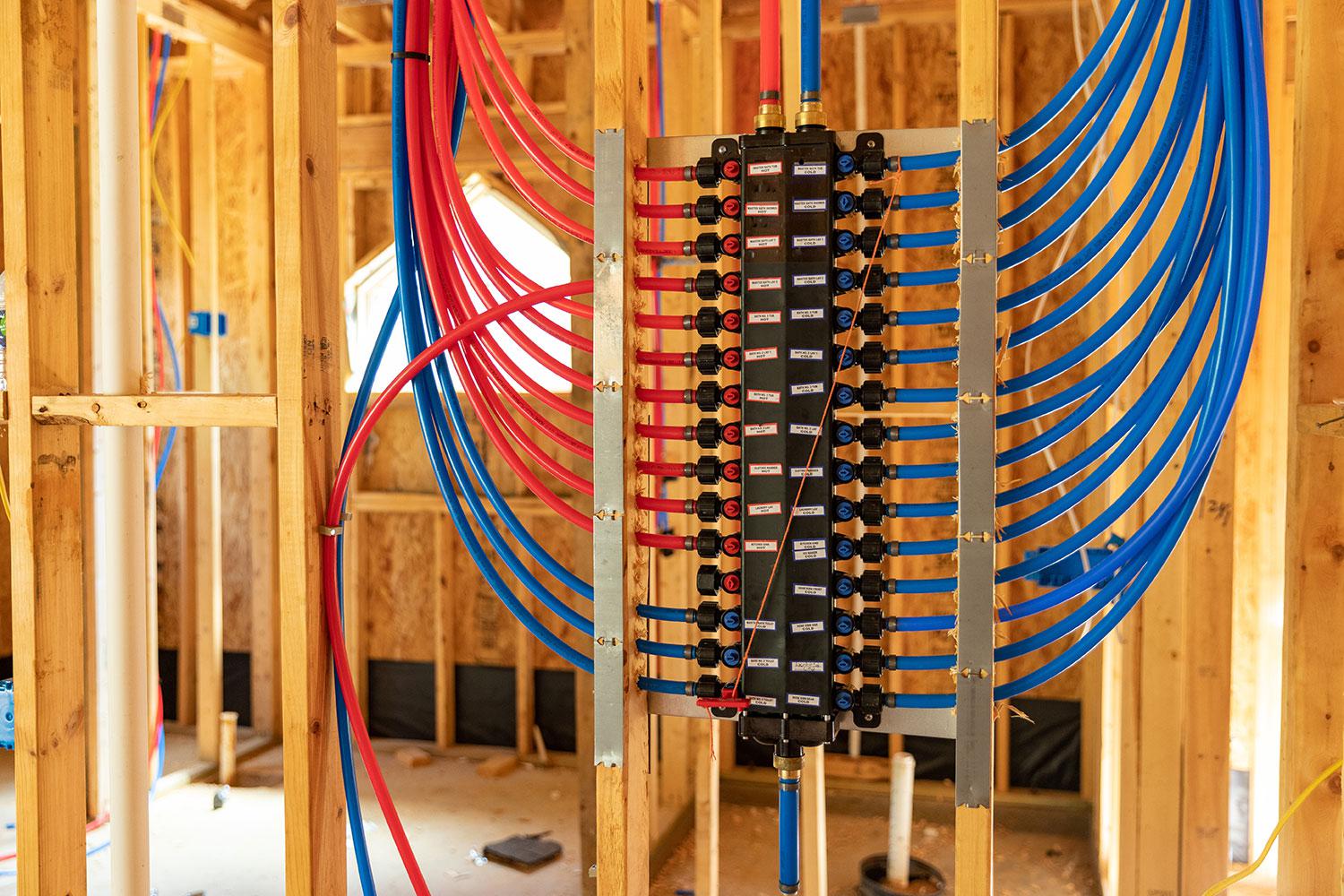
PEX piping, introduced to the plumbing industry in recent decades, has revolutionized water supply systems in homes with its innovative characteristics. Real estate brokers should be well-informed about PEX piping to provide clients with essential knowledge about this modern plumbing material.
Material Composition:
PEX piping is primarily made from cross-linked polyethylene, a polymer material known for its exceptional properties:
-
Cross-Linking: The process of cross-linking enhances the molecular structure of polyethylene, creating a three-dimensional network. This network significantly improves the material’s strength, durability, and resistance to temperature extremes.
-
Varieties: PEX piping comes in different varieties, including PEX-A (Engel method), PEX-B (Silane method), and PEX-C (Electron Beam method). Each type of PEX has unique characteristics, such as flexibility, burst resistance, and ease of installation. Clients can choose the type that best suits their specific plumbing needs.
Identifying PEX Pipes:
To help clients identify PEX pipes in a property:
-
Visual Inspection: PEX pipes are typically color-coded. PEX-A is often red, PEX-B is blue, and PEX-C is yellow. Clients can visually inspect exposed pipes in areas such as basements, utility rooms, or crawlspaces to identify them by their characteristic color.
-
Markings: PEX pipes may have markings or labels indicating their type, manufacturer, and compliance with standards. Clients can look for printed information or labels on the pipes to confirm their material and specifications.
Issues with PEX Pipes:
Potential issues with PEX pipes and how to identify them:
-
Kinks or Crimps: Clients should check for any visible kinks or crimps in the PEX pipes. These can restrict water flow and cause pressure issues. Kinks or crimps may occur during installation or if the pipes are bent too sharply.
-
Leaks or Drips: Clients should inspect connections and joints for any signs of leakage or dripping. Leaks can occur at fittings, connectors, or due to damage to the PEX material itself.
-
Brittleness: While PEX is flexible, exposure to freezing temperatures can cause it to become brittle. Clients should be cautious about PEX pipes in areas prone to freezing and ensure they are adequately insulated or protected.
PEX piping’s innovative characteristics have made it a preferred choice in modern plumbing practices, offering a blend of efficiency, reliability, and safety. Its adoption reflects the industry’s move towards more versatile and sustainable materials in residential construction.