
Water Heaters: An In-Depth Guide for Real Estate Brokers
Water Heaters
Real estate brokers should possess comprehensive knowledge about water heaters to guide clients effectively in making informed decisions. Here is an in-depth exploration of water heaters:
Types:
-
Tankless (On-Demand) Water Heaters: An In-Depth Technical Guide
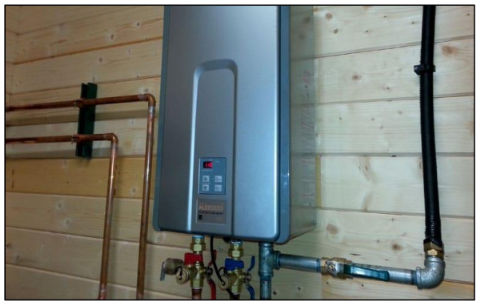
Tankless water heaters, also known as on-demand water heaters, offer a modern solution to providing hot water in residential and commercial settings. In this comprehensive technical guide, we will explore every aspect of tankless water heaters, from their historical development to their operational mechanics, energy efficiency, sizing considerations, installation requirements, maintenance needs, and a comparison with traditional storage tank water heaters.
Historical Development:
Tankless water heaters have a fascinating history, dating back to their early use in industrial applications in the early 20th century. They gradually made their way into residential use as a space-saving and efficient alternative to traditional storage tank water heaters.
Operational Mechanics:
Tankless water heaters operate on a straightforward yet highly efficient principle. Clients should have a clear understanding of how these systems work to appreciate their advantages fully.
-
Activation: When a hot water tap is turned on anywhere in the house, cold water is drawn into the tankless water heater unit through the inlet pipe.
-
Flow Sensor: Inside the tankless unit, a flow sensor detects the water flow and signals the heating element or gas burner to activate.
-
Heating Process: Depending on the type of tankless water heater, it employs either electrical heating elements or a gas burner to heat the incoming cold water. Electric tankless units utilize electric heating elements, while gas tankless units rely on a gas burner to generate heat.
-
Heat Exchanger: The heart of the tankless water heater is the heat exchanger. It is a critical component responsible for transferring heat from the heating element or gas burner to the passing cold water. The heat exchanger is designed to maximize efficiency and ensure rapid heating of the water.
-
Continuous Flow: As the cold water flows through the heat exchanger, it is rapidly heated to the desired temperature. This process occurs instantaneously, allowing the tankless unit to provide a continuous supply of hot water as long as the hot water tap remains open.
-
Temperature Control: Tankless water heaters are equipped with temperature controls that allow homeowners to set the desired hot water temperature. The unit adjusts the heating process to maintain a consistent output temperature, ensuring comfort and safety.
-
Shutdown: When the hot water tap is closed, the tankless water heater detects the cessation of water flow and automatically shuts off. This feature minimizes energy consumption and ensures that the unit operates only when hot water is needed.
Energy Efficiency:
One of the key advantages of tankless water heaters is their energy efficiency. They heat water only when needed, eliminating the standby heat loss associated with storage tank water heaters. Clients should understand that this results in potential energy savings and a reduced environmental impact.
Flow Rate and Sizing:
-
Understanding Flow Rate: The flow rate is a critical specification for tankless water heaters. It indicates how much hot water the unit can provide at a given time. Clients should consider the simultaneous hot water usage in their homes, such as showers, faucets, and appliances, to determine the required flow rate.
-
Peak Demand: Clients should assess their peak hot water demand, which occurs when multiple hot water fixtures are in use simultaneously. To prevent hot water shortages during peak demand periods, it’s essential to choose a tankless water heater with a flow rate that exceeds the peak demand.
-
Sizing Considerations: When selecting a tankless water heater, clients should consider the following factors for proper sizing:
-
Number of Bathrooms: The number of bathrooms in a home often correlates with the hot water demand. More bathrooms may require a higher flow rate.
-
Fixture Types: Different fixtures, such as showers, faucets, and washing machines, have varying hot water flow rates. Clients should account for the types and quantities of fixtures in their homes.
-
Climate: Cold climates may require a higher flow rate to compensate for the need to heat colder incoming water temperatures.
-
Usage Patterns: Clients should evaluate their usage patterns, such as the timing of showers, laundry, and dishwashing, to ensure the tankless unit can meet their specific needs.
-
Manufacturer’s Recommendations: It’s advisable to consult the manufacturer’s guidelines and recommendations for sizing. Manufacturers often provide flow rate charts and sizing calculators to assist clients in choosing the right unit.
-
-
Electrical vs. Gas-Powered Tankless
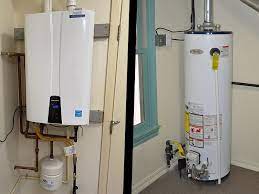
Tankless water heaters are available in both electrical and gas-powered variants, each with its advantages and considerations.
-
Electric Tankless Water Heaters:
-
Advantages:
-
Ease of Installation: Electric tankless water heaters are generally smaller and do not require venting or gas lines. As a result, they are easier to install and can be placed in compact spaces.
-
Ideal for Small Households: These units are well-suited for smaller households or applications where natural gas or propane is not readily available. They can provide hot water on demand without the need for a gas supply.
-
Energy Efficiency: Electric tankless water heaters are highly efficient, as they only heat water when needed, eliminating standby heat loss.
-
-
Considerations:
-
Limited Flow Rate: Electric tankless water heaters may have limitations in terms of flow rate. Clients should carefully assess their hot water demands and select a unit that can meet their specific needs.
-
Electrical Capacity: These units may require significant electrical capacity, potentially necessitating electrical upgrades in some homes. Clients should consult with an electrician to ensure their electrical system can support the tankless water heater.
-
Simultaneous Use: Clients should be mindful of simultaneous hot water usage, as multiple high-demand fixtures may tax the unit’s capacity.
-
Gas-Powered Tankless Water Heaters:
-
Advantages:
-
High Flow Rates: Gas tankless water heaters provide higher flow rates, making them suitable for larger households with substantial hot water demands. They can deliver hot water quickly and efficiently.
-
Energy Efficiency: Gas-powered units are energy-efficient and can provide consistent hot water for multiple applications simultaneously.
-
Versatility: They are versatile and can be used in a variety of settings, making them a preferred choice for larger homes.
-
-
Considerations:
-
Installation Complexity: Gas tankless water heaters can be more complex to install compared to their electric counterparts. They require proper venting and a gas supply line, which may involve more intricate setup.
-
Maintenance: Clients should be aware of the need for regular maintenance, including cleaning the burner and heat exchanger. Annual servicing is recommended to ensure optimal performance and longevity.
-
Gas Availability: The availability of natural gas or propane in the area is a crucial consideration when opting for a gas-powered tankless water heater. Clients should confirm the availability of the necessary fuel source.
-
-
Tankless Water Heater vs. Storage Tank Water Heater
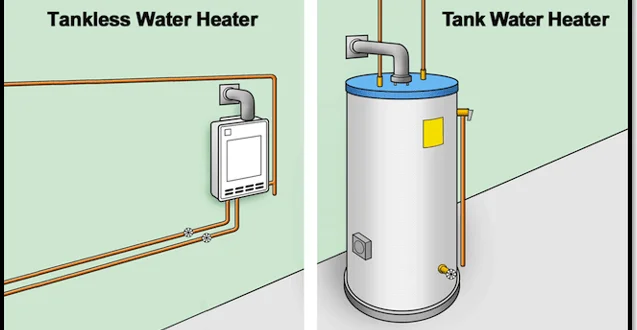
When clients are considering water heaters for their homes, it’s essential to compare tankless water heaters with traditional storage tank water heaters to make an informed decision. Highlighting the key differences between these two options can help clients choose the one that best suits their needs:
Energy Efficiency:
-
Tankless Water Heater: Tankless units are significantly more energy-efficient than storage tank water heaters. They only heat water on demand, eliminating standby heat loss, which occurs in storage tanks as they continuously heat and reheat water. Clients can emphasize the energy savings and environmental benefits of tankless systems.
Space-Saving Design:
-
Tankless Water Heater: Tankless water heaters feature a compact design that takes up minimal space. They can be installed in smaller areas, making them suitable for homes with limited space. In contrast, storage tank water heaters require more significant space due to their bulky tanks.
Continuous Hot Water:
-
Tankless Water Heater: One of the notable advantages of tankless water heaters is their ability to provide a continuous supply of hot water. Clients should appreciate the convenience of never running out of hot water, even during high-demand periods.
-
Storage Tank Water Heater: Storage tank units have a limited hot water capacity, and clients may experience a temporary shortage of hot water during peak usage times.
Initial Cost:
-
Tankless Water Heater: Clients should be aware that tankless water heaters typically have a higher upfront cost compared to storage tank units. However, they can highlight that this initial investment is offset by long-term energy savings and the space benefits offered by tankless systems.
Tankless Water Heater Maintenance:
Maintenance is crucial to ensure the longevity and efficiency of tankless water heaters.
-
Descaling: Over time, mineral buildup can occur in the heat exchanger, reducing its efficiency. Descaling involves flushing the unit with a descaling solution to remove mineral deposits. Clients should understand the importance of this regular maintenance task, which may need to be performed annually or biannually.
-
Air Filter Cleaning: If the unit has an air intake filter, it should be checked and cleaned regularly to maintain proper airflow.
-
Burner Inspection: Gas-powered tankless water heaters should undergo an annual inspection, including checking the burner and heat exchanger for any signs of wear or corrosion.
Conclusion:
In conclusion, tankless (on-demand) water heaters are a technologically advanced solution for providing hot water in homes. Clients should be well-informed about the choice between electric and gas-powered units, the advantages of tankless systems over storage tanks, and the importance of regular maintenance. By understanding these technical details, clients can confidently decide if tankless water heaters are the right fit for their specific needs and circumstances.
Storage Tank Water Heaters
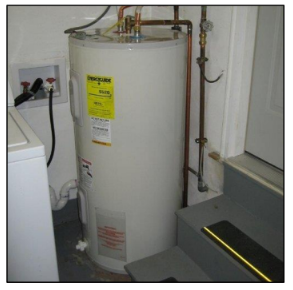
Storage tank water heaters are the most prevalent type of water heaters in residential settings. These units feature a large tank that stores and continuously heats a volume of water to a predetermined temperature. Clients should be familiar with the characteristics, advantages, and considerations associated with storage tank water heaters:
Reliability:
-
Storage tank water heaters are known for their reliability. They provide a consistent supply of hot water, making them suitable for households with steady hot water demands, such as daily showers, laundry, and dishwashing.
Storage Capacity:
-
Clients should have a clear understanding of how the storage capacity of a water heater impacts their daily hot water usage. Here are some specifics to consider:
-
Tank Size Options: Storage tank water heaters are available in various tank sizes, typically measured in gallons (e.g., 30, 40, 50 gallons). Clients should be aware of the different size options to choose the one that best suits their household’s needs.
-
Usage Assessment: Real estate brokers can guide clients in assessing their hot water usage patterns. This assessment includes considering the number of family members, daily activities (showers, baths, laundry, dishwashing), and peak hot water usage times.
-
Small Tanks: Smaller tank sizes (e.g., 30 gallons) are suitable for apartments, small homes, or households with minimal hot water demands. Clients should understand that these units have limited hot water capacity and may not be suitable for larger families.
-
Medium Tanks: Medium-sized tanks (e.g., 40-50 gallons) are commonly used in average-sized households. Clients should know that these tanks can provide a sufficient supply of hot water for daily activities and are a balanced choice for many homes.
-
Large Tanks: Larger tank sizes (e.g., 50+ gallons) are ideal for households with more substantial hot water needs, such as larger families or homes with multiple bathrooms. Clients should consider these tanks if they anticipate simultaneous hot water usage in various parts of the house.
-
Peak Demand: Clients should be aware that a tank’s capacity determines its ability to meet peak hot water demand. Real estate brokers can help clients understand the importance of selecting a tank size that accommodates peak usage times, such as mornings when multiple family members are showering.
-
Efficiency: While larger tanks provide more hot water, they also have higher standby heat losses. Clients should be informed about the trade-off between having a larger tank for peak demand and potential energy inefficiency during periods of low hot water usage.
-
Upfront Costs: The cost of a storage tank water heater increases with its size. Clients should consider both their budget and hot water needs when selecting an appropriately sized unit.
-
Heat Retention:
-
-
Constant Temperature: Storage tank water heaters are designed to maintain water at a set temperature, typically between 120 to 140 degrees Fahrenheit. This ensures that hot water is readily available whenever you need it, whether it’s for showers, washing dishes, or other household tasks.
-
Standby Heat Loss: The process of keeping the water in the tank hot, even when it’s not being used, leads to standby heat loss. This means that the heater continually consumes energy to counteract the heat lost through the tank’s insulation and exterior surfaces. It’s a key consideration because it can lead to energy waste and increased utility bills.
-
Energy Waste: Standby heat loss can result in energy waste, especially if the water heater is set at a high temperature and the tank is poorly insulated. Clients should be aware that this continuous energy consumption can contribute to higher energy bills and environmental impact.
-
-
Efficiency Considerations:
-
Insulation: The level of insulation in the water heater tank is a critical factor in reducing standby heat loss. Well-insulated tanks can significantly decrease the amount of energy required to maintain hot water temperature. Clients should consider models with thicker and better insulation for improved efficiency.
-
Tank Construction: The material and design of the tank can also affect efficiency. Tanks made of materials that conduct heat less efficiently, such as fiberglass or foam insulation, can reduce heat loss. Additionally, tanks with a glass lining help to prevent corrosion, which can extend the lifespan of the water heater.
-
Energy Efficiency Ratings: Clients should look for water heaters that have been tested and rated for energy efficiency. In the United States, these ratings are provided by organizations like ENERGY STAR. Water heaters with higher efficiency ratings will consume less energy and have a lower environmental impact.
-
Temperature Settings: Advising clients to set their water heater to the appropriate temperature can also improve efficiency. For many households, a temperature setting of 120-125 degrees Fahrenheit is sufficient for most hot water needs while reducing the risk of scalding and energy waste.
-
Regular Maintenance: Clients should be informed about the importance of regular maintenance, such as flushing the tank to remove sediment buildup and checking for leaks. A well-maintained water heater operates more efficiently and has a longer lifespan.
-
Lifespan:
-
The lifespan of storage tank water heaters typically ranges from 10 to 15 years.
-
Space Requirements:
-
Storage tank water heaters require a dedicated space for installation. Clients should be aware of the physical dimensions of the unit and ensure there is adequate space in the desired location.
Initial Cost:
-
The upfront cost of storage tank water heaters is generally lower compared to tankless units. Clients should weigh this cost against their hot water needs and long-term energy expenses.
Regular Maintenance:
-
Clients should be educated about the importance of regular maintenance, including flushing the tank to remove sediment buildup and checking the anode rod for corrosion. Routine maintenance can extend the unit’s lifespan and maintain efficiency.
Consideration for Large Families:
-
Clients with larger families or higher hot water demands should carefully select a storage tank water heater with an appropriate capacity to ensure an adequate supply of hot water during peak usage times.