
Asphalt
Asphalt Driveways
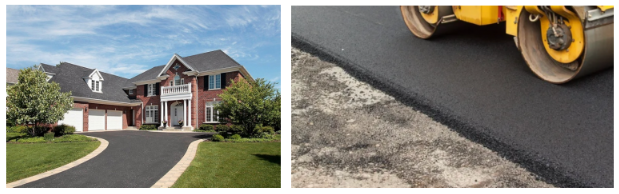
Asphalt driveways are a common feature in many residential properties, valued for their cost-effectiveness and quick installation. As a real estate broker, having an in-depth understanding of asphalt driveways is essential for evaluating properties, advising clients, and creating compelling property listings. This guide aims to cover the key aspects of asphalt driveways, including how to identify them, their advantages and disadvantages, maintenance requirements, and other important considerations.
Identifying Asphalt Driveways
Material Composition
The foundation of asphalt driveways is a mixture that combines bitumen, a sticky, black, and highly viscous liquid that acts as a binding agent, with aggregates such as sand, stone, and gravel. Bitumen, derived from crude oil, provides the adhesive qualities necessary to hold the aggregate materials together, creating a durable and flexible surface. This unique combination contributes to the asphalt’s ability to withstand various loads and conditions, making it an ideal material for driveways.
The inherent properties of bitumen also impart water-resistant characteristics to asphalt driveways, preventing water from penetrating the surface and causing damage. This aspect is particularly beneficial in regions prone to heavy rainfall or snow, where water infiltration can lead to significant wear and structural issues over time.
Texture and Appearance
Asphalt driveways are known for their smooth yet grainy texture, a direct result of the aggregates used in the asphalt mix. This texture provides sufficient traction for vehicles and pedestrians, reducing the risk of slips and falls, especially in wet conditions. The initial appearance of a new asphalt driveway is a rich, deep black color, which contributes to its popularity among homeowners seeking a sleek and polished look for their property’s entrance.
However, it’s important to note that the appearance of asphalt driveways can change over time. Exposure to sunlight, weather conditions, and the wear and tear of regular use can lead to fading, causing the surface to become duller. While this does not necessarily impact the driveway’s functionality, it may affect the aesthetic appeal and, consequently, the property’s curb appeal.
Advantages for Property Listings
When listing properties with asphalt driveways, highlighting the following advantages can enhance the property’s appeal:
-
Cost-Effectiveness
-
Initial Installation Cost: On average, the cost to install an asphalt driveway ranges from $2 to $5 per square foot, depending on the region. In contrast, concrete driveways can cost between $4 to $15 per square foot. This significant difference in initial outlay makes asphalt a more budget-friendly option for homeowners.
-
Maintenance Costs: Sealcoating, which is recommended every 3 to 5 years for asphalt driveways, typically costs between $0.15 to $0.25 per square foot. This preventive maintenance helps extend the lifespan of the asphalt and is considerably more affordable than the maintenance required for other driveway materials.
Installation Speed
-
Curing Time: Asphalt driveways can be installed and ready for use in as little as 24 to 48 hours after laying. Concrete driveways, on the other hand, require at least 7 days of curing before they can be driven on. This quick turnaround is particularly advantageous for homeowners who cannot afford long construction periods.
Maintenance and Repairs
-
Repair Flexibility: Asphalt is known for its ease of repair. For example, filling a pothole in an asphalt driveway can cost as little as $100 to $200, including labor and materials. Crack filling is equally cost-effective, with expenses typically not exceeding a few hundred dollars for extensive repairs.
-
DIY Friendly: Many asphalt repair tasks, such as crack filling and sealcoating, can be performed by homeowners themselves, using products readily available at home improvement stores. This do-it-yourself aspect can lead to further savings on maintenance costs.
Adaptability
-
Flexibility: Asphalt’s composition allows it to flex and conform to ground movements or fluctuations in temperature, reducing the likelihood of cracks compared to more rigid materials like concrete. This characteristic is especially beneficial in areas with freeze-thaw cycles or expansive soils.
-
Disadvantages
A balanced view of asphalt driveways should also consider the potential downsides:
-
Lifespan
-
Durability: While asphalt driveways are cost-effective and quick to install, they typically last between 15 to 20 years with proper maintenance, which is shorter compared to the 30 to 40-year lifespan of concrete driveways. This reduced lifespan can influence long-term cost considerations for homeowners.
Maintenance
-
Sealing Requirements: Asphalt driveways require sealing within six months to a year after installation and then every 2 to 5 years thereafter. The cost of sealcoating an asphalt driveway averages between $0.14 to $0.25 per square foot. Regular sealing is essential to protect against water penetration, oxidation, and the deterioration caused by UV rays.
-
Repair Frequency: Due to its softer nature, asphalt may need more frequent repairs, such as patching potholes or filling cracks, which can add to the overall maintenance cost over the driveway’s lifespan.
Temperature Sensitivity
-
Softening in Heat: In high temperatures, asphalt can soften and become tacky, making it susceptible to damage from heavy vehicles or even imprints from furniture, bike stands, or high heels. This characteristic can require additional care during hot weather to prevent surface damage.
-
Brittleness in Cold: Conversely, asphalt can become brittle in extremely cold temperatures, leading to increased vulnerability to cracking. The freeze-thaw cycles common in colder climates can exacerbate this issue, necessitating more frequent repairs.
Environmental Impact
-
Production and Disposal: The production of asphalt, which involves petroleum-based bitumen, emits more greenhouse gases than the production of concrete. Additionally, while asphalt is recyclable, the environmental impact of its production and the potential for leaching of polycyclic aromatic hydrocarbons (PAHs) during its lifecycle raise concerns regarding its sustainability.
-
Heat Absorption: The dark color of asphalt contributes to the heat island effect in urban areas, absorbing and retaining heat more than lighter-colored materials. This can contribute to higher local temperatures and increased energy costs for cooling buildings adjacent to asphalt surfaces.
-
Maintenance and Longevity
Proper maintenance is crucial for extending the lifespan of an asphalt driveway:
-
Sealing
-
Frequency: Sealing an asphalt driveway is recommended every 2-3 years. This process involves applying a protective sealant layer to the surface of the driveway to prevent water penetration, UV damage, and chemical corrosion.
-
Benefits: Sealcoating provides a moisture barrier, preventing the freeze-thaw cycles that can cause cracks and potholes. It also protects the asphalt from oil spills, gasoline, and chemicals that can dissolve the binding agents in asphalt. Additionally, sealing restores the rich black color of the asphalt, enhancing the driveway’s appearance.
-
Cost: The average cost to seal an asphalt driveway ranges from $0.15 to $0.30 per square foot, depending on the area’s size and the sealant’s quality. This makes sealing a cost-effective way to prolong the driveway’s life.
Resurfacing
-
Indicators for Resurfacing: Resurfacing may be necessary when the driveway shows signs of extensive wear, such as multiple cracks, potholes, or areas where the asphalt has become uneven. Typically, resurfacing is recommended every 10-15 years.
-
Process: Resurfacing involves removing the top layer of the asphalt and applying a new layer. This process can address existing surface imperfections and provide a fresh, durable top layer for the driveway.
-
Cost: The cost to resurface an asphalt driveway can vary widely but averages between $1 to $3 per square foot. This investment can significantly extend the driveway’s lifespan and improve its overall functionality.
Cleaning and Repairs
-
Regular Cleaning: Homeowners should regularly sweep their driveways to remove debris, leaves, and dirt. Cleaning oil spills and other stains with appropriate cleaners can prevent them from penetrating the asphalt and causing damage.
-
Crack and Pothole Repairs: Small cracks can be filled with a rubberized asphalt crack filler, while larger cracks and potholes may require patching with hot or cold asphalt patching material. Promptly addressing these issues prevents water from seeping into the base material, which can lead to more extensive damage.
-
DIY vs. Professional Services: While many cleaning and minor repair tasks can be DIY, significant repairs or resurfacing should be performed by professionals to ensure the work is done correctly and safely.
-