
Gravel
Gravel Driveways
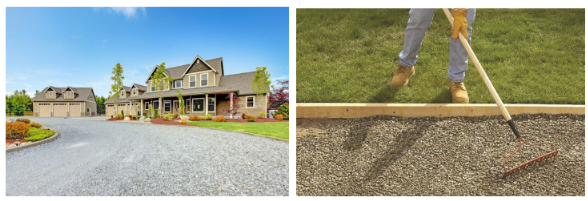
Gravel driveways offer a blend of rustic charm and practicality, making them an enduring choice for homeowners across various landscapes. As a real estate broker, providing clients with a comprehensive understanding of gravel driveways—including their characteristics, advantages, and potential drawbacks—is key to helping them assess the suitability of this driveway option for their properties. Here’s a deeper dive into the world of gravel driveways:
Identification
Characteristics: Gravel driveways are characterized by their surface of loose stones or rock fragments. This distinctive look provides a casual, natural aesthetic that can complement a wide range of home styles, particularly in rural or rustic settings.
Advantages for Property Listings
-
Affordability: Gravel is among the most cost-effective materials for driveway construction, offering significant savings on both materials and labor compared to paved driveways. This affordability makes gravel driveways an attractive option for budget-conscious homeowners or those with long driveways requiring extensive coverage.
-
Low Installation Cost: The installation process for gravel driveways is straightforward and requires less specialized labor than other types of driveways, further contributing to their cost-effectiveness. Homeowners can even undertake the installation as a DIY project, saving on labor costs.
-
Natural Aesthetics: The natural appearance of gravel driveways can enhance the landscape, providing a seamless integration with the surrounding environment. This aesthetic appeal is particularly valued in countryside or natural settings.
-
Ease of Repairs: Maintenance and repairs are relatively simple with gravel driveways. Homeowners can easily address issues such as potholes or erosion by adding and spreading additional gravel, without the need for professional intervention.
Disadvantages
-
Regular Maintenance: To maintain their condition and appearance, gravel driveways require ongoing attention. Tasks such as regrading to smooth out the surface and replenishing gravel to compensate for displacement and erosion are necessary to prevent the driveway from becoming rutted or uneven.
-
Dust and Mud: Depending on the weather conditions, gravel driveways can produce dust in dry climates and become muddy in wet conditions. These issues may require additional maintenance efforts, such as applying dust control measures or improving drainage.
-
Aesthetic Limitations: While gravel driveways fit seamlessly into rural and rustic settings, they may not align with the aesthetic preferences of homeowners seeking a more refined or formal appearance for their property.
Cost Considerations
-
Installation Expenses: The cost to install a gravel driveway averages between $1 to $2 per square foot, making it an economical choice, especially for properties requiring extensive driveway coverage. However, costs can vary based on gravel type, delivery fees, and the driveway’s length and width.
-
Long-term Maintenance: While the initial installation is cost-effective, homeowners should factor in the ongoing cost of gravel replenishment and potential landscaping adjustments to counteract displacement or erosion over time.