
Concrete
Concrete Driveways: A Comprehensive Broker’s Guide
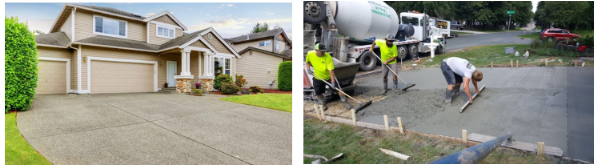
Concrete Driveways: A Comprehensive Broker’s Guide
Concrete driveways are a staple in residential real estate, offering both functional and aesthetic benefits to properties. As a real estate broker, understanding the nuances of concrete driveways can significantly enhance your ability to advise clients effectively. This guide covers the essentials of concrete driveways, from identification and benefits to maintenance and local considerations, equipping you with the knowledge to address client inquiries comprehensively.
Identification
Material Composition
Concrete driveways are made from a mixture of cement, water, sand, and gravel. This blend is meticulously designed to cure and harden into a robust surface capable of supporting heavy loads and withstanding various environmental conditions over many years. The key attributes of concrete include:
-
Durability: The strength of concrete driveways is unmatched, making them capable of enduring decades of use without significant deterioration. This long-term durability is a significant selling point, as it implies less frequent need for replacement or major repairs.
-
Low Maintenance: Compared to asphalt, which requires periodic sealing, or gravel, which needs regular leveling and replenishment, concrete driveways demand minimal upkeep. Routine cleaning and occasional sealing to prevent stains and cracks are generally all that’s required to maintain their condition.
Appearance and Customization
While the standard gray or white finish of concrete driveways has a timeless appeal, modern advancements in concrete technology have greatly expanded the aesthetic possibilities:
-
Staining and Coloring: Concrete driveways can be stained or colored to achieve virtually any hue, allowing homeowners to match their driveway to the home’s exterior or landscaping. Stains penetrate the concrete, offering rich, translucent tones, while integral coloring mixes pigment directly into the concrete for consistent, vibrant color throughout.
-
Texturing and Stamping: For those desiring the appearance of more expensive materials like natural stone, brick, or cobblestone, texturing and stamping techniques can replicate these looks with remarkable accuracy. These methods not only enhance the driveway’s visual appeal but also add character and sophistication to the property’s overall presentation.
-
Polished and Exposed Aggregate Finishes: Polished concrete driveways offer a sleek, reflective surface, while exposed aggregate reveals the natural textures of the stone within the concrete, providing a unique and visually engaging appearance.
Advantages for Property Listings
Highlighting the benefits of concrete driveways can positively influence property listings:
Durability and Longevity
-
Lifespan: Concrete driveways are renowned for their ability to last upwards of 30 years or more with proper maintenance. This durability is significantly longer than alternative materials like asphalt, which may require more frequent resurfacing or replacement.
-
Resistance to Wear: Concrete’s robust composition allows it to withstand daily wear and tear, heavy vehicular traffic, and adverse weather conditions without significant degradation.
Heavy Load Tolerance
-
Strength: Concrete driveways typically have a compressive strength of 3,000 to 4,000 psi (pounds per square inch), enabling them to support the weight of multiple vehicles, including heavy trucks and RVs, without cracking or sinking.
-
Structural Integrity: The uniform surface and solid foundation of a concrete driveway distribute vehicle weight evenly, preventing the formation of ruts and divots common in less durable materials.
Low Maintenance
-
Cleaning Requirements: Concrete driveways require simple maintenance routines, including periodic sweeping to remove debris and occasional pressure washing to keep the surface clean and free from stains.
-
Sealing: While concrete is less porous than asphalt, sealing every few years can enhance its longevity, protect against oil spills and chemical stains, and preserve its aesthetic appeal. The cost for sealing a concrete driveway averages between $0.50 and $2.50 per square foot, depending on the sealant quality and the complexity of the job.
Curb Appeal and Customization
-
Aesthetic Versatility: Concrete driveways can be finished in a variety of textures and colors through staining or dyeing processes, allowing for customization that complements the home’s exterior design.
-
Decorative Options: Techniques such as stamping and scoring can mimic the appearance of natural stone, brick, or pavers, adding visual interest and enhancing the property’s curb appeal. The cost of decorative finishes can vary, with stamped concrete ranging from $8 to $12 per square foot, reflecting the intricate patterns and labor involved.
-
Color Stability: High-quality concrete mixes and modern coloring agents ensure that the driveway’s color remains vibrant and resistant to fading over time, even when exposed to sunlight and harsh weather conditions.
Environmental Considerations
-
Permeable Options: Permeable concrete solutions allow water to filter through the driveway and into the ground, reducing runoff and contributing to sustainable landscaping practices. These eco-friendly alternatives can be slightly more expensive but offer benefits in terms of water management and soil erosion control.
Disadvantages
Providing a balanced perspective, it’s essential to discuss potential drawbacks:
Cost
-
Installation Expenses: The initial cost of installing a concrete driveway ranges from approximately $4 to $10 per square foot, varying based on the region, the complexity of the project, and any decorative finishes. In comparison, asphalt driveways typically cost between $2 to $5 per square foot. This significant difference can influence budget-conscious buyers who may be deterred by the higher upfront cost of concrete.
-
Long-Term Investment: While the initial cost is higher, it’s important to consider the long-term savings due to concrete’s durability and reduced need for frequent replacements or repairs. This perspective can help buyers understand the value of investing more upfront for a longer-lasting driveway solution.
Cracking
-
Causes of Cracks: Concrete may crack due to various reasons, including subgrade settlement, heavy loads, or the natural expansion and contraction caused by temperature changes. Improperly placed control joints intended to allow for expansion can also lead to cracking if not correctly executed.
-
Mitigation and Repair: Cracks can be filled with a concrete crack filler or sealer as a temporary fix. For more significant structural issues, professional evaluation and intervention may be necessary, which can increase maintenance costs over time.
Stains
-
Stain Removal: Concrete’s porosity makes it vulnerable to staining. Oil, grease, and other substances can penetrate the surface, requiring specialized cleaning agents for removal. The cost of cleaning or professionally removing stains can add to the maintenance expenses.
-
Preventive Measures: Applying a high-quality sealer can help protect the surface from stains. Sealers need to be reapplied every few years, adding to the maintenance routine but potentially saving on cleaning costs.
Repair Complexity
-
Repair Costs: Significant damage to a concrete driveway, such as large cracks or heaving, may necessitate partial or complete replacement of sections. This process is not only disruptive but can also be expensive, with costs depending on the extent of the damage and the price of concrete at the time of repair.
-
Aesthetic Concerns: Matching new concrete with the old can be challenging, often resulting in visible repair patches that may detract from the driveway’s appearance. This issue can be a particular concern for homeowners focused on curb appeal.
Maintenance and Longevity
Effective maintenance strategies extend the life and appearance of concrete driveways:
-
Regular Cleaning
-
Method: Utilizing a pressure washer is an effective way to remove accumulated dirt, debris, and stains from the surface of a concrete driveway. This method can significantly freshen up the driveway’s appearance without the need for harsh chemicals.
-
Frequency: It’s recommended to clean the driveway thoroughly at least once a year. However, areas subjected to heavy staining, such as from leaking vehicles, may require more frequent attention.
-
DIY vs. Professional: While many homeowners opt for DIY cleaning using a rented pressure washer, professional cleaning services can offer a deeper clean with specialized equipment, especially for stubborn stains or large driveways.
Sealing
-
Purpose: Sealing a concrete driveway provides a protective layer that guards against moisture penetration, stains from oil or chemicals, and the formation of cracks. It also helps to preserve the driveway’s aesthetic appeal by enhancing its color and finish.
-
Frequency: Concrete driveways should be sealed every 2 to 3 years, depending on the sealant used, the driveway’s exposure to harsh weather, and the level of vehicle traffic.
-
Selection of Sealant: There are various types of concrete sealants available, including acrylic-resin based, epoxy or polyurethane, and penetrating sealers. Each has its advantages in terms of durability, appearance, and level of protection.
Crack and Damage Repair
-
Early Intervention: Addressing cracks and minor damage promptly can prevent water from seeping into the base material, which could lead to more significant issues such as larger cracks, potholes, or the driveway’s heaving.
-
Repair Techniques: Small cracks can often be filled with a concrete crack filler or caulk designed for outdoor use. More extensive damage may require patching with a concrete patch product or, in severe cases, removal and replacement of affected sections.
-
Preventative Measures: Regular inspections can help identify potential problems early. Keeping trees and large shrubs away from the driveway can prevent root damage, and ensuring proper drainage will help avoid water accumulation that could weaken the concrete.
-