
Paver
Paver Stone Driveways
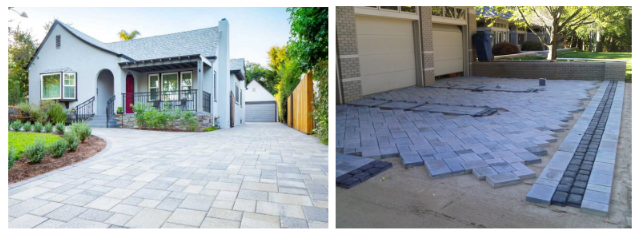
Paver stone driveways offer a distinguished and versatile option for enhancing property appeal through their unique material composition and customizable aesthetic features. As a real estate broker, understanding the nuances of paver stone driveways can significantly elevate how you evaluate and list properties, providing potential buyers with insightful information on this appealing driveway option.
Identifying Paver Stone Driveways
Material Specifics
-
Natural Stone Pavers: Often sourced from quarries, natural stone pavers like granite, limestone, and slate offer unique textures and colors. Granite is renowned for its durability and resistance to abrasion, making it an excellent choice for high-traffic areas. Limestone provides a softer aesthetic with its earthy tones, while slate offers a natural slip-resistance due to its cleft surface. Prices for natural stone pavers can vary widely, often ranging from $15 to $30 per square foot, depending on the type of stone and its origin.
-
Concrete Pavers: Manufactured through a precise mix of cement, aggregate, and color, concrete pavers provide a more uniform appearance and are available in a variety of shapes and sizes. They’re valued for their versatility and cost-effectiveness, typically costing between $5 to $10 per square foot. Modern manufacturing techniques allow for concrete pavers to mimic the look of natural stone or brick.
-
Brick Pavers: Made from clay that’s formed into shape and baked in a kiln, brick pavers offer a classic aesthetic with their rich, warm tones. Durable and time-tested, brick pavers create a permeable driveway surface that can cost around $10 to $20 per square foot, making them a mid-range option between concrete and natural stone.
Texture and Pattern Detail
-
Textured Finish: The surface texture of paver stones, whether naturally rough like slate or artificially patterned like stamped concrete pavers, contributes to traction and visual depth. This texture is pivotal in preventing slip-and-fall accidents and adds an element of visual interest to the driveway.
-
Pattern Variability: From herringbone and basketweave to circular and fan patterns, the arrangement of paver stones can dramatically affect a property’s curb appeal. These patterns can be chosen to complement the architectural style of the home, whether it’s a traditional colonial or a modern minimalist structure.
-
Color Longevity: For concrete pavers, color pigments are added throughout the material, ensuring that the color endures despite wear and fading from sunlight. Natural stone pavers maintain their color naturally, with variations that develop over time only enhancing their appeal.
Installation Considerations
-
Base Preparation: Proper installation of a paver stone driveway requires meticulous preparation of the base, including excavation to a specific depth, laying a geotextile fabric, and filling with a compacted base material, typically crushed stone. This foundation is crucial for preventing settling and ensuring the longevity of the driveway.
-
Drainage: Effective drainage solutions are integral to the design of a paver stone driveway. Sloping the driveway surface slightly away from structures and incorporating drainage channels or permeable pavers ensures water runoff is managed efficiently, preventing pooling and water damage.
Advantages for Property Listings
When listing a property with a paver stone driveway, highlighting the following advantages can significantly enhance the property’s appeal:
-
Visual Appeal
-
Customization: The vast selection of colors, from natural earth tones to vibrant hues, along with the variety of shapes and sizes available, allows for extensive customization. Property owners can choose pavers that either complement or contrast with the home’s exterior, tailoring the driveway to the property’s specific aesthetic.
-
Patterns and Layouts: Whether it’s the intricate detail of a herringbone pattern, the classic simplicity of a running bond, or the artistic flair of a circular layout, the pattern of paver stones significantly enhances the property’s curb appeal. This customization can create a visually striking entrance that captures attention and adds character to the property.
Durability
-
Load-Bearing Capacity: Paver stones are designed to distribute weight evenly, preventing the formation of ruts and depressions under heavy vehicular traffic. This capability ensures the driveway remains stable and functional under the weight of cars, trucks, and occasionally heavier vehicles.
-
Weather Resistance: Quality paver stones are manufactured to withstand extreme weather conditions, including freeze-thaw cycles, intense heat, and heavy rain, without deteriorating. This resilience adds to the longevity of the driveway, making it a durable investment for any property.
Repairability
-
Ease of Replacement: One of the standout features of paver stone driveways is the ability to replace individual pavers that may become damaged or stained over time. This localized repair approach eliminates the need for extensive and costly renovation work associated with other driveway materials.
-
Cost-Effectiveness: Since only the affected stones need to be replaced, repair costs are significantly lower compared to resurfacing or replacing entire sections of concrete or asphalt driveways. This feature contributes to the long-term affordability and maintainability of paver stone driveways.
Versatility
-
Adaptability to Architectural Styles: The wide range of design options makes paver stone driveways adaptable to any architectural style, from traditional to contemporary. The choice of material, color, and pattern can be tailored to enhance the home’s architectural features and landscape design.
-
Functional Design Options: Beyond aesthetics, paver stones offer functional advantages, such as permeable options that promote water drainage and reduce runoff, contributing to a more sustainable and eco-friendly property landscape.
-
Disadvantages
A balanced perspective also includes acknowledging the potential drawbacks:
-
Installation Complexity
-
Base Preparation: Proper installation of a paver stone driveway demands an extensive and labor-intensive base preparation process. This includes excavation, laying down a geotextile fabric, adding a base layer of crushed stone, and ensuring it is compacted and leveled correctly. This foundation is crucial for drainage and to prevent pavers from shifting.
-
Paver Placement: Each paver must be placed precisely and leveled to ensure a uniform surface. This process requires skilled labor and careful planning to achieve the desired pattern and slope for effective water drainage.
-
Time and Labor: Due to the detailed preparation and placement work, the installation process can be time-consuming, contributing to higher labor costs compared to more straightforward driveway options like asphalt or concrete.
Maintenance
-
Sealing: To maintain their appearance and longevity, paver stone driveways may need to be sealed periodically. Sealing helps protect against stains, fading, and weed growth in the joints between pavers.
-
Joint Sanding: The sand in the joints between pavers needs regular maintenance to prevent weed growth and to keep the pavers firmly in place. Polymeric sand, which hardens upon wetting, can be used to reduce maintenance frequency but may require periodic replenishment.
Cost
-
Material and Labor: The cost of high-quality paver stones, combined with the labor-intensive installation process, makes paver stone driveways one of the more expensive options upfront. Prices can vary widely depending on the choice of materials, design complexity, and regional labor rates.
-
Long-term Investment: While the initial cost is higher, the long lifespan and ease of repair can make paver stone driveways a cost-effective option over time. However, the upfront investment may be a significant consideration for budget-conscious buyers.
Weed Growth
-
Joint Maintenance: The gaps between pavers, necessary for flexibility and drainage, can become sites for weed growth if not properly maintained. This issue requires ongoing attention to preserve the driveway’s aesthetic appeal.
-
Preventive Measures: Regular maintenance, including the application of joint sand and sealant, can minimize weed growth. However, these measures represent an additional maintenance task for homeowners.
-
Maintenance
Proper maintenance is crucial to retaining the beauty and functionality of paver stone driveways:
-
Resealing and Joint Maintenance
-
Why It’s Important: Resealing paver stones every 2 to 3 years can significantly extend their lifespan by providing a protective layer against weather elements, staining from oil or grease, and fading from UV exposure. Additionally, the sand in the joints between pavers plays a crucial role in maintaining the structural integrity of the driveway. It prevents the pavers from shifting and allows for proper drainage.
-
How to Do It: The resealing process involves cleaning the driveway thoroughly, allowing it to dry completely, and then applying a sealant specifically designed for paver stones. For joint maintenance, it’s recommended to use polymeric sand, which hardens after application, locking the pavers in place and deterring weed growth.
Weed Prevention
-
Strategies: Effective weed prevention in paver driveways is multifaceted. Using polymeric sand for the joints during installation or maintenance fills gaps more securely than regular sand, reducing the chances for weeds to take root. Additionally, periodic resealing of the paver surface creates a barrier that makes it harder for weed seeds to penetrate and grow.
-
Benefits: Besides keeping the driveway looking neat and well-maintained, these weed prevention measures save homeowners time and effort in the long run by reducing the frequency of needed weed removal and joint maintenance.
Regular Cleaning
-
Routine Cleaning: Regular sweeping and occasional rinsing with a hose can remove debris and prevent buildup that could lead to staining and damage. For tougher stains, a mild detergent or a cleaner designed for pavers can be used.
-
Pressure Washing: For a deeper clean, pressure washing is effective, but it should be done carefully to avoid dislodging the joint sand. If polymeric sand was used, the risk of it being washed away is lower, but care should still be taken.
-
Impact: Beyond enhancing the driveway’s appearance, regular cleaning prevents the degradation of the paver material and the accumulation of materials that can encourage weed growth or pests.
-