
Turf
Turf Driveways
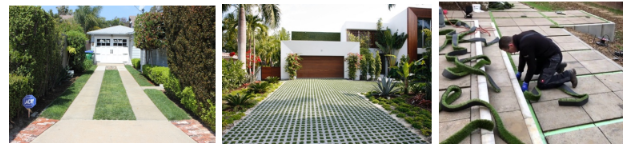
Turf driveways, also known as grass block pavers, present an innovative and environmentally friendly alternative to traditional driveway materials. By blending the green aesthetic of grass with the durability and stability of pavers, these driveways offer a solution that appeals to eco-conscious homeowners while enhancing the property’s visual appeal. Here’s a detailed guide for real estate brokers on turf driveways:
Identification
Characteristics: Turf driveways are easily identifiable by their grid-like structure, where open spaces within the pavers are filled with grass or turf. This design allows for the support of vehicular traffic while maintaining a permeable surface for water infiltration.
Materials: These driveways typically use concrete or plastic grid systems that are designed to be filled with soil and seeded with grass or pre-grown turf. The choice between synthetic and natural grass depends on the homeowner’s preference and maintenance willingness.
Advantages for Property Listings
-
Eco-Friendly: Turf driveways reduce stormwater runoff, allowing rainwater to penetrate the soil and recharge groundwater supplies. This feature is particularly appealing to buyers interested in sustainable living practices.
-
Aesthetic Appeal: The natural look of turf driveways can significantly enhance a property’s curb appeal, offering a unique and attractive alternative to conventional driveways. They seamlessly integrate with the landscaping, creating a cohesive outdoor aesthetic.
-
Permeability: The permeable nature of turf driveways mitigates flooding and soil erosion, making them an excellent choice for regions prone to heavy rainfall or those looking to manage rainwater more effectively.
-
Low Maintenance Costs: While requiring regular upkeep, properly installed turf driveways can be more cost-effective in the long term compared to traditional paving materials, especially when considering their impact on reducing water management issues.
Disadvantages
-
Installation Complexity: The installation of turf driveways demands careful planning and execution to ensure the grass and pavers coexist without compromising the driveway’s structural integrity. This process can be more intricate than installing standard pavers.
-
Wear and Tear: Regular vehicular traffic can stress the grass, leading to potential damage or uneven growth. The durability of the grass component under such conditions requires consideration, especially for driveways in frequent use.
-
Maintenance Needs: Turf driveways necessitate ongoing care, including mowing, watering, and fertilizing, to maintain their appearance and health. In colder climates, the grass may also need seasonal rejuvenation to address any winter damage.
Costs
-
Initial Installation: The cost of installing a turf driveway can vary widely based on the choice of materials (natural vs. synthetic turf) and the complexity of the installation. Prices might range from $10 to $20 per square foot, factoring in both the pavers and the turf.
-
Maintenance Expenses: Regular maintenance, such as mowing and fertilization, incurs additional costs. However, these expenses can be offset by the long-term savings from reduced stormwater management needs and the potential for lower water usage in some climates.