
Asbestos Cement Siding
Asbestos Cement Siding
Asbestos Cement Siding: An In-Depth Exploration
Asbestos cement siding, also known as asbestos shingles or transite siding, has a complex history that intersects with its advantages, health and safety concerns, indicators of presence, regulations, maintenance, and safe handling and removal. In this comprehensive guide, we delve deep into the world of asbestos cement siding, offering detailed insights to ensure a thorough understanding of this siding material.
Historical Use and Advantages:
Asbestos cement siding enjoyed a surge in popularity during the mid-20th century, primarily for several reasons:
-
Durability: Asbestos cement siding earned a reputation for its remarkable durability. It proved resistant to elements such as fire, insects, and rot, making it a sought-after choice for homeowners looking for low-maintenance and long-lasting siding options.
-
Low Maintenance: Similar to other cement-based siding materials, asbestos cement siding demanded minimal maintenance. Unlike wood siding, it did not require frequent painting or staining, reducing the ongoing upkeep costs for homeowners.
-
Aesthetic Variety: Asbestos cement siding was available in various styles and textures, offering homeowners the opportunity to achieve diverse architectural looks. It could mimic the appearance of wood siding, traditional shingles, or other decorative finishes, providing extensive design flexibility.
-
Weather Resistance: Designed to withstand harsh weather conditions, asbestos cement siding proved suitable for various climates. Its resistance to moisture and tolerance for temperature fluctuations contributed to its long-lasting performance.
Health and Safety Concerns:
Despite its undeniable advantages, asbestos cement siding carries significant drawbacks, primarily linked to the severe health risks associated with asbestos exposure. Asbestos is a naturally occurring mineral fiber that, when inhaled, can lead to severe respiratory diseases, including lung cancer and mesothelioma. The use of asbestos in construction materials, including siding, was eventually banned or restricted due to these health concerns.
Indicators and Concerns:
When dealing with properties that may feature asbestos cement siding, it is vital to be aware of several key indicators and concerns:
-
Age of the Property: Asbestos cement siding was primarily used from the 1920s to the 1970s. Therefore, homes constructed during this period may be more likely to have asbestos-containing siding. It is essential to consider the age of the property when assessing the likelihood of asbestos cement siding.
-
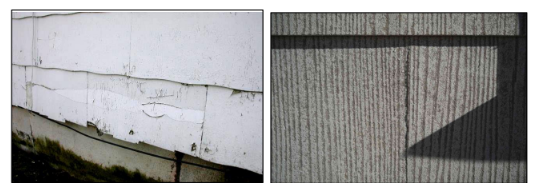
Visual Inspection: Asbestos cement siding often resembles traditional cement-based siding materials in appearance. It typically has a smooth or textured surface, and individual shingles or panels may be square or rectangular. However, relying solely on visual inspection may not confirm the presence of asbestos, as other siding materials may have a similar appearance.
-
Health Risks: The most critical concern associated with asbestos cement siding is the health risk linked to asbestos exposure. Asbestos-containing materials, when they deteriorate or are disturbed during renovation or demolition, can release asbestos fibers into the air, posing a significant health hazard if inhaled. It is imperative to prioritize safety and minimize the risk of asbestos exposure when working with such siding.
-
Regulations and Testing: Various regulations govern the handling and removal of asbestos-containing materials. If there is suspicion that a property features asbestos cement siding, it is crucial to consult with asbestos professionals who can conduct testing and assess the condition of the siding. Testing serves to confirm the presence of asbestos and determine the appropriate steps for safe handling or removal.
-
Maintenance and Repairs: Asbestos cement siding that remains in good condition and is not deteriorating presents a lower health risk. However, it is crucial to avoid actions such as sanding, cutting, or drilling into asbestos-containing materials, as this can release asbestos fibers. Homeowners should exercise caution when performing maintenance or repairs on such siding and seek professional guidance when necessary.
-
Disclosure: When selling or purchasing a property with asbestos cement siding, disclosure laws and regulations may necessitate transparency regarding the presence of asbestos-containing materials. Potential buyers should be informed of any known asbestos siding, and sellers should comply with legal disclosure requirements.
Safe Handling and Removal:
In cases where asbestos cement siding is in poor condition or necessitates removal due to renovation or siding replacement, it must be handled by professionals trained in asbestos abatement. Safe removal and disposal procedures must be diligently followed to protect both workers and the environment from asbestos exposure.
In-Depth Exploration:
-
Historical Use and Advantages:
-
Advantages: Asbestos cement siding was celebrated for its durability, low maintenance requirements, aesthetic variety, and weather resistance. Explore these advantages in greater detail to understand why it gained popularity among homeowners.
-
Historical Context: Gain insights into the historical context of asbestos cement siding, including when and why it was commonly used in construction.
-
-
Health and Safety Concerns:
-
Asbestos Exposure Risks: Delve deep into the health risks associated with asbestos exposure, including the development of severe respiratory diseases. Understand why asbestos cement siding is now regarded with caution due to these health concerns.
-
Regulatory Developments: Learn about the regulatory changes that restricted or banned the use of asbestos in construction materials, including siding.
-
-
Indicators and Concerns:
-
Visual Inspection Techniques: Understand the challenges associated with visually identifying asbestos cement siding and why relying solely on appearance may not be conclusive.
-
Testing and Assessment: Explore the importance of professional testing and assessment to confirm the presence of asbestos in siding materials.
-
Age of Properties: Consider the role of a property’s age in determining the likelihood of asbestos cement siding.
-
-
Safe Handling and Removal:
-
Professional Expertise: Highlight the critical need for professional expertise when handling or removing asbestos-containing siding. Emphasize the importance of following strict safety protocols and regulations.
-
Minimizing Health Risks: Explore methods and strategies for minimizing the health risks associated with asbestos cement siding during maintenance, repairs, or renovations.
-
-
Disclosure and Legal Obligations:
-
Legal Requirements: Inform readers about the legal requirements related to asbestos disclosure when buying or selling properties with asbestos cement siding.
-
Potential Liability: Discuss potential liabilities and consequences for failure to disclose the presence of asbestos siding in a property transaction.
-
By providing a comprehensive exploration of asbestos cement siding, this guide equips readers with the knowledge needed to navigate properties that may feature this siding material, make informed decisions, and prioritize safety in any interactions with asbestos-containing materials.
Conclusion:
Asbestos cement siding, with its intriguing blend of advantages and health concerns, presents a unique challenge for homeowners, real estate professionals, and contractors. Understanding its historical context, indicators of presence, health risks, and safe handling procedures is essential for responsible management and informed decision-making when dealing with properties that may feature this siding material.