Vinyl Siding
Introduction to Vinyl Siding
1. Introduction to Vinyl Siding
What is Vinyl Siding?
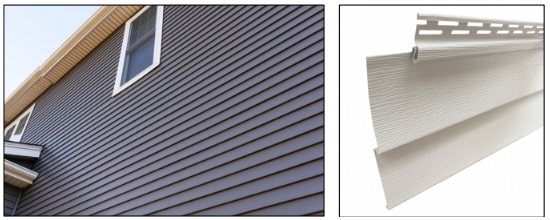
Vinyl siding is a popular choice for exterior cladding on residential properties, known for its versatility and durability. Understanding the composition and characteristics of vinyl siding is essential for real estate professionals to provide accurate information to clients. Here’s a detailed look at vinyl siding:
Composition:
Vinyl siding is primarily made from a material called polyvinyl chloride (PVC) resin. This synthetic material is known for its durability and resistance to various environmental factors. The PVC resin is combined with other additives, including:
-
Impact Modifiers: These additives enhance the siding’s resistance to impacts and cracking, ensuring it can withstand the occasional accidental collision from objects or debris.
-
UV Inhibitors: UV inhibitors are incorporated into the vinyl formula to protect it from the harmful effects of ultraviolet (UV) rays. This prevents fading, chalking, and deterioration of the siding’s color and structural integrity over time.
-
Pigments: Pigments are added to the mix to give vinyl siding its wide range of color options. These pigments are carefully selected to resist fading due to UV exposure.
Appearance:
Vinyl siding is designed to replicate the appearance of traditional wood siding while offering numerous advantages. It comes in various profiles, which determine its shape and texture. Common profiles include:
-
Clapboard: This profile mimics the look of wooden clapboard siding with horizontal panels that overlap.
-
Dutch Lap: Dutch lap siding features a decorative groove over the top of each board, adding depth and dimension to the siding’s appearance.
-
Board and Batten: This style combines wide, vertical boards (boards) with narrow strips (battens) that cover the seams between the boards. It creates a rustic, farmhouse-like aesthetic.
-
Shake: Shake-style vinyl siding imitates the look of cedar shakes, providing a rustic and textured appearance.
-
Scallop: Scallop siding features curved or wavy profiles, adding a unique and decorative element to the siding.
Color and Texture:
Vinyl siding offers a broad spectrum of colors, from classic neutrals to bold and vibrant shades. Homeowners can choose a color that complements their architectural style and personal preferences. Additionally, vinyl siding can have textures that resemble wood grain, providing a realistic and tactile feel.
A Brief History of Vinyl Siding
Vinyl siding made its debut in the 1950s as a groundbreaking alternative to traditional wood siding for residential properties. It quickly gained popularity and became a prominent choice in the siding industry. Here’s a brief overview of its historical development:
1950s – The Birth of Vinyl Siding: Vinyl siding was initially introduced in response to the demand for a more cost-effective and low-maintenance siding option. It aimed to provide homeowners with an attractive yet affordable alternative to wood siding.
1960s – Technological Advancements: During the 1960s, manufacturing processes for vinyl siding began to evolve. Innovations in material formulations and production techniques enhanced the durability and versatility of vinyl siding products.
1970s – Widespread Adoption: The 1970s witnessed the widespread adoption of vinyl siding as builders and homeowners recognized its benefits. Its resistance to rot, insect damage, and the need for painting or staining made it an attractive choice.
1980s – Aesthetic Improvements: In the 1980s, vinyl siding manufacturers focused on improving the aesthetics of their products. They introduced a broader range of colors, textures, and profiles, allowing homeowners to achieve various architectural styles.
1990s – Continued Enhancements: Advancements in vinyl siding continued into the 1990s. The development of insulated vinyl siding offered improved energy efficiency for homes.
2000s – Sustained Popularity: Vinyl siding remained a popular choice for residential properties in the 2000s. Its durability and low maintenance requirements continued to make it a practical option.
Today – Modern Vinyl Siding: Modern vinyl siding is a testament to decades of research and development. It offers homeowners a wide array of choices in terms of color, texture, and profile, along with the benefits of durability and minimal maintenance.
Common Manufacturers
Numerous manufacturers produce vinyl siding, offering a wide range of options to consumers. Some well-known manufacturers in the vinyl siding industry include CertainTeed, Alside, Ply Gem, Mastic, and Royal Building Products, among others. These manufacturers have played a significant role in the development and innovation of vinyl siding products.
Advantages of Vinyl Siding
Durability and Resilience
Moisture Resistance: One of the standout features of vinyl siding is its remarkable moisture resistance. Unlike traditional wood siding, which can absorb water and lead to issues like rot, decay, and swelling, vinyl siding remains impervious to moisture. This resistance ensures that vinyl siding maintains its structural integrity over time, even in regions with high humidity or heavy rainfall. Homeowners can be confident that their siding will not deteriorate due to moisture-related problems.
Insect Resistance: Vinyl siding offers natural resistance to pests such as termites and carpenter ants. This inherent feature provides homeowners with peace of mind, knowing that their siding is not susceptible to insect damage. Unlike wood siding, which can be a target for wood-boring insects, vinyl siding remains intact and unaffected by such threats.
Warping and Splitting: Vinyl siding maintains its shape and does not warp or split, even when subjected to temperature fluctuations and extreme weather conditions. This dimensional stability is a critical factor in its longevity. Homeowners can trust that their siding will remain structurally sound and visually appealing, regardless of the climate they live in.
Corrosion Resistance: Unlike some metal siding materials that may be prone to corrosion over time, vinyl siding is corrosion-resistant. It stands strong against rust or corrosion, ensuring that it retains both its aesthetic appeal and functional properties for many years.
Impact Resistance: Vinyl siding is engineered to withstand impact from common sources of damage, such as hail or debris during storms. While it may dent upon significant impact, it typically does not crack or break. This impact resistance enhances the siding’s overall durability and ability to withstand adverse weather conditions.
UV Resistance: Ultraviolet (UV) rays from the sun can cause fading and degradation in some siding materials. Vinyl siding is specially formulated to resist UV damage. As a result, it preserves its color and finish over time, maintaining its visual appeal for homeowners.
Longevity: Vinyl siding offers impressive longevity. With proper installation and routine maintenance, it can last for several decades. This extended lifespan not only provides long-term protection for the property but also reduces the need for frequent siding replacements. Homeowners can enjoy the benefits of vinyl siding for many years without the hassle and expense of frequent maintenance or replacements.
Low Maintenance
Minimal Upkeep: Homeowners appreciate vinyl siding’s low maintenance requirements. Unlike wood siding, which often demands regular painting or staining every few years to maintain its appearance and protect it from the elements, vinyl siding retains its color and finish without these treatments. Occasional cleaning with a garden hose and mild detergent is typically all that’s needed to keep it looking fresh. This minimal upkeep saves homeowners both time and money over the life of the siding.
Cost-Effectiveness
Affordable Option: Vinyl siding is known for being a cost-effective choice compared to other siding materials like wood, stone, or brick. Despite its affordability, vinyl siding offers the look of traditional siding materials at a fraction of the cost. This makes it an attractive option for budget-conscious homeowners who want to enhance the visual appeal and durability of their homes without breaking the bank.
Variety of Styles and Colors
Customization: Vinyl siding provides homeowners with a wide variety of styles, textures, and colors to choose from. Whether they prefer the classic look of wood, the rugged appearance of stone, or a modern aesthetic, there are vinyl siding options available to match their preferred architectural style. This diversity allows homeowners to achieve the exact look and feel they desire for their homes, enhancing curb appeal and overall satisfaction.
Energy Efficiency
Improved Insulation: Many vinyl siding products are designed to improve a home’s energy efficiency. Insulated vinyl siding, in particular, offers enhanced insulation properties. It helps reduce energy consumption and utility costs by keeping the home more comfortable year-round. Homeowners benefit from improved thermal performance and potentially lower heating and cooling bills, making vinyl siding not only visually appealing but also environmentally friendly.
Addressing Installation and Additional Concerns
Installation Issues:
-
Moisture Infiltration: Improper installation, especially around openings such as doors and windows, can lead to moisture infiltration. This can result in significant property damage over time, affecting both the structure and aesthetics of the home.
-
Indicators: Look for signs of water damage, such as mold, mildew, or rot on the interior walls, especially around windows and doors.
-
-
Aesthetic Concerns: Visual discrepancies in the installation process can affect the property’s curb appeal and potentially deter buyers. Common issues include uneven siding, gaps, or visible seams.
-
Indicators: During property inspections, carefully examine the siding for any irregularities, gaps, or areas where the siding appears misaligned.
-
-
Energy Efficiency: Incorrect installation that results in poor insulation or gaps in the siding can lead to reduced energy efficiency. This may be a concern for environmentally-conscious buyers looking for energy-efficient homes.
-
Indicators: Assess the property’s energy bills and inquire about any unusual fluctuations, which may be indicative of energy efficiency issues related to the siding.
-
Additional Concerns:
-
Warping: Vinyl siding can warp if exposed to extreme heat or if heat sources, such as grills or heating vents, are too close to it. Warping can affect both the appearance and functionality of the siding.
-
Indicators: Look for signs of warping, such as distorted or bent siding pieces, especially in areas exposed to direct sunlight or heat sources.
-
-
UV Discoloration: While vinyl siding is designed to resist UV damage, lower-quality or older siding may experience color fading over time when exposed to prolonged sunlight.
-
Indicators: Check for signs of discoloration, fading, or uneven coloration on the siding’s surface.
-
-
Mold and Mildew: In regions with high humidity, mold and mildew growth can occur on the siding’s surface. Besides affecting appearance, these growths can also impact indoor air quality.
-
Indicators: Inspect the siding for any visible signs of mold or mildew, which may appear as dark spots or patches.
-
-
Maintenance Requirements: While vinyl siding is low-maintenance, it still requires occasional cleaning to remove dirt, debris, and potential mildew growth to maintain its appearance and functionality.
-
Indicators: Inquire about the homeowner’s maintenance routine and whether regular cleaning has been performed.
-
-
Impact Resistance: While durable, vinyl siding can be damaged by significant impacts, such as hail or heavy objects hitting it. Inspect the siding for any visible dents or damage.
-
Indicators: Look for areas with noticeable dents or cracks, especially after severe weather events.
-