
Stucco Siding
Stucco Siding
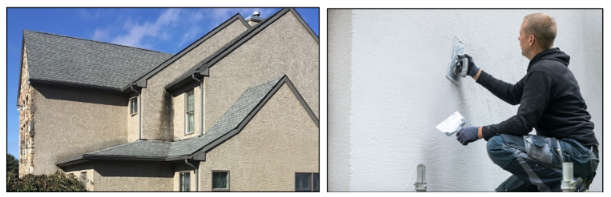
1. Introduction to Stucco Siding
What is Stucco Siding?
Stucco siding, often referred to simply as “stucco,” is a widely used siding material known for its unique composition and distinctive appearance. It is composed of a mixture of several key ingredients, including Portland cement, sand, lime, and water. The combination of these components results in a versatile and durable exterior cladding material that has been used for centuries in construction.
Composition of Stucco:
-
Portland Cement: At the core of stucco’s composition is Portland cement, a binding agent that plays a pivotal role in the material’s strength and durability. Portland cement is derived from limestone and clay and is known for its adhesive properties, allowing it to bond effectively with the other components.
-
Sand: Sand is a crucial component in stucco, contributing to its texture and workability. Different types of sand can be used to achieve various textures, from fine to coarse, allowing for customization in stucco’s final appearance.
-
Lime: Lime is added to the stucco mixture to enhance its plasticity and workability. It also contributes to the material’s ability to self-heal small cracks, improving its longevity.
-
Water: Water is used to activate the chemical process of hydration in the Portland cement, leading to the hardening and setting of the stucco mixture. The amount of water added is carefully controlled to achieve the desired consistency.
Application Process:
Stucco siding is applied in layers, typically in three coats, to create a textured finish on the exterior of buildings. The application process involves the following steps:
-
Scratch Coat: The first layer, known as the scratch coat, is applied directly to the building’s sheathing or substrate. It consists of a mixture of stucco and sand, creating a rough texture to promote adhesion for the subsequent layers.
-
Brown Coat: The second layer, referred to as the brown coat, is applied over the scratch coat. It is a thicker layer and may contain additional additives for increased strength and durability.
-
Finish Coat: The final layer, known as the finish coat, is where the desired texture and appearance of the stucco are achieved. Homeowners can choose from various textures, including smooth, rough, or even custom textures, depending on their aesthetic preferences.
Versatility in Architectural Styles:
One of the standout features of stucco siding is its remarkable versatility in achieving various architectural styles. Whether used on modern, contemporary, Mediterranean, or traditional homes, stucco can adapt to the design requirements of the building. Its ability to be molded and textured during application allows for customization, making it a popular choice among homeowners and architects alike.
In conclusion, stucco siding, composed of Portland cement, sand, lime, and water, is a versatile and enduring exterior cladding material. Its unique composition and application process enable it to achieve a wide range of architectural styles, making it a timeless choice for both residential and commercial buildings.
Historical Use of Stucco in Western Washington
Stucco, originally associated with regions characterized by warm and arid climates, has made its way into areas like Western Washington, which boasts a distinct climate pattern featuring abundant rainfall and higher humidity levels. The historical use of stucco in this region reflects both its advantages and unique challenges when adapted to a wetter environment.
Advantages of Stucco in Western Washington:
-
Versatility: One of the key advantages of stucco is its versatility in achieving various architectural styles. Despite its historical use in arid regions, homeowners in Western Washington have embraced stucco as a siding material that can be tailored to their specific design preferences. It allows for the creation of a distinctive exterior finish that complements both modern and traditional architectural styles.
-
Durability: Stucco is renowned for its long-lasting nature and ability to withstand the test of time. It possesses inherent qualities that make it resistant to rot and immune to damage from insects, ensuring the siding remains structurally sound and visually appealing. This durability is particularly valuable in a region that experiences higher moisture levels.
-
Moisture Resistance: When correctly installed and diligently maintained, stucco exhibits effective moisture resistance properties. It can efficiently shed rainwater and safeguard the underlying structure from moisture-related issues. This attribute is of paramount importance in Western Washington, where frequent rainfall is a common occurrence.
Challenges of Stucco in Western Washington:
-
Staining: Stucco’s porous nature can make it susceptible to staining in regions characterized by frequent and heavy rain, such as Western Washington. Rainwater carries dirt, contaminants, and airborne particles onto the stucco surface, resulting in discoloration over time. Homeowners may find themselves needing to invest in regular cleaning and maintenance routines to preserve the stucco’s original appearance.
-
Maintenance Requirements: Stucco siding in wetter climates demands more vigilant maintenance to prevent potential issues. These issues may include water infiltration through cracks or compromised seals, as well as the growth of mold or mildew in areas where moisture lingers. Homeowners must remain proactive in their maintenance efforts to mitigate these challenges effectively.
-
Installation Quality: The effectiveness of stucco as an exterior cladding material hinges on the quality of its installation. In regions like Western Washington, where moisture is a constant presence, any issues during installation can lead to moisture-related problems, a shortened lifespan for the siding, and even structural issues for the property. Therefore, it is imperative for homeowners to prioritize hiring experienced professionals for both the initial installation and ongoing maintenance of their stucco siding.
2. Moisture Management and Staining
Stucco siding in Western Washington faces specific challenges related to the region’s moisture-rich climate. While stucco can effectively shed rain when installed correctly, it is not impervious to moisture-related issues:
Staining on Stucco Siding in Western Washington
Issue: One of the notable concerns associated with stucco siding in Western Washington is staining. This issue arises due to the porous nature of stucco, which has the potential to absorb rainwater. Over time, this moisture absorption can result in unsightly discoloration and staining on the stucco surface, creating an aesthetic challenge for homeowners.
Indicators: Identifying staining issues on stucco siding involves recognizing certain indicators that are commonly associated with moisture-related problems:
-
Dark Patches or Streaks: Stains on the stucco surface often manifest as dark patches or streaks. These discolored areas can be irregularly distributed across the siding and are typically more prominent in regions exposed to prolonged or heavy rainfall.
-
Localized Stain Concentration: Stains may appear more concentrated in specific areas of the stucco siding, particularly those directly exposed to rain runoff or areas where water tends to accumulate. This concentrated staining can create a visually unappealing contrast with the unaffected stucco.
-
Change in Color Tone: Stucco staining can lead to a noticeable change in the color tone of the siding. This alteration in appearance can diminish the overall curb appeal of the property.
Prevention:
-
Proper Maintenance: Implementing a regular cleaning and maintenance routine for stucco siding is essential for preventing staining. Homeowners should establish a schedule for cleaning, especially in areas of the siding that are exposed to frequent rain. Regular maintenance helps remove surface stains and prevents them from becoming deeply embedded in the stucco.
-
Scheduled Cleaning: Homeowners can choose to pressure wash the stucco siding or use a gentle scrubbing technique with a mild detergent. Pressure washing is effective in removing surface stains caused by rainwater and contaminants. However, it’s important to exercise caution when using pressure washers to avoid damaging the stucco finish. Gentle scrubbing with a mild detergent can also effectively remove surface stains without the risk of damage.
-
Stain Removal: When homeowners notice stains on the stucco surface, it’s advisable to address them promptly. Stains should be treated as they appear to prevent them from becoming more pronounced and challenging to remove. Specialized stucco stain removers or mild acidic solutions can be used for stain removal. It’s crucial to follow the manufacturer’s recommendations for stain removal products and exercise care to avoid damaging the stucco during the cleaning process.
Mitigation:
-
Quality Sealant: Applying a high-quality sealant or paint specifically designed for stucco siding is a proactive measure to mitigate staining issues. Quality sealants create a protective barrier on the stucco surface, reducing the absorption of rainwater and moisture. This barrier minimizes the likelihood of staining by preventing water from penetrating the stucco. Additionally, sealants enhance the overall durability and longevity of the stucco siding, as they act as a shield against environmental elements, including rain, UV rays, and pollutants.
-
Color Enhancement: Some sealants or paints designed for stucco siding come in various colors and finishes. Homeowners can select a sealant that matches or enhances the siding’s color, providing an aesthetic benefit in addition to protection. This allows homeowners to maintain the desired appearance of their home’s exterior while safeguarding it against staining.
-
Professional Assistance: In cases where homeowners are unsure about proper maintenance practices or require expertise in stucco sealing, seeking professional assistance is a prudent choice. Professional stucco contractors possess the knowledge and experience to perform thorough inspections of the siding, recommend suitable sealant products, and provide expert cleaning and maintenance services. Their expertise ensures that the stucco is adequately protected from staining and other environmental factors.
3. Maintenance Considerations
While stucco siding can be durable and visually appealing, homeowners in Western Washington should be prepared for ongoing maintenance requirements:
Mold and Mildew:
-
Issue: Stucco’s porous nature can make it susceptible to mold and mildew growth in areas with high humidity and frequent rainfall. These growths can affect both the appearance and indoor air quality.
-
Indicators: Visible signs of mold or mildew on the stucco surface, often appearing as dark spots or patches, indicate a moisture problem.
Prevention and Mitigation:
-
Regular Cleaning: Periodic cleaning of the stucco surface can help prevent mold and mildew growth. Using appropriate cleaning solutions and techniques is essential.
-
Improved Ventilation: Ensuring proper ventilation in the home’s interior can reduce humidity levels, decreasing the likelihood of mold and mildew issues.
Cracking and Damage:
-
Issue: Stucco can develop cracks over time, especially if not properly maintained or if the underlying structure experiences movement due to the region’s soil conditions and occasional seismic activity.
-
Indicators: Visible cracks in the stucco surface are clear indicators of potential problems. Cracks may allow moisture infiltration, exacerbating other issues.
Prevention and Mitigation:
-
Regular Inspections: Homeowners should perform regular inspections of their stucco siding to identify and address cracks or damage promptly.
-
Professional Repairs: For significant cracks or structural concerns, it’s advisable to seek professional stucco repair services to ensure the longevity of the siding.
4. Stucco and Energy Efficiency
Stucco can provide certain energy-efficient benefits, such as thermal mass properties that help regulate indoor temperatures. However, these benefits may vary depending on factors like insulation and climate. It’s important for homeowners to consider their specific needs and consult professionals for guidance on maximizing energy efficiency with stucco siding.
5. Seismic Considerations
In Western Washington, the region is susceptible to seismic activity due to its location near tectonic plate boundaries. While stucco siding itself is not structurally load-bearing, its attachment to the building’s frame and the condition of the underlying structure can influence its performance during earthquakes:
-
Issue: During seismic events, the ground motion can put stress on a building’s structure, potentially causing movement or shifting. If the stucco siding is not securely attached or if there are pre-existing structural issues, it may crack or detach from the building.
-
Indicators: Following an earthquake, visible cracks or separation of stucco from the building’s frame can indicate potential seismic-related damage.
-
Prevention and Mitigation:
-
Homeowners should ensure that stucco siding is installed by experienced professionals who follow seismic-resistant construction practices.
-
Regular inspections of the stucco siding and the building’s structure can help identify and address any issues before they worsen.
-
6. Long-Term Maintenance Costs
-
Issue: While stucco can be visually appealing and durable, long-term maintenance costs should be considered. Over time, stucco may require repairs or refinishing, especially if it has been exposed to harsh weather conditions.
-
Indicators: Signs of wear and tear, including visible cracks, stains, or areas with deteriorating stucco, may indicate the need for maintenance.
-
Prevention and Mitigation:
-
Homeowners should budget for periodic maintenance, which may include repainting or patching damaged areas.
-
Proper sealing and repainting can help extend the life of stucco siding and reduce long-term costs.
-
7. Color Fading
-
Issue: In regions with frequent sunlight, such as Western Washington during the summer months, stucco siding may experience color fading over time. This can affect the siding’s appearance and curb appeal.
-
Indicators: Faded or uneven coloration on the stucco’s surface may indicate UV-related color fading.
-
Prevention and Mitigation:
-
Using high-quality stucco paint or finish with UV-resistant properties can help prevent color fading.
-
Regular cleaning and maintenance can also contribute to preserving the siding’s color and appearance.
-
Conclusion
Stucco siding offers homeowners in Western Washington a visually appealing and durable option for their homes. However, it comes with unique challenges related to the region’s moisture-rich climate. Being aware of these challenges and implementing preventive measures and maintenance can help ensure the long-term performance and aesthetic appeal of stucco siding in this unique environment.