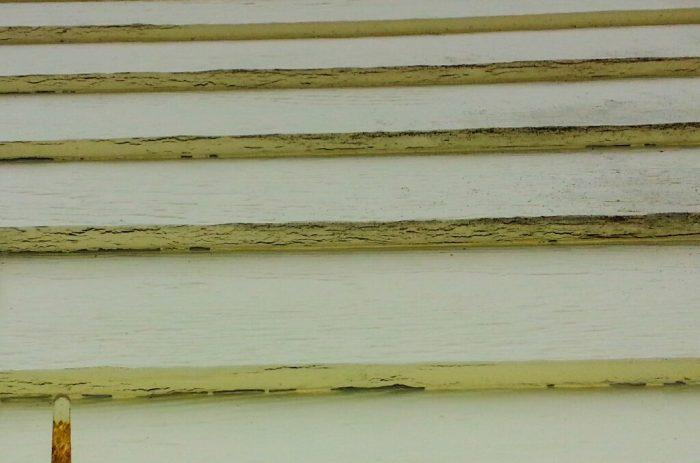
Engineered Wood
Engineered Wood
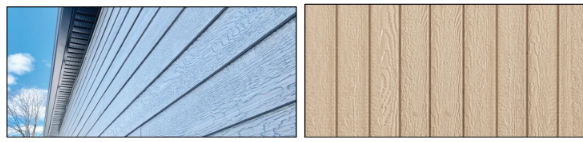
Section 1: Engineered Wood Siding: A Comprehensive Guide
Engineered wood siding, often referred to as composite wood siding, has gained widespread popularity as an exterior cladding option for residential properties. This comprehensive guide aims to provide an extensive overview of engineered wood siding, covering various aspects, from its composition and benefits to key considerations and how to identify and avoid potential issues, including the LP class action lawsuit.
Composition: The Ingenious Fusion of Wood and Technology
Engineered wood siding represents a harmonious blend of natural wood fibers and modern technology. Its composition consists of three fundamental layers:
-
Wood Strands or Fibers: At the core of engineered wood siding lies a matrix of wood strands or fibers. These strands are typically sourced from fast-growing and sustainable wood species, such as pine or spruce. The choice of these wood components is a testament to responsible forestry practices, emphasizing environmental sustainability. By utilizing these wood elements, engineered wood siding optimizes the utilization of available wood resources.
-
Adhesive Resins: The cohesion of the wood strands is achieved through the application of adhesive resins, which are commonly categorized as phenolic or melamine resins. This bonding process plays a pivotal role in ensuring structural integrity, durability, and resistance to moisture. The resins create a resilient composite material that can withstand the challenges posed by varying weather conditions, ultimately enhancing the siding’s longevity.
-
Overlay: The outermost layer of engineered wood siding, known as the overlay or face, serves a dual purpose – enhancing its appearance and providing protection against environmental elements. This layer is often textured to replicate the grain of authentic wood, producing an aesthetic that closely resembles natural wood siding. Additionally, it undergoes treatment to imbue it with weather resistance, allowing homeowners to enjoy a resilient and visually appealing exterior cladding. The overlay may even come pre-finished with paints or stains, offering a plethora of color options for homeowners to choose from.
Advantages: The Strengths of Engineered Wood Siding
Engineered wood siding presents a compelling array of advantages:
-
Cost-Effective Choice: One of its most alluring features is cost-effectiveness. Engineered wood siding provides the charm of real wood at a fraction of the cost, rendering it accessible to homeowners with varying budgets. This affordability is not a compromise on quality or aesthetics, making it a practical choice for those seeking both value and visual appeal.
-
Enhanced Durability: Engineered wood siding is engineered with durability at the forefront. Its resistance to moisture, decay, and insects ensures a longer lifespan compared to some natural wood siding alternatives. This durability makes it a practical choice, especially in regions with high humidity, frequent rainfall, or termite activity. It reduces the need for frequent maintenance and replacements, saving homeowners time and money in the long run.
-
Consistency in Quality: Manufactured to precise specifications, engineered wood siding exhibits uniformity in size, shape, and quality. This uniformity simplifies the installation process, reduces waste, and contributes to a smoother construction experience. Homeowners can expect reliable performance and appearance across the entire cladding project.
-
Design Versatility: Engineered wood siding provides homeowners with the freedom to express their unique aesthetic preferences. It offers a wide range of styles, textures, and finishes, allowing homeowners to tailor the cladding to their specific design vision. Whether it’s a traditional, contemporary, or rustic architectural style, engineered wood siding can mimic the look of various wood species, ensuring a seamless integration with the overall design.
-
Sustainability Focus: Many engineered wood siding products proudly incorporate sustainably sourced wood materials. This commitment to sustainability aligns with eco-conscious values and promotes responsible forestry practices. It allows homeowners to enjoy the beauty of wood without compromising the environment. Sustainable sourcing ensures that the wood used in the manufacturing process is harvested from forests that prioritize regeneration and conservation.
-
Ease of Installation: Engineered wood siding’s consistent quality and lightweight nature make it relatively easy to install. Contractors and builders appreciate its ease of handling, which can potentially reduce labor costs during the installation process. The siding can be installed using various methods, including traditional lap siding or panel systems, providing flexibility for different architectural designs.
Key Considerations: Navigating the Choices
Before selecting engineered wood siding for your property, it’s essential to take various factors into consideration to ensure the best choice for your needs. Here are some key considerations to keep in mind:
-
Climate Compatibility: Evaluate the climate in your region. Different engineered wood siding products may perform better in specific climates. For example, some sidings may be more suitable for areas with high humidity, while others excel in dry or cold climates. Understanding the local weather conditions will help you choose siding that can withstand the elements and provide long-lasting protection for your home.
-
Maintenance Requirements: While engineered wood siding is known for being low-maintenance compared to natural wood siding, it’s not entirely maintenance-free. Regular care is essential to preserve its appearance and durability. Maintenance typically includes periodic cleaning to remove dirt and debris, which can be done with a hose and a soft brush. Additionally, depending on the finish applied to the siding, you may need to plan for repainting or restaining every few years. Understanding the maintenance requirements will help you make an informed decision and ensure that you can provide the necessary care to keep your siding in excellent condition.
-
Installation Expertise: The proper installation of engineered wood siding is critical to its performance and longevity. It’s essential to have the siding installed by experienced professionals who understand the specific requirements of the product. Installation errors can lead to issues such as water infiltration, warping, or premature deterioration. Ensure that the contractors or builders you hire have expertise in working with engineered wood siding to guarantee a successful and trouble-free installation.
-
Warranty: Inquire about the manufacturer’s warranty when considering engineered wood siding. A comprehensive warranty can provide peace of mind regarding the durability and quality of the siding. It’s important to review the warranty terms and understand what is covered, including any limitations or conditions. A solid warranty can be an indicator of the manufacturer’s confidence in their product and its ability to withstand various environmental factors.
Understanding the LP Class Action Lawsuit
It’s essential to address the LP class action lawsuit, which involved Louisiana-Pacific (LP) siding products. This lawsuit revolved around allegations of defects in LP’s Inner-Seal siding, particularly with regards to water infiltration and damage. While LP settled the lawsuit, it highlights the importance of understanding the siding products used in a property.
Background of the LP Class Action Lawsuit:
The LP Class Action Lawsuit: A Detailed Examination
The LP class action lawsuit, centered around Louisiana-Pacific’s (LP) Inner-Seal siding products, was a complex legal case that revolved around allegations of defects in the siding, particularly related to water infiltration and resulting damage. To gain a comprehensive understanding of this lawsuit, let’s delve into the specific details of what went wrong and why:
1. Inner-Seal Siding Composition: The Core of the Issue
The LP class action lawsuit revolved around LP’s Inner-Seal siding, a product that gained popularity in the construction industry due to its affordability and the perceived durability of engineered wood siding. Central to the controversy were the specific compositional details of Inner-Seal siding, shedding light on why it became the subject of a legal dispute:
Composition of Inner-Seal Siding:
-
LP’s Inner-Seal siding was primarily composed of wood strands and fibers.
-
These wood components were treated with resin binders, which were intended to provide structural stability and resistance to moisture.
-
The treated wood strands and fibers were then compressed into boards, forming the final siding product used in countless homes across the United States.
Factors Contributing to Popularity:
-
LP’s Inner-Seal siding gained widespread acceptance in the construction industry due to two key factors:
-
Affordability: It was a cost-effective alternative to traditional wood siding options, making it an attractive choice for both builders and homeowners.
-
Perceived Durability: At the time, it was believed that the resin treatment and compression process would render the siding resistant to moisture-related issues and provide long-lasting performance.
-
However, it was precisely these factors that would later become the focus of the LP class action lawsuit. The lawsuit alleged that the composition of the Inner-Seal siding, while cost-effective, lacked the necessary safeguards to prevent water infiltration effectively. This alleged vulnerability to water infiltration led to significant problems for homeowners, including rot, decay, and structural damage, ultimately resulting in a legal battle that brought these issues to the forefront of the construction industry.
2. Alleged Defects: Unraveling the Water Infiltration Crisis
The LP class action lawsuit shed light on a series of alarming defects associated with LP’s Inner-Seal siding, causing significant distress for homeowners and builders alike. These defects primarily centered around the siding’s inability to effectively manage water infiltration, leading to a multitude of cascading problems that shook the confidence in this siding product:
Water Penetration: The most profound and immediate issue was the siding’s vulnerability to water infiltration. Despite its role as an exterior cladding material, LP Inner-Seal siding failed to adequately repel or efficiently drain away water. This fundamental flaw compromised the integrity of the siding, allowing moisture to breach its protective barrier and enter the interior of the walls.
Rot and Decay: With water penetrating the siding, a relentless cycle of damage ensued. The infiltrating moisture created an environment conducive to the growth of wood-degrading fungi and bacteria. As these microorganisms thrived, they accelerated the deterioration of the siding material itself. LP Inner-Seal siding began to rot and decay, a process that not only compromised its appearance but also its structural integrity.
Structural Damage: The devastating consequences of water damage extended well beyond the visible deterioration of the siding. The moisture infiltration had far-reaching effects on critical structural components of homes. Wall sheathing, a vital layer of protection and insulation, began to degrade, while the framing, the very skeleton of the house, faced weakening and structural instability. The compromised structural elements posed significant risks to the overall stability and safety of the entire dwelling.
It’s important to emphasize that the lawsuit alleged that these defects were intrinsic to the LP Inner-Seal siding product itself, rather than being the result of homeowner neglect or improper maintenance. Homeowners found themselves grappling with unexpected and costly repairs, structural instability, and a deep sense of frustration.
3. Class Action Lawsuit Filing: The Battle Against LP Inner-Seal Siding
As the water infiltration crisis continued to plague homeowners and erode the integrity of their properties, a pivotal moment arrived in the form of a class action lawsuit. Fueled by mounting frustrations and collective grievances, homeowners who had fallen victim to the alleged defects of LP Inner-Seal siding decided to take legal action against Louisiana-Pacific (LP). Here’s a closer look at the critical steps taken in this battle for justice:
Allegations of Inherent Defects: The heart of the lawsuit rested on the contention that LP’s Inner-Seal siding harbored inherent defects, rendering it highly susceptible to water-related issues. Homeowners argued that the problems they encountered were not the result of neglect or improper maintenance but rather a consequence of fundamental flaws within the siding product itself. These defects were believed to be intrinsic, making LP responsible for the ensuing damage and financial burdens.
A Unified Front: The class action lawsuit represented a powerful and unified front, encompassing a substantial number of homeowners who had experienced remarkably similar problems with their LP Inner-Seal siding. By consolidating their claims into a single legal action, these homeowners aimed to amplify their voices and increase their chances of obtaining a favorable resolution.
Seeking Compensation and Resolution: The primary objectives of the lawsuit were twofold. First, homeowners sought compensation for the extensive damages they had incurred due to water infiltration and the subsequent structural issues. This compensation was intended to alleviate the financial burden of repairs and restoration. Second, homeowners sought a resolution that would hold LP accountable for the alleged defects and prevent future homeowners from facing similar challenges with the Inner-Seal siding.
The class action lawsuit represented a critical turning point in the LP Inner-Seal siding saga. It marked the formal initiation of legal proceedings to address the grievances of affected homeowners and seek restitution for the hardships they had endured. While the lawsuit aimed to hold LP accountable for the alleged defects, it also underscored the importance of informed decision-making when it comes to selecting siding materials for residential properties. For homeowners, real estate brokers, and builders, the LP class action lawsuit serves as a poignant reminder of the far-reaching consequences of siding-related issues and the importance of diligence in property assessments.
4. Key Legal Arguments: Unmasking the Alleged Siding Defects
Within the courtroom arena, the LP class action lawsuit unveiled a series of pivotal legal arguments that formed the bedrock of the plaintiffs’ case. These arguments were meticulously crafted to shed light on the alleged defects within LP’s Inner-Seal siding and to establish the manufacturer’s liability. Here are the key legal contentions put forth during the lawsuit:
Inadequate Engineering for Exterior Exposure: One of the central claims made by the plaintiffs was that LP’s Inner-Seal siding was inadequately engineered to withstand the challenges posed by exterior exposure. Specifically, it was argued that the siding’s composition and design did not effectively account for the rigors of being installed on the exterior of homes, where it would be subjected to a wide range of weather conditions. This argument emphasized the need for siding products to demonstrate resilience and durability in the face of environmental stressors.
Susceptibility to Water Infiltration: At the heart of the lawsuit were allegations regarding the siding’s vulnerability to water infiltration. Plaintiffs contended that the Inner-Seal siding failed to provide sufficient water resistance, allowing moisture to penetrate the material. This susceptibility to water infiltration was viewed as a critical defect, as it could lead to various damaging consequences, including rot, decay, and structural compromises.
Moisture Management Shortcomings: Another key argument pertained to the siding’s moisture management capabilities, or lack thereof. Plaintiffs asserted that the Inner-Seal siding inadequately managed moisture, which could accumulate within the material and contribute to its deterioration. Effective moisture management is essential for siding products, as it helps mitigate the risk of damage caused by prolonged exposure to humidity, rain, and other moisture sources.
Absence of Protective Features: The LP class action lawsuit also raised concerns about the absence of protective features within the Inner-Seal siding. Plaintiffs argued that the siding lacked essential safeguards designed to shield it from water infiltration and other forms of environmental stress. This argument underscored the importance of incorporating protective elements into siding products to enhance their durability and longevity.
In sum, the key legal arguments in the LP class action lawsuit revolved around the alleged defects within LP’s Inner-Seal siding, with a particular focus on its suitability for exterior exposure and its ability to resist water infiltration. These arguments aimed to establish a connection between the defects and the subsequent damage experienced by homeowners, ultimately seeking accountability from the manufacturer. The lawsuit served as a critical platform for addressing the grievances of homeowners affected by these alleged siding issues and shed light on the complexities of siding product liability in the construction industry.
5. LP’s Response and Settlement: Resolving the Lawsuit
Throughout the course of the LP class action lawsuit, Louisiana-Pacific (LP) initially defended the quality and integrity of its Inner-Seal siding products. However, as the legal proceedings unfolded and the evidence mounted, LP ultimately chose to pursue a settlement rather than proceed with protracted litigation. Here’s a closer look at LP’s response and the resulting settlement:
Defending the Products: In the early stages of the lawsuit, LP maintained that its Inner-Seal siding was a reputable and reliable product. The company asserted that the issues experienced by homeowners were not indicative of inherent defects within the siding but rather the result of improper installation, maintenance neglect, or environmental factors beyond its control.
Evidence and Legal Pressures: As the lawsuit progressed, plaintiffs presented compelling evidence to support their claims of siding defects and their connection to water infiltration and structural damage. This evidence included expert testimony, siding samples, and documentation of numerous cases of siding-related issues. Additionally, the mounting legal pressures and the potential risks of a prolonged and costly trial likely influenced LP’s decision-making.
Settlement Decision: Faced with mounting evidence and the complexities of litigation, LP opted to enter into a settlement agreement with the plaintiffs. This decision marked a significant turning point in the lawsuit, as it signaled LP’s willingness to address the concerns raised by homeowners and resolve the dispute through negotiated means.
Terms of the Settlement: The settlement agreement included provisions for compensating affected homeowners. This compensation encompassed various aspects, including:
-
Siding Repairs and Replacement: Funds were allocated to repair or replace damaged LP Inner-Seal siding on affected homes. This addressed the primary concern of homeowners who had incurred expenses related to siding issues.
-
Structural Remediation: In cases where structural components of homes were impacted by water damage resulting from the siding defects, provisions were made to address these structural issues.
-
Financial Compensation: Affected homeowners received financial compensation as part of the settlement, which aimed to mitigate the financial burdens they had incurred due to siding-related problems.
-
Legal Fees: The settlement also provided for the payment of legal fees and expenses incurred by the plaintiffs’ legal representatives.
In essence, the settlement represented a resolution to the legal dispute between LP and homeowners who had experienced issues with Inner-Seal siding. It aimed to provide relief to affected homeowners by addressing both the siding defects and the consequential damages. By opting for a settlement, LP sought to bring closure to the lawsuit and alleviate the financial and structural burdens faced by homeowners.
This settlement underscored the significance of addressing product quality and liability issues in the construction industry, highlighting the importance of manufacturers taking responsibility for potential defects and their impact on homeowners. It served as a precedent for similar cases and emphasized the need for transparency and accountability in the building materials sector.
6. Lessons and Implications:
The LP class action lawsuit against Louisiana-Pacific (LP) over its Inner-Seal siding products carries important lessons and implications for the construction and building materials industry. Here are key takeaways from this significant case:
Quality Control and Testing: The lawsuit underscores the critical importance of rigorous quality control and testing in the building materials industry. Siding products, like LP’s Inner-Seal, play a pivotal role in protecting homes from the elements. Defects that compromise their ability to resist water infiltration and drainage can lead to severe consequences. Manufacturers must invest in thorough testing and quality assurance processes to ensure the reliability and performance of their products.
Water Infiltration Risks: The LP case sheds light on the substantial risks associated with siding products that do not effectively resist water infiltration and drainage. Water-related issues, such as rot, decay, and structural damage, can be costly and detrimental to homeowners. It is incumbent upon manufacturers to design and produce siding materials that can withstand diverse weather conditions, including heavy rainfall and high humidity.
Informed Decision-Making: Homeowners and builders have become more vigilant and discerning when it comes to selecting siding materials. The LP lawsuit has prompted increased scrutiny of product specifications, testing data, and manufacturer reputations. Informed decision-making involves researching and selecting siding products that are known for their durability, weather resistance, and performance.
Proper Installation and Maintenance: The LP case also highlights the significance of proper installation and ongoing maintenance. Even high-quality siding materials can underperform if they are not correctly installed or adequately maintained. Homeowners and builders should adhere to manufacturer guidelines for installation and commit to regular maintenance routines to ensure the longevity and effectiveness of siding products.
Consumer Protection: The LP settlement reflects the importance of consumer protection in the construction industry. Homeowners who encounter issues with siding products should have avenues for recourse and compensation. The resolution of the LP lawsuit aimed to address the financial and structural burdens faced by affected homeowners, emphasizing the need for manufacturers to take responsibility for product defects.
Transparency and Accountability: The LP case emphasizes the importance of transparency and accountability in the building materials sector. Manufacturers must be forthright about the performance and limitations of their products. Additionally, when issues arise, they should take prompt and responsible actions to address defects and their consequences. Transparency and accountability build trust with consumers and within the industry.
In summary, the LP class action lawsuit serves as a cautionary tale, prompting industry stakeholders to prioritize product quality, durability, and consumer protection. It underscores the need for continuous improvement in siding products and serves as a reminder that homeowners and builders should make informed choices, adhere to best practices, and hold manufacturers accountable for the performance of their products.
Identification of Failing and Failed LP Siding:
Recognizing failing or failed LP siding is crucial for homeowners, real estate brokers, and buyers. Early identification of issues can prevent costly problems and potential structural damage. Here’s an in-depth look at how to visually identify LP siding that may be in poor condition:
-
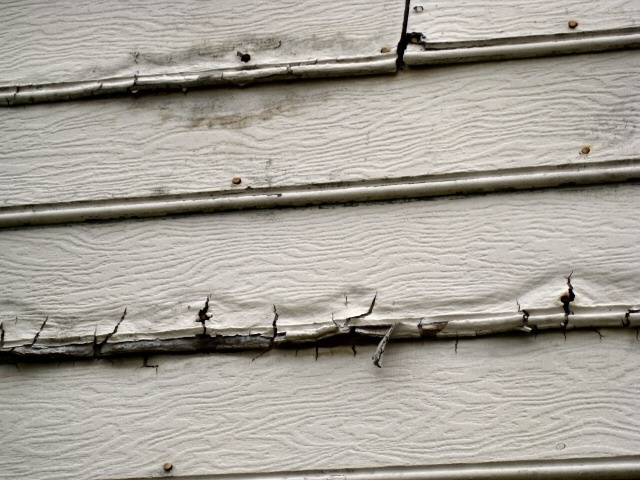
Visible Damage: Examine the LP siding closely for visible signs of damage. These may include cracks, warping, or peeling paint. Such visible damage is a clear indication that the siding may not be performing as intended. Pay attention to any irregularities in the siding’s surface.
-
Swollen Edges: LP siding that has absorbed moisture may develop swollen or raised edges. Run your fingers along the edges of the siding boards, checking for any irregularities or variations in the surface. Swollen edges can be a sign of underlying moisture-related issues.
-
Bubbling or Blistering: Siding that has experienced water infiltration may exhibit bubbling or blistering of the paint or surface. These bubbles can vary in size and appearance but are typically caused by moisture-related problems. Inspect the siding for any areas where the paint or surface appears uneven due to bubbling.
-
Discoloration: LP siding that has absorbed water may show discoloration or staining. Look for areas where the siding appears darker or discolored compared to the rest of the siding. Discoloration is a visual clue that moisture-related issues may be present.
-
Soft or Rotted Areas: Gently press on various sections of the LP siding with your fingertips. If you notice that certain areas feel soft or spongy, or if you can easily push through the material, it may be an indication of rot or structural compromise due to moisture damage. Soft or rotted areas should be addressed promptly.
-
Visible Seams and Joints: Pay close attention to the seams and joints between the siding boards. Inspect these areas for any signs of separation or widening of gaps. An increase in the gaps between siding boards can indicate structural problems and potential water infiltration.
-
Visible Mold or Mildew: Check the surface of the LP siding for any signs of mold or mildew growth. Mold and mildew thrive in damp environments, and their presence is a strong indicator of moisture-related issues. These organisms may appear as dark spots or patches on the siding.
-
Insect Infestations: Inspect the LP siding for signs of insect infestations, such as holes or tunnels. Termites and carpenter ants are known to damage wood siding. If you notice any visible signs of insect activity, it should raise concerns about the integrity of the siding.
-
Caulk and Seals: Examine the caulking and seals around windows, doors, and other openings in close proximity to the LP siding. Cracking, peeling, or deterioration of caulking and seals can contribute to water infiltration. Ensure that these areas are in good condition and effectively repelling moisture.
-
Examine Nearby Areas: Don’t limit your inspection to the siding alone. Check adjacent areas, such as windowsills, trim, and other structural components, for signs of water damage or rot. Moisture-related problems in LP siding can often extend to these surrounding areas, compromising their integrity.
Remember that LP siding issues may not always be visible from the exterior. In some cases, problems may be concealed beneath the surface. That’s why a professional inspection is highly recommended when LP siding is a concern.
Avoidance: To avoid potential issues with LP siding or similar products, follow these steps:
-
Inspection: Conduct a thorough examination of the siding on the property. Look for any visible markings, labels, or indicators that mention LP or Inner-Seal. If you are uncertain about the type of siding, consider consulting with experts or contractors who are experienced in recognizing various siding materials.
-
Disclosure: As a real estate broker, it is your responsibility to ensure that any property you list or show accurately discloses the type of siding used, especially if it’s LP or if there is a history of siding-related issues. Full transparency with potential buyers is essential to maintain trust and avoid legal complications.
-
Documentation: Request documentation from the homeowner or seller regarding any siding replacements or repairs that have been performed on the property. This documentation should include details about the type of siding used and the reason for any replacements or repairs. Being well-informed about the property’s siding history is crucial for both buyers and sellers.
-
Professional Inspection: Encourage potential buyers to hire a professional home inspector who specializes in assessing the condition of siding materials. A qualified inspector can thoroughly examine the siding, identify any existing issues, and provide an objective assessment of its condition. This step can help buyers make informed decisions about the property.
Understanding Engineered Wood Siding: Variability and Innovations
Engineered wood siding is a category of exterior cladding materials that has seen a wide range of products and innovations over the years. It’s important to recognize that not all engineered wood siding is created equal, and the industry has evolved significantly to address past issues and improve performance.
Variability in Engineered Wood Siding:
-
Quality Varies: Engineered wood siding encompasses a diverse array of products, each with its own composition, characteristics, and performance factors. Some are engineered to be highly durable and resistant to environmental factors, while others may have limitations.
-
Past Issues: The industry faced challenges and concerns related to certain products, such as LP Inner-Seal siding. These issues, particularly related to water infiltration and damage, raised awareness about the importance of selecting the right siding material.
LP Smart Side: A Newer Innovation (2001):
-
Introduction of LP Smart Side: In 2001, Louisiana-Pacific (LP) introduced its Smart Side line of engineered wood siding products. This represented a significant step forward in addressing the limitations of previous LP siding products.
-
Innovations and Improvements: LP Smart Side incorporated advancements in materials and manufacturing processes. These innovations aimed to enhance the durability, moisture resistance, and overall performance of the siding.
-
Reduced Likelihood of Issues: LP Smart Side products were designed with features to significantly reduce the likelihood of problems associated with earlier LP siding. These improvements made LP Smart Side a more reliable choice for homeowners and builders.
-
Improved Reputation: Over time, LP Smart Side gained a better reputation within the industry for its quality and reliability. Builders and homeowners began to trust it as a siding option that offered a balance between cost-effectiveness and performance.
Not All Engineered Wood Siding Is Equal:
-
Diverse Choices: Today, homeowners and builders have access to a diverse range of engineered wood siding options from various manufacturers. Each product may have unique attributes, and some have demonstrated excellent performance over the years.
-
Thorough Research: When considering engineered wood siding, it’s essential to conduct thorough research. This includes evaluating the specific product’s track record, reputation, and performance data. Consulting with experts or experienced contractors can also provide valuable insights.
In conclusion, while past issues like the LP class action lawsuit drew attention to concerns within the engineered wood siding industry, it’s important to remember that advancements and innovations have since been introduced. LP SmartSide, introduced in 2001, represents a notable improvement in quality and performance. Today, homeowners and builders have a range of engineered wood siding options to choose from, and careful selection can lead to a siding installation that combines affordability with reliability.
Advantages of Engineered Wood Siding
Engineered wood siding is a versatile and attractive cladding option for residential properties, offering numerous advantages for homeowners:
-
Durability: Engineered wood siding is engineered to be highly durable. It can withstand the rigors of harsh weather conditions, including heavy rain, snow, and extreme temperatures. Unlike traditional wood siding, engineered wood is less prone to issues like warping, splitting, and rotting.
-
Low Maintenance: One of the key benefits of engineered wood siding is its low maintenance requirements. While traditional wood siding may need frequent staining or painting to protect against the elements, engineered wood siding often comes pre-finished and requires only periodic cleaning. This reduces the time and effort homeowners need to invest in upkeep.
-
Energy Efficiency: Engineered wood siding can contribute to improved insulation and energy efficiency in homes. Its insulating properties help regulate indoor temperatures, keeping homes cooler in the summer and warmer in the winter. This can lead to reduced energy consumption and potential cost savings on heating and cooling bills.
-
Aesthetics: Engineered wood siding comes in a variety of styles, textures, and finishes, allowing homeowners to achieve the desired look for their homes. Whether you prefer a traditional or contemporary appearance, engineered wood siding can be customized to match your architectural style and personal taste.
-
Sustainability: Many engineered wood siding products are made from sustainably sourced materials. This appeals to environmentally conscious buyers who are concerned about the ecological impact of their home materials. Look for products that carry certifications like the Forest Stewardship Council (FSC) to ensure responsible sourcing.
-
Cost-Effective: Engineered wood siding provides the classic, natural look of real wood at a more affordable price point. It offers homeowners an economical option to achieve the aesthetic appeal of wood siding without the higher costs associated with solid wood. This cost-effectiveness can make it an attractive choice for budget-conscious homeowners.
Considerations When Choosing Engineered Wood Siding
When evaluating engineered wood siding for a property, several important considerations should guide your decision-making process:
-
Product Reputation: Research the manufacturer and the reputation of the specific engineered wood siding product you are considering. Look for customer reviews, testimonials, and ratings to gauge its reliability and quality. A well-established and reputable manufacturer is more likely to provide a dependable product.
-
Climate Suitability: Choose engineered wood siding that is suitable for the climate in your region. Consider factors such as humidity levels, annual rainfall, temperature fluctuations, and exposure to extreme weather conditions. Some siding products may perform better in specific climates, so ensure that your choice aligns with your local weather patterns.
-
Installation: The proper installation of engineered wood siding is essential for its performance and longevity. Ensure that experienced professionals handle the installation to avoid common issues such as improper fastening, gaps, or water infiltration. Hiring certified siding contractors can help guarantee a high-quality installation.
-
Warranty: Review the manufacturer’s warranty for the engineered wood siding product. Understand the warranty’s coverage, duration, and any conditions that may apply. Additionally, inquire about any warranties or guarantees offered by the contractor responsible for the installation. A solid warranty can provide peace of mind regarding the durability and quality of the siding.
-
Maintenance: Familiarize yourself with the maintenance requirements of the chosen engineered wood siding product. While engineered wood siding is generally low-maintenance compared to traditional wood siding, it still requires periodic care. Ensure that the maintenance needs align with the homeowner’s preferences and capabilities. This may include occasional cleaning, inspections for damage, and, if necessary, repainting or restaining.
Engineered wood siding is a versatile and cost-effective exterior cladding option that offers durability, aesthetics, and sustainability. However, it’s crucial to be aware of potential issues like the LP class action lawsuit and to choose products carefully. By understanding the advantages and considerations of engineered wood siding, homeowners and real estate brokers can make informed decisions when it comes to property investment and siding choices.
Failed Engineered Wood Siding