
Central Air Conditioning
Central Air Conditioning
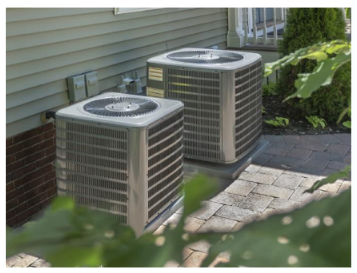
Central air conditioning, often referred to as central A/C, is a top-tier cooling solution that can greatly enhance your comfort at home. In this client-friendly guide, we’ll demystify central A/C systems, helping you understand how they work and why they’re an excellent choice for a cool, comfortable living environment.
Understanding Central A/C Components
Understanding the components and functionality of a central air conditioning (A/C) system is essential for ensuring a comfortable and efficient home environment. The system comprises two primary units—the outdoor unit (condenser) and the indoor unit (air handler)—each playing a critical role in the cooling process. Here’s a closer look at how these components work together to maintain cool and comfortable indoor temperatures:
Outdoor Unit (Condenser)
The outdoor unit of a central air conditioning system, often referred to as the condenser unit, is pivotal in the cooling process that keeps your home comfortable. Understanding how this unit functions can provide insights into the overall efficiency and operation of your air conditioning system. Here’s a detailed look at its components and their roles in the refrigeration cycle:
Compressor
-
Function: The compressor is the powerhouse of the air conditioning system. It pumps refrigerant through the system under increased pressure. This process is fundamental because it moves the refrigerant to the condenser coils where the next phase of cooling occurs.
-
Impact on Cooling: The efficiency of the compressor directly affects the system’s ability to cool your home. A well-functioning compressor ensures that the refrigerant circulates effectively, maintaining the desired indoor temperatures.
Condenser Coils
-
Function: Located within the outdoor unit, the condenser coils play a critical role in heat expulsion. When the high-pressure, heated refrigerant arrives at the condenser coils, it releases its heat to the outside air—a key step that allows the refrigerant to cool down and change from a gas to a liquid.
-
Impact on Cooling: The condition and cleanliness of the condenser coils are vital for the system’s efficiency. Dirty or damaged coils can hinder the heat release process, causing the system to work harder and potentially leading to increased energy consumption and decreased cooling capacity.
Fan
-
Function: The fan in the outdoor unit works to move air across the condenser coils, facilitating the efficient release of heat. By expelling the warm air, the fan helps to cool down the refrigerant more quickly.
-
Impact on Cooling: The effectiveness of the fan contributes to the overall efficiency of the heat exchange process. A malfunctioning fan can result in inadequate cooling and overheat the system, leading to potential breakdowns.
Heat Exchange Process
-
Cycle of Cooling: The refrigerant’s journey is a continuous loop. It begins in the outdoor unit, absorbing heat from the indoor air at the evaporator coil, then moving outdoors where that heat is expelled. Once cooled, the refrigerant returns indoors, ready to absorb more heat. This cycle repeats as needed to maintain the desired indoor temperature.
-
Efficiency and Comfort: The efficiency of this heat exchange process is crucial for the air conditioning system’s ability to cool your home effectively. Proper maintenance of the outdoor unit, including regular cleaning of the condenser coils and ensuring the fan is in good working order, is essential for optimal performance.
Indoor Unit (Air Handler)
The indoor unit, or air handler, of a central air conditioning system plays a pivotal role in delivering comfort to your home. It works in tandem with the outdoor unit to complete the air conditioning cycle, providing cool, dehumidified air to every corner of your living space. Here’s a closer look at the key components of the indoor unit and how they contribute to the cooling process:
Evaporator Coil
-
Function: The evaporator coil is the site where the refrigerant absorbs heat from the indoor air. As warm air passes over the cold coils, the refrigerant inside the coils captures the heat, cooling the air. This component is also instrumental in removing humidity from the air, as moisture condenses on the cold surface of the coils and is drained away.
-
Impact on Comfort: The efficiency of the evaporator coil directly affects the air conditioner’s ability to cool and dehumidify the indoor air, making it a critical component for maintaining comfortable indoor temperatures and humidity levels.
Blower Fan
-
Function: After the air is cooled and dehumidified by the evaporator coil, the blower fan propels this cool air into the home’s ductwork, distributing it throughout the various rooms. The fan’s speed and efficiency ensure that cooled air is evenly and effectively circulated.
-
Impact on Cooling Distribution: The blower fan’s performance is essential for achieving uniform cooling across all areas of the home. Inconsistent fan operation can lead to uneven cooling, with some rooms feeling cooler than others.
Air Filter
-
Function: Positioned at the intake of the air handler, the air filter traps dust, pollen, pet dander, and other airborne particles, preventing them from entering the air conditioning system and being recirculated throughout the home.
-
Health and Air Quality: Regularly changing or cleaning the air filter is crucial for maintaining indoor air quality and preventing airflow restrictions that can reduce the system’s efficiency and lifespan.
Temperature and Humidity Control
-
Balanced Environment: The combination of cooling and humidity control provided by the air handler’s components ensures that the indoor environment remains comfortable, regardless of the outdoor weather conditions. By effectively removing excess heat and moisture, the air handler helps create a balanced, comfortable indoor climate.
The synergy between the outdoor and indoor units of a central A/C system creates a continuous cycle of cooling, where warm indoor air is cooled and dehumidified before being recirculated. This efficient process ensures that your home remains a refreshing oasis, especially during the hot summer months. Understanding these components allows homeowners to better appreciate the complexity and efficiency of their central A/C system, ensuring they can maintain it properly for optimal performance.
Why Central A/C is the Cream of the Crop
Central A/C offers several benefits that make it stand out:
-
Consistent Comfort:
-
Even Cooling: Central A/C excels at maintaining consistent temperatures throughout your home, eliminating hot spots or uneven cooling that you might experience with other cooling methods like window units.
-
Total Home Cooling: Every room in your home receives the same level of cooling, ensuring that no space is left uncomfortably warm.
-
-
Energy Efficiency Excellence:
-
Efficiency Champion: Central A/C systems are designed for energy efficiency, which means lower utility bills compared to less efficient cooling options.
-
Precision Control: Many central A/C systems offer programmable thermostats, allowing you to fine-tune your cooling schedule for energy savings and cost reduction.
-
-
Better Air Quality:
-
Cleaner Air: Central A/C systems come with air filters that help remove allergens and pollutants, resulting in improved indoor air quality.
-
Humidity Control: These systems are also great at reducing indoor humidity, preventing discomfort and mold growth.
-
-
Property Value Boost:
-
High Demand: Homes with central A/C are often in high demand and can fetch higher market prices. They offer modern, comfortable living that appeals to buyers.
-
Modern Living: Central A/C aligns perfectly with today’s lifestyle, making it a desirable feature for homeowners.
-