Traditional Boiler and Radiator Systems in Real Estate
Traditional Boiler and Radiator Systems
Steam Boilers
How They Work:
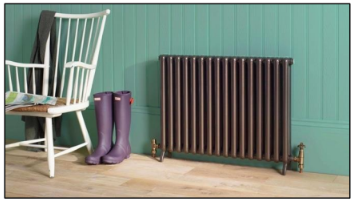
Steam boilers operate by boiling water to produce steam. This steam is then distributed through pipes to various radiators in the home, releasing heat and warming the rooms. The high heat capacity of steam ensures efficient heat transfer.
Return to the Boiler:
After releasing heat, the steam condenses back into water and returns to the boiler. This closed-loop system conserves water and energy by recycling the same water repeatedly.
Historical Context:
Steam boilers are often found in older or historic homes, adding a touch of historical charm and authenticity to these properties.
Modern Hot Water Radiators
Circulation Process:
Modern hot water radiator systems use hot water as the heating medium. The water is heated in the boiler and circulated through radiators by electric pumps, providing steady and even heat distribution.
Efficient Heat Distribution:
This method ensures consistent and even heat distribution, offering greater comfort compared to forced-air heating systems.
Advancements:
Modern hot water radiators are designed to be more energy-efficient, with improved insulation and reduced heat loss. They also provide superior temperature control.
Broker Tips: Communicating the Value
-
Energy Efficiency Discussions: Emphasize the energy efficiency of these systems and the potential cost savings on utility bills.
-
Historical Appeal: For steam boiler systems, highlight their historical significance and how they enhance the property’s character, appealing to heritage home enthusiasts.
-
Maintenance Insights: Discuss the importance of regular maintenance for longevity and efficiency, and recommend reputable service providers if necessary.
-
Upgrades and Modernization: For hot water radiator systems, mention any upgrades or modernizations made, as these can be significant selling points.
Pros
Comfortable Radiant Heat:
Radiators provide even, radiant heat distribution, eliminating uneven temperature swings often experienced with forced-air systems. They also maintain a more comfortable humidity level.
Energy Efficiency with Modern Boilers:
Newer boiler models are highly energy-efficient, using less fuel and converting more of it into usable heat. This can lead to significant savings on heating bills.
Aesthetic and Historical Appeal:
Cast iron radiators have a classic look that adds to the aesthetic appeal, particularly in historic homes or properties with traditional décor. Original radiator systems in historic homes can be a selling point, highlighting the property’s authenticity and period features.
Cons
Aesthetic Limitations:
Radiators take up floor space and can impact furniture arrangement. Some buyers may find them visually unappealing or outdated, especially in modern interiors.
Incompatibility with Air Conditioning:
Homes with boiler and radiator systems often require a separate air conditioning system, which can increase costs and complexity, particularly in warmer climates or for those seeking integrated HVAC solutions.
Maintenance Considerations:
Older radiator systems in historical homes may require more complex and costly maintenance due to their age and design. Finding technicians skilled in servicing older radiator systems can also be challenging and potentially more expensive.
Broker Insights: Communicating with Clients
-
Highlighting the Pros: Emphasize the comfort and efficiency of modernized systems and the charm of historical features.
-
Addressing the Cons: Be upfront about potential limitations, including aesthetic considerations and the need for separate air conditioning systems.
-
Maintenance Expectations: Inform potential buyers about typical maintenance requirements and suggest a thorough inspection of older systems during the buying process.
System Identification
-
Visual and Auditory Clues: Look for classic cast iron radiators and listen for sounds of water or steam moving through pipes.
-
Boiler Location: Find the boiler, typically located in basements or utility rooms, to confirm the heating system type.
Energy Efficiency Assessment
-
Inquiring About the Boiler: Ask about the boiler’s age, model, and request maintenance records to assess its condition and efficiency.
-
Efficiency Rating: Check for the boiler’s energy efficiency rating, if available, to determine its cost-effectiveness.
Understanding Retrofitting
-
Challenges and Costs: Understand the retrofitting needs, including complexities and costs associated with retrofitting old radiator systems, especially for air conditioning.
-
Alternative Cooling Solutions: Consider options like ductless air conditioning systems in homes with radiator heating.
Client Advising
-
Highlighting Radiant Heat Comfort: Explain the even and comfortable heat distribution radiators provide and how they maintain better indoor air quality.
-
Discussing Limitations: Address how radiators can impact room design and potential modernization options for improved efficiency and functionality.