
Wood Stoves
Wood Burning Fireplaces
-
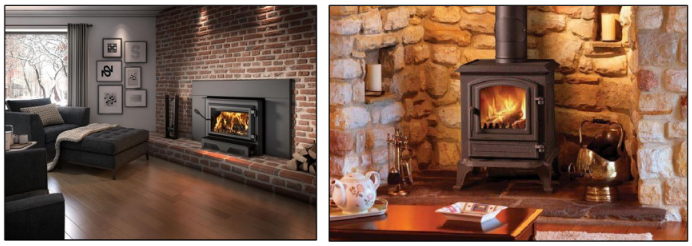
Burning Logs in Open Firebox: The open firebox, where logs are placed and burned, is the centerpiece of a wood burning fireplace. Its design, typically lined with firebrick or other heat-resistant materials, is essential for safe fire containment and to facilitate adequate airflow, which is critical for effective combustion.
-
Chimney Function: The chimney is pivotal in expelling smoke and gases from the burning wood. It operates on the principle of thermal draft, where hot air rises, drawing cooler air into the firebox, thus fueling the flames efficiently. This cycle is key to ensuring efficient burning and minimizing smoke spillage into the room.
-
Ambiance Factor Expanded: The visual experience of flickering flames in a wood burning fireplace offers a dynamic and ever-changing display that significantly contributes to the ambiance of a room. The interplay of light and shadow creates a warm, inviting atmosphere, often serving as the focal point in gatherings. Complementing this visual allure is the characteristic crackling sound of burning wood and the distinct woodsy scent, which collectively enhance the sensory experience, evoking comfort and nostalgia often associated with family gatherings, holidays, and tranquil evenings.
-
Heat Distribution Details: The radiant heat emitted from a wood burning fireplace warms a room in a more organic manner compared to forced-air systems. This type of heat is absorbed by objects and surfaces in the room, which then radiate the warmth back into the space, creating an environment that is comfortably heated. The distribution of heat from a wood burning fireplace can result in a room feeling more comfortably warm, even at a lower air temperature, as compared to forced-air heating systems that might create uneven temperature zones and a drier atmosphere.
-
Efficiency and Upkeep Considerations: When considering heat output and fuel efficiency, wood burning fireplaces are generally less efficient than modern stoves or pellet burners. A considerable portion of the heat generated in a wood burning fireplace is lost up the chimney, which detracts from its effectiveness as a primary heat source. Regular cleaning of the firebox is vital to maintain airflow and efficiency. Accumulated ash, if not removed, can impede necessary air circulation for efficient burning. Annual professional inspections of the chimney are also crucial for ensuring safety. These inspections involve checking for creosote buildup—a common by-product of wood burning that can pose a fire hazard if not regularly cleaned. The inspections also ensure that the chimney is structurally sound and free of blockages, which is important to prevent dangerous situations such as carbon monoxide backflow into the home. Proper maintenance, including the use of dry, seasoned wood and ensuring good combustion, is essential to enhance the fireplace’s efficiency, although it will still fall short in efficiency compared to closed-system burners like stoves or pellet stoves.
Wood Burning Stoves
-
Material and Construction: Wood burning stoves are commonly made from heavy-duty materials such as cast iron or steel. These materials are chosen for their durability and their significant role in heat retention and radiation. The robust construction of wood burning stoves contributes to their longevity and ability to effectively radiate heat.
-
Controlled Combustion Chamber: The design of wood burning stoves features an enclosed combustion chamber, equipped with airtight doors and adjustable air vents. This controlled environment allows for more efficient combustion compared to open fireplaces. The design is focused on maximizing heat output while minimizing heat loss, making these stoves more efficient in heating a space.
-
Enhanced Heat Output and Distribution: One of the key advantages of wood burning stoves over traditional fireplaces is their ability to emit warmth from all sides. This all-side radiation significantly enhances their capacity to uniformly heat a space. Additionally, many modern wood stoves are equipped with built-in or add-on blower fans. These fans are designed to help circulate the warm air throughout the room or adjoining spaces, ensuring a more even distribution of heat and faster warming of the area. This feature is particularly beneficial in larger rooms or spaces where even heat distribution is desired.
-
Fuel Efficiency Aspects: The design of wood stoves aims to extract maximum heat from the wood used as fuel. This efficiency means that less wood is required to achieve the desired room temperature compared to traditional fireplaces. As a result, fewer logs are burned over the course of a heating season, leading to cost savings for homeowners. Additionally, the efficient burn of wood stoves results in less ash production and fewer emissions, making them a more environmentally friendly heating option.
-
Installation and Maintenance Insights: The installation of wood burning stoves is a process that requires careful consideration of various safety and efficiency factors. This includes ensuring there is adequate clearance from combustible materials, proper ventilation, and the installation of a flue that adheres to local building codes. In some cases, certain models of wood stoves may also require a dedicated external air supply to optimize combustion. The surface on which the stove is placed must be heat-resistant to prevent any risk of fire and to comply with safety standards. Regular maintenance of wood stoves is essential to maintain their efficient operation. This maintenance routine typically includes removing ash to maintain good airflow for combustion, inspecting the door gasket to ensure it is properly sealed, and checking for any signs of wear or damage. Regular cleaning of the stovepipe and chimney is also vital to remove soot and creosote, a by-product of wood burning that can accumulate and pose a risk of chimney fires. To ensure the stove and its venting system are functioning safely and efficiently, annual inspections by a certified professional are recommended. These regular check-ups can identify potential issues before they become serious problems, thereby ensuring the longevity and safe operation of the stove.
Pellet Stoves
-
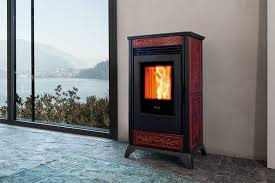
Innovative Operation Mechanism: Pellet stoves represent a modern advancement in wood burning technology. They incorporate a mechanized process where compressed wood pellets are automatically fed from a storage hopper into a burn pot. This automated feeding system eliminates the manual effort typically associated with adding fuel in traditional wood stoves or fireplaces. The feeding rate of the pellets can be regulated by a thermostat, allowing for precise control over the temperature of the stove. This feature enables the stove to adjust the pellet feed rate to maintain a consistent desired temperature, functioning similarly to a modern central heating system.
-
Advanced Energy Efficiency: Pellet stoves are designed and engineered to achieve high efficiency in combustion. They are capable of burning the pellets completely, thereby extracting maximum heat with minimal waste. This high level of combustion efficiency is reflected in the higher heat output per unit of fuel that these stoves provide compared to traditional wood burning options. Additionally, pellet stoves burn so cleanly that they produce very little ash. The emissions from these stoves are significantly lower than those from conventional wood stoves, making pellet stoves an environmentally friendlier choice for home heating.
-
User-Friendly and Convenient Features: Pellet stoves offer several features that enhance their user-friendliness and convenience. Many models are equipped with programmable thermostats, allowing users to set heating schedules to optimize comfort and fuel usage. For example, a stove can be programmed to start heating the home before the residents arrive, ensuring a warm environment upon their arrival. Features like remote controls further enhance the convenience of these stoves, enabling users to adjust the stove’s settings without needing to physically interact with the stove itself. Pellet stoves are known for providing a steady, consistent heat output. This consistency avoids the peaks and troughs in heat output that are often associated with traditional wood stoves, where the level of heat can vary depending on the burn rate of the logs.
-
Fuel Storage and Economic Considerations: The fuel for pellet stoves, which are compressed wood pellets, is typically sold in bags. These pellets are compact and easy to store, requiring significantly less storage space than traditional logs and offering a cleaner storage solution. While pellet stoves are highly efficient in their fuel usage, the cost of pellets can vary based on geographic location and market fluctuations. However, the efficiency of these stoves often balances out the cost factor, making them an economically viable option for home heating. The availability of pellets is generally widespread in most regions, but it is important for users to consider the stability of the supply in their specific area, especially in rural locations or in places where pellets are not as commonly used as a fuel source.
-
Real Estate Perspective: From a real estate perspective, pellet stoves can be an attractive selling point for modern homes or for homes where a balance between tradition and convenience is sought. They offer the charm and ambiance of wood burning but with the added convenience of modern technology. The energy efficiency and eco-friendliness of pellet stoves can be particularly appealing in markets where environmental concerns are a priority among homebuyers. As a real estate broker, it is important to educate potential buyers about the operation, maintenance, and benefits of pellet stoves. This education can enhance the appeal of these stoves and help clients make informed decisions when considering a home with a pellet stove.
Comparative Insights for Real Estate Brokers
-
Client Preference and Lifestyle Match:
-
Fireplaces: Ideal for clients who cherish the traditional fireplace experience and prioritize the visual and sensory ambiance over heating efficiency. These clients typically enjoy the ritual of building and tending to a fire and value the aesthetic charm of a classic fireplace in their living space.
-
Wood Stoves: Suited for individuals who appreciate the rustic warmth of a wood-burning unit but desire more heat output and efficiency. These clients often enjoy the wood-burning experience but seek the added benefits of better heat distribution and fuel efficiency that wood stoves offer.
-
Pellet Stoves: Optimal for clients seeking the warmth of wood heating combined with modern conveniences like automation and programmability. These clients are typically busy individuals or those who prefer a hands-off approach to heating without sacrificing the homely feel of a wood burner.
-
-
Highlighting Unique Features in Listings:
-
Fireplaces: When marketing properties with wood burning fireplaces, the focus should be on emphasizing the architectural elegance and the romantic ambiance of real flames. Highlighting how a fireplace can serve as an attractive focal point in a room can potentially increase the property’s aesthetic value.
-
Wood Stoves: In listings featuring wood stoves, the enhanced efficiency and effective heat distribution should be highlighted, positioning them as a practical yet charming heating solution. The cozy atmosphere that a wood stove can create, along with its ability to serve as a rustic decorative element, should also be emphasized.
-
Pellet Stoves: For properties with pellet stoves, the focus should be on featuring the modern aspects like automated fuel feeding, ease of use, and the environmentally friendly nature of these stoves. The convenience of programmable thermostats and remote controls should be emphasized, appealing to tech-savvy clients or those seeking a contemporary twist on traditional heating.
-
-
Maintenance and Safety Discussions:
-
Fireplaces and Wood Stoves: It is important to stress the need for regular maintenance, including annual chimney cleaning and inspections, to prevent creosote buildup and ensure safe operation. Advising clients on safe usage practices, such as using a fire screen and ensuring proper ventilation, is also crucial.
-
Pellet Stoves: For pellet stoves, the lower maintenance requirements compared to traditional wood burners should be emphasized. However, clients should be reminded of the need to regularly stock pellets and perform basic ash disposal. Discussing the importance of following manufacturer guidelines and regular servicing to ensure optimal and safe operation of pellet stoves is also important.
-
-
Energy Efficiency and Environmental Impact:
-
When discussing the various wood burning options, the varying levels of energy efficiency should be addressed. Pellet stoves typically offer the highest efficiency, followed by wood stoves, with traditional fireplaces being the least efficient. Explaining how the efficiency of each heating option can impact utility costs, particularly in regions with colder climates, is important. The environmental impact of each option should also be addressed. Highlighting how pellet stoves use renewable resources and produce fewer emissions, making them a more eco-friendly option compared to traditional wood burning fireplaces and stoves, is crucial.
-