In-Floor Radiant Heating Systems
In-Floor Radiant Heating Systems
How It Works
Direct Heating:
In-floor radiant heating systems operate by directly heating the objects and materials in a room. This is in contrast to forced-air systems, which primarily heat the air.
Water-Based System:
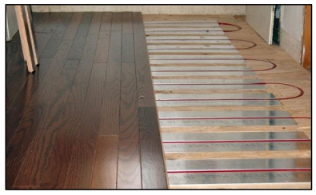
These systems typically use hot water as the heat transfer medium. The hot water is generated by either a boiler or a water heater and circulates through durable plastic tubing. This tubing is installed within concrete slabs or beneath wood floors, creating a network of heat distribution.
Components
Tubing:
The conduit for hot water in radiant heating systems is typically made of durable plastic, such as PEX tubing. This tubing is crucial for conveying heat to the floor.
Heat Source:
A boiler or a water heater serves as the heat source in these systems. It generates the heat that is then transferred to the water in the system.
Heat Distribution and Efficiency
Even and Comfortable Heat:
One of the remarkable features of radiant heating is its ability to provide even and comfortable heat distribution. The entire floor essentially becomes a radiator, ensuring consistent warmth from the floor up. This eliminates cold spots and creates a comfortable living environment.
Energy Efficiency:
Radiant heating systems are known for their energy efficiency. They can operate effectively at lower temperatures compared to traditional heating systems, potentially resulting in energy cost savings. Many radiant systems also offer zoning capabilities, allowing homeowners to heat only the areas in use, further enhancing efficiency.
Advantages for Real Estate Clients
Comfort and Health Benefits:
Radiant heating systems offer several advantages for comfort and health-conscious clients. They reduce the circulation of dust and allergens since there’s no forced air movement. Additionally, these systems are particularly effective under hard surfaces like tile and stone, making typically cold floors comfortably warm.
Aesthetic and Design Freedom:
From a design perspective, radiant heating is highly advantageous. The entire system is hidden beneath the floor, leaving no visible components to interfere with interior design or furniture placement. This eliminates the need for radiators or vents, freeing up wall space and offering greater design flexibility.
Installation and Maintenance Considerations
Installation Aspects:
It’s important to note that radiant heating systems are best installed in new construction or during major renovations due to the complexity of installation. Additionally, installation can raise the height of the floor, which may impact door clearances and fixed cabinetry.
Maintenance and Longevity:
Radiant heating systems typically require less maintenance than forced-air systems due to their fewer moving parts. Moreover, they are known for their durability and can have longer lifespans, providing long-term benefits to homeowners.
Broker’s Tips for Showcasing Homes with Radiant Heat
To effectively showcase homes with radiant heating, consider the following tips:
-
Highlight Comfort and Efficiency: Emphasize the system’s comfort and efficiency, especially in homes with large tile or stone areas.
-
Discuss the Eco-Friendly Aspect: Point out the system’s potential for lower energy usage.
-
Prepare for Common Questions: Be ready to answer queries about the system’s operation, maintenance, and impact on flooring choices.
Pros
Comfortable and Consistent Heat:
Radiant heating systems provide even heat distribution, eliminating cold spots and offering consistent room warmth. They are especially pleasant under hard flooring surfaces like tile.
Energy Efficiency:
These systems operate efficiently at lower temperatures compared to traditional heating systems, potentially resulting in energy cost savings. Zoning control allows homeowners to further enhance energy efficiency.
Improved Air Quality:
Reduced air movement means fewer dust and allergens are circulated, which is ideal for allergy sufferers. Radiant heating also helps maintain more consistent humidity levels compared to forced-air heating.
Aesthetic and Design Benefits:
Radiant heating systems are hidden beneath the floor, offering more design freedom and eliminating the need for radiators or vents. This enhances interior design flexibility.
Cons
Installation Complexity and Cost:
Radiant heating systems are typically more expensive to install than traditional heating systems, particularly in retrofit situations. Installation can also raise the floor height, affecting door clearances and fixed cabinetry.
Slow Temperature Adjustment:
These systems take longer to heat up and adjust to temperature changes compared to forced-air systems, making them less ideal for rapidly changing temperatures or short-term heating needs.
Maintenance and Repair Considerations:
Complex repairs can be challenging as the heating elements are embedded in the floor, potentially requiring floor removal. Additionally, any issues with the home’s boiler or water heater can directly affect the heating system.
Limited Cooling Options:
Radiant floors typically provide heating only, necessitating a separate system for air conditioning.
Broker Insights
To effectively guide clients in their decision-making process, consider the following insights:
-
Cost vs. Comfort: Weigh the higher installation cost against the long-term comfort and energy savings.
-
Highlight Health Benefits: Emphasize improved air quality and comfort, particularly appealing to health-conscious buyers.
-
Retrofitting Challenges: For buyers considering adding radiant heating to an existing home, discuss the potential challenges and costs involved.
System Identification and Features
-
Recognize Radiant Heating: Learn to identify signs of in-floor radiant heating, such as the absence of radiators or air vents and the presence of thermostats indicating radiant floor heating.
-
Highlighting Comfort: During showings, point out the presence of radiant heating, especially in rooms with tile or stone floors, emphasizing the underfoot warmth and comfort.
Efficiency and Cost-Benefit Analysis
-
Discuss Energy Efficiency: Inform clients that radiant heating can be more energy-efficient than traditional heating systems, potentially leading to lower utility bills.
-
Upfront Costs vs. Long-Term Savings: Emphasize the long-term savings on energy bills and increased comfort level, despite the higher installation cost.
Health and Aesthetic Advantages
-
Improved Air Quality: Explain that radiant heating helps in maintaining better air quality by reducing the circulation of dust and allergens.
-
Interior Design Freedom: Highlight the aesthetic benefits, such as no obtrusive radiators or vents, offering more freedom in interior design and furniture placement.
Retrofitting and Maintenance
-
Retrofit Considerations: If clients are considering retrofitting a property with radiant heating, advise them on the potential complexities and costs involved.
-
Maintenance Insights: Assure clients that radiant heating systems generally require less maintenance, but any repairs may involve more work due to their embedded nature in floors.
Advising Buyers and Sellers
-
For Buyers: Suggest a thorough inspection of the system to assess its condition. Discuss the lifestyle and comfort benefits, as well as the potential for energy savings.
-
For Sellers: Recommend highlighting the presence of radiant heating as a selling point, especially in markets where this feature is sought after.
Additional Insights
-
Advanced System Recognition: Look for control zones and identify the heat source, as these factors can impact the system’s efficiency and functionality.
-
Longevity and Sustainability: Radiant heating systems, when properly installed and maintained, have a long lifespan and offer eco-friendly heating options.
-
Comfort Beyond Heat: Radiant floors provide year-round comfort and operate silently, appealing to clients sensitive to noise.
-
Installation and Retrofitting Specifics: Discuss flooring compatibility and the impact of installation on floor height.
-
Market Appeal and Value: Highlight the potential increase in property value and market differentiator.
-
Client Consultation: Tailor advice based on client needs and preferences, considering cost analysis and lifestyle factors.
-
Professional Networking: Connect with HVAC professionals for consultations and stay updated on the latest technology.