
Crawlspace
Types of Crawl Spaces
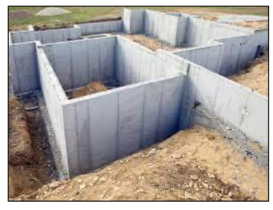
Vented Crawl Spaces:
-
Description: Vented crawl spaces are designed with openings or vents that allow outside air to circulate beneath the home. These vents are typically positioned along the foundation walls.
-
Benefits: The primary advantage of vented crawl spaces is that they facilitate natural ventilation. Air from the outside enters through the vents, helping to control moisture levels and prevent the buildup of humidity. This can be particularly beneficial in areas with high humidity levels.
-
Considerations: While vented crawl spaces can effectively manage moisture, they may be less energy-efficient in extreme weather conditions. In regions with cold winters or hot summers, the outdoor air entering the crawl space can lead to temperature fluctuations within the home.
Closed (Conditioned) Crawl Spaces:
-
Description: Closed crawl spaces, also known as conditioned crawl spaces, are sealed off from the external environment. They are often designed with a vapor barrier on the ground and insulation on the walls. Additionally, HVAC conditioning may be extended into the space.
-
Benefits: Closed crawl spaces offer several advantages, including enhanced energy efficiency. By sealing off the crawl space from outdoor air, they help maintain more stable temperatures within the home. This can result in reduced heating and cooling costs.
Considerations: Proper sealing and insulation are crucial in closed crawl spaces to prevent moisture problems. Without adequate sealing, moisture can become trapped within the space, leading to mold, mildew, and wood rot. Additionally, homeowners must ensure that the HVAC system is appropriately extended into the crawl space to achieve the desired indoor air quality benefits.
Exterior Observation:
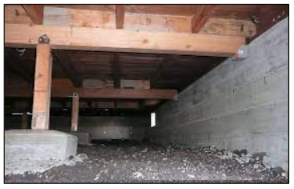
-
Low Foundation Height: Crawl spaces typically result in a lower overall profile for the house. When approaching the property from the exterior, you may notice that the house sits closer to the ground compared to homes with basements or raised foundations.
-
Vents or Openings: Look for vents or small openings around the foundation perimeter. Vented crawl spaces often have screens or grates covering these openings to allow air circulation. These vents are a common feature of crawl spaces with natural ventilation.
-
Access Doors: Check if there are access doors along the exterior of the house near ground level. These doors are designed for entry into the crawl space and are typically square or rectangular with a latch or handle.
Interior Observation:
-
Floor Level Consistency: When inside the property, pay attention to the consistency of the floor level throughout the house. Crawl spaces maintain a uniform floor level, which differs from properties with multiple levels or basements that have noticeable steps or elevation changes.
-
Absence of Basement or Staircases: Unlike properties with basements, crawl space homes lack staircases leading to a lower level. Ensure there are no staircases or access points leading below ground level within the property.
-
Utility Placement: Observe the location of utility connections, such as water meters, gas lines, or electrical panels. In homes with crawl spaces, these utilities are often installed near the surface or directly within the crawl space.
-
Lack of Basement Windows: Check for the absence of windows below ground level. Crawl spaces typically do not have windows or window wells, while basements may have them for natural light.
Examine the Perimeter:
-
Concrete Block or Pier Foundation: Inspect the foundation type. Crawl spaces are often constructed with concrete block walls or concrete piers, which elevate the house slightly off the ground.
-
Exposed Foundation Walls: Look for exposed foundation walls extending above ground level. In crawl spaces, you may notice a visible foundation wall that acts as a boundary.
Crawl Space Access Points:
-
Access Hatch: If possible, check for an access hatch or door within the property. These access points are used to enter the crawl space for maintenance and inspections. They are typically located in utility rooms, closets, or exterior areas close to the foundation.
Benefits of Crawl Spaces
Access to Utilities:
Crawl spaces provide easy access to plumbing, electrical, and HVAC systems for maintenance and repairs. This accessibility is particularly valuable in regions like Western Washington, where weather conditions can be unpredictable. Homeowners can swiftly address issues such as leaky pipes, electrical malfunctions, or furnace maintenance without the need for major structural work. This convenience saves both time and money, contributing to the overall ease of homeownership.
Insulation Space:
Crawl spaces provide an opportunity for insulation, which is especially beneficial in areas with diverse temperature ranges like Western Washington. Proper insulation significantly enhances a home’s energy efficiency. By insulating the crawl space, homeowners can reduce heat loss during colder months and maintain cooler indoor temperatures in the warmer seasons. This not only creates a more comfortable living environment but also leads to cost savings on heating and cooling bills. Improved insulation also aligns with sustainability efforts by reducing energy consumption and the home’s carbon footprint.
Moisture Control:
Effective moisture control is crucial in regions with abundant rainfall and high humidity levels, such as Western Washington. Crawl spaces, when properly managed, act as a barrier against moisture intrusion. This is achieved through moisture barriers, encapsulation, and well-designed drainage systems. By preventing excess moisture from permeating the home’s foundation, homeowners can avoid a range of issues, including mold growth, wood rot, and structural damage. Maintaining a dry and moisture-controlled crawl space is essential for the longevity and health of the home.
Storage Space:
Crawl spaces can serve as valuable additional storage areas, especially for items that are not frequently used but need to be kept in a controlled environment. In regions like Western Washington, where outdoor recreational equipment, seasonal gear, and gardening tools are common, having extra storage space can be a significant advantage. Homeowners can safely store items like holiday decorations, camping gear, and gardening supplies without cluttering living spaces or relying solely on outdoor sheds. This storage convenience contributes to better organization and utilization of available space within the home.
Common Issues and Considerations for Crawl Spaces
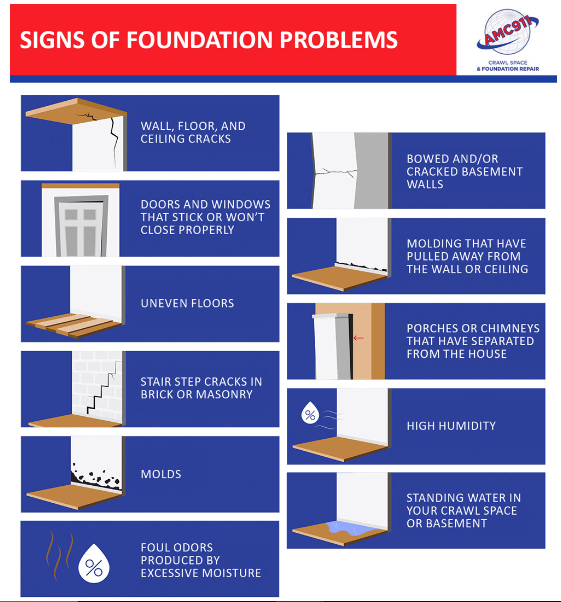
Common Issues and Considerations for Crawl Spaces
Crawl spaces, while valuable components of many homes, are susceptible to various problems that require attention and maintenance. When dealing with crawl spaces, it’s essential to consider these factors:
Moisture Management:
Crawl spaces are prone to excessive moisture, which can lead to mold and mildew growth. Moisture can infiltrate through the soil, foundation walls, or plumbing leaks, especially in regions with high humidity or heavy rainfall. Proper moisture management is crucial for maintaining the structural integrity of the home and indoor air quality. Solutions may include:
-
Drainage Systems: Installing a reliable drainage system, such as French drains or sump pumps, can effectively divert water away from the crawl space.
-
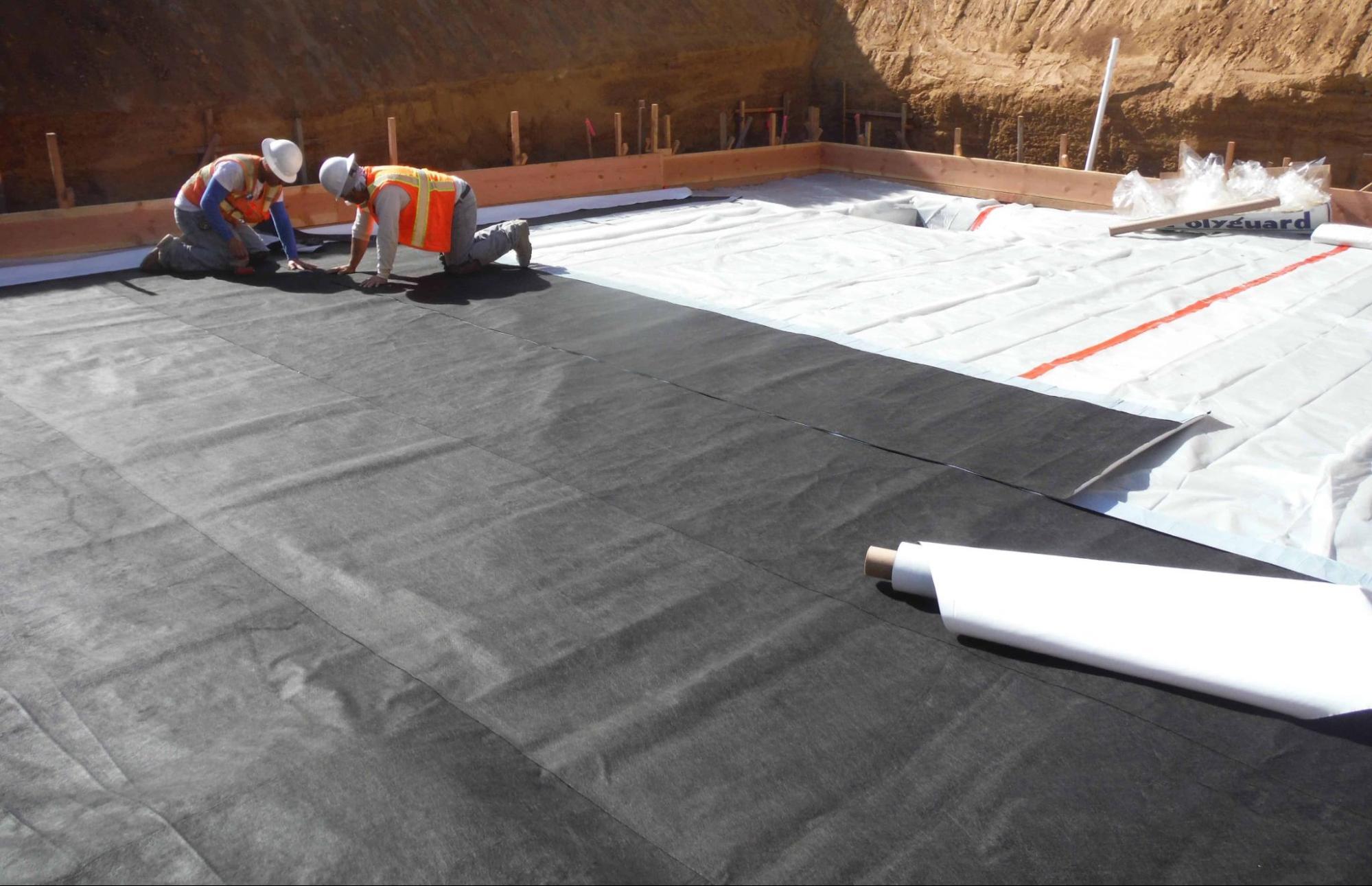
Moisture Barriers: Installing moisture barriers, typically made of polyethylene sheets, on the crawl space floor and walls can prevent moisture from infiltrating the space.
-
Encapsulation: Complete encapsulation involves sealing the crawl space with a vapor barrier, insulating the walls, and conditioning the air inside. This approach provides comprehensive moisture control and enhances energy efficiency.
-
Dehumidification: Using a dehumidifier in the crawl space can help maintain optimal humidity levels and discourage mold growth.
Inadequate control of moisture can compromise indoor air quality, cause structural damage, and lead to health concerns.
Insulation:
Depending on the climate and intended use, crawl spaces may require insulation to prevent energy loss and maintain temperature control. In regions with extreme temperatures, poorly insulated crawl spaces can lead to increased heating and cooling costs. Proper insulation helps maintain consistent indoor temperatures, improving energy efficiency and overall comfort.
-
Types of Insulation: There are various insulation materials available, such as fiberglass, foam board, or spray foam. The choice of insulation depends on factors like climate, local building codes, and the desired level of insulation.
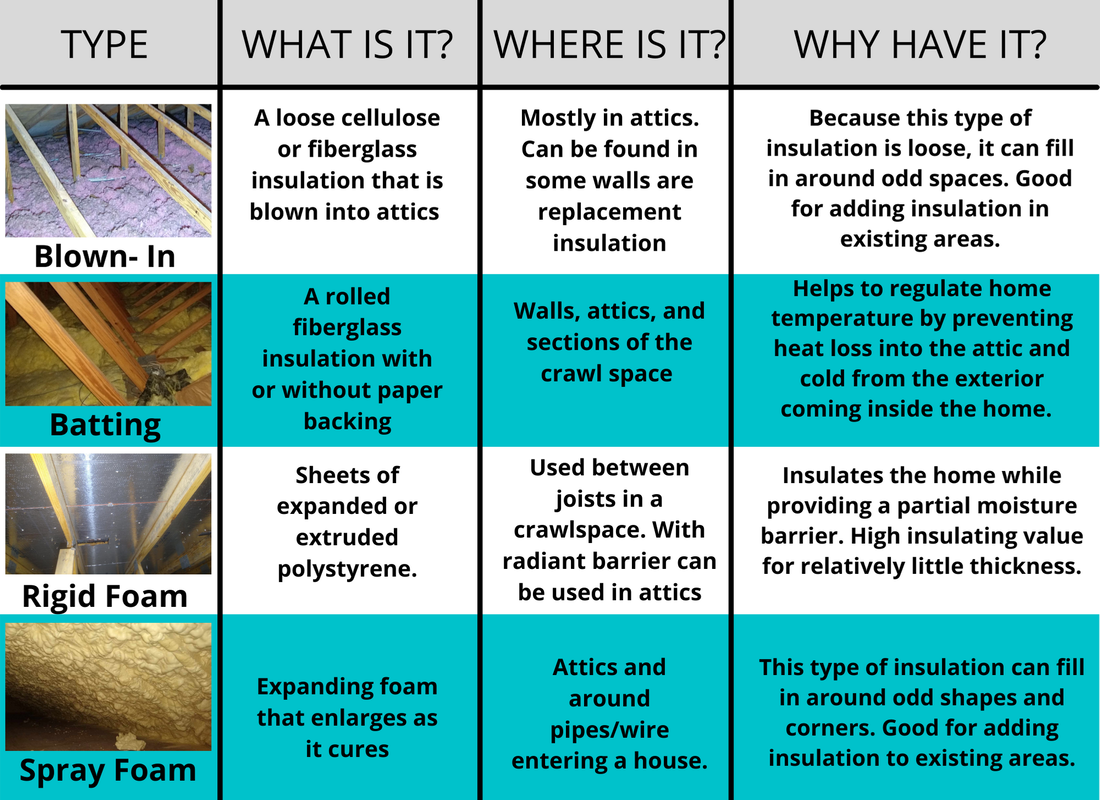
-
Vapor Barrier: Installing a vapor barrier on the crawl space floor can further enhance insulation and moisture control.
Ventilation:
In vented crawl spaces, adequate ventilation is essential to prevent moisture buildup and reduce the risk of mold and mildew growth. Vents should allow for proper air circulation, helping to control humidity levels within the crawl space. However, it’s essential to strike a balance in ventilation to prevent excessive moisture intrusion during humid or rainy periods.
-
Foundation Vents: These vents should be periodically inspected and, if necessary, cleaned to ensure they remain functional.
-
Crawl Space Fans: Installing fans in the crawl space can aid in air circulation and moisture control.
Pest Control:
Crawl spaces can be inviting habitats for various pests, including rodents, insects, and termites. Regular inspections and preventative measures are essential to prevent infestations and structural damage. Consider the following:
-
Sealing Entry Points: Seal any cracks, gaps, or openings in the crawl space’s foundation and walls to prevent pests from entering.
-
Screens: Installing screens or wire mesh over vents and openings can help keep insects and rodents out.
-
Pest Control Services: Consider periodic pest control treatments to deter and eliminate pests.
Radon Mitigation:
In some regions, crawl spaces may be a source of radon gas, a naturally occurring radioactive gas that can infiltrate homes through the soil. Prolonged exposure to radon gas poses serious health risks, including an increased risk of lung cancer. Consider radon testing for crawl spaces and implement mitigation systems if elevated levels are detected to ensure a safe indoor environment.
-
Radon Testing: Periodically test crawl spaces for radon gas to assess the need for mitigation.
-
Radon Mitigation Systems: These systems typically involve the installation of ventilation fans and pipes to redirect radon gas away from the home.
Accessibility:
Ensure that crawl spaces are accessible for maintenance and inspections. Access points should be easily reachable and safe for entry, allowing homeowners, contractors, or inspectors to assess the crawl space’s condition and address any issues promptly.
Maintenance and Inspection of Crawl Spaces
Maintenance and Inspection of Crawl Spaces
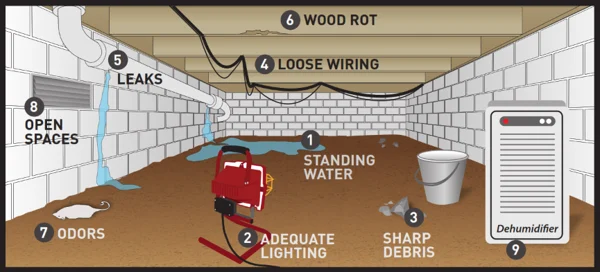
Regular maintenance and inspection of crawl spaces are vital for ensuring the long-term health of your home, preventing potential issues, and preserving the structural integrity of the crawl space itself. Here is an in-depth look at key aspects to consider when maintaining and inspecting crawl spaces:
1. Moisture Management:
-
Visual Inspection: Regularly examine the crawl space for visible signs of moisture. Pay attention to damp spots, water droplets on surfaces, or condensation on pipes. Identifying and addressing the source of moisture promptly is crucial to prevent mold, wood rot, and structural damage.
-
Drainage Maintenance: Check the condition of drainage systems in and around the crawl space. This includes inspecting sump pumps, French drains, and gutters. Ensure that these systems are functioning correctly, free from blockages, and directing water away from the foundation.
-
Moisture Barrier: Inspect the moisture barrier on the crawl space floor and walls. Look for any tears, punctures, or signs of deterioration. The moisture barrier plays a critical role in moisture control. Repair or replace damaged sections as needed to maintain its effectiveness.
-
Dehumidification: In areas with high humidity, consider installing a crawl space dehumidifier. These appliances can help control moisture levels and prevent excessive dampness in the crawl space.
2. Ventilation:
-
Foundation Vents: Inspect the condition of foundation vents. Ensure that they are open and unobstructed to allow for proper air circulation. Clean any debris or vegetation that may have accumulated around the vents.
-
Crawl Space Fans: If your crawl space has fans or exhaust systems, check their operation and cleanliness. Clean or replace fans as necessary to maintain adequate ventilation.
3. Insulation:
-
Visual Inspection: Examine the condition of insulation within the crawl space. Look for signs of damage, displacement, or deterioration. Damaged insulation can lead to energy loss and temperature control issues. Address any insulation problems promptly.
-
Vapor Barrier: The vapor barrier on the crawl space floor is essential for moisture control and insulation. Inspect it regularly for damage and wear. Repair or replace sections that are compromised to maintain its effectiveness.
4. Pest Control:
-
Entry Points: Conduct periodic inspections of the crawl space’s perimeter to identify any openings or gaps that pests could use to enter. Seal cracks, holes, and gaps to prevent pest intrusion.
-
Screens and Mesh: Ensure that screens or wire mesh covering crawl space vents and openings remain intact. Damaged screens can allow pests to access the crawl space, so repair or replace them as needed.
-
Pest Monitoring: Consider using pest monitoring devices or enlisting the services of pest control professionals for regular inspections. Early detection and intervention can prevent infestations from becoming severe.
5. Radon Testing:
-
Regular Testing: If your region is known for radon gas, conduct periodic radon testing in the crawl space to monitor gas levels. Follow local guidelines and implement radon mitigation measures if necessary to ensure indoor air quality.
6. Accessibility:
-
Safe Access Points: Ensure that access points to the crawl space, such as stairs, hatches, or entryways, are safe and easily reachable. Maintain these access points to facilitate inspections and maintenance without hazards.
7. Professional Inspections:
-
Scheduled Inspections: Consider scheduling professional inspections of the crawl space at regular intervals. Experienced inspectors can identify potential issues early, provide expert recommendations, and offer peace of mind regarding the condition of your crawl space.
8. Documentation:
-
Keep Records: Maintain detailed records of maintenance and inspection activities. Document dates, findings, and any actions taken. This documentation serves as a valuable reference for tracking the crawl space’s history and ensuring accountability for necessary tasks.
9. Seasonal Considerations:
-
Seasonal Maintenance: Recognize that some maintenance tasks may be seasonal. For example, winter may require heightened moisture control measures due to increased rainfall, while summer may involve ventilation adjustments to manage humidity effectively.