
Slab
Understanding Slab Foundations
Types of Slab Foundations
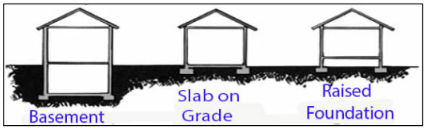
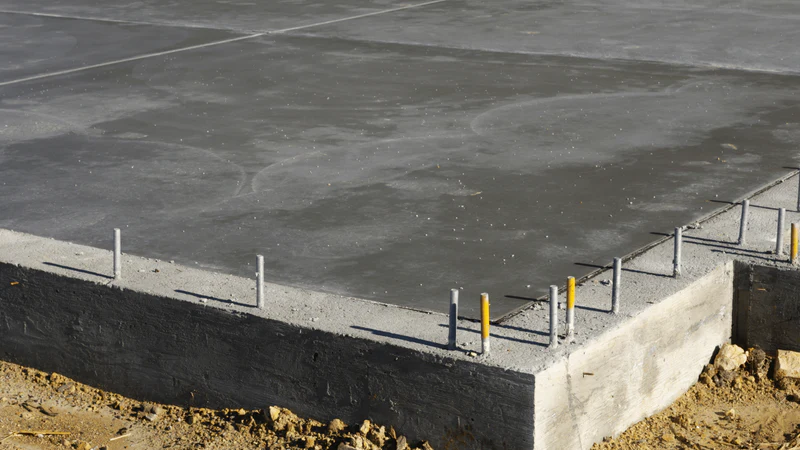
Monolithic Slab: Monolithic slabs are a common choice in modern construction, particularly for residential homes. These slabs are characterized by a single, continuous concrete pour that serves as both the foundation and the floor of the structure. Here are some key details to consider:
-
Cost-Effectiveness: Monolithic slabs are known for their cost-effectiveness. The simplicity of a single concrete pour reduces labor and material expenses, making them an attractive option for builders and homeowners.
-
Popularity in Newer Constructions: Monolithic slabs are popular in newer construction projects due to their efficiency and affordability. They provide a stable and level surface for the entire structure.
-
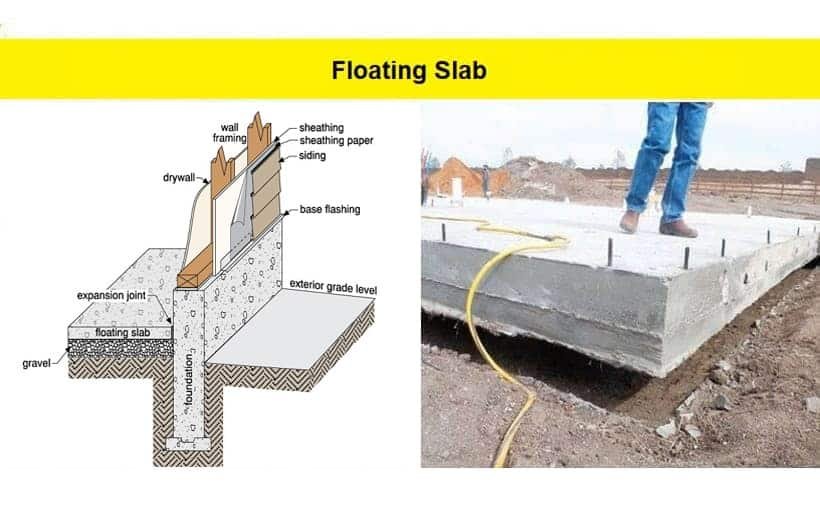
Floating Slab: Floating slabs, also known as slab-on-grade, differ from monolithic slabs in that they are not attached to the structure itself. Instead, they are often used in detached structures like garages, sheds, or workshops. Here’s more about floating slabs:
-
Versatility: Floating slabs are versatile and can be placed on any stable, well-compacted soil. They are commonly used for smaller structures where a full foundation may not be necessary.
-
Isolation from Main Structure: Unlike monolithic slabs, floating slabs are not structurally connected to the main building. This separation can reduce the transmission of vibrations and noise to the primary structure.
-
-
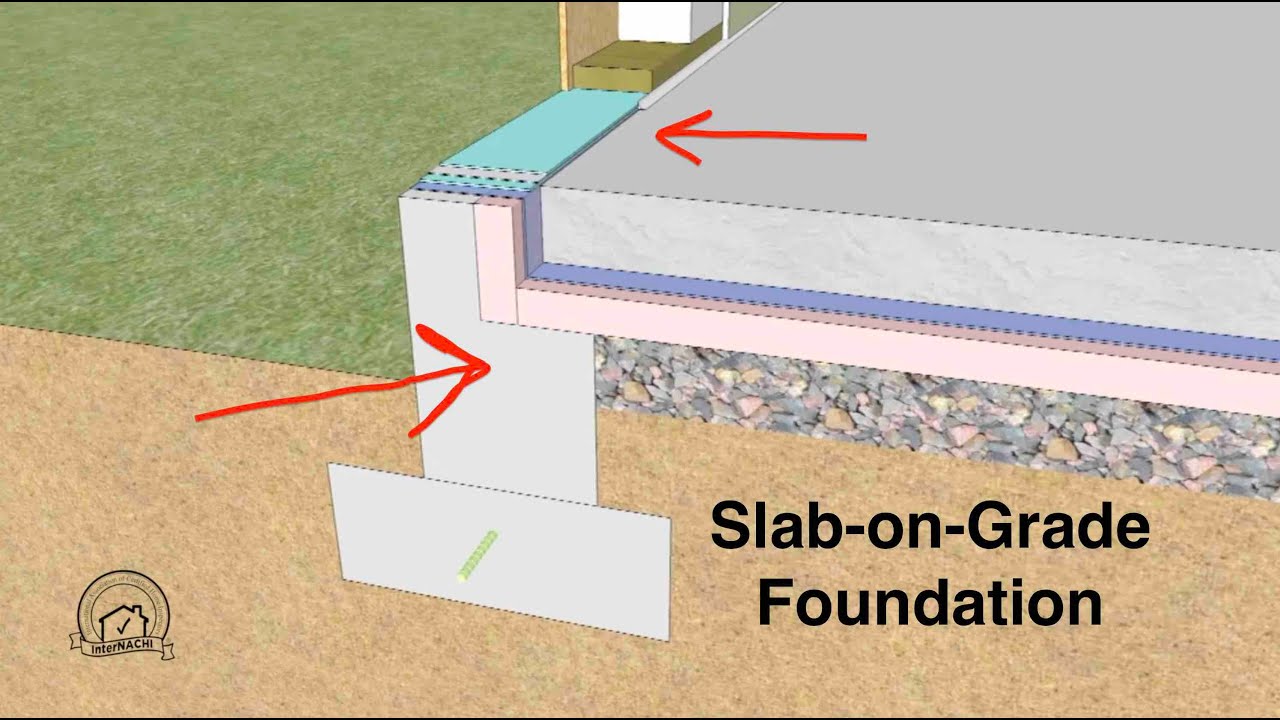
Slab-on-Grade: Slab-on-grade foundations, as the name suggests, sit directly on the ground surface. They are commonly used in residential construction and have unique considerations:
-
Vulnerability to Temperature Changes: Slab-on-grade foundations are vulnerable to temperature changes in the surrounding soil. Cold temperatures can cause the soil to contract, potentially affecting the foundation’s stability. Proper insulation and moisture barriers are crucial to mitigate these effects.
-
Energy Efficiency:* Due to their direct contact with the ground, slab-on-grade foundations can be energy-efficient. They can act as thermal mass, helping to regulate indoor temperatures and reduce heating and cooling costs.
-
Moisture Management:* Effective moisture barriers are essential for slab-on-grade foundations to prevent moisture infiltration. Without proper moisture control, these foundations can be susceptible to issues like mold and mildew growth.
-
Identifying Slab Foundations
Recognizing a slab foundation is an essential skill for real estate brokers when assessing properties. To identify a slab foundation, consider a combination of visual cues and additional characteristics:
Visual Cues:
-
Uniform, Level Surface: Examine the property’s ground closely. Slab foundations feature a consistently flat, level concrete surface that rests directly on the ground. This uniformity without any steps or elevation changes is a hallmark of slab foundations.
-
Absence of Stairs: Unlike properties with basements or crawl spaces, homes with slab foundations lack exterior stairs leading to a lower level. Verify the absence of any staircases or access points that descend below ground level.
-
Exposed Concrete Edge: Inspect the property’s perimeter. Slab foundations often have an exposed concrete edge that serves as a boundary, extending slightly above ground level. This concrete border is distinctive to slab foundations.
Additional Characteristics:
-
Lack of Ventilation: Slab foundations typically do not have vents or crawl spaces. The absence of ventilation openings or access points beneath the structure can further confirm a slab foundation.
-
Floor Level Consistency: Walk through the interior of the property and note the consistent level of the floors. Slab foundations maintain a uniform floor level throughout the house, unlike properties with multiple levels or basements.
-
Low Profile: Slab foundations result in a lower overall profile of the house. The property’s exterior appearance showcases its ground-hugging, low profile without raised foundation walls.
-
Utility Placement: Observe the location of utility connections, such as water meters and gas lines. In homes with slab foundations, these utilities are often installed near the surface or directly within the slab.
-
Exterior Materials: Examine the exterior materials and siding of the property. Homes with slab foundations may feature siding that extends all the way to the ground without exposed foundation walls.
-
Historical Records: Review property records, blueprints, or architectural plans if available. These documents may specify the foundation type used during construction, confirming whether it is a slab foundation.
Soil Conditions and Slab Foundations: Settling and Leveling
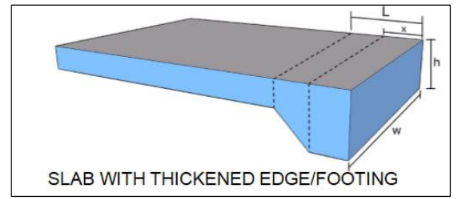
Understanding soil conditions and their impact on settling and leveling is crucial for real estate brokers when evaluating properties with slab foundations:
Soil Composition and Behavior:
-
Clay Soil: Clay soil exhibits a unique behavior by expanding when it absorbs moisture and contracting as it dries. This natural cycle of expansion and contraction can exert pressure on a foundation, potentially leading to settling or upheaval.
-
Sandy Soil: Sandy soil, while well-draining, may lack the required load-bearing capacity for a slab foundation, especially when it’s excessively loose. Its ability to support a structure may be a consideration for prospective buyers.
-
Silt Soil: Silt soil falls between clay and sand in terms of particle size. It has the ability to retain moisture, which can impact soil stability and contribute to settling issues. Real estate brokers should be aware of these soil types and their implications.
Pre-Construction Soil Assessment:
-
Geotechnical Evaluation: Geotechnical engineers typically conduct a thorough soil assessment before construction commences. These assessments delve into crucial soil properties, including composition, density, moisture content, and load-bearing capacity. The findings guide foundation design and determine if soil stabilization measures are needed.
Understanding Soil Settlement:
-
Normal Settlement: Buyers should be aware that some degree of soil settlement is normal for nearly all foundations, including slab foundations. It’s a natural process that occurs over time and can lead to minor adjustments in the structure.
-
Excessive Settlement: Excessive settlement, however, can result in structural issues such as uneven floors or cracks in walls and ceilings. Real estate brokers should help buyers identify signs of excessive settlement and recommend professional inspections if necessary.
Seller Insights:
Sellers can provide valuable insights into the property’s soil conditions and actions taken to address settling and leveling concerns:
-
Soil History: Sellers can share historical information about the property’s soil conditions. This may include records of past soil assessments and any notable trends or changes in soil behavior over time.
-
Soil Stabilization Efforts: Sellers should communicate any soil stabilization measures undertaken. These efforts aim to enhance the soil’s load-bearing capacity and minimize settling. Techniques may involve compaction, stabilizing agents, or engineering solutions.
-
Foundation Maintenance: Sellers can provide details about maintenance or adjustments made to the foundation to manage settling issues. This could include information on past foundation inspections, leveling procedures, or the installation of support systems to restore the foundation to a level position.
-
Grading and Drainage Solutions: Sellers can highlight any grading improvements or drainage solutions that have been implemented to mitigate excessive moisture around the foundation. Proper drainage is essential for preserving the integrity of a slab foundation.
Concrete Slab Thickness and Reinforcement
Understanding the thickness of a concrete slab and the presence of reinforcement materials is essential for real estate brokers when assessing properties with slab foundations:
Slab Thickness:
-
Concrete slabs in residential properties typically have a thickness ranging from 4 to 6 inches. The thickness of a slab directly impacts its load-bearing capacity and ability to distribute weight evenly.
-
Thicker slabs offer increased durability and stability, making them suitable for properties with heavy structures or equipment.
Reinforcement Materials:
-
Reinforcement materials such as rebar (reinforcing steel bars) or wire mesh are commonly used within concrete slabs to enhance their strength and prevent cracking.
-
Rebar or wire mesh provides tensile strength to the concrete, making it more resistant to stress and structural issues.
-
The type and placement of reinforcement materials play a crucial role in ensuring the slab’s longevity and resistance to damage.
-
Real estate brokers should be aware that the presence of reinforcement materials can indicate a stronger and more durable foundation.
Common Issues with Slab Foundations
Slab foundations may encounter several common issues that real estate brokers should be aware of:
-
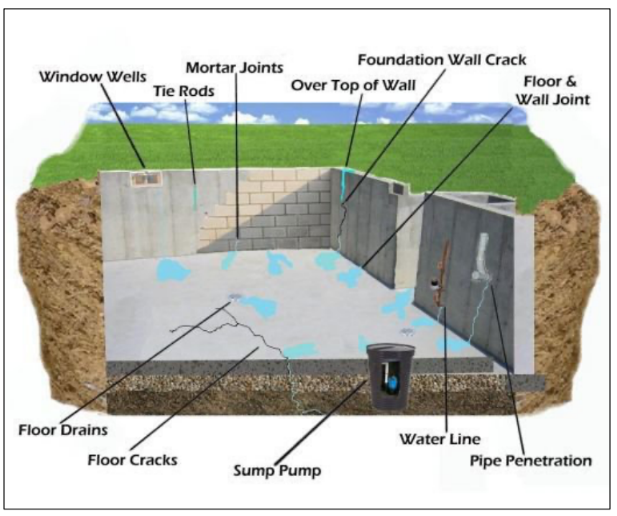
Cracking and Settling: Slabs often exhibit minor, non-structural cracks as a result of natural curing and settling processes. Most of these cracks are superficial and cosmetic. However, brokers should advise clients to pay attention to cracks wider than 1/8 inch or diagonal/uneven cracks, as they may signal potential structural concerns.
-
Plumbing Leaks: Over time, plumbing pipes within or beneath a slab foundation can develop leaks, potentially causing moisture infiltration, water damage, and erosion of the foundation. Buyers should look out for signs of water damage and increased water bills.
-
Soil Shifting: Changes in soil moisture levels can lead to soil expansion or contraction beneath the slab, resulting in uneven settling and potential structural problems. Soil shifting can be caused by factors like weather fluctuations or poor drainage.
-
Erosion and Settlement: Slab foundations in regions with unstable or erodible soils may be susceptible to settling or erosion. Buyers should inquire about any historical erosion concerns and any preventative measures taken by sellers, such as grading and drainage solutions.
-
Insulation and Moisture Control: Slab-on-grade foundations can experience temperature fluctuations due to their direct contact with the ground. Ensuring proper insulation and moisture barriers is important for energy efficiency and mold prevention.
-
Pest Infestations: Slab foundations can provide access points for pests like termites or ants. Inspection for signs of pest infestations and inquiries about past pest control measures are advisable.
-
Cracked Floor Tiles: While not necessarily a structural issue, cracked floor tiles can be a cosmetic concern in homes with slab foundations. Buyers should inspect for cracked tiles and consider potential repair or replacement costs.
-
Poor Drainage: Inadequate property drainage can lead to water accumulation near the foundation, potentially causing moisture-related problems. Assessing the property’s grading and drainage solutions is essential for effective water management.
-
Expansion Joints: Expansion joints in the concrete slab accommodate natural expansion and contraction. Maintaining these joints is crucial to prevent unsightly cracks. Buyers should look for well-maintained or sealed expansion joints during inspections.
Drainage Systems
Effective drainage systems play a crucial role in safeguarding the integrity of slab foundations. Real estate brokers should be knowledgeable about these systems to help their clients make informed decisions:
Importance of Drainage: Drainage systems are essential to prevent water accumulation around the foundation. They ensure that rainwater is directed away from the foundation, reducing the risk of soil erosion and potential foundation damage.
Key Components: Real estate brokers should understand the key components of drainage systems:
-
Gutter Systems: Gutter systems collect rainwater from the roof and channel it to downspouts.
-
Downspouts: Downspouts guide rainwater from gutters to designated drainage areas or stormwater systems.
-
Proper Grading: Proper grading involves shaping the landscape around the property to encourage water flow away from the foundation.
Buyer Considerations: When evaluating a property, buyers should inquire about the effectiveness of the drainage solutions in place. They should assess the condition of gutter systems, downspouts, and the overall grading of the property. Proper grading ensures that rainwater flows away from the foundation, reducing the risk of moisture-related problems.
Seller Guidance: Sellers can play a vital role by emphasizing the importance of regular maintenance for drainage systems. This maintenance helps prevent issues related to moisture accumulation. Sellers should provide documentation of maintenance schedules or recent improvements to showcase their commitment to maintaining a dry and stable foundation.
What Is a Moisture Barrier?
A moisture barrier is a specialized material designed to impede the passage of moisture, typically in the form of water vapor, from the ground into the interior space above the foundation. It is commonly made of polyethylene, a durable and impermeable plastic sheet.
Importance of Moisture Barriers
Moisture barriers are integral to slab foundations for several reasons:
-
Moisture Prevention: They prevent moisture from rising into the concrete slab, ensuring that the foundation remains dry and stable. This helps avoid issues related to moisture infiltration.
-
Mold and Mildew Prevention: Moisture barriers inhibit excess moisture, reducing the risk of mold and mildew growth within the living space. This is essential for maintaining indoor air quality and preventing health concerns.
-
Structural Integrity: By preventing prolonged exposure to moisture, moisture barriers help maintain the structural integrity of the concrete slab. This safeguards against issues such as cracking, spalling, and settlement problems.
-
Energy Efficiency: Moisture barriers contribute to energy efficiency by reducing indoor humidity levels caused by moisture infiltration. This, in turn, helps HVAC systems operate efficiently and reduces energy consumption.
Installation of a Moisture Barrier in a Slab Foundation
The installation of a moisture barrier in a slab foundation is a critical step in ensuring the foundation’s longevity and preventing moisture-related problems. Here’s how it is typically installed:
-
Preparation: Before pouring the concrete slab, the ground beneath the foundation area is prepared. This may involve excavation, grading, and compaction to create a level and stable base.
-
Placement: Once the ground is prepared, a moisture barrier is placed directly on the compacted soil. The barrier is unrolled in large sheets that cover the entire area of the foundation footprint. The sheets are overlapped and sealed to create a continuous barrier.
-
Positioning: The moisture barrier is positioned between the soil and the concrete slab, serving as a protective layer that prevents moisture from rising into the concrete. It effectively acts as a barrier that inhibits moisture infiltration.
-
Concrete Pour: After the moisture barrier is securely in place, the concrete for the slab is poured directly on top of it. The moisture barrier is sandwiched between the soil and the concrete, ensuring that moisture from the ground cannot penetrate the slab.
-
Integration with the Foundation: The edges of the moisture barrier are typically extended up the sides of the foundation perimeter. This creates a seamless transition between the barrier and the foundation walls, further preventing moisture intrusion.
-
Sealing and Overlapping: To enhance the barrier’s effectiveness, seams where two sheets of the barrier meet are sealed with adhesive or tape. Additionally, any punctures or tears in the barrier are repaired to maintain its integrity.
-
Quality Inspection: A quality inspection is often conducted to ensure that the moisture barrier is properly installed and sealed. Any discrepancies are addressed before the concrete cures.
Moisture-Related Issues and Remediation in Slab Foundations
When a moisture barrier is absent in a slab foundation, several adverse consequences can occur:
Consequences of No Moisture Barrier
-
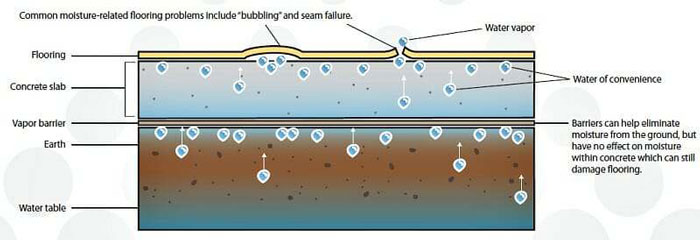
Moisture Infiltration: Without a moisture barrier, moisture from the underlying soil can easily migrate upward through the concrete slab. This moisture infiltration can result from factors such as groundwater, rain, or high soil moisture content.
-
High Indoor Humidity: The absence of a moisture barrier can lead to increased indoor humidity levels. Elevated humidity can create an environment conducive to mold and mildew growth within the living space. Mold not only affects indoor air quality but can also lead to health concerns.
-
Structural Compromises: Prolonged exposure to moisture can weaken the concrete slab and compromise its structural integrity. Over time, this can lead to issues like cracking, spalling (surface deterioration), and even settlement problems.
-
Flooring and Finish Damage: Moisture rising through the slab can damage floor coverings, such as carpets, hardwood, and laminate. It may cause warping, discoloration, or adhesive failure in various flooring materials. Additionally, paint or wall finishes may peel or blister due to moisture intrusion.
-
Energy Inefficiency: High indoor humidity resulting from moisture infiltration can strain HVAC systems, leading to increased energy consumption and higher utility bills. Maintaining comfortable indoor temperatures can become challenging and less energy-efficient.
-
Odor and Allergen Issues: Excess moisture in the living space can create musty odors and contribute to the proliferation of allergens like dust mites and mold spores. This can negatively impact indoor air quality and occupants’ well-being.
Remediation for Moisture-Related Issues
When moisture-related issues occur in a slab foundation due to the absence of a moisture barrier, remediation becomes necessary:
-
Moisture Source Identification: The first step in addressing moisture-related problems is identifying the source of moisture infiltration. This may involve inspecting the foundation, drainage systems, plumbing, or exterior grading to pinpoint the origin of the issue.
-
Moisture Mitigation: Once the source is identified, steps are taken to mitigate further moisture infiltration. This may involve repairing plumbing leaks, improving exterior drainage, or addressing landscaping issues.
-
Concrete Repair: If the concrete slab has suffered structural damage, repair work may be necessary. This can include patching cracks, leveling uneven areas, or addressing spalling (surface deterioration).
-
Mold Remediation: In cases where mold growth has occurred due to excess moisture, mold remediation is crucial. This involves the safe removal and treatment of mold-infested materials and surfaces. Mold remediation professionals should be consulted for this task.
-
Flooring and Finish Restoration: Damaged flooring materials or finishes must be restored or replaced. This may include removing and replacing floor coverings, refinishing hardwood, or repainting affected walls.
-
Moisture Barrier Installation: To prevent future moisture issues, a moisture barrier may be retroactively installed beneath the concrete slab. This can involve lifting a portion of the slab or installing the barrier at the perimeter of the foundation.
-
HVAC Evaluation: If excessive moisture has affected HVAC systems, an evaluation of these systems may be necessary. Cleaning or replacing ductwork and HVAC components may be required to restore efficient operation.
-
Indoor Air Quality Assessment: After remediation, an assessment of indoor air quality should be conducted to ensure that mold spore levels are within acceptable limits. Air quality testing may be performed to verify that the environment is safe for occupants.
-
Preventative Measures: Finally, preventative measures should be implemented to maintain a dry foundation and prevent future moisture-related issues. This may involve ongoing maintenance of drainage systems, regular inspections, and addressing landscaping concerns.
Why Expansion Joints Matter:
-
Expansion joints are intentional gaps or spaces in concrete slabs designed to allow for controlled movement. They are often filled with materials that can compress or expand as needed to accommodate the concrete’s expansion and contraction.
-
Temperature-Related Movements: Expansion joints are essential because concrete naturally expands when it gets warmer and contracts when it cools. These temperature-related movements can exert tremendous pressure on a concrete slab. Expansion joints help mitigate this pressure by providing a controlled space for the concrete to expand into when it’s hot and contract into when it’s cold.
-
Preventing Cracks: Without expansion joints, concrete slabs would be more prone to cracking. Cracks in the foundation can lead to costly repairs and compromise the structural integrity of a property. By accommodating thermal movements, expansion joints help prevent these cracks from forming.
-
Enhancing Durability: Well-maintained expansion joints can significantly extend the lifespan of a concrete slab foundation. By reducing the stress caused by temperature changes, they contribute to the foundation’s long-term durability.
Maintenance and Inspection:
-
Regular Inspection: Real estate brokers should encourage their clients to have the expansion joints inspected regularly. During property inspections, brokers can point out the presence and condition of expansion joints to clients and recommend further examination by a qualified inspector if any issues are noted.
-
Maintenance: Maintenance of expansion joints typically involves keeping them clean and free of debris. Occasionally, sealants or fillers may need replacement if they become damaged or deteriorate over time.