
Fiber-Cement
Introduction to Fiber Cement Siding
Fiber Cement Siding: A Comprehensive Guide
Fiber cement siding is a versatile and popular cladding material known for its durability, weather resistance, and aesthetic appeal. Whether you’re a homeowner looking to renovate your exterior or a real estate professional seeking to understand and promote this siding option, this comprehensive guide will provide you with a detailed overview of fiber cement siding, covering everything from its composition and advantages to installation, maintenance, and more.
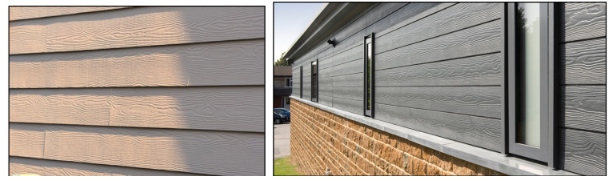
Section 1: Introduction to Fiber Cement Siding
What Is Fiber Cement Siding?
Fiber cement siding is a composite material made from a blend of cement, cellulose fibers, sand, and other additives. It is engineered to mimic the appearance of traditional wood, stucco, or masonry siding while offering enhanced durability and performance.
A Brief History of Fiber Cement Siding
The history of fiber cement siding can be traced back to the early 20th century when it was first developed in Austria. Initially, it was created as a durable and fire-resistant building material. Over the years, its composition and manufacturing processes evolved, leading to the robust and versatile material we know today.
Fiber Cement Siding’s Introduction to the United States
Fiber cement siding made its debut in the United States in the 1980s and quickly gained popularity due to a combination of exceptional attributes:
-
Durability: Fiber cement siding emerged as a highly durable building material. Its ability to endure a wide range of weather conditions, from scorching heat to freezing cold, made it a reliable choice for American homeowners and builders. This durability translated into long-lasting protection for homes against the elements.
-
Aesthetic Versatility: One of the standout features of fiber cement siding was its versatility in achieving various architectural styles and appearances. Homeowners and builders appreciated that they could replicate the natural beauty of wood, the classic charm of stucco, or the timeless appeal of masonry. Fiber cement siding became a versatile canvas for architectural creativity, accommodating diverse design preferences and complementing homes of different aesthetics.
-
Fire Resistance: An essential advantage of fiber cement siding was its inherent fire resistance. This quality was particularly significant in regions prone to wildfires or where fire safety regulations were stringent. Homes and commercial buildings adorned with fiber cement siding enjoyed an added layer of protection against fire hazards, contributing to the safety and security of occupants.
Common Manufacturers of Fiber Cement Siding: Leaders in Quality and Design
When it comes to fiber cement siding, there are several reputable manufacturers known for their commitment to quality, durability, and aesthetic diversity. These industry leaders offer a wide array of siding styles and finishes to cater to the unique architectural needs and design preferences of homeowners and builders. Here are some of the most well-known manufacturers in the fiber cement siding industry:
-
James Hardie: James Hardie stands as a prominent and innovative manufacturer of fiber cement siding. With a legacy of excellence and a focus on product innovation, James Hardie provides a comprehensive selection of siding options. Homeowners and builders choose James Hardie for its extensive style choices and reliable, long-lasting products.
-
CertainTeed: CertainTeed is another trusted name in the fiber cement siding industry. Renowned for its diverse range of siding products, CertainTeed offers options that can complement various architectural styles. Their commitment to quality ensures that homeowners have access to visually appealing and dependable siding solutions.
-
GAF: GAF is a respected and well-established manufacturer known primarily for its roofing products. However, GAF also extends its expertise to fiber cement siding. Their siding solutions are designed to meet the needs of both residential and commercial properties, combining performance and style.
-
Nichiha: Nichiha specializes in fiber cement architectural wall panels, which are favored for their modern and distinctive designs. These panels find applications in various commercial and residential projects, where aesthetics and durability are paramount.
It’s worth noting that the common term for fiber cement siding is often “Hardie” or “Hardie board,” similar to how “Googling” is used for online searches. This reflects the widespread recognition of James Hardie as a leading brand in the fiber cement siding industry. These manufacturers have earned their reputation by consistently delivering high-quality fiber cement siding products. Their commitment to innovation and design diversity ensures that homeowners and builders have access to a wide range of choices, allowing them to achieve their desired architectural visions while benefiting from the durability and longevity that fiber cement siding offers.
Advantages of Choosing Fiber Cement Siding
-
-
Durability:
-
Rot and Decay Resistance: Fiber cement siding is exceptionally durable, as it is not susceptible to common issues that plague wood siding, such as rot and decay. This longevity ensures that your siding will maintain its structural integrity over time.
-
Insect Resistance: Unlike wood siding, which can be attractive to insects like termites, fiber cement is resistant to insect damage. This feature helps protect your home’s exterior from potential infestations.
-
-
Weather Resistance:
-
Heavy Rain: Fiber cement siding can endure heavy rain without warping or deteriorating. It effectively repels water, preventing moisture-related problems.
-
Wind Resistance: It is designed to withstand strong winds without becoming dislodged or damaged. This attribute is particularly important in areas prone to severe weather events.
-
UV Protection: Fiber cement siding is also UV-resistant, meaning it can withstand prolonged sun exposure without fading or deteriorating. This ensures that your siding retains its vibrant appearance for years.
-
-
Low Maintenance:
-
Cleaning: Maintaining fiber cement siding is straightforward. An annual cleaning with a hose, soft brush, and mild detergent is typically sufficient to remove dirt and grime.
-
Repainting: While some other siding materials may require frequent repainting, fiber cement siding has excellent paint adhesion. This means you won’t need to repaint as frequently, reducing long-term upkeep costs.
-
Longevity: The combination of durability and low maintenance means that fiber cement siding has a longer lifespan compared to some other siding materials. You won’t need to replace it as often, further saving on maintenance expenses.
-
-
Fire Resistance:
-
Non-Combustible: One of the standout features of fiber cement siding is its excellent fire resistance. It is a non-combustible material, meaning it won’t ignite when exposed to flames or high heat. This makes it a safer choice for homes and provides added protection in case of fire emergencies.
-
-
Aesthetic Versatility:
-
Styles and Textures: Fiber cement siding offers a wide array of styles, textures, and finishes. Whether you prefer the classic look of wood, the sleek appearance of modern designs, or even the textured appearance of stucco or masonry, fiber cement siding can replicate these aesthetics.
-
Color Options: You can choose from a vast range of colors to match your desired look and complement your home’s architecture. The ability to paint fiber cement siding allows for further customization, giving you control over the final appearance.
-
-
Composition and Manufacturing of Fiber Cement Siding
How Fiber Cement Siding Is Manufactured:
Fiber cement siding is produced through a meticulous manufacturing process that ensures its quality and durability. Here are the key steps involved:
-
Raw Material Selection: Fiber cement siding is primarily composed of Portland cement, cellulose fibers, sand, and water. These raw materials are carefully chosen for their quality and performance attributes. Portland cement provides strength, while cellulose fibers enhance flexibility and resilience.
-
Mixing: In this stage, the raw materials are mixed in precise proportions to create a slurry. The blending process ensures the consistency and strength of the final product. The quality of mixing is crucial to the siding’s durability.
-
Formation: The slurry is spread into thin sheets, which are then pressed to achieve the desired thickness. This step contributes to the siding’s resilience, ensuring it can withstand external elements.
-
Curing: Curing is a critical phase where the sheets are placed in a controlled environment to allow them to harden. This hardening process is essential for making the siding robust and suitable for exterior use.
-
Texturing and Painting: After curing, the sheets can be textured to mimic various finishes, such as wood grain or stucco. Pre-painting or priming can also be done during this stage to add an extra layer of protection and reduce future maintenance requirements.
-
Cutting and Packaging: Once fully cured, the sheets are cut into standard-sized siding boards or architectural details. These are then carefully packaged for distribution, ensuring ease of installation for contractors.
Common Issues with Fiber Cement Siding
-
Lack of Flashing Tape at Butt Joints:
-
Issue Description: One common problem in fiber cement siding installation is the improper or lack of use of flashing tape at butt joints. Butt joints occur where two siding pieces meet end-to-end horizontally. Flashing tape is designed to provide a waterproof seal at these joints, preventing moisture infiltration.
-
Indicators: An indicator of the lack of flashing tape is the presence of caulked gaps at the butt joints. When flashing tape is omitted or applied incorrectly, installers may resort to caulking to seal these gaps, which is not a long-term solution.
-
Consequences: When flashing tape is omitted or applied incorrectly, it can lead to water penetration behind the siding. This moisture can cause damage to the sheathing, insulation, and even the interior of the property over time.
-
Detection: During property inspections, real estate brokers should examine the butt joints of the fiber cement siding carefully. Look for signs of caulked gaps or any irregular sealing that may indicate the absence of flashing tape.
-
Solution: If the lack of flashing tape is identified as an issue, it’s essential to recommend its installation by a qualified siding contractor. Properly installed flashing tape can prevent further moisture-related problems and ensure the siding’s longevity.
-
-
Broken Corners Due to Improper Nailing:
-
Issue Description: Fiber cement siding can be brittle, especially at corners. Improper nailing techniques, such as driving nails too close to the edge, can stress the material and lead to cracks and broken corners.
-
Consequences: Broken corners not only affect the appearance of the siding but can also allow moisture infiltration, potentially causing more extensive damage.
-
Detection: During property inspections, real estate brokers should carefully inspect the corners of the fiber cement siding for cracks, chips, or damage.
-
Solution: Addressing broken corners may involve replacing damaged sections of siding or adding specialized corner caps to reinforce and protect the corners. Seeking professional assessment and repairs from experienced siding contractors is advisable.
-
-
Damage from Impact:
-
Issue Description: Fiber cement siding can be damaged by impact, such as from hail, falling branches, or accidental impact during maintenance activities. This can result in chipping or cracking.
-
Consequences: Impact damage can compromise the siding’s appearance and performance, potentially leading to moisture infiltration and further issues.
-
Detection: Inspect the siding for visible signs of impact damage, such as chips, cracks, or dents.
-
Solution: Addressing impact damage may require replacing damaged sections of siding. Proper maintenance and care can help prevent further impact-related issues.
-
-
Improper Installation:
-
Issue Description: Incorrect installation techniques, such as overdriven nails, insufficient clearances from surfaces, inadequate caulking, or missed flashing tape, can compromise the siding’s performance and durability.
-
Consequences: Improper installation can lead to moisture infiltration, reduced lifespan of the siding, and potentially costly repairs.
-
Detection: Inspect the installation for visible signs of improper techniques, such as overdriven nails, gaps, or irregular caulking.
-
Solution: Addressing improper installation may require corrective measures by qualified siding professionals. Proper installation techniques should be followed to ensure the siding’s longevity and functionality.
-
Durability and Weather Resistance
Material Composition: The Foundation of Strength
Fiber cement siding’s exceptional durability begins with its unique material composition. This siding is meticulously crafted from a precise blend of materials, each chosen for its specific properties. The primary components of fiber cement siding include:
-
Portland Cement: The use of Portland cement as a core ingredient ensures that fiber cement siding possesses the strength and resilience characteristic of this construction-grade material. Portland cement is renowned for its ability to endure harsh environmental conditions and resist deterioration.
-
Cellulose Fibers: Cellulose fibers, typically sourced from wood pulp or other plant materials, are added to the mix. These fibers reinforce the cement matrix, providing structural integrity and preventing the siding from becoming brittle. They also contribute to the siding’s ability to resist impact.
-
Sand: Sand is incorporated into the blend to enhance the siding’s texture and density. It contributes to the overall durability of the material by providing additional stability and resistance to wear and tear.
-
Additives: Various additives are introduced to improve specific characteristics of the siding, such as moisture resistance, fire resistance, and dimensional stability.
The synergy of these carefully chosen materials creates a siding product that is exceptionally robust and capable of withstanding the test of time.
Moisture Resistance: Shielding Against Water Damage
One of the most critical factors in fiber cement siding’s durability is its remarkable resistance to moisture. Unlike traditional wood siding, which can absorb water and suffer from warping, swelling, and rot over time, fiber cement siding acts as a fortress against moisture-related issues. Its resistance to moisture is rooted in its composition:
-
Non-Porous Nature: Fiber cement siding is inherently non-porous, meaning it doesn’t allow water to infiltrate its surface. This characteristic is essential for preventing the adverse effects of moisture, such as rot and decay, which can compromise the structural integrity of other siding materials.
-
Protection from Moisture-Related Damage: With fiber cement siding, homeowners can rest assured that their property is shielded from the potential harm caused by rain, humidity, and other moisture sources. This resistance not only preserves the appearance of the siding but also ensures its long-term functionality.
Dimensional Stability: Resisting the Elements
Fiber cement siding’s durability extends to its exceptional dimensional stability. This means that the siding maintains its shape and integrity even when exposed to various environmental challenges, including temperature fluctuations and extreme weather conditions. The factors contributing to its dimensional stability include:
-
Minimal Expansion and Contraction: Unlike some other siding materials that can expand and contract significantly with temperature changes, fiber cement siding exhibits minimal dimensional changes. This characteristic reduces the risk of cracks, splits, and other forms of damage that can occur when siding materials expand and contract excessively.
-
Resistance to Warping: Fiber cement siding’s resistance to warping is particularly valuable in regions with variable climates. It ensures that the siding remains flat and uniform, preserving the property’s aesthetic appeal.
Fire Resistance: Safeguarding Your Investment
One of the standout features of fiber cement siding is its inherent fire resistance. This property is invaluable in safeguarding both the siding itself and the overall safety of the property:
-
Non-Combustible: Fiber cement siding does not combust when exposed to flames or high temperatures. This means that in the event of a nearby fire source, the siding will not contribute to the spread of the fire, providing additional time for occupants to evacuate and reducing the risk of property damage.
-
Compliance with Building Codes: Many regions with high wildfire risk require the use of fire-resistant building materials, including siding. Fiber cement siding is a reliable choice for meeting these stringent building code requirements, ensuring compliance and safety.
Longevity: An Investment That Endures
Ultimately, the culmination of these durability factors, combined with proper installation and maintenance, contributes to the longevity of fiber cement siding. When homeowners invest in this siding material, they are making a long-term commitment to the protection and aesthetic appeal of their property. With routine maintenance and care, fiber cement siding can last for several decades, providing peace of mind and a wise investment in both functionality and curb appeal.
Weather Resistance:
Fiber cement siding is renowned for its exceptional weather resistance, making it a reliable choice for properties exposed to diverse and challenging climatic conditions. Understanding the siding’s ability to withstand various weather elements is crucial for real estate brokers when assessing and presenting properties. Let’s delve into the specific aspects of fiber cement siding’s weather resistance:
Rain and Moisture:
Fiber cement siding excels in its ability to combat moisture-related issues. In regions prone to heavy rainfall or high humidity, this siding material provides robust protection. Here’s how it accomplishes this:
-
Moisture-Resistant Composition: Fiber cement siding is crafted with a composition that repels moisture. Its non-porous nature ensures that water does not infiltrate the siding’s surface, preventing issues like rot and decay that commonly afflict materials like wood.
-
Effective Drainage: Properly installed fiber cement siding incorporates features that facilitate moisture drainage. This helps prevent water from pooling or accumulating behind the siding, reducing the risk of water-related damage.
UV Exposure:
Ultraviolet (UV) rays from the sun can take a toll on many siding materials, causing fading, discoloration, and deterioration over time. Fiber cement siding, however, is engineered to resist the damaging effects of UV exposure. Key points to consider include:
-
UV-Resistant Finishes: Fiber cement siding often comes with UV-resistant finishes or coatings. These protective layers shield the siding from the harmful effects of prolonged sun exposure, ensuring that it retains its color and structural integrity.
-
Color Retention: Real estate brokers can confidently inform clients that properties featuring fiber cement siding will maintain their vibrant and attractive appearance, even in regions with intense sunlight.
Temperature Extremes:
Fiber cement siding is rigorously tested to perform reliably across a wide range of temperatures. Its ability to endure both hot summers and freezing winters is a testament to its robustness. Here’s how it fares in extreme temperatures:
-
Resistance to Brittleness: Unlike some siding materials that become brittle in cold weather, fiber cement siding maintains its flexibility and integrity. This reduces the risk of cracking or other forms of damage during freezing conditions.
-
Heat Tolerance: In high-temperature environments, fiber cement siding resists warping or distortion. It retains its shape and appearance even when exposed to scorching summer sun.
Wind Resistance:
Strong winds can pose a significant threat to siding materials, potentially causing damage and compromising the property’s exterior. Fiber cement siding is engineered to withstand these challenges:
-
Secure Installation: When properly installed by experienced professionals, fiber cement siding is secured tightly to the property’s exterior. This reduces the likelihood of it being lifted or damaged during storms with strong winds.
-
Enhanced Fastening: The fastening methods used in fiber cement siding installation contribute to its wind resistance. Techniques such as blind nailing ensure that the siding remains firmly in place.
Hail Resistance:
While no siding material is entirely impervious to hail damage, fiber cement siding exhibits a degree of resistance compared to some others. This is important in regions where hailstorms are a concern:
-
Moderate Hail Resistance: Fiber cement siding can withstand moderate hail without sustaining significant harm. While severe hailstorms can still cause damage, this siding material provides a level of protection that some alternatives may not offer.