
Gas burners
Gas Fireplaces
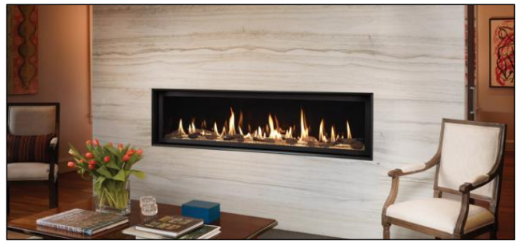
Advanced Operation Mechanism:
-
Fuel Options: These fireplaces operate using either natural gas or propane, accommodating both local fuel availability and user preference. This flexibility allows homeowners to choose a fuel source that is most accessible and cost-effective for their region.
-
Convenient Ignition and Control: The ignition process is controlled effortlessly by a switch, remote control, or thermostat, facilitating a hassle-free operation. This modern feature removes the labor-intensive process associated with lighting and maintaining a traditional wood fire. Furthermore, many models of gas fireplaces allow users to adjust the flame size and heat output, providing complete control over both the ambiance and warmth levels, which is a significant advantage over traditional wood-burning options.
Versatile Installation and Design:
-
Diverse Placement Options: Gas fireplaces offer a range of installation locations without the need for a traditional chimney. This is made possible by various venting options, including direct vent and ventless (or vent-free) systems. Direct vent systems expel exhaust directly outside the home, while ventless systems do not require external venting.
-
Ventless System Advantages: Ventless gas fireplaces are particularly versatile in terms of installation. Their lack of need for external venting allows them to be placed in nearly any room, significantly broadening design possibilities and enhancing space utilization.
-
Aesthetic Range: The available styles of gas fireplaces are wide and varied. They range from traditional designs that mimic the look and feel of wood-burning fireplaces to sleek, contemporary models. This variety allows them to fit into diverse interior aesthetics, accommodating different design preferences.
Maintenance and Safety:
-
Reduced Maintenance Needs: Gas fireplaces require less frequent upkeep compared to wood-burning fireplaces. Their maintenance primarily involves periodic inspections for operational safety and occasional cleaning. This is a marked contrast to the ash and soot handling required in traditional wood fireplaces.
-
Safety Inspections: Regular safety checks are particularly crucial for ventless models. These inspections are essential to ensure proper operation and to monitor for potential issues such as gas leaks or inadequate ventilation.
Enhanced Heat Efficiency:
-
Superior Heating Efficiency: In general, gas fireplaces provide more efficient room heating compared to traditional wood fireplaces. Some models feature direct control over heat output, which means less energy is wasted, and heat is distributed more evenly throughout the space.
-
Immediate Warmth and Zoning Capability: Gas fireplaces offer the advantage of immediate heat, eliminating the wait time associated with building and maintaining a wood fire. This feature is both a time-saver and a cost-effective aspect, particularly valuable during colder seasons. Additionally, some models are equipped with zoning control, which allows for heating specific areas of the home, leading to further energy savings and enhanced comfort tailored to individual preferences.
Gas Stoves
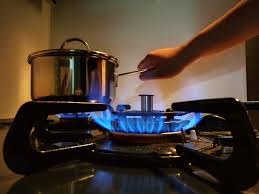
Contemporary Design with Traditional Appeal:
-
Aesthetic Design: Gas stoves are designed to emulate the classic look and feel of traditional wood stoves, providing a sense of rustic charm. They often feature durable materials like cast iron or steel and are finished in a way that replicates the appearance of wood stoves, including enameled surfaces or faux wood detailing.
-
Modern Fuel Operation: These stoves operate on natural gas or propane, offering a cleaner and more convenient alternative to wood burning. This combination of old-world aesthetics and modern fuel technology makes gas stoves an attractive heating feature in both traditional and contemporary home settings.
Efficient Heating and Control:
-
Adjustable Heat Output: Gas stoves provide efficient room heating with adjustable settings, allowing for temperature control that suits different needs and preferences. Many models come with built-in fans that help circulate the warm air throughout the space, ensuring uniform heating and a more comfortable living environment.
-
Instant Heating Advantage: Unlike wood stoves that require time to build up heat, gas stoves deliver immediate warmth upon ignition. This instant heating capability removes the waiting period typically associated with heating a room, making gas stoves particularly convenient for quick and effective heating.
Installation Flexibility:
-
Varied Venting Options: Gas stoves offer a variety of venting options, including direct vent and vent-free models, simplifying the installation process. Direct vent stoves expel exhaust directly outside, while vent-free models do not require external venting. This flexibility in venting options makes gas stoves a feasible choice for various home layouts and architectural styles.
-
Vent-Free Installation Benefits: Vent-free gas stoves are especially advantageous in terms of installation flexibility. The lack of a need for a chimney or external venting system allows for diverse placement options within a home, expanding the possibilities for interior design and stove placement.
-
Ease of Installation: The installation process for gas stoves is generally less complex and invasive compared to traditional wood stoves. This characteristic is particularly beneficial in homes where major structural alterations for chimney installation are impractical or undesirable.
Real Estate Market Appeal:
-
Enhancing Property Marketability: Gas stoves can significantly enhance a property’s appeal in the real estate market. They offer the aesthetic allure of a traditional stove along with the practical benefits of gas fuel. This combination of rustic charm and modern efficiency can make a property more attractive to potential buyers.
-
Energy Efficiency as a Selling Point: The fuel efficiency and effective heat distribution of gas stoves are attractive features that can be highlighted in property listings. They are particularly appealing in colder regions or for buyers who prioritize energy-conscious living.
-
Prominent Listing Features: When marketing properties equipped with gas stoves, real estate agents should emphasize their ease of use, efficient heating capabilities, and the blend of rustic aesthetics with modern technology. These features can make a property stand out to potential buyers who are looking for the comfort and ambiance of a traditional stove, combined with the low maintenance and convenience of gas fuel.
Gas Inserts
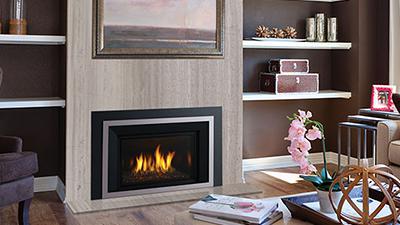
Modern Conversion of Traditional Fireplaces:
-
Functionality for Upgrades: Gas inserts are specifically designed to retrofit existing wood-burning fireplaces, turning them into efficient, gas-powered heating units. This conversion is particularly beneficial for homes where maintaining the original fireplace’s charm is desired, but with a more efficient and modern heating system.
-
Seamless Integration into Existing Structures: Gas inserts fit snugly into the firebox of an existing fireplace and typically utilize the existing chimney for venting. This integration allows for preserving the historical or architectural integrity of the original fireplace while enhancing its functionality and efficiency.
Superior Performance and Efficiency:
-
Dramatically Improved Efficiency: Gas inserts significantly enhance the efficiency of traditional fireplaces. By effectively sealing the firebox and utilizing advanced venting technology, more heat is directed into the room, reducing heat loss and improving overall heating efficiency.
-
Reduced Fuel Consumption and Cost Savings: Operating on natural gas or propane, gas inserts generate greater heat output while consuming less fuel compared to traditional wood-burning fireplaces. This increased efficiency translates into notable savings on fuel costs and overall home heating expenses.
Customization and Aesthetic Diversity:
-
Wide Range of Design Options: Gas inserts are available in various styles, from classic to contemporary, allowing homeowners to choose a model that complements their home’s interior décor. This range of options ensures that there is a gas insert to suit every taste and design preference.
-
Fit for Different Fireplace Sizes: Gas inserts come in multiple sizes to fit various fireplace dimensions. This variety ensures a proper and visually pleasing fit in the existing fireplace space, allowing homeowners to upgrade their heating system without compromising the look and feel of their living area.
-
Aesthetic Enhancements: Many gas inserts feature realistic-looking logs, flames, and ember beds, providing the visual appeal of a traditional wood fire. Some models offer additional features like LED lighting and decorative fronts, further enhancing their aesthetic appeal and allowing homeowners to customize the look of their gas insert to their liking.
Ease of Installation and Operation:
-
Professional Installation for Safety: The installation of gas inserts typically requires professional services to ensure safe and proper setup. This includes correct gas connections and venting to meet safety standards and prevent any potential hazards.
-
User-Friendly Controls: Once installed, gas inserts are easy to operate, with simple controls for turning the unit on and off and adjusting the heat output. Remote controls and thermostats add further convenience, allowing users to effortlessly control the fireplace settings.
Real Estate Benefits and Selling Points:
-
Attractive Feature for Home Sales: The addition of a gas insert can be a key selling point for homes with older, less efficient fireplaces. Combining the historical charm of the original fireplace with modern efficiency and ease of use, gas inserts can significantly enhance the appeal of a property.
-
Emphasis in Property Listings: In property listings, it is important to highlight the blend of traditional aesthetics with modern heating technology. The enhanced energy efficiency and ease of operation of gas inserts should be emphasized to appeal to potential buyers who appreciate the ambiance of a fireplace without the drawbacks of wood burning.
Client Lifestyle and Preferences:
-
Gas Fireplaces, Stoves, and Inserts: Ideal for clients who value ease and convenience, these gas heating options are suited for those who prefer cleaner and more efficient heating solutions. They offer a balance between traditional aesthetics and modern functionality, making them particularly appealing to busy individuals or those seeking user-friendly, low-maintenance heating solutions.
Energy Efficiency and Environmental Impact:
-
Higher Efficiency: Gas fireplaces, stoves, and inserts are generally more efficient than their wood-burning counterparts. They provide greater heat output with less fuel consumption and heat loss, making them a more energy-efficient option.
-
Cleaner Burning: These gas heating solutions produce fewer emissions and particulates compared to wood burning. This cleaner burning process makes them a more environmentally friendly option, especially in areas with strict air quality regulations.
Safety and Maintenance:
-
Annual Safety Inspections: Regular professional inspections are important to ensure the safe operation of gas fireplaces, stoves, and inserts. This is especially crucial for ventless models, where proper ventilation and gas connections are key to preventing safety hazards.
-
Lower Maintenance Demands: Compared to wood-burning options, gas heating solutions require less day-to-day maintenance. This includes the absence of tasks such as ash removal and chimney cleaning, offering a hassle-free heating solution for homeowners.
Installation and Retrofitting Considerations:
-
Ease of Installation for Fireplaces and Stoves: Installing new gas fireplaces and stoves is relatively simple, thanks to various venting options like direct vent and vent-free models. These options provide flexibility in installation and are typically less invasive than installing a traditional wood-burning fireplace.
-
Retrofitting with Gas Inserts: When discussing gas inserts, the focus should be on the practicality of converting existing wood fireplaces. Factors such as size compatibility and venting solutions should be emphasized to ensure an efficient and seamless upgrade.
Broker Tips:
-
Tailoring to Client Needs: Assess each client’s specific requirements and preferences, considering factors like their lifestyle, home design, and environmental considerations.
-
Informative Approach: Educate clients about the benefits, maintenance, and safety aspects of each gas heating option to aid in making well-informed decisions.
-
Benefits in Property Listings: When listing properties with gas heating solutions, prominently highlight features like convenience, efficiency, and aesthetic appeal to attract potential buyers. Emphasizing how these features meet modern living standards can be a key factor in appealing to a wide range of buyers.