
Post and Beam
Post and Beam Construction: An In-depth Guide
Post and Beam Construction: An In-depth Guide
Post and beam construction is a time-honored architectural method that has graced the landscape with enduring structures, from ancient timber houses to modern custom homes. This construction technique relies on heavy timber frames, using posts (vertical supports) and beams (horizontal supports) to form the structural skeleton of a building. The beauty of post and beam construction lies not only in its aesthetic appeal, which showcases the natural beauty of wood, but also in its structural integrity and flexibility in design.
Definition and Core Principles
Post and beam construction is a structural technique that utilizes large, solid wood posts and beams to create the framework of a building. This method is distinguished from standard stick framing by its use of fewer, but larger and more visually impactful, wooden members. The key components include:
-
Posts: Vertical supports that transfer the weight of the structure down to the foundation.
-
Beams: Horizontal members that span between posts, carrying the roof and floor loads.
The assembly of these components forms a grid-like structure, providing the skeleton of the building upon which other elements, like walls and roofs, are added.
Architectural Aesthetics
One of the most appealing aspects of post and beam construction is the architectural beauty it lends to a space. The exposed beams and posts offer a sense of warmth, craftsmanship, and organic beauty that is often lost in more conventional construction methods. This aesthetic allows for:
-
Visual Impact: The exposed wooden structure creates dramatic interiors with high ceilings and open spaces, making a strong architectural statement.
-
Versatility in Design: The method supports a wide range of architectural styles, from traditional to contemporary, adapting easily to different design aesthetics.
-
Natural Materials: The emphasis on wood as a primary structural material brings a touch of nature indoors, fostering environments that feel grounded and serene.
Structural Advantages
Beyond its visual appeal, post and beam construction offers several structural benefits, making it a compelling choice for certain types of projects:
-
Open Floor Plans: By eliminating the need for load-bearing walls, post and beam construction allows for more flexible interior layouts and large, uninterrupted spaces.
-
Strength and Durability: The large wooden members used in post and beam construction are inherently strong, capable of supporting heavy loads and withstanding the test of time when properly treated and maintained.
-
Adaptability: This construction method can be adapted to a wide variety of building sites, including those with uneven terrain, because the structure can be elevated on piers or integrated into a sloped site with relative ease.
Challenges and Considerations
While post and beam construction offers numerous benefits, there are also challenges and considerations that must be addressed:
-
Cost: The use of large, high-quality timber can make post and beam construction more expensive than standard framing techniques, both in terms of materials and the skilled labor required for assembly.
-
Insulation and Energy Efficiency: The large wooden members and open spaces can present challenges for insulation and energy efficiency. Modern techniques, including the use of structural insulated panels (SIPs) or careful placement of traditional insulation materials, can mitigate these issues.
-
Maintenance: Wood is susceptible to pests, moisture, and decay. Regular maintenance, including inspection, sealing, and treatment of the wood, is necessary to preserve the integrity and appearance of the structure.
Construction Techniques in Post and Beam Construction
The essence of post and beam construction lies not just in the materials used, but in the craftsmanship and techniques employed to join the large wooden members together. This section delves into the traditional and modern techniques that define the structural and aesthetic character of post and beam construction.
Traditional Joinery Techniques
-
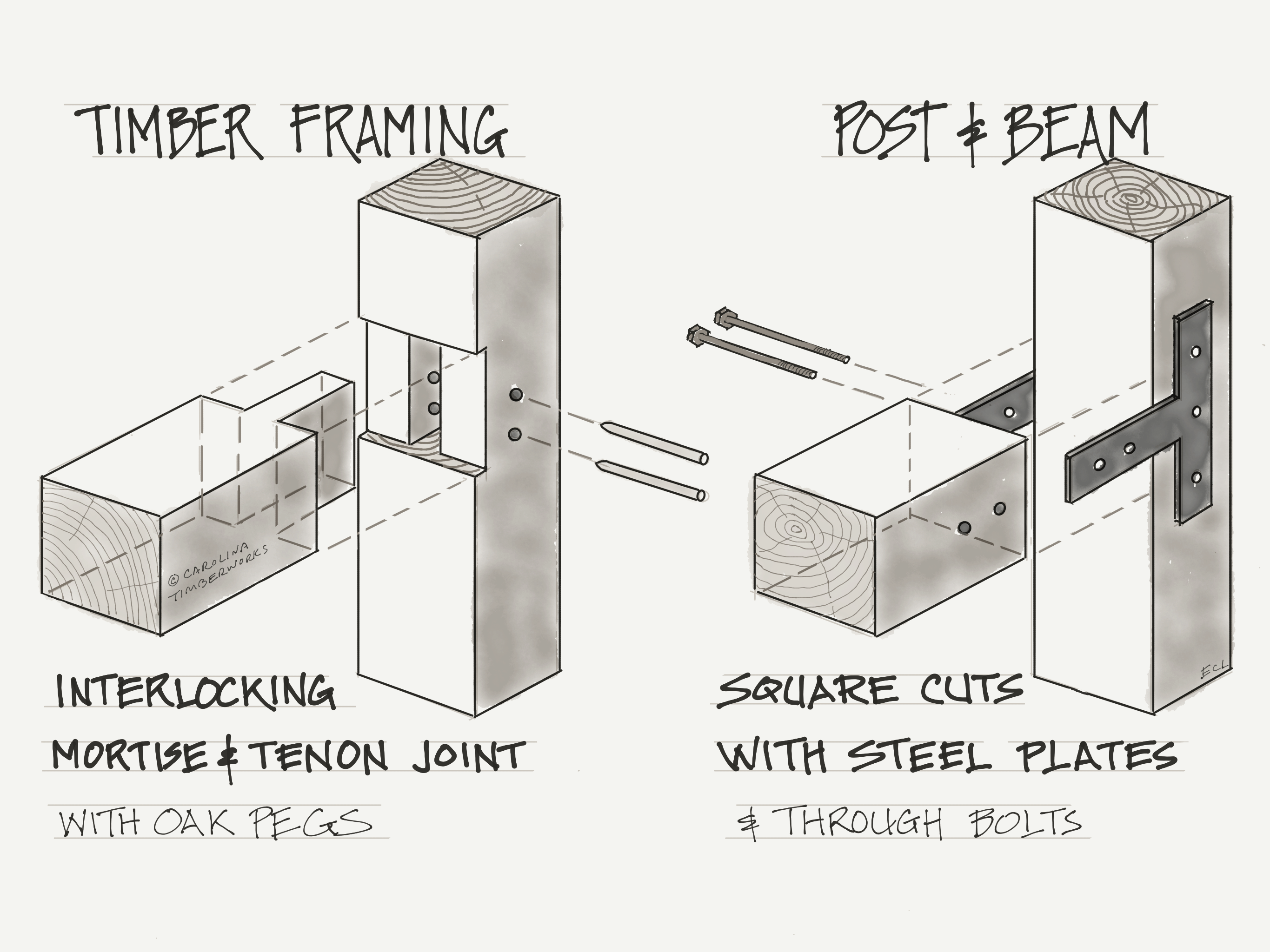
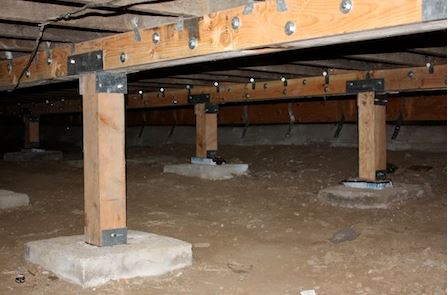
Mortise and Tenon Joints: One of the oldest and most revered joinery techniques, the mortise and tenon involves inserting the tenon (a protruding piece of wood) from one beam into the mortise (a hole) of another beam or post. This method creates a strong, interlocking connection that has been used for thousands of years in woodworking.
-
Dovetails: Known for their resistance to being pulled apart, dovetail joints are often used in corners where beams intersect. The interlocking nature of the dovetail shapes provides a high level of mechanical strength and aesthetic appeal.
-
Lap Joints: In a lap joint, material is removed from each piece so that they overlap each other, creating a flush surface. This technique is simpler than the mortise and tenon but still provides a strong connection for beams and posts.
Securing with Wooden Pegs
-
In traditional construction, these joints are often secured with wooden pegs, driven through the connecting pieces to hold the joint firmly in place. This not only adds to the structural integrity but also enhances the rustic aesthetic of the construction.
Modern Adaptations
-
Metal Brackets and Plates: Modern post and beam construction sometimes incorporates metal fasteners, brackets, or plates to reinforce the joints. These metal components can provide additional strength, especially in areas prone to seismic activity or heavy loads.
-
Steel Connectors: Custom steel connectors are designed to hold beams and posts together securely while being less visible or entirely hidden within the wood, preserving the natural look of the structure. These connectors offer a modern solution to the challenge of joining large wooden members, combining durability with aesthetic discretion.
Combining Tradition and Innovation
-
The choice between traditional joinery and modern fastening methods often depends on the project’s requirements, the desired aesthetic, and the local building codes. While traditional joinery techniques contribute to the authenticity and beauty of the structure, modern methods can enhance its strength and longevity.
-
Hybrid approaches are also common, where traditional wood joinery is used for most of the structure, and metal connectors are employed in critical areas for additional support.
Importance of Precision
-
Regardless of the techniques used, precision in measuring, cutting, and fitting the wooden members is crucial to the success of a post and beam construction project. The large size of the beams and posts means that even small errors can have significant implications for the structure’s integrity and appearance.
Material Selection: The choice of wood in post and beam construction is pivotal, dictating not only the aesthetic outcome but also the structural integrity and longevity of a building. Preferred species such as oak, Douglas fir, and cedar stand out for their excellent strength-to-weight ratios, natural resistance to decay, and durability under varying environmental conditions. These characteristics make them ideal for the skeletal framework of post and beam structures, where the beauty of exposed wood is a central design element.
Oak, with its remarkable hardness and strength, is traditionally favored for its enduring quality and the rich character it brings to structures. Its dense grain structure makes it resistant to wear and tear, ideal for buildings that aspire to stand the test of time.
Douglas fir, known for its superior structural strength and visual appeal, offers a slightly more cost-effective alternative without compromising on durability or aesthetic qualities. Its ability to resist warping and bending under load makes it a reliable choice for the main structural components.
Cedar, valued for its inherent resistance to moisture, rot, and insect damage, is particularly suited for exterior elements of post and beam construction. Its lightweight nature and ease of working also make it a preferred choice for decorative aspects of a building, enhancing the natural beauty and warmth of the interiors.
The treatment and finish of the timber play a significant role in the final appearance and maintenance requirements of post and beam constructions. Leaving the timber rough allows the natural texture and unique characteristics of the wood to shine through, offering a rustic and organic feel to the structure. This approach is often chosen to emphasize the natural beauty and imperfections of the wood, creating a connection with nature and a sense of authenticity.
Alternatively, planing and finishing the timber can achieve a more refined and polished look, suitable for modern and contemporary designs. This treatment smooths out the surface, highlighting the grain and color of the wood, while also providing a protective layer that can enhance the durability and longevity of the material. Finishes can range from natural oils and stains that preserve the wood’s natural color to paints and varnishes that offer a wide palette of colors and sheens.
Regardless of the finish chosen, the key to maximizing the life span and beauty of wood in post and beam construction lies in careful selection, proper treatment, and regular maintenance. This ensures that the structure not only remains visually stunning but also retains its structural integrity over time.
Variations in Foundation Methods: Post and Block vs. Post and Pier
When considering the foundation of structures, especially in the context of timber construction, two prevalent methods are often discussed: Post and Block and Post and Pier. Each of these methods has its own set of characteristics, advantages, and disadvantages, making the choice between them dependent on specific project requirements, environmental conditions, and budgetary constraints.
Post and Block Construction
The Post and Block method is a traditional foundation approach that utilizes concrete blocks or stones to support wooden posts. This method is recognized for its simplicity and cost-effectiveness, making it an attractive option for projects with limited budgets or in situations where a deep foundation is not critical. However, despite these advantages, Post and Block construction comes with several significant drawbacks:
Susceptibility to Moisture: The vulnerability of Post and Block foundations to moisture is a significant concern that impacts their durability and the overall integrity of structures supported by this method. This susceptibility stems from several factors inherent to the design and construction process of Post and Block systems:
-
Ground-Level Placement: Typically, concrete blocks or stones used in Post and Block foundations are positioned directly on the ground or just slightly above it. This proximity to the earth’s surface places them in the path of water flow and moisture accumulation. In regions where the ground frequently becomes saturated due to rain, snowmelt, or high water tables, the risk of water seeping into the foundation increases substantially.
-
Absence of Moisture Barriers: In many Post and Block constructions, especially older or more traditionally built structures, there is often a lack of effective moisture barriers between the blocks and the wooden posts. Without these barriers, capillary action can draw moisture up from the ground directly into the wood, bypassing any natural resistance the wood may have to moisture penetration.
-
Effects of Moisture on Wood: Wood’s natural porosity makes it susceptible to absorbing moisture, which can lead to several detrimental effects. Moisture can cause wood to swell, warp, and eventually weaken, reducing its load-bearing capacity. Moreover, damp wood becomes a fertile ground for fungi, including those causing wood rot, and can attract pests such as termites and carpenter ants, further compromising the structural integrity of the posts.
-
Environmental Contributions: The risk of moisture damage is exacerbated in climates prone to heavy rains, flooding, or high humidity. In such environments, the ground around the foundation remains wet for extended periods, increasing the likelihood of moisture infiltrating the wood. Seasonal variations, such as freeze-thaw cycles, can also contribute to the deterioration of the foundation by expanding and contracting the moisture trapped within the wood and the concrete blocks, leading to cracks and crevices that facilitate further moisture intrusion.
-
Long-term Structural Implications: The cumulative effect of moisture infiltration can be severe. Over time, the continuous exposure to moisture can lead to significant decay of the wooden posts, undermining the foundation’s ability to support the structure adequately. This decay process can be slow and insidious, often going unnoticed until significant damage has occurred, potentially leading to costly repairs or even the need for complete foundation replacement.
Lack of Deep Foundation
Long-term Structural Implications: The cumulative effect of moisture infiltration can be severe. Over time, the continuous exposure to moisture can lead to significant decay of the wooden posts, undermining the foundation’s ability to support the structure adequately. This decay process can be slow and insidious, often going unnoticed until significant damage has occurred, potentially leading to costly repairs or even the need for complete foundation replacement.
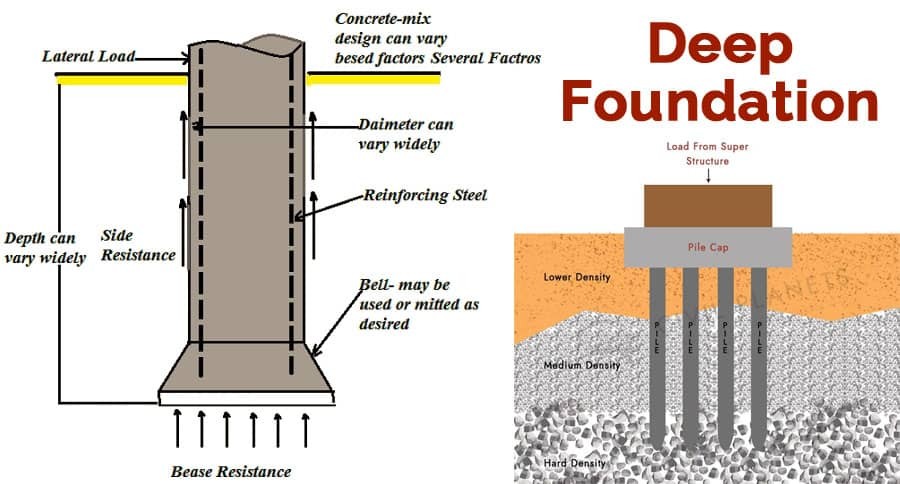
Lack of Deep Foundation: The inherent characteristic of Post and Block construction is its reliance on a relatively shallow foundation system, which can present several challenges and limitations, particularly in environments that demand a more robust foundation due to soil conditions, water tables, or seismic considerations.
-
Impact on Stability in Unstable Soils: In areas where the soil is loose, highly organic, or prone to significant shifts in moisture content, the lack of a deep foundation can lead to differential settling. As the ground beneath the foundation moves, it can cause portions of the structure to settle at different rates, leading to uneven floors, cracked walls, and doors or windows that do not close properly.
-
High Water Tables and Flooding: Regions with high water tables pose a unique challenge for Post and Block foundations. The close proximity of the foundation to the surface allows water to pool around the wooden posts, exacerbating the risk of moisture damage discussed earlier. Additionally, in flood-prone areas, the lack of elevation provided by a deeper foundation means that structures are more susceptible to flood damage.
-
Seismic Activity Concerns: In regions prone to earthquakes, the foundation’s depth and stability are crucial for the structure’s resilience to seismic forces. Deep foundations, such as pile systems or drilled shafts, are designed to reach stable soil or rock layers that can better withstand the shaking of an earthquake. Post and Block foundations, by contrast, lack this deep anchorage, making structures potentially more vulnerable to damage during seismic events.
-
Compromised Structural Integrity: Over time, the settling, shifting, or uplift experienced by structures with shallow foundations can lead to a range of structural issues. These can include significant alignment problems, stress on framing members, and even the detachment of structural components. Such issues not only compromise the safety and usability of the structure but can also lead to expensive remedial work.
Durability Concerns: The use of Post and Block foundation systems, while economically and logistically appealing for certain projects, raises concerns about their long-term durability compared to more contemporary foundation methods. The core issues affecting the durability of Post and Block foundations are multi-faceted, stemming from their inherent design and interaction with environmental elements:
-
Exposure to Environmental Elements: Post and Block foundations are directly exposed to a variety of environmental elements, including moisture, temperature fluctuations, and potentially aggressive soil conditions. Unlike deeper foundations that benefit from the more stable temperatures and conditions found below the frost line, Post and Block structures are at the mercy of surface conditions. This exposure accelerates wear and degradation processes, such as erosion of the blocks or stones and decay of the wooden posts.
-
Wood Rot and Pest Infestation: The wooden components of Post and Block foundations are particularly susceptible to rot and pest infestation. Wood rot, caused by fungi that thrive in moist conditions, can significantly weaken the structural integrity of the posts. Similarly, pests such as termites and carpenter ants are attracted to damp and decaying wood, potentially causing further damage. The proximity of the wood to the ground in Post and Block setups makes it easier for pests to access and infest the wood, exacerbating the problem.
-
Frequent Maintenance Requirements: Due to their vulnerability to environmental stressors, Post and Block foundations often require more frequent maintenance than deeper, more protected foundation types. Regular inspections are necessary to identify early signs of decay, pest infestation, or structural weakening. Repairs and interventions, such as replacing damaged posts or treating wood to prevent rot and pests, can be both disruptive and costly.
-
Potential for Early Replacement: In some cases, the cumulative effects of environmental exposure, wood rot, and pest infestation can lead to a situation where the foundation no longer adequately supports the structure. When repair is no longer feasible or cost-effective, early replacement of the foundation may be necessary. This replacement not only involves significant expense but also considerable inconvenience, as it can require lifting or otherwise stabilizing the structure during the foundation replacement process.
-
Comparison with Modern Foundation Methods: Modern foundation techniques, such as poured concrete foundations, pier and beam systems with deep piers, and slab-on-grade foundations, offer enhanced durability by reducing direct exposure to moisture and pests and by providing a more stable base in various soil conditions. These methods often incorporate materials and design principles that specifically address the limitations found in Post and Block constructions, such as deeper penetration into the ground to reach more stable soil layers and the use of treated or more durable materials to resist decay and pests.
Identification
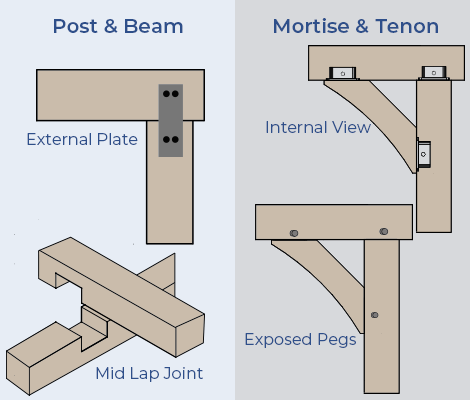
Identifying a Post and Block foundation is relatively straightforward, particularly in older or historic structures where this method was more commonly used. The key indicator is the presence of visible concrete blocks or stones at the base of wooden posts. These foundational elements serve as the primary support for the structure above, and their characteristics provide insights into the construction method and potential concerns associated with the foundation.
-
Visible Concrete Blocks or Stones: The most obvious sign of a Post and Block foundation is the sight of concrete blocks or natural stones positioned at the base of wooden posts. These blocks may vary in size and shape, reflecting the construction practices at the time of building. In some cases, the blocks may be rough and uneven, especially if they are stones chosen for their availability rather than their uniformity.
-
Location Relative to Ground Level: Typically, these blocks or stones are placed directly on the ground or are only slightly elevated above it. This positioning is a hallmark of Post and Block construction, distinguishing it from more modern methods that elevate the wooden structure further from the ground to protect against moisture and other environmental risks.
-
Lack of Moisture Barriers: In many instances, especially in structures built before contemporary building standards, there will be an absence of visible moisture barriers between the concrete blocks and the wooden posts. Modern constructions often include plastic sheeting, rubber membranes, or other barriers to prevent moisture from wicking up into the wood. The absence of these features in a foundation suggests an older construction method and may indicate a higher risk of moisture-related issues.
-
Shallow Footing: The foundation’s footing, or the base upon which the blocks or stones are laid, may also provide clues. Post and Block foundations typically do not have deep footings that extend below the frost line. Instead, the footings may be shallow, sometimes consisting of little more than a flattened earth pad or a thin layer of gravel. This shallow footing contributes to the foundation’s susceptibility to movement and settling over time.
-
Assessment for Potential Issues: When inspecting a structure with a Post and Block foundation, it is crucial to assess for signs of wear, decay, or instability. Look for tilting or leaning posts, which may indicate settling or shifting of the foundation blocks. Check the condition of the wood where it meets the block for signs of rot, insect damage, or other deterioration. These issues can compromise the structural integrity of the building and may require intervention to prevent further damage.
Post and Pier Construction: An Overview
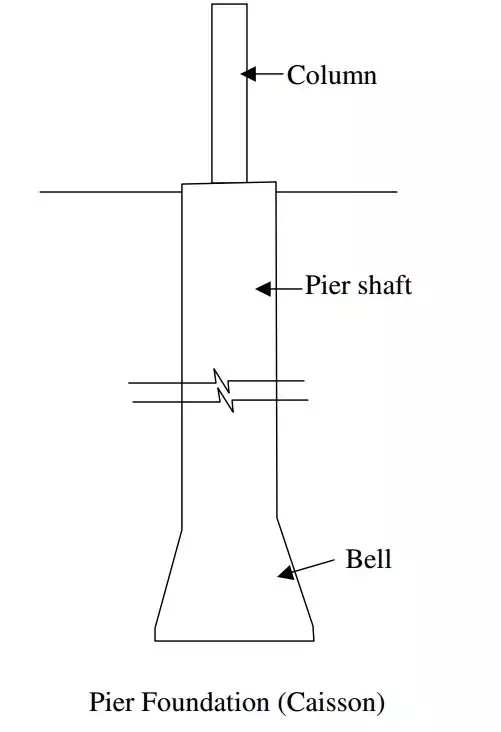
Post and Pier construction, also known as pier and beam construction, involves using concrete piers or columns to support wooden posts, which bear the weight of the structure above. This method is preferred because it addresses challenges associated with conventional foundation techniques, such as moisture exposure and lack of a solid foundation. This article provides a detailed account of Post and Pier construction, including its historical context, reasons for its adoption, and the sequential steps involved in the construction process.
History:
The roots of Post and Pier construction can be traced back to ancient building practices, making it a time-honored foundation method. This approach likely originated as a response to environmental challenges, particularly those related to moisture and uneven terrain. In various forms, Post and Pier construction has been used for centuries in different cultures worldwide.
One of the defining historical aspects of Post and Pier construction is its adaptability to diverse environmental conditions. In regions with high water tables, frequent flooding, or unstable soil, elevating structures on piers or wooden posts provided a practical solution to mitigate these challenges. This historical adaptability contributed to the continued use of Post and Pier construction in various parts of the world.
Over time, as building techniques and materials evolved, Post and Pier construction became more refined. In the United States, this construction method gained popularity in the late 19th and early 20th centuries. It was particularly favored in areas prone to flooding or where the terrain made traditional foundations challenging to implement. Post and Pier construction has persisted into the modern era and remains a viable foundation option for a range of building projects, offering distinct advantages in specific environmental and site conditions.
Reasons for Using Post and Pier Construction:
There are several compelling reasons for choosing Post and Pier construction as a foundation method:
Moisture Mitigation in Post and Pier Construction:
Moisture mitigation is one of the paramount advantages of choosing Post and Pier construction as a foundation method. This approach effectively addresses and minimizes the risks associated with moisture-related issues that can compromise the structural integrity and longevity of a building. Here’s a closer look at how Post and Pier construction excels in this regard:
-
Elevation Above Ground: One of the primary strategies employed by Post and Pier construction to combat moisture infiltration is elevation. In this method, wooden posts are positioned on top of concrete piers, raising them above ground level. This elevation serves as a crucial barrier that prevents direct contact between the wooden components of the structure and the potentially damp or saturated ground beneath. By keeping the wood above ground level, the risk of moisture wicking up into the posts is significantly reduced.
-
Moisture Barrier Integration: In addition to elevation, Post and Pier construction often incorporates moisture barriers into the foundation design. These barriers can take the form of plastic sheeting, rubber membranes, or other waterproofing materials. They are strategically placed between the concrete piers and the wooden posts, further enhancing moisture protection. These moisture barriers act as an additional line of defense, preventing any residual moisture from seeping into the wood.
Adaptability to Challenging Terrain in Post and Pier Construction:
Post and Pier construction stands out as a foundation method renowned for its remarkable adaptability to challenging terrain. Whether a construction site features uneven terrain, sloping landscapes, or other geographical complexities, this method offers unique advantages that simplify construction. Here’s an in-depth exploration of how Post and Pier construction excels in adapting to challenging terrain:
-
Elevation Flexibility: The hallmark of Post and Pier construction lies in its flexibility when it comes to elevating a structure. Unlike traditional foundation methods that necessitate uniform and level surfaces, Post and Pier foundations can accommodate the natural contours of the land. This adaptability is made possible by the use of concrete piers of varying heights. Construction professionals can adjust the height of each pier to match the specific terrain, ensuring that the structure remains level and stable regardless of the landscape’s irregularities.
-
Minimal Site Grading: In conventional construction, uneven or sloping terrain often requires extensive site grading to create a level foundation. This process involves significant excavation and earthmoving to prepare the ground for the foundation. In contrast, Post and Pier construction minimizes the need for extensive site grading. By strategically placing piers at the appropriate heights, the foundation can be established directly on the existing landscape, reducing the time, effort, and cost associated with extensive grading work.
-
Preservation of Natural Features: Post and Pier construction aligns with principles of sustainable and environmentally conscious building. It allows for the preservation of natural features on the site, such as mature trees, natural waterways, or unique geological formations. Since minimal grading is required, the construction process has a reduced impact on the natural surroundings, making it an eco-friendly choice for building in environmentally sensitive areas.
-
Slope Compatibility: Sloping landscapes pose significant challenges for traditional foundation methods. However, Post and Pier construction thrives in such environments. It can be seamlessly integrated into sloping sites, with piers strategically placed to match the slope’s contours. This not only simplifies construction but also enhances the aesthetic appeal of the structure, as it can be designed to follow the natural flow of the land.
-
Cost-Efficiency: The adaptability of Post and Pier construction to challenging terrain often translates into cost savings. Since there is less need for extensive excavation, grading, and site preparation, construction expenses are reduced. Additionally, the construction timeline may be shorter, further minimizing labor costs. These cost-efficiency benefits make Post and Pier construction an attractive option for projects with budget constraints.
-
Improved Stability: The ability to tailor the foundation to the specific terrain enhances the overall stability of the structure. By ensuring that the foundation components are in direct contact with stable ground, the risk of settling or shifting over time is significantly reduced. This contributes to the long-term structural integrity and safety of the building.
Architectural Freedom: Post and Pier construction’s adaptability extends to architectural design. Builders and architects have greater creative freedom when working with this method. The flexibility in pier placement allows for innovative and unique building designs that embrace the natural landscape. Structures can be elevated to provide panoramic views, blend harmoniously with the surroundings, or take advantage of natural light and ventilation.
Resistance to Pests in Post and Pier Construction:
One of the significant advantages of Post and Pier construction as a foundation method is its inherent resistance to pests, particularly termites and carpenter ants. Elevated wooden posts play a crucial role in reducing the accessibility of these destructive insects to the structure. Here, we delve into the details of how Post and Pier construction effectively mitigates the risk of pest infestations and safeguards against structural damage:
-
Elevated Structure: The fundamental principle of Post and Pier construction involves elevating the wooden components of the building above the ground level. This elevation is achieved by supporting the structure on concrete piers or columns. As a result, the wooden posts, beams, and floor joists are positioned several feet above the soil, creating a physical barrier that makes it challenging for pests to access the wood.
-
Inaccessibility to Ground-Level Wood: Termites and carpenter ants, among other wood-destroying pests, are naturally drawn to damp or decaying wood. When wood is in direct contact with the ground, it becomes highly susceptible to infestations. In traditional foundation methods that involve wood being placed directly on or in close proximity to the soil, pests can easily tunnel into the wood, causing extensive damage over time. However, in Post and Pier construction, the wooden elements are elevated and, therefore, out of reach for pests residing in the ground.
-
Termite Vulnerability Mitigation: Termites, in particular, are a pervasive threat to wooden structures. They are known for their ability to tunnel through wood, consuming cellulose material and weakening the structural integrity of buildings. In Post and Pier construction, the elevation of the wooden posts prevents termites from gaining direct access to the structural wood. This significantly reduces the risk of termite infestations and the associated damage.
-
Carpenter Ant Prevention: Carpenter ants, while not consuming wood like termites, excavate galleries within wood to create nesting sites. Elevated wooden components in Post and Pier construction are less appealing to carpenter ants as nesting sites due to the reduced moisture content and increased difficulty of accessing the wood. As a result, the risk of carpenter ant infestations is notably lower.
Seismic Considerations in Post and Pier Construction:
Post and Pier construction offers unique advantages in regions prone to earthquakes, as it provides a level of seismic resilience that can mitigate the risk of structural damage. This resilience is primarily attributed to the method’s elevation of the structure on piers and the flexibility of wooden posts. Here, we delve into the seismic considerations associated with Post and Pier construction and how it enhances the building’s ability to withstand seismic forces:
-
Elevation and Flexibility: The fundamental characteristic of Post and Pier construction is the elevation of the wooden structure above the ground on concrete piers or columns. This elevation creates a degree of separation between the building and the soil, reducing the direct transmission of seismic forces. Additionally, the wooden posts, which support the structure, exhibit a level of flexibility that can absorb and dissipate energy during an earthquake.
-
Reduced Ground Motion Transfer: During an earthquake, the ground experiences lateral shaking, which can exert significant forces on a building’s foundation. In traditional foundation methods that involve rigid connections to the ground, such as concrete slab foundations, the ground motion is directly transmitted to the building, increasing the risk of structural damage. In contrast, Post and Pier construction’s elevated structure and the use of wooden posts allow for some degree of decoupling between the building and the ground. This decoupling reduces the intensity of ground motion transferred to the structure, contributing to its seismic resilience.
-
Energy Absorption: Wooden posts in Post and Pier construction possess inherent flexibility, allowing them to sway and dissipate energy when subjected to seismic forces. This dynamic response enables the building to absorb and distribute the energy generated by ground shaking, reducing the impact on the structure’s components. As a result, the risk of damage to walls, floors, and other structural elements is mitigated.
Access to Utilities in Post and Pier Construction:
One of the advantages of Post and Pier construction is the creation of a crawl space beneath the structure. This crawl space offers easy access to utilities such as plumbing and electrical systems, which can significantly simplify maintenance and repairs. Here, we delve into the importance of access to utilities in Post and Pier construction and how it enhances the functionality and convenience of a building:
-
Crawl Space Design: Post and Pier construction inherently incorporates a crawl space between the elevated structure and the ground. This crawl space is typically characterized by its accessibility and open design, allowing for easy entry and movement beneath the building. The size and height of the crawl space can vary depending on the specific design and elevation of the structure.
-
Access to Plumbing Systems: The crawl space beneath a building in Post and Pier construction provides a readily accessible location for plumbing systems. Water supply lines, drainage pipes, and sewage systems can be routed through this space. This accessibility simplifies installation, inspection, and maintenance of plumbing components. When plumbing issues arise, such as leaks or blockages, plumbers can access the crawl space to make repairs without the need for extensive excavation or demolition of walls and floors.
-
Convenient Electrical Access: Electrical systems, including wiring and conduits, can also be routed through the crawl space. This design choice facilitates the installation of electrical components during construction and allows for straightforward maintenance and repairs in the event of electrical problems. Electricians can easily access the crawl space to address issues such as wiring repairs, circuit troubleshooting, or the installation of new electrical outlets or fixtures.
-
HVAC Infrastructure: Heating, ventilation, and air conditioning (HVAC) systems often require ductwork and equipment placement. The crawl space can house HVAC ducts, air handlers, or other components, making it a practical location for the building’s climate control systems. Maintenance and servicing of HVAC equipment are simplified when it is located in an accessible crawl space.
-
Inspection and Maintenance: Routine inspections and maintenance tasks are essential for the long-term functionality and efficiency of plumbing, electrical, and HVAC systems. The accessibility of these systems in the crawl space streamlines these tasks. Inspectors and maintenance professionals can enter the crawl space to assess the condition of utilities, identify potential issues, and perform preventive maintenance. This proactive approach helps prevent major utility-related problems and ensures the uninterrupted operation of essential systems.
-
Repairs and Modifications: In the event of utility failures or the need for system upgrades, the crawl space provides a space where repairs or modifications can be carried out with minimal disruption to the interior of the building. This can be particularly advantageous when compared to structures with utilities hidden within walls, ceilings, or floors, which often require extensive and costly demolition to access and repair utilities.
-
Flexibility in Design: Post and Pier construction allows for flexibility in the design and placement of utilities within the crawl space. Engineers and builders can strategically position plumbing, electrical, and HVAC components to optimize functionality and minimize interference with the overall layout of the structure. This flexibility ensures that utilities are efficiently integrated into the building’s design.
Construction Process for Post and Pier Foundations:
Construction Process for Post and Pier Foundations:

The construction process for Post and Pier foundations is a methodical and essential sequence of steps aimed at creating a robust and elevated support system for a building. Each step contributes to the stability, durability, and adaptability of the foundation. Here’s a detailed expansion of each phase in the construction process:
-
1. Site Preparation for Post and Pier Construction:
Site preparation for Post and Pier construction is distinct due to the unique requirements of this foundation method:
-
Vegetation Removal: Clearing vegetation is crucial to create space for the concrete piers. Trees, shrubs, and other plants that could interfere with pier placement are removed.
-
Obstruction Clearance: Besides vegetation, any existing obstructions within the construction area are cleared. This includes rocks, roots, and any structures that might hinder pier installation.
-
Grading and Leveling: Unlike traditional grading for slopes, Post and Pier construction often involves leveling the ground to create an even surface where piers can be positioned uniformly.
-
Soil Assessment for Pier Placement: The soil is assessed specifically to determine its load-bearing capacity for the concrete piers. Engineers analyze whether the soil can provide adequate support for the piers and the structure above.
2. Excavation (if necessary) in Post and Pier Construction:
Excavation, while not always required, is carried out with precision in Post and Pier construction:
-
Depth and Dimensions: Excavation depth and dimensions are meticulously calculated based on the architectural plans and engineering requirements. This ensures that there is sufficient space for the concrete piers to be installed securely.
-
Soil Stability for Pier Placement: Soil stability is a primary concern during excavation. Engineers assess the soil to confirm its ability to bear the weight of the concrete piers and the structure. Soil stabilization methods may be implemented if needed.
-
Safety Measures: Safety protocols are tailored to the specifics of excavation for Post and Pier construction. Workers ensure that the excavated areas are safe and properly supported to prevent cave-ins or accidents.
-
Environmental Considerations: Environmental protection measures are implemented, especially since the construction area is often elevated. Steps are taken to prevent soil erosion, sediment runoff, and any environmental impact associated with excavation activities.
Concrete Piers in Post and Pier Construction:
Concrete piers, also known as concrete columns or sonotubes, are a critical element of the foundation in Post and Pier construction. Here’s a detailed description of these piers, including their formation and importance:
Purpose of Concrete Piers:
Concrete piers serve as the primary support for the entire structure in Post and Pier construction. They play a crucial role in distributing the building’s weight evenly and preventing direct contact between the wooden posts and the ground, mitigating moisture-related issues.
Formation of Concrete Piers:
Concrete piers can be formed using one of two methods:
-
Pre-dug Holes: In some cases, pre-dug holes are prepared at strategic locations on the construction site. These holes are excavated to the required depth and dimensions to accommodate the concrete piers.
-
On-site Molds (Sonotubes): Alternatively, concrete piers can be formed directly on-site using cylindrical molds known as sonotubes. Sonotubes are inserted into the ground at the designated locations and are then filled with wet concrete to create the piers.
Size, Spacing, and Depth:
The size, spacing, and depth of the concrete piers are meticulously calculated based on architectural plans and engineering requirements. These calculations take into account the anticipated loads, soil conditions, and structural demands of the building.
-
Size: The diameter of the piers can vary depending on the design, but it is typically sized to provide adequate support for the structure.
-
Spacing: The spacing between piers is determined to evenly distribute the load of the building. It ensures that the weight is transferred effectively to the piers, preventing uneven settling.
-
Depth: The depth of the piers is determined by factors such as soil stability and load-bearing capacity. Piers need to extend deep enough to reach stable soil or bedrock, ensuring the foundation’s stability.
Reinforcement Materials:
To enhance the strength and longevity of the concrete piers, reinforcement materials like rebar (steel reinforcement bars) may be added during the pouring process. Rebar provides additional structural integrity and helps the piers withstand various environmental factors.
Curing Time:
Once the concrete is poured into the sonotubes or pre-dug holes, curing time is observed. Curing is the process of maintaining adequate moisture and temperature conditions to allow the concrete to achieve its full structural integrity. It ensures that the piers are strong and durable, capable of supporting the building.
-
-
Wooden Posts:
-
Once the concrete piers have sufficiently cured and hardened, wooden posts are strategically placed on top of them.
-
Wooden posts are integral for vertically supporting the structure and must be positioned with precision.
-
These posts are generally spaced evenly to evenly distribute the weight of the building.
-
-
Framework for Structural Support:
The floor framing phase involves the creation of a framework that serves as the structural foundation for the subfloor and the entire building. This framework is essential for several reasons:
-
Structural Stability: The horizontal beams and joists that make up the floor framing provide essential structural stability to the building. They distribute the loads from the walls, floors, and roof evenly to the wooden posts and, ultimately, to the concrete piers. This distribution of weight ensures that the building is properly supported and prevents structural issues such as sagging or uneven settling.
-
Load-Bearing Capacity: The floor framing elements are designed to have sufficient load-bearing capacity to support the weight of the building, its occupants, and any additional loads such as furniture and equipment. Properly sized and spaced beams and joists are crucial for ensuring that the building can safely carry these loads without compromising its structural integrity.
Proper Alignment and Securing:
Achieving proper alignment and securing of the floor framing elements is essential for the overall structural integrity of the building. Here’s how this is typically accomplished:
-
Alignment: During the floor framing phase, precise measurements and alignment are critical. Beams and joists must be cut and positioned accurately to fit within the designated spaces and align with the layout of the building. Proper alignment ensures that the subfloor and the rest of the structure will be level and square, preventing issues such as sloping floors or misaligned walls.
-
Securing Elements: Once the beams and joists are correctly positioned, they are securely attached to the wooden posts and concrete piers. This attachment is typically done using fasteners such as bolts or brackets. Securely fastening the framing elements to the support structure ensures that they will remain in place and effectively distribute the loads they bear.
-
-
Subfloor and Structure:
-
With the floor framing in place, the subfloor and the main structure of the building are erected according to the approved building plans.
-
Walls, roof components, and any additional structural elements are assembled, ensuring they are correctly aligned and securely fastened.
-
Exterior sheathing and roofing materials are applied to protect the building from weather and environmental elements.
-
-
Utilities and Crawl Space:
-
The crawl space beneath the elevated structure serves a dual purpose: accommodating utilities and facilitating maintenance access.
-
Plumbing systems, including water supply and drainage, are routed through the crawl space.
-
Electrical systems, such as wiring and conduits, are installed, ensuring safe and efficient distribution of electricity.
-
HVAC components, such as ductwork and air handlers, may be strategically placed in the crawl space to maintain indoor comfort.
-
Access openings are thoughtfully provided to enable easy access for routine maintenance and repairs of utilities.
-
Providing a Deep Foundation in Post and Pier Construction:
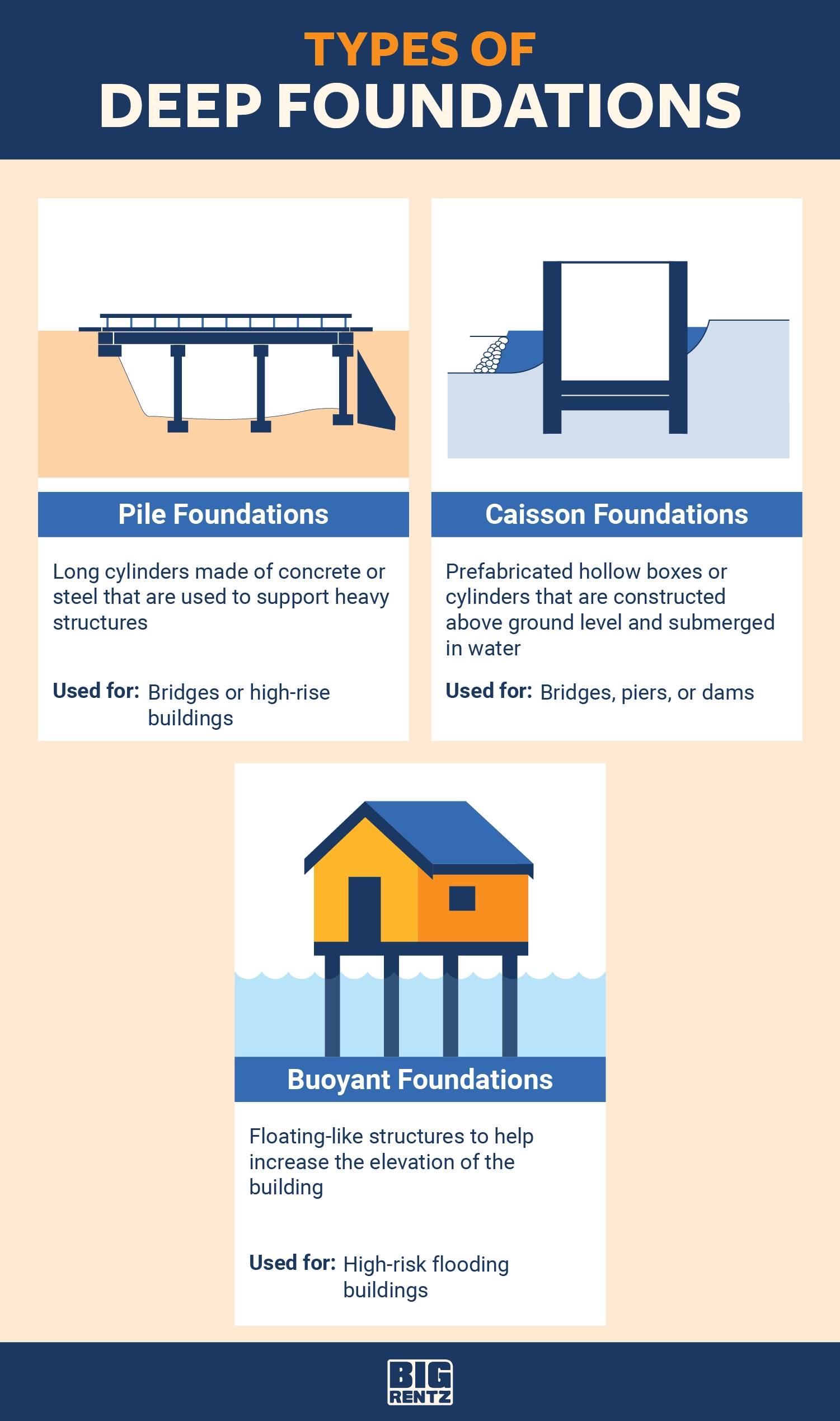
The concept of providing a deep foundation is a fundamental advantage of Post and Pier construction. Let’s delve into this aspect in more detail:
1. Extending Below the Frost Line:
Concrete piers, a central component of Post and Pier construction, are strategically designed to extend below the frost line. The frost line refers to the depth at which soil freezes in cold climates during the winter months. This depth varies depending on geographical location and climate but typically ranges from a few inches to several feet below the surface.
2. Ensuring Stability in Challenging Conditions:
The primary purpose of extending the foundation below the frost line is to ensure stability in areas with challenging soil conditions, high water tables, or seismic activity. Here’s why this is advantageous:
-
Unstable Soil: In regions with soil prone to shifting, settling, or compacting, a deep foundation is essential. By anchoring the foundation well below the frost line, the structure is less susceptible to the effects of unstable soil. This minimizes the risk of uneven settling, which can lead to structural damage and compromised stability.
-
High Water Tables: Areas with high water tables, where the groundwater level is close to the surface, can pose challenges for traditional shallow foundations. By extending the foundation deep into the ground, Post and Pier construction mitigates the risk of water-related issues. It prevents water from infiltrating beneath the structure and potentially causing foundation problems.
-
Seismic Activity: Post and Pier construction with deep foundations can provide a level of seismic resilience. During an earthquake, the deep foundation allows for some degree of movement, reducing the risk of structural damage compared to rigid foundations. This flexibility can be crucial in earthquake-prone regions.
3. Minimizing Settling and Shifting:
The depth of the foundation in Post and Pier construction plays a vital role in minimizing settling or shifting over time. Here’s how:
-
Preserving Levelness: The foundation’s deep anchoring helps maintain the levelness of the structure over the years. It prevents the gradual sinking or tilting of the building, which can occur with shallow foundations.
-
Stability Over Time: Structures with deep foundations are less likely to experience significant shifts or settlements. This stability contributes to the longevity and structural integrity of the building, reducing the need for costly repairs or adjustments.
Identification of Post and Pier Foundations:
Identifying a Post and Pier foundation is relatively straightforward, as it involves recognizing key visual cues and structural elements that are characteristic of this construction method. Here’s how to identify a Post and Pier foundation:
1. Concrete Piers:
The most prominent feature of a Post and Pier foundation is the presence of concrete piers. These piers are the foundational elements that support the structure. To identify them:
-
Cylindrical Shape: Concrete piers used in Post and Pier construction are typically cylindrical in shape. Look for round columns of concrete positioned at various locations beneath the structure. These columns may vary in diameter and height depending on the design and load-bearing requirements of the building.
-
Elevation Above Ground: Unlike traditional foundations, where the building sits directly on the ground or concrete blocks, in Post and Pier construction, the structure is elevated above ground level. Therefore, concrete piers are often visible above the ground surface. They serve as the points of contact between the building and the ground.
2. Wooden Posts:
In addition to concrete piers, wooden posts are another key component of Post and Pier foundations. To identify them:
-
Positioned on Piers: Wooden posts are strategically positioned on top of the concrete piers. They are often evenly spaced to distribute the weight of the building. Look for wooden beams or columns resting on the cylindrical concrete piers.
-
Above Ground Level: Similar to the concrete piers, the wooden posts are elevated above the ground. This elevation is a distinctive feature of Post and Pier construction and helps prevent moisture-related issues.
3. Crawl Space:
Post and Pier construction creates a crawl space beneath the structure. To identify this crawl space:
-
Access Openings: Look for access openings or vents located around the perimeter of the building. These openings provide access to the crawl space beneath the structure and serve as ventilation points. They are often equipped with screens or covers.
-
Space Beneath the Building: Depending on the design, you may be able to see a visible gap between the bottom of the structure and the ground. This gap is the crawl space and is a characteristic feature of Post and Pier foundations.
4. Visual Inspection:
A visual inspection of the building’s foundation can reveal the presence of concrete piers and elevated wooden posts. You may need to examine the exterior of the building, particularly the area where the foundation meets the ground, to identify these elements.
Modern Relevance and Adaptations
While post and block is considered outdated for structural foundations, due to its vulnerability to environmental elements, post and pier remains a viable and preferred choice for many contemporary applications. Modern post and beam construction often integrates sustainable practices, such as using reclaimed timber or incorporating passive solar design principles, reflecting a growing awareness of environmental impact and energy efficiency.
Sustainable Practices in Post and Pier Construction:
Sustainable practices in Post and Pier construction are essential for reducing the environmental impact of building projects while ensuring long-term structural integrity. Here are some sustainable practices commonly associated with this construction method:
-
Utilizing Reclaimed Wood: Reclaimed wood is a sustainable alternative to using new lumber. By repurposing wood from old structures or salvaging wood from other sources, builders can reduce the demand for freshly harvested timber. This not only preserves natural resources but also adds a unique character and history to the building. Reclaimed wood can be used for both the wooden posts and other structural elements, contributing to the sustainability of the construction project.
-
Passive Solar Design: Sustainable Post and Pier construction can benefit from passive solar design principles. This involves strategic planning of the building’s layout and features to maximize energy efficiency. Key aspects of passive solar design include:
-
Strategic Window Placement: Positioning windows and glazing to optimize natural daylight and passive solar heating during the winter months, reducing the need for artificial lighting and heating.
-
Thermal Mass: Incorporating thermal mass materials, such as concrete or masonry, into the building’s design to absorb and store heat, helping to regulate indoor temperatures naturally.
-
Solar Shading: Implementing features like roof overhangs or shading devices to control solar gain during the summer, preventing overheating.
Passive solar principles can significantly enhance energy efficiency and reduce the building’s reliance on mechanical heating and cooling systems.
-
Technological Advancements in Post and Pier Construction:
The construction industry has benefited from technological advancements that have improved the efficiency and design possibilities of Post and Pier construction:
-
Engineered Wood Products: Engineered wood products, such as laminated veneer lumber (LVL) beams, have gained popularity in Post and Pier construction. These products offer greater strength, stability, and consistency compared to traditional solid wood beams. LVL beams are manufactured by bonding together thin layers of wood veneer with adhesive, resulting in a strong and reliable structural component. Their use expands design possibilities and ensures the durability of the foundation.
-
Computer-Aided Design (CAD) Software: CAD software has revolutionized the planning and design phase of construction projects. Architects and engineers can use CAD software to create precise and detailed plans for Post and Pier foundations. This technology facilitates complex architectural features and allows for customization to meet the specific needs of the building. CAD software also enhances accuracy and efficiency in the construction process by providing precise measurements and specifications.
Conclusion
Post and beam construction embodies a blend of tradition and innovation, offering robust structural capabilities alongside aesthetic flexibility. While the post and block approach has largely fallen out of favor due to its limitations, post and pier construction continues to provide a solid foundation for buildings that harmonize with their environment. As we look to the future, the principles of post and beam construction, with its emphasis on natural materials, craftsmanship, and sustainable design, remain more relevant than ever, offering a path to create spaces that are both beautiful and enduring.