
Wood Siding
What is Real Wood Siding?
Introduction
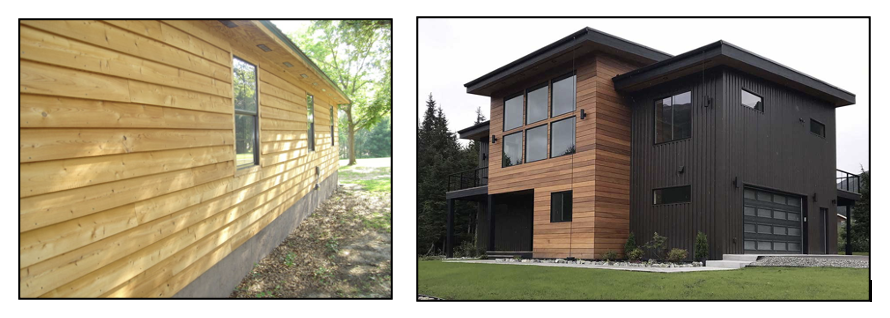
Welcome to this comprehensive guide on real wood siding! As a real estate broker, understanding different siding types, their identification, and key features is essential for evaluating and listing properties. In this guide, we’ll provide you with a broad understanding of real wood siding, its advantages, common wood species, and how to identify it.
Section 1: What is Real Wood Siding?
Real wood siding, often simply referred to as wood siding, is a traditional and timeless exterior cladding option for residential properties. It involves the use of natural wood boards or shingles to cover and protect the exterior walls of a house. This classic siding choice offers a range of benefits and features that make it a desirable option for homeowners.
Timeless Aesthetic Appeal
One of the most notable characteristics of real wood siding is its timeless aesthetic appeal. It exudes a sense of authenticity and warmth that is hard to replicate with synthetic materials. The natural grains and patterns of the wood create a unique and inviting look for any home. Whether it’s a rustic log cabin, a charming Cape Cod-style house, or a modern architectural masterpiece, real wood siding complements various architectural styles and designs.
Variety of Wood Species and Styles
Real wood siding is available in a wide variety of wood species, each with its own unique characteristics. Common wood species used for siding include cedar, redwood, pine, spruce, fir, and more. Each wood type offers distinct grain patterns, colors, and durability levels. This diversity allows homeowners to choose a wood species that aligns with their aesthetic preferences and budget.
Furthermore, real wood siding comes in different styles, including:
-
Clapboard: Horizontal boards with overlapping edges, creating a classic look.
-
Shingles: Small, individual pieces of wood that can be installed in various patterns, such as scalloped or straight edge.
-
Board and Batten: A combination of wide boards (boards) and narrow strips (batten) that provide a rustic and charming appearance.
-
Logs: Often used for log cabin-style homes, log siding mimics the appearance of stacked logs.
Environmental Sustainability
Wood siding can be an environmentally sustainable choice when sourced responsibly. Many homeowners appreciate the eco-friendliness of real wood siding, as wood is a renewable resource. Encourage your clients to look for siding products that bear certifications like the Forest Stewardship Council (FSC), indicating responsible forestry practices.
Warm and Insulating Properties
Wood is a natural insulator, which means that homes with real wood siding often have good thermal insulation. This can lead to energy savings and increased comfort for homeowners. Additionally, wood siding can create a cozy and inviting atmosphere, making it a popular choice for homes in various climates.
In summary, real wood siding is a classic and versatile choice for exterior cladding. Its timeless aesthetic appeal, variety of wood species and styles, environmental sustainability, and insulating properties make it an attractive option for homeowners looking to enhance both the look and functionality of their homes. As a real estate broker, understanding these qualities will enable you to effectively convey the value of real wood siding to your clients.
Common Wood Species for Siding
Understanding the different wood species used for siding is crucial, as it affects the siding’s appearance and durability. Here are some common wood species you may encounter:
Cedar Wood Siding
Appearance
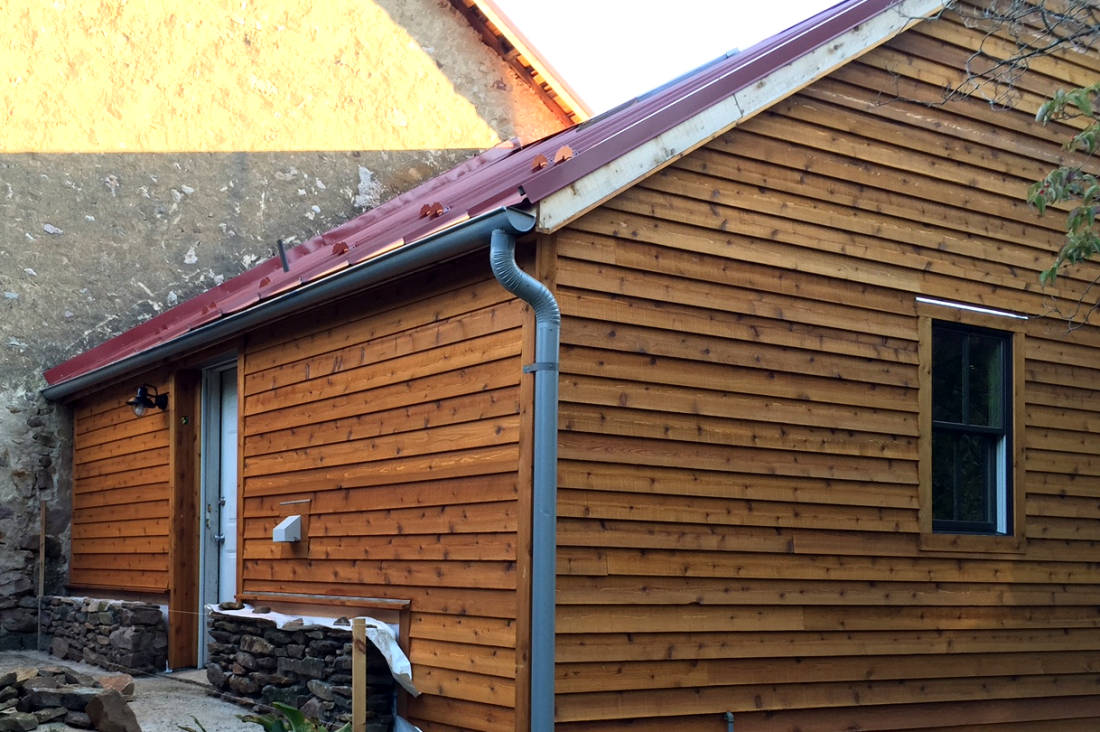
Cedar wood siding is renowned for its exquisite appearance. It boasts a beautiful reddish-brown hue that captivates homeowners and architects alike. However, what adds to its allure is the transformation it undergoes over time. As cedar weathers, it gracefully matures into a stunning silver-gray patina. This unique aging process adds character and charm to homes, making them stand out in any neighborhood.
Availability
Cedar wood siding is widely available, making it a feasible option for homeowners. Its popularity in the market ensures that cedar siding products are accessible and offered by many suppliers and retailers.
Pros
Cedar wood siding offers several advantages:
1. Natural Decay Resistance: Cedar wood is naturally resistant to decay, a quality attributed to its rich abundance of natural oils. These oils act as a protective barrier, preventing moisture from penetrating the wood and discouraging rot. As a result, cedar wood siding tends to have a longer lifespan compared to other siding materials, especially in regions with high humidity or frequent rainfall.
2. Pest Resistance: In addition to its decay resistance, cedar wood boasts natural pest-repelling properties. The same oils that deter decay also make cedar unattractive to insects, including termites and carpenter ants. This resistance to wood-eating pests can save homeowners from the costly repairs and treatments often associated with pest infestations.
3. Low Maintenance: Cedar wood siding is relatively low-maintenance. Its natural decay and pest resistance reduce the need for frequent treatments or repairs. Additionally, the weathering process mentioned earlier eliminates the need for frequent painting or staining. Many homeowners appreciate the ease of maintenance that cedar siding offers, especially when compared to other siding materials that require more rigorous upkeep.
4. Insulating Properties: Cedar wood is a natural insulator, contributing to the energy efficiency of homes. The siding’s insulating properties can help regulate indoor temperatures, keeping homes cooler in the summer and warmer in the winter. This can lead to energy savings and increased comfort for homeowners.
5. Aromatic Fragrance: Cedar wood is known for its delightful, aromatic fragrance. This natural scent can add a pleasant ambiance to outdoor spaces, and many homeowners enjoy the subtle aroma that cedar wood siding imparts to their homes.
6. Sustainable Choice: For environmentally conscious homeowners, cedar wood siding can be a sustainable choice. Cedar is a renewable resource, and when harvested responsibly, it can be an eco-friendly siding option. Encourage your clients to consider cedar products that bear certifications like the Forest Stewardship Council (FSC) to ensure responsible sourcing.
Cons
While cedar wood siding offers numerous benefits, it also has some limitations:
1. Initial Cost: Compared to certain other siding materials, cedar wood siding may have a higher initial cost. However, many homeowners view this as an investment in the long-term durability and aesthetics of their homes.
2. Weathering Characteristics: The natural weathering process of cedar wood, while appealing to many, may not be suitable for those seeking a consistent color tone over the years. Some homeowners prefer to apply finishes to maintain the original color.
3. Limited Availability of Old-Growth Cedar: Old-growth cedar, known for its exceptional durability, is becoming less available due to conservation efforts. Newer cedar growth may not offer the same level of decay resistance.
Redwood Wood Siding
Wood Product Description
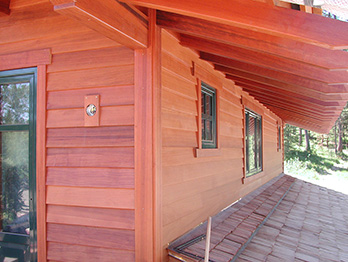
Redwood wood siding is a distinctive exterior cladding option known for its stunning appearance and natural durability. This wood siding is crafted from the heartwood of the redwood tree, characterized by its rich, reddish color. What sets redwood apart is its ability to weather gracefully over time, developing an attractive silvery-gray patina.
Availability
Redwood wood siding is available in various dimensions and profiles, making it suitable for a wide range of architectural styles. It can be sourced from suppliers specializing in quality wood products.
Pros
Redwood wood siding offers several advantages that make it a sought-after choice for homeowners:
1. Natural Decay Resistance:
Redwood’s innate resistance to decay is attributed to its abundance of natural oils and tannins. These components act as a protective barrier, safeguarding the wood from moisture-induced rot. This durability is especially valuable in regions with high humidity or precipitation.
2. Pest Resistance:
In addition to decay resistance, redwood also repels wood-boring insects such as termites and carpenter ants. The same natural oils and tannins that deter decay make redwood an unattractive option for these destructive pests.
3. Low Maintenance:
Redwood wood siding requires minimal maintenance due to its natural durability. Homeowners can enjoy long-lasting protection without the need for frequent treatments or repairs. The wood’s weathering process eliminates the necessity for regular painting or staining.
4. Exceptional Insulation:
Redwood possesses natural insulating properties, contributing to energy efficiency. This insulation can help regulate indoor temperatures, leading to potential energy savings and enhanced comfort.
5. Aesthetic Appeal:
Redwood’s distinctive reddish color and graceful weathering create a distinguished and inviting appearance. Its aesthetic appeal enhances a home’s curb appeal, making it an attractive choice for those seeking visual appeal.
6. Sustainability:
For environmentally-conscious homeowners, responsibly sourced redwood can be an eco-friendly option. Certifications like the Forest Stewardship Council (FSC) ensure sustainable harvesting practices.
Cons
While redwood wood siding offers numerous advantages, it’s important to consider potential drawbacks:
1. Cost:
Redwood siding can be more expensive than some alternative siding materials. Its exceptional durability and aesthetic appeal can justify the higher upfront cost for many homeowners.
2. Limited Availability:
Redwood is primarily sourced from the western United States, which may limit its availability in certain regions. It’s essential to check with local suppliers for availability.
Pine Wood Siding
Appearance
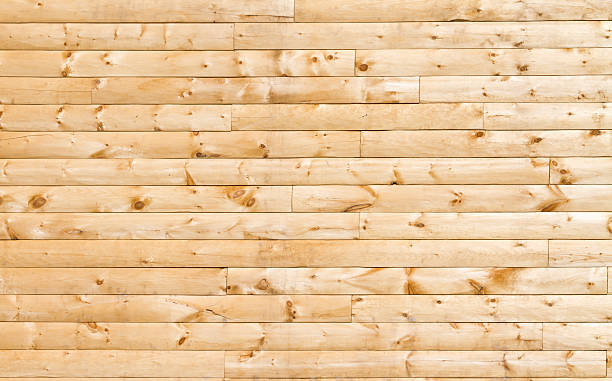
Pine wood siding is recognized for its versatile and natural aesthetic. It typically features a light-yellow to pale-brown color, offering a timeless look that complements various architectural styles. Pine siding can be left untreated to develop a weathered, silvery-gray patina over time or customized with stains or paint, making it adaptable to different design preferences.
Availability
Pine wood is widely available, making pine siding a practical choice for homeowners. Its accessibility in the market contributes to its affordability and popularity as a siding material.
Pros
Pine wood siding offers several advantages:
1. Cost-Effective Option: Pine siding is a budget-friendly choice compared to other wood species, making it an attractive option for homeowners seeking economical yet quality siding.
2. Ease of Installation: Pine’s soft texture simplifies cutting, shaping, and installation, potentially reducing labor costs during siding installation.
3. Acceptance of Finishes: Pine readily accepts various finishes, including stains and paints, providing homeowners with flexibility to achieve their desired visual appeal.
4. Lightweight: Pine wood’s relatively low weight facilitates handling during the installation process, making it manageable for contractors and builders.
5. Natural Aesthetics: The fine grain patterns of pine wood contribute to its natural beauty, enhancing a home’s curb appeal and creating a warm and inviting ambiance.
6. Sustainable Sourcing: Pine wood is often sourced from sustainably managed forests, aligning with eco-friendly practices. It’s advisable for clients to verify the sourcing of pine wood products to ensure responsible harvesting.
7. Repairability: In the event of damage, pine wood siding can be relatively easy to repair or replace due to its accessibility and affordability, promoting long-term durability and maintainability.
Cons
Despite its advantages, pine wood siding has some drawbacks:
1. Susceptibility to Decay: Pine is less naturally resistant to decay compared to certain other wood species. Without proper maintenance, it can be vulnerable to rot over time, especially in humid or rainy climates.
2. Regular Maintenance Required: To preserve its appearance and durability, pine siding may require regular maintenance, including sealing, staining, or painting. Neglecting maintenance can lead to premature deterioration.
3. Vulnerability to Insects: Pine wood can be susceptible to insect infestations, including termites, if not adequately protected or maintained.
4. Limited Longevity: While pine wood siding is cost-effective, it may have a shorter lifespan compared to more decay-resistant wood species, potentially necessitating earlier replacement.
5. Weathering Characteristics: Pine siding can develop a silvery-gray patina over time when left untreated, which may not appeal to some homeowners seeking a consistent color tone.
Fir Wood Siding
Appearance
Fir wood siding is known for its classic and straightforward appearance. It typically features a pale and light color palette, ranging from creamy white to light reddish-brown. This neutral color provides homeowners with the flexibility to customize the siding with paints or stains to match their preferred aesthetic. The grain pattern of fir wood is typically straight and even, contributing to its clean and timeless look.
Availability
Fir wood is readily available in the market, making fir siding a practical and accessible choice for homeowners. Its widespread availability contributes to its affordability and popularity as a siding material.
Pros
Fir wood siding offers several advantages that make it an appealing option:
-
Affordability: Fir siding is a cost-effective choice for homeowners looking for a budget-friendly yet quality siding option.
-
Ease of Handling: Fir wood’s relatively lightweight nature simplifies the handling, cutting, and installation processes, potentially reducing labor costs during siding installation.
-
Customization Options: Fir readily accepts a variety of finishes, including paints and stains, allowing homeowners to achieve their desired visual appeal and style.
-
Natural Beauty: The straight and even grain patterns of fir wood enhance its natural beauty, adding to a home’s curb appeal and creating a warm and inviting atmosphere.
-
Repairability: In the event of damage, fir wood siding can be relatively easy to repair or replace due to its accessibility and affordability, promoting long-term durability and maintainability.
Cons
However, it’s essential to be aware of some potential drawbacks associated with fir wood siding:
-
Susceptibility to Decay: Fir is less naturally resistant to decay compared to certain other wood species. Without proper maintenance, it can be vulnerable to rot over time, especially in humid or rainy climates.
-
Regular Maintenance Required: To preserve its appearance and durability, fir siding may require regular maintenance, including sealing, staining, or painting. Neglecting maintenance can lead to premature deterioration.
-
Vulnerability to Insects: Fir wood can be susceptible to insect infestations, including termites, if not adequately protected or maintained.
-
Limited Longevity: While fir wood siding is cost-effective, it may have a shorter lifespan compared to more decay-resistant wood species, potentially necessitating earlier replacement.
-
Weathering Characteristics: Untreated fir siding can develop a silvery-gray patina over time, which may not appeal to some homeowners seeking a consistent color tone. Regular maintenance can help maintain the original appearance.
Cypress
-
Appearance
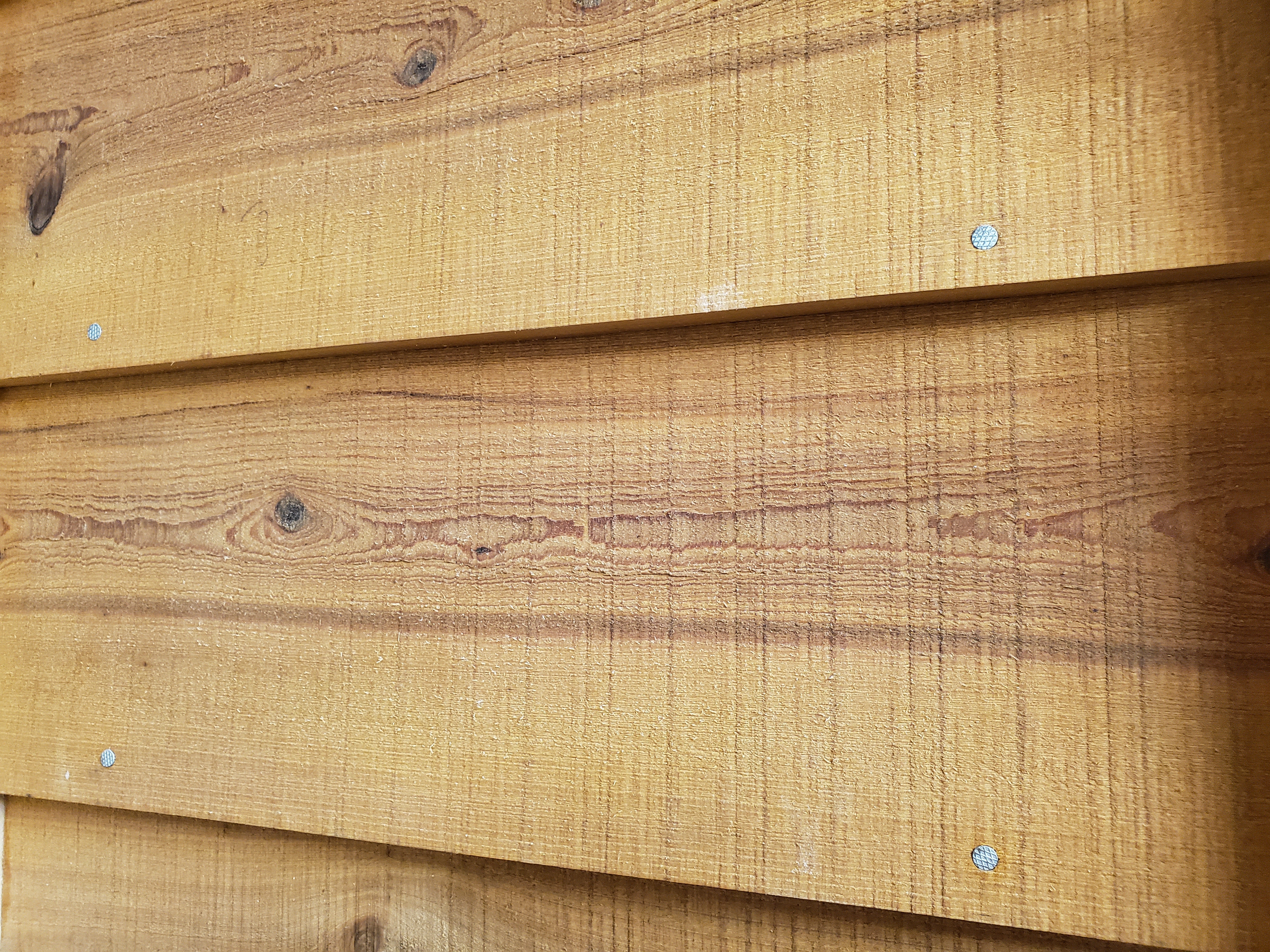
Cypress wood siding is prized for its unique and distinctive appearance. It typically features a warm, honey-like color with variations that can range from light yellow to reddish-brown. Cypress is known for its elegant and intricate grain patterns, including swirls, knots, and grain streaks. These characteristics give cypress siding a rustic and charming look that appeals to homeowners seeking a natural and visually appealing exterior.
Availability
Cypress wood is moderately available in the market, although it may not be as widespread as some other wood species. Its availability can vary by region, which can influence its cost and accessibility as a siding material.
Pros
Cypress wood siding offers several advantages that make it an attractive option:
-
Natural Decay Resistance: Cypress wood is naturally resistant to decay and rot, thanks to the presence of cypretine, a natural preservative oil. This quality enhances its durability and longevity, especially in humid or wet environments.
-
Pest Resistance: In addition to its decay resistance, cypress wood is less attractive to pests such as termites and carpenter ants. This reduces the risk of pest infestations and structural damage.
-
Low Maintenance: Cypress siding requires minimal maintenance compared to other wood species. Its natural resistance to decay and insects reduces the need for frequent treatments or repairs. Over time, cypress siding weathers to a beautiful silver-gray patina, eliminating the need for regular painting or staining.
-
Unique Aesthetics: The intricate grain patterns and color variations of cypress wood create a one-of-a-kind appearance that adds character and charm to homes. It’s an excellent choice for homeowners looking for a distinctive and visually appealing exterior.
-
Sustainable Option: Cypress wood can be a sustainable choice when harvested responsibly from well-managed forests. Homeowners interested in eco-friendly siding options can consider cypress products that meet sustainability criteria.
Cons
However, it’s essential to be aware of some potential drawbacks associated with cypress wood siding:
-
Cost: Cypress wood siding can be more expensive than some other wood species due to its unique properties and limited availability.
-
Color Variation: While the color variations in cypress wood are appealing to many homeowners, they may not suit those seeking a consistent and uniform appearance.
-
Limited Availability: Depending on the region, cypress wood may not be as readily available as more common siding materials, which can affect its cost and accessibility.
-
Initial Maintenance: Some homeowners may prefer to maintain the original color of cypress siding, which may require initial staining or sealing. However, this maintenance is typically less frequent than with other wood species.
-
Oak Wood
Appearance
Oak wood siding is known for its timeless and classic appearance. It typically features a rich, medium to dark brown color that exudes warmth and sophistication. The grain patterns in oak are prominent and varied, ranging from straight lines to intricate swirls and rays. These grain patterns contribute to oak’s distinctive and elegant look, making it a popular choice for homeowners seeking a traditional and refined exterior.
Availability
Oak wood is moderately available in the market. It’s not as common as some other wood species but can still be sourced, especially in regions where oak trees are prevalent. Availability can vary by location and supplier, which may influence pricing and accessibility.
Pros
Oak wood siding offers several advantages that make it an appealing option:
-
Durability: Oak wood is renowned for its durability and strength. It is naturally resistant to decay and rot, ensuring a long-lasting siding option that can withstand the elements.
-
Distinctive Appearance: The prominent grain patterns and rich color of oak create a unique and attractive exterior for homes. Oak siding adds a touch of elegance and character to any architectural style.
-
Stain Acceptance: Oak readily accepts various stains and finishes, allowing homeowners to achieve their desired color and look. This flexibility in customization can cater to diverse design preferences.
-
Strength and Stability: Oak’s inherent strength and stability make it a reliable choice for siding. It can withstand impacts and environmental stresses, contributing to the structural integrity of the home.
Cons
However, it’s essential to consider some potential drawbacks associated with oak wood siding:
-
Cost: Oak wood siding tends to be more expensive than many other wood species due to its durability and desirable appearance.
-
Maintenance: While oak is naturally resistant to decay, it may still require periodic maintenance, including staining or sealing, to preserve its color and protect it from the elements.
-
Weight: Oak wood is relatively heavy, which can make handling and installation more labor-intensive. Builders and contractors should be prepared for the additional weight.
-
Limited Availability: Depending on the region, oak wood may not be as readily available as more common siding materials, potentially affecting its cost and accessibility.
-
Color Fading: Over time, oak siding may experience some color fading due to exposure to sunlight. Regular maintenance can help mitigate this issue.
Identifying Real Wood Siding
As a real estate broker, being able to identify real wood siding is essential when evaluating properties. Here are some key features to look for:
-
Natural Wood Texture: When assessing siding, run your fingertips across the surface to feel the texture. Real wood siding typically has an irregular and natural texture that mimics the grain of the wood. This texture is often more pronounced than the smooth and uniform surface of synthetic materials. Look for variations in the texture, which can include subtle bumps, ridges, and grain patterns.
Color Variations: Real wood siding exhibits inherent color variations that result from the natural qualities of wood. As you inspect the siding, observe these color differences, which may appear as slightly darker or lighter areas. These variations contribute to the authentic look of wood siding. In contrast, synthetic materials often have a more consistent and monotone color throughout.
Visible Wood Grain: The presence of a visible wood grain pattern is a definitive feature of real wood siding. This grain pattern is typically irregular, and you can see it with the naked eye. Look for intricate lines and patterns that follow the direction of the wood fibers. These grain patterns vary from one type of wood to another, so it’s helpful to familiarize yourself with different wood species’ grain characteristics.
Weathering Signs: Real wood siding can change in appearance over time due to exposure to the elements. Look for signs of weathering, which might include a shift in color from the original hue to a more weathered gray or silver tone. In some cases, you may notice subtle cracks or fissures on the surface, particularly in older wood siding. These weathering signs are indicators of authentic wood.
End Grain Exposure: To further confirm the authenticity of wood siding, examine the end grain of a siding board. The end grain is the cut edge of the wood. Real wood siding will have exposed end grain at the cut edges, revealing the characteristic texture and appearance of the wood fibers. Synthetic siding materials typically have uniform and smooth cut edges without visible wood grain.
Inspection of Joints: Pay attention to the joints where two siding boards meet. Real wood siding will often exhibit slight gaps or spacing between these joints, especially if it has experienced some degree of expansion or contraction due to changes in humidity. Synthetic siding materials may have tighter and more consistent joints.
Maintence and Care
Understanding the maintenance requirements of real wood siding is crucial for both homeowners and real estate brokers. Proper maintenance ensures the longevity and appearance of the siding, and it can significantly impact the property’s value. Here are some practical maintenance guidelines to share with your clients:
Practical Maintenance for Real Wood Siding:
-
Regular Cleaning: Homeowners should clean their wood siding annually or as needed to remove dirt, mold, and mildew. This can be done with a hose, a soft brush, and mild detergent. Cleaning helps maintain the siding’s appearance and prevents the buildup of contaminants.
-
Repainting or Restaining: Suggest that homeowners repaint or restain the siding when it shows signs of wear or every 5-10 years, depending on the climate and exposure to the elements. This not only enhances the appearance but also protects the wood from moisture and UV damage.
-
Inspect for Damage: Encourage homeowners to inspect their wood siding at least once a year for signs of damage, such as rot, cracks, or loose boards. Promptly address any issues to prevent further deterioration.
-
Sealing and Waterproofing: Depending on the wood species and climate, recommend sealing or waterproofing the siding every 3-5 years. This helps enhance its longevity and protects it from moisture, which can lead to decay.
-
Pest Inspections: Advise homeowners to periodically inspect their wood siding for signs of pest infestations, such as small holes, sawdust, or insect activity. If pests are detected, prompt action should be taken to mitigate the issue.
-
Trim Vegetation: Overgrown vegetation near the siding can trap moisture and promote mold and mildew growth. Encourage homeowners to trim plants and trees away from the siding to maintain proper ventilation.
-
Gutter Maintenance: Ensure that gutters and downspouts are functioning correctly. Clogged gutters can lead to water overflowing onto the siding, potentially causing damage. Regular gutter cleaning is advisable.
-
Repair and Replace: If any boards or sections of the siding are damaged or rotted, recommend immediate repairs or replacements. Addressing minor issues promptly can prevent them from becoming more significant and costly.
Importance of Maintenance for Real Wood Siding:
-
Preservation of Appearance: Real wood siding is valued for its natural beauty and timeless aesthetic. Regular maintenance helps preserve the siding’s appearance, preventing it from looking weathered, faded, or worn over time.
-
Protection Against Decay: Wood is susceptible to decay when exposed to moisture and humidity. Proper maintenance, including cleaning and sealing, acts as a protective barrier, reducing the risk of wood rot and decay.
-
Pest Prevention: Wood-eating pests such as termites and carpenter ants can damage wood siding. Maintenance measures, such as inspections and repairs, help prevent pest infestations and protect the structural integrity of the siding.
-
Longevity: Real wood siding has the potential for a long lifespan when well-maintained. Regular care can extend its durability and reduce the need for premature replacement.
Consequences of Neglecting Maintenance:
-
Deterioration of Appearance: Without proper care, real wood siding can lose its visual appeal. It may develop stains, discoloration, or a weathered appearance, diminishing the curb appeal of the property.
-
Wood Decay: Moisture and humidity can lead to wood decay, making the siding structurally unsound. Rotted wood may require extensive repairs or replacement, resulting in significant expenses.
-
Pest Damage: Neglected wood siding becomes more susceptible to pest infestations. Termites and carpenter ants can cause substantial harm to the siding, potentially leading to costly repairs.
-
Reduced Lifespan: Lack of maintenance can significantly reduce the lifespan of real wood siding. Premature replacement may become necessary, adding a financial burden for homeowners.
-
Higher Maintenance Costs: Delaying maintenance often leads to more extensive damage. Consequently, homeowners may incur higher maintenance costs when addressing neglected issues.
-
Decreased Property Value: A property with poorly maintained siding may have reduced market appeal and lower property value. It may be less attractive to potential buyers or require price reductions to account for needed repairs.
-
Safety Concerns: Severely deteriorated siding can pose safety risks. Weak or rotted wood may become unstable, potentially causing accidents or injuries.