
Catch Basins: A Detailed Overview
Catch Basins
Catch Basins
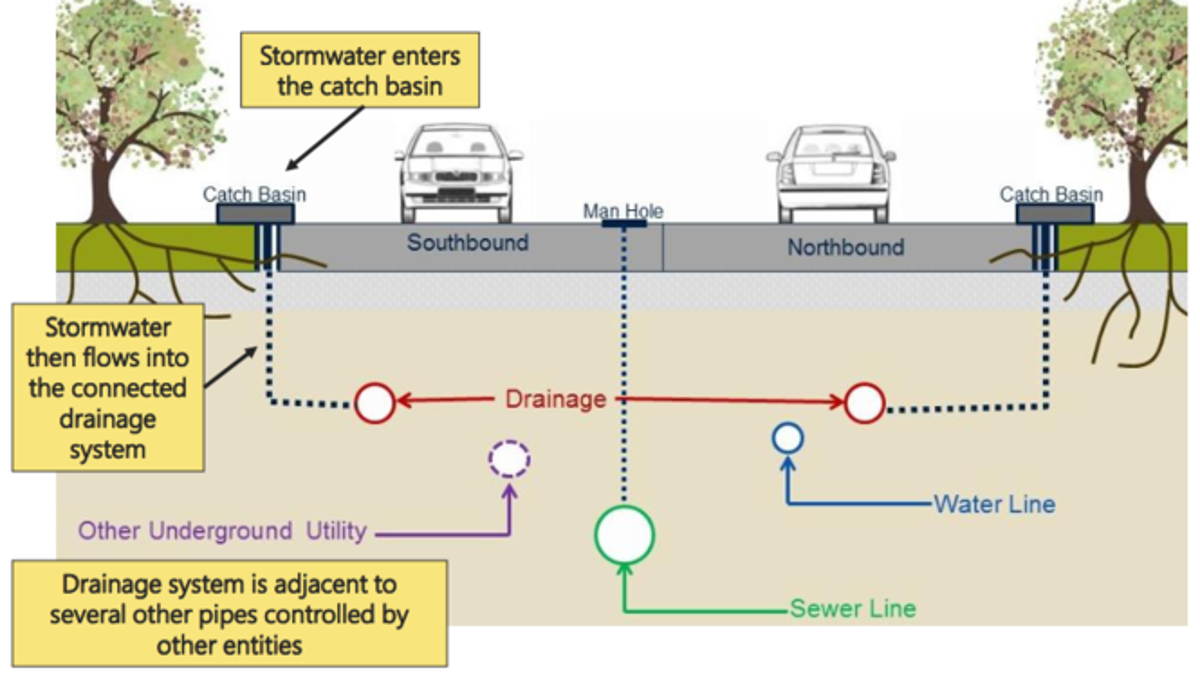
Catch basins play a pivotal role in storm water management systems, serving as a first line of defense against blockages in the storm drain infrastructure. This comprehensive guide delves into the function, design, installation considerations, and maintenance practices of catch basins, highlighting their importance in ensuring the efficiency and reliability of storm water drainage.
Function
Primary Role: Catch basins are designed to capture and temporarily hold runoff water, allowing solids (like leaves, trash, and sediment) to settle at the bottom while cleaner water flows out into the storm drain system. This process significantly reduces the potential for clogs further down the system, which could lead to flooding and water damage.
Strategic Placement: These structures are typically positioned at low points where water naturally accumulates, as well as in areas prone to collecting debris, such as street corners, parking lots, and near downspouts from buildings.
Design Features
-
Grate or Inlet: The top of a catch basin is covered by a grate to prevent large debris from entering while allowing water to flow through. The design of the grate varies depending on the expected type and amount of debris, as well as pedestrian and vehicular traffic over the basin.
-
Sump: This is the bottom part of the catch basin where debris settles. The depth of the sump is crucial for its capacity to hold solids and reduce the frequency of maintenance.
-
Outlet Pipes: Positioned above the sump’s bottom, these pipes allow the cleaner water to continue its journey into the storm water management system. Their placement prevents the settled debris from flowing into the storm drainpipes.
Installation Considerations
Size and Capacity: The size of the catch basin and its sump should be designed based on the anticipated volume of runoff water and the amount of debris typical for the area. This ensures that the basin can effectively capture solids without overflowing.
Location: Proper placement is critical for maximizing the catch basin’s effectiveness. It should be installed at points where water naturally pools and in areas where debris is likely to be carried by storm water runoff.
Accessibility for Maintenance: Catch basins should be placed in locations where they can be easily accessed for cleaning and inspection. Regular maintenance is essential to prevent overflow and ensure the system remains effective.
Maintenance Practices
Regular Cleaning: The sump of the catch basin should be cleaned regularly to remove accumulated debris. This prevents the system from becoming clogged and reduces the risk of overflow during heavy rains.
Inspection: Routine inspections can help identify issues such as blockages, damage to the structure, or problems with the grate. Early detection and repair of these issues can prevent more significant problems in the storm water drainage system.
Public Awareness: Educating the public about the importance of not disposing of waste or leaves into catch basins can significantly reduce the amount of debris entering the system, thereby minimizing maintenance needs and ensuring more efficient water flow.