
French Drains: Comprehensive Overview
French Drains
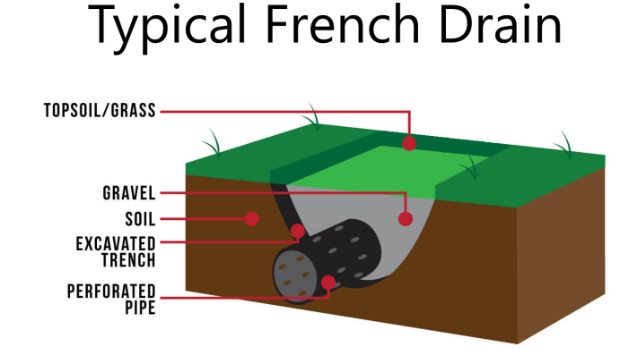
French drains serve as an efficient solution for managing excess water in landscapes, basements, and around structures, significantly mitigating the risk of water damage and soil erosion. By facilitating the infiltration and redirection of water away from critical areas, French drains enhance the drainage capabilities of properties prone to water collection. This guide explores the principles, construction, applications, and maintenance of French drains, underlining their importance in residential and commercial property management.
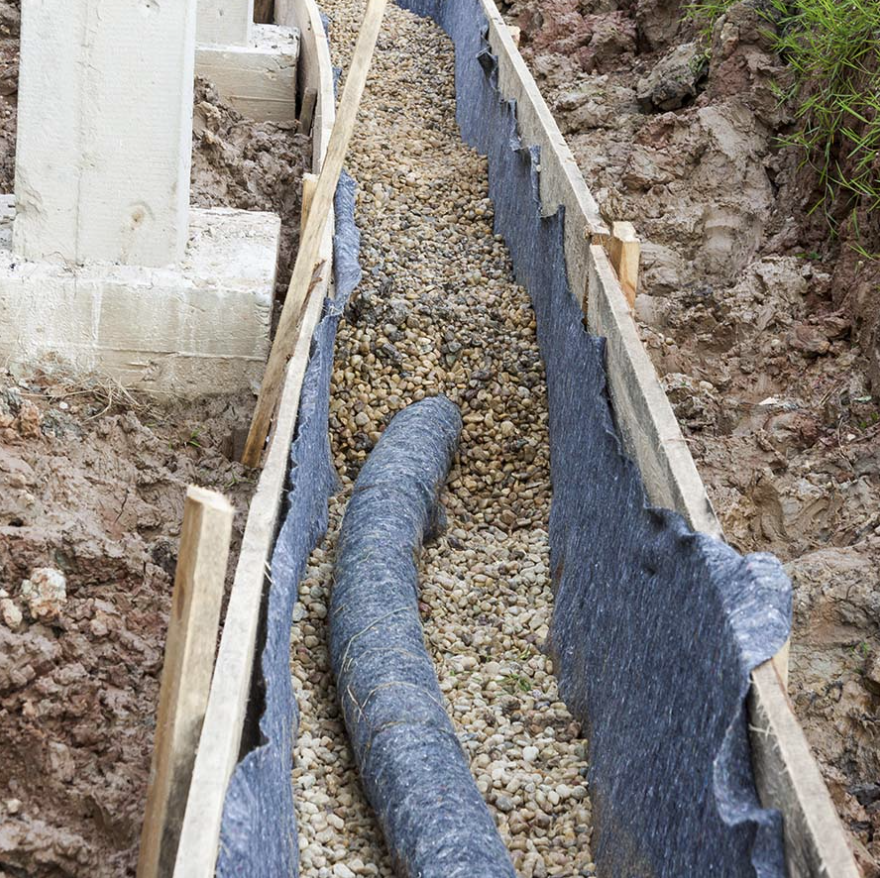
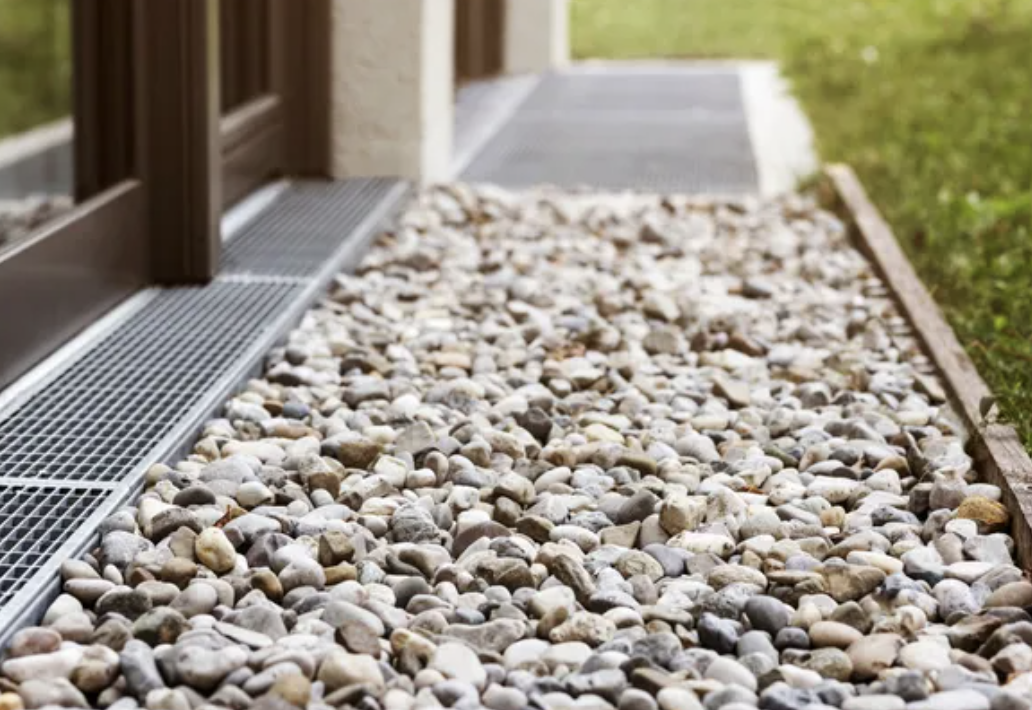
Functionality
Core Purpose: French drains embody a highly effective drainage solution designed to mitigate water accumulation issues on properties by adeptly redirecting groundwater and surface runoff. This system, primarily comprising a perforated pipe nestled within a gravel bed and often sheathed in filter fabric, leverages gravitational forces to guide water away from potentially vulnerable areas, ensuring it is discharged safely away from structural foundations and landscaped zones.
The Mechanism of Action
The operational efficacy of French drains hinges on a simple yet ingeniously effective mechanism. Water, following the path of least resistance, permeates through the gravel layer — which doubles as a natural filter — preventing soil and larger debris from entering and clogging the system. This water subsequently enters the perforated pipe, where it is efficiently redirected away from the property, ultimately discharging at a predetermined safe location that minimizes the risk of erosion or water damage to structures and landscapes.
Construction Elements
Perforated Pipes: Serving as the core component of the French drain system, these pipes are crucial for the ingress and subsequent redirection of water. PVC, renowned for its durability, resistance to corrosion, and longevity, is the material of choice for these pipes, ensuring the system’s resilience against environmental and soil conditions.
Gravel: This layer not only aids in the filtration process but also significantly enhances water entry into the system, acting as a porous medium that prevents the direct clogging of the pipe with debris. The choice of gravel size and quality can impact the overall performance of the French drain, influencing its capacity to handle varying volumes of water.
Filter Fabric: Encapsulating the gravel, the filter fabric serves as an additional barrier against the infiltration of fine soil particles, which could otherwise impede the permeability and operational efficiency of the drain. This fabric ensures that the system remains effective over time, safeguarding against potential reductions in drainage capacity due to sediment accumulation.
Applications
Basements and Foundations
One of the most crucial applications of French drains is in protecting basements and foundations from water damage. By installing French drains along the perimeter of these structures, water that would otherwise penetrate basement walls or undermine foundations is intercepted and redirected. This not only helps in keeping basements dry but also safeguards the structural integrity of the building, preventing costly repairs and maintaining the building’s value.
Gardens and Landscapes
French drains are instrumental in areas with poor natural drainage or those susceptible to surface runoff, ensuring that gardens and landscaped areas maintain optimal soil moisture levels. By managing excess water, these drains prevent waterlogging, which can be detrimental to plant health, and protect against erosion that can disrupt the landscape’s aesthetics and functionality. Through their use, gardeners and landscapers can create more resilient and vibrant outdoor spaces, even in challenging environmental conditions.
Retaining Walls
Retaining walls, essential for managing slopes and creating usable flat areas on a property, can be compromised by hydrostatic pressure resulting from water accumulation. French drains offer a solution to this problem by alleviating this pressure and preventing water from building up behind retaining walls. The installation of French drains alongside or behind these structures enhances their stability and longevity, ensuring they continue to perform their intended function effectively over time.