
Drywells: An Essential Guide for Effective Water Management
Drywells
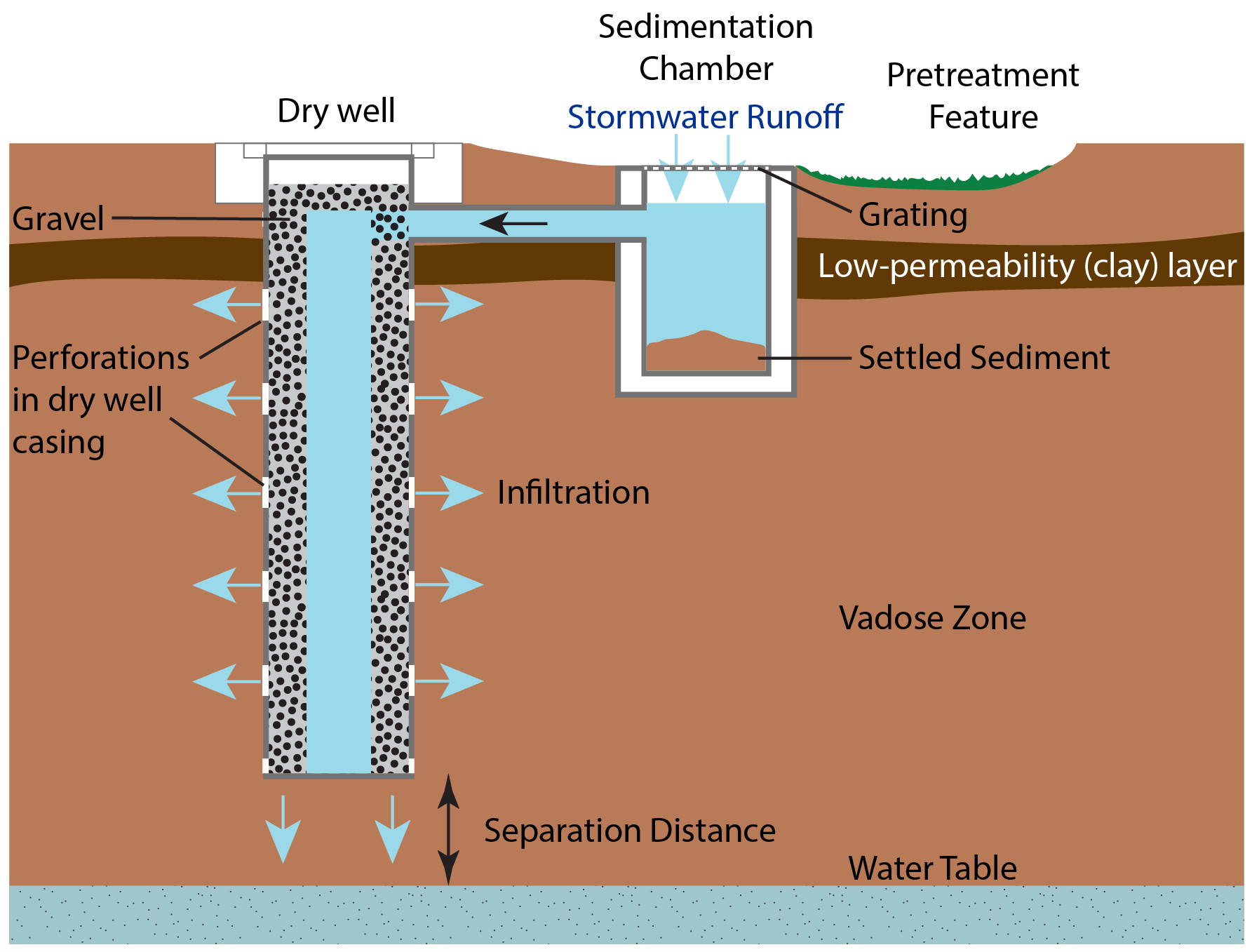
Drywells present a practical and eco-friendly solution for managing excess stormwater, especially in areas where direct connection to municipal stormwater systems is not feasible. By facilitating the infiltration of water back into the ground, drywells play a pivotal role in reducing surface runoff, mitigating flooding risks, and replenishing local groundwater supplies. This comprehensive guide explores the function, design principles, applications, and maintenance strategies associated with drywells, highlighting their importance in sustainable stormwater management.
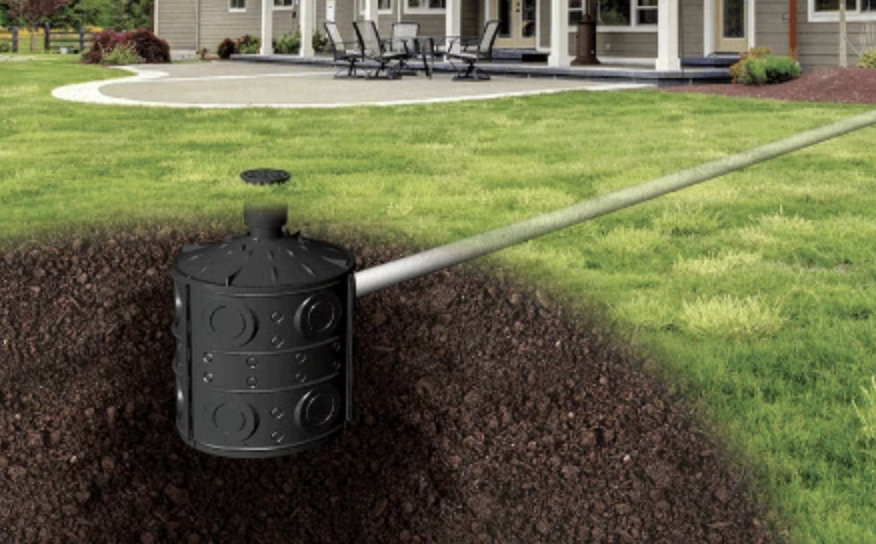
Function
Core Purpose: Drywells are designed to receive excess stormwater and facilitate its gradual infiltration into the surrounding soil. This process helps to manage and mitigate surface water runoff, especially during heavy rainfall events, by directing water away from built-up areas and into the ground, where it can naturally recharge aquifers.
Mechanism: A drywell is typically a cylindrical structure buried underground, filled with gravel or other porous materials, and sometimes lined with permeable fabric to prevent soil from entering the well. The top is usually covered with a grate or lid to prevent debris and animals from entering, while allowing water to flow in from connected downspouts or runoff areas.
Design Principles
Size and Capacity: The size and capacity of a drywell should be tailored to the volume of runoff water it is expected to manage, which is determined by the size of the catchment area and local rainfall patterns. Calculating these factors accurately ensures that the drywell can handle peak flows without overflowing.
Soil Permeability: Prior to installation, conducting a soil percolation test is crucial to ensure the surrounding soil has sufficient permeability to absorb the water. Areas with high clay content may not be suitable for drywells without modifications to enhance infiltration.
Filtration: Incorporating layers of gravel and possibly filter fabric around the drywell helps to filter out sediments and prevent clogging of the system, ensuring long-term functionality and effectiveness.
Applications
Drywells are particularly useful in residential settings, such as:
Gardens and Yards: To prevent waterlogging and ensure healthy plant growth by managing excess water.
Downspout Discharge: Connecting downspouts directly to a drywell can effectively manage roof runoff, protecting the property’s foundation and reducing the risk of basement flooding.
Driveways and Patios: In areas prone to pooling water, drywells can be installed to manage runoff, preventing erosion and damage to paved surfaces.