
Trench Drains: An In-Depth Analysis
Trench Drains
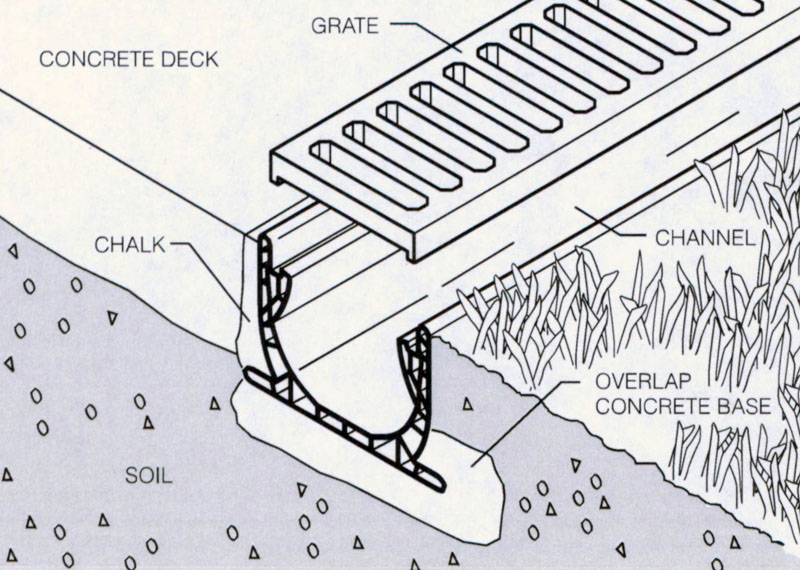
Trench drains, characterized by their elongated channels designed to intercept and convey surface water runoff, represent an integral component of comprehensive stormwater management strategies. These systems are particularly advantageous in areas subject to significant water accumulation, such as driveways, parking lots, and expansive flat surfaces. This section delineates the functionality, design considerations, and applications of trench drains, emphasizing their efficacy in mitigating surface water pooling and facilitating efficient water conveyance to municipal storm systems.
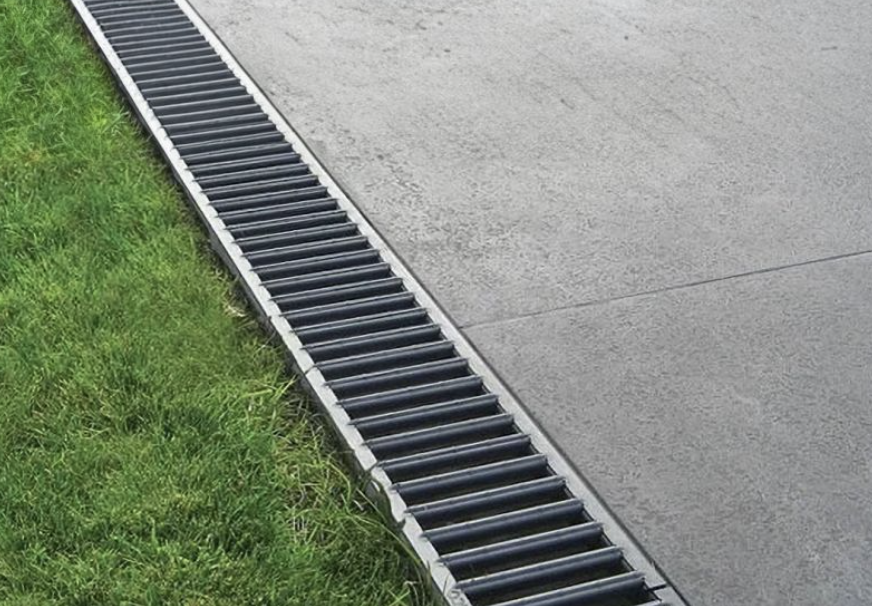
Functionality
The primary objective of trench drains is to collect and redirect surface water runoff, thereby preventing the accumulation of water on large flat surfaces. The design of trench drains enables them to capture water over a wide area, distinguishing them from point-based systems such as catch basins. By directing water into the municipal storm drain system or other designated discharge points, trench drains significantly reduce the risk of water damage and enhance safety by minimizing slippery conditions on surfaces like driveways and walkways.
Design Considerations
Channel Material: The selection of materials for trench drain channels is paramount, with options ranging from polymer concrete, fiberglass, and metal to precast concrete. Each material offers distinct advantages in terms of durability, load-bearing capacity, and chemical resistance, necessitating careful consideration based on the specific application environment and expected traffic loads.
Grate Selection: The choice of grates for trench drains is critical, with considerations including the anticipated type of traffic (pedestrian vs. vehicular), load requirements, and environmental factors. Grates are available in various materials, including cast iron, steel, and plastic, each offering different levels of strength and aesthetic appeal.
Slope and Hydraulic Capacity: Ensuring appropriate slope and hydraulic capacity is essential for the efficient operation of trench drains. The system must be designed to accommodate peak flow rates, with a slope conducive to optimal water velocity, minimizing the potential for sediment accumulation and system blockage.
Applications
Trench drains are employed in a diverse array of settings, each presenting unique challenges and requirements:
Driveways and Parking Lots: In residential and commercial settings, trench drains are installed to prevent water accumulation that could lead to surface damage, slip hazards, and impaired access.
Industrial Applications: Facilities with extensive impervious surfaces utilize trench drains to manage runoff, protecting structures and complying with environmental regulations regarding stormwater discharge.
Landscaping and Recreational Areas: Trench drains are also integrated into landscaping projects and recreational areas, such as pools and sports fields, to control surface water and maintain the usability of these spaces.