
Yard Inlets: Comperhensive Insight
Yard Inlets
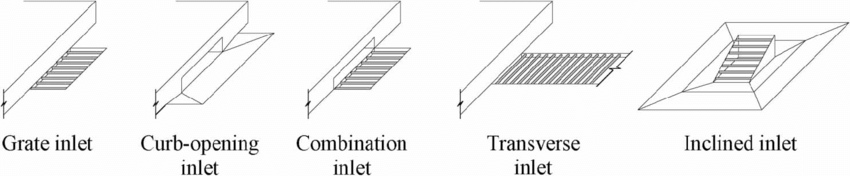
Yard inlets are a crucial component of residential and localized stormwater management systems, designed to address water pooling and runoff in specific areas. This detailed guide explores the functionality, options, installation considerations, and maintenance practices of yard inlets, underscoring their role in mitigating localized flooding and enhancing landscape drainage.
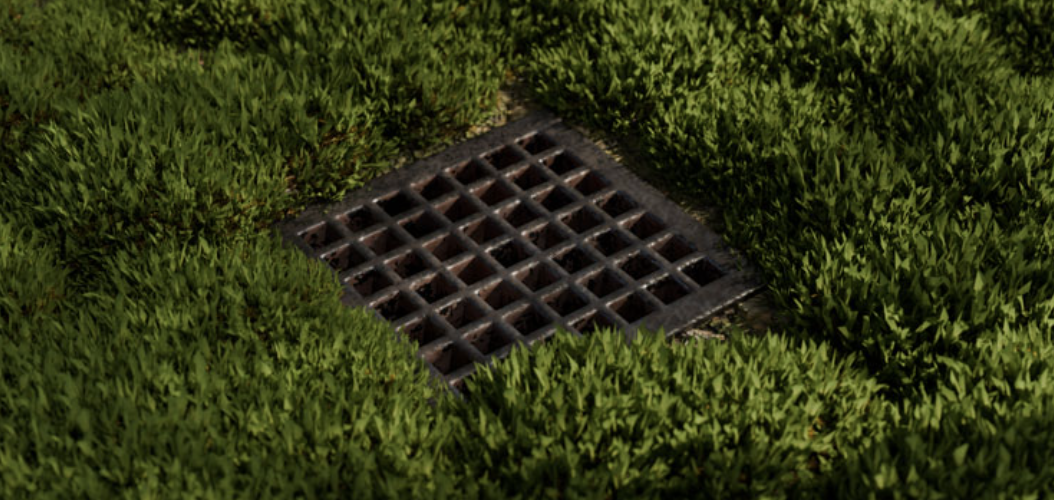
Function
Primary Role: Yard inlets function to collect excess surface water from lawns, gardens, patios, and driveways, directing it away to prevent waterlogging and soil erosion. They are particularly useful in areas prone to accumulating water during heavy rains or snowmelt, safeguarding the property’s landscape and foundation.
Design Efficiency: These inlets are designed to capture and convey water efficiently, with grates on top to prevent debris from entering the drainage system. Their smaller size compared to catch basins makes them ideal for residential applications where space might be limited.
Options and Materials
-
Metal Yard Inlets: Often constructed from cast iron or galvanized steel, metal yard inlets are durable and capable of withstanding heavy loads, making them suitable for areas subject to vehicular traffic.
-
Plastic Yard Inlets: Made from high-density polyethylene (HDPE) or PVC, plastic yard inlets are lightweight, resistant to corrosion, and easy to install. They are a cost-effective solution for areas with minimal traffic.
Installation Considerations
Strategic Placement: Identifying the lowest points and areas prone to water accumulation is crucial for the effective placement of yard inlets. Proper positioning ensures maximum water capture and prevents the landscape from becoming waterlogged.
Connection to Drainage System: Yard inlets must be connected to an appropriate drainage system, such as a storm sewer or a dry well, to efficiently manage the collected water. The choice of drainage solution depends on the local environment and regulations.
Load-Bearing Capacity: For yard inlets installed in driveways or areas with potential vehicular traffic, selecting a model with a suitable load-bearing capacity is essential to prevent damage.
Maintenance Practices
Regular Cleaning: To maintain their effectiveness, yard inlets should be cleaned regularly to remove leaves, twigs, and other debris that could block water flow. This is especially important after storms or during fall when leaves are abundant.
Inspection for Damage: Regular inspections can help identify any damage or wear to the inlet structure or grate, allowing for timely repairs or replacement to ensure continuous functionality.
Preventative Measures: Installing guards or filters can help reduce the amount of debris entering the inlet, minimizing maintenance requirements and ensuring smoother operation.